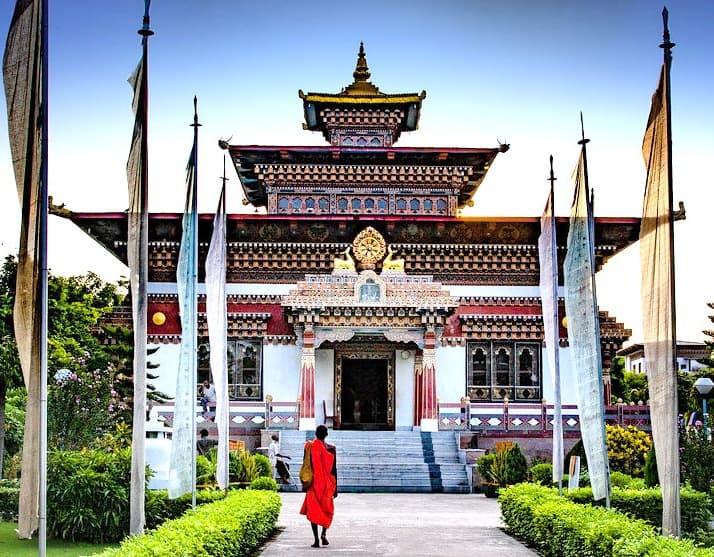
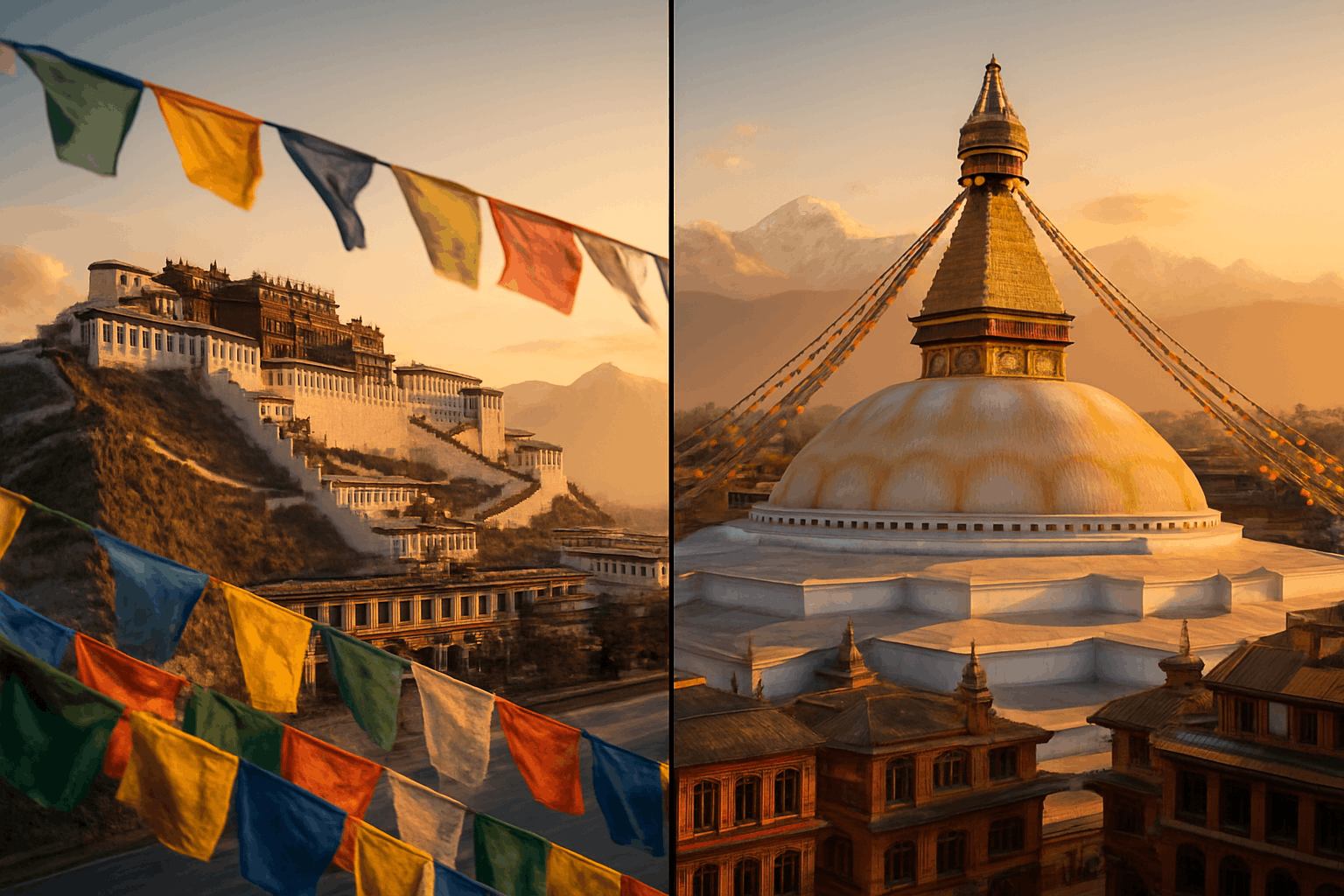
Choosing between Tibet and Nepal for your next cultural adventure? Both destinations offer incredible experiences, but they cater to different types of travelers seeking authentic cultural immersion.
This guide is for culture enthusiasts, spiritual seekers, and adventure travelers who want to make an informed decision about which destination will deliver the most meaningful cultural experience for their interests and travel style.
We'll compare Tibet's distinctive Buddhist heritage and high-altitude monasteries with Nepal's diverse mix of Hindu and Buddhist traditions. You'll also discover how each destination handles tourist access to authentic cultural sites and local communities, plus which seasonal festivals and cultural activities make each location special throughout the year.
Understanding Tibet's Unique Cultural Heritage
Ancient Buddhist Traditions and Monastic Life
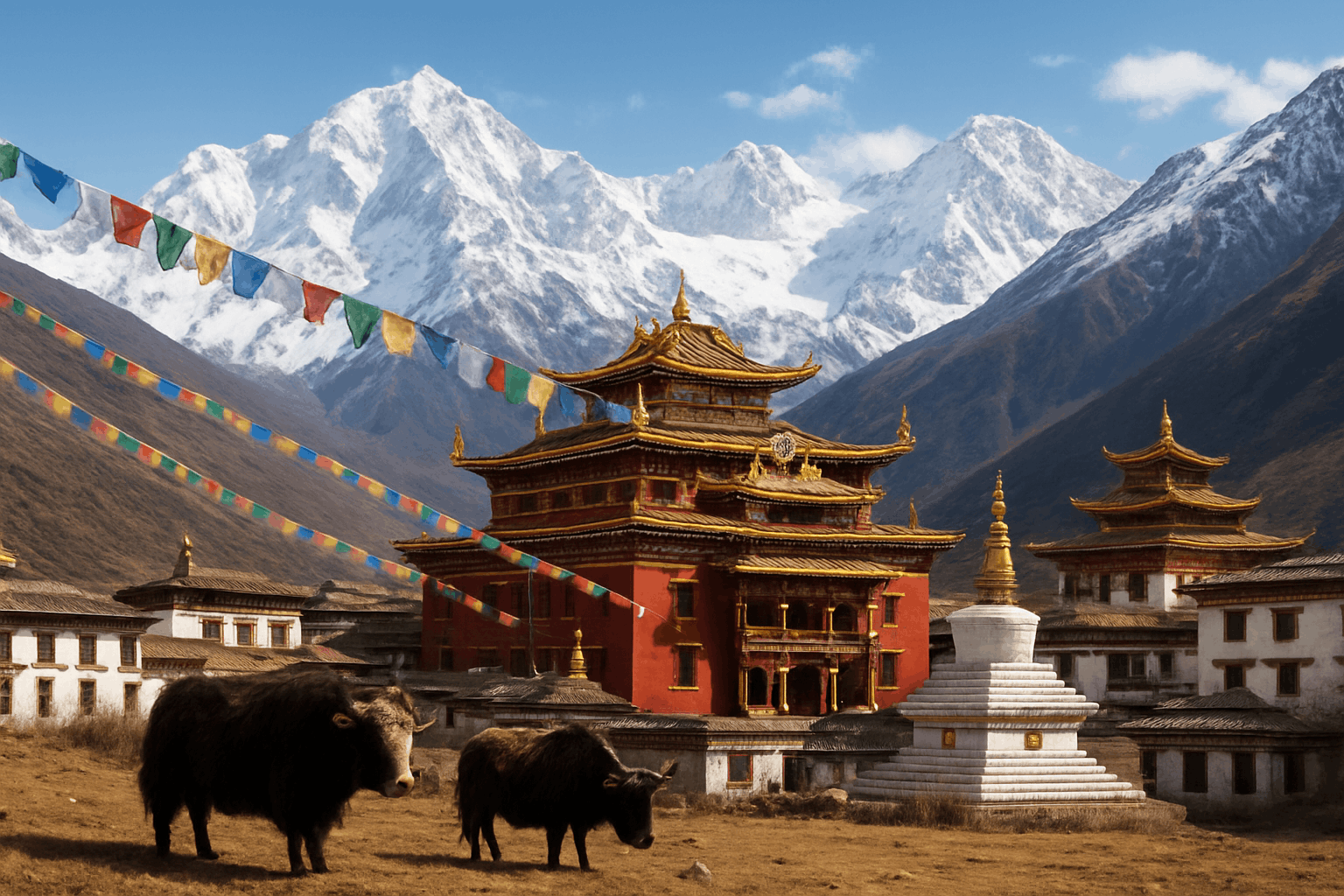
Tibet stands as one of the last great bastions of Tantric Buddhism, where monasteries perch dramatically on mountainsides and spiritual practices remain largely unchanged for centuries. The country's monastic tradition centers around the Gelug, Kagyu, Nyingma, and Sakya schools, each offering distinct approaches to Buddhist philosophy and practice.
Potala Palace in Lhasa serves as the most iconic symbol of this spiritual heritage, once home to the Dalai Lama and now a UNESCO World Heritage site. The palace contains over 1,000 rooms filled with Buddhist scriptures, golden stupas, and intricate murals depicting Buddhist cosmology. Daily life in Tibetan monasteries follows ancient rhythms of prayer, debate, and meditation, with monks engaging in philosophical discussions that can last for hours.
The tradition of sky burial, where bodies are offered to vultures on mountaintops, reflects deep Buddhist beliefs about impermanence and compassion. Butter lamp offerings illuminate temple interiors, while prayer wheels spin constantly as devotees walk clockwise around sacred sites. These practices create an atmosphere where spirituality permeates every aspect of daily existence.
Tibetan Language and Literary Treasures
Classical Tibetan serves as the sacred language of Buddhist texts, preserving thousands of years of philosophical and literary wisdom. The Tibetan script, derived from ancient Indian scripts, contains one of the world's most comprehensive collections of Buddhist literature, including the Kangyur (translated words of Buddha) and Tengyur (treatises and commentaries).
Tibetan literature extends beyond religious texts to include epic tales like the Gesar saga, considered one of the world's longest epic poems. This oral tradition, still performed by wandering bards, tells stories of heroic deeds and spiritual quests across the Tibetan plateau. Traditional printing methods using wooden blocks create beautiful texts on handmade paper, maintaining craftsmanship techniques passed down through generations.
Modern Tibetan faces challenges as Chinese becomes dominant in education and business, making encounters with native speakers and traditional storytellers increasingly precious for cultural travelers seeking authentic linguistic experiences.
Traditional Arts, Crafts, and Architecture
Tibetan artistic expression manifests most dramatically in its distinctive architecture, where massive stone walls, colorful prayer flags, and golden rooftops create unmistakable silhouettes against mountain backdrops. Traditional buildings feature thick walls, small windows, and flat roofs designed to withstand harsh high-altitude conditions while incorporating Buddhist symbolism throughout their design.
Thangka painting represents one of Tibet's most refined art forms, where artists create intricate religious paintings on silk or cotton canvas. These portable masterpieces require years of training to master, with artists grinding their own pigments from minerals and following strict iconographic rules passed down through generations. Each thangka serves both as art and as a meditation tool, helping practitioners visualize complex Buddhist deities and concepts.
Traditional crafts include carpet weaving, metalwork, and wood carving, each carrying deep cultural significance. Tibetan carpets feature distinctive patterns and colors, traditionally used in monasteries and homes. Silver and brass work creates everything from prayer wheels to ritual objects, while woodcarvers fashion intricate details for temple decorations and furniture.
Nomadic Lifestyle and Highland Customs
Traditional Tibetan nomads, known as "drokpa," continue herding yaks, sheep, and goats across vast high-altitude grasslands, maintaining lifestyles adapted to one of Earth's most challenging environments. Their portable black tents, woven from yak hair, provide mobile homes that can withstand fierce winds and temperature extremes.
Yak culture permeates nomadic life, providing milk for butter tea, hair for textiles, dung for fuel, and transportation across difficult terrain. The animals' adaptation to high altitude makes them indispensable partners in this harsh landscape. Nomadic families move seasonally between pastures, following ancient migration routes that maximize grazing opportunities while respecting ecological balance.
Traditional dress includes the distinctive chupa (long robe), worn by both men and women, adorned with colorful silk sashes and often complemented by coral, turquoise, and amber jewelry. These garments serve practical purposes in extreme weather while displaying family wealth and regional identity through their specific styles and decorations.
Nomadic hospitality customs invite travelers into tents for butter tea and tsampa (roasted barley flour), creating opportunities for cultural exchange that have remained unchanged for centuries.
Exploring Nepal's Rich Cultural Tapestry
-0.jpg)
Hindu-Buddhist Cultural Fusion
Nepal presents one of the world's most seamless religious integrations, where Hindu and Buddhist traditions have intertwined for over a millennium. Walking through Kathmandu's streets, you'll spot Hindu temples next to Buddhist stupas, and locals participating in both religious practices without conflict. The birthplace of Buddha, Lumbini, sits comfortably within a predominantly Hindu nation, creating a unique spiritual landscape where deities from both faiths often share the same prayer spaces.
This fusion appears in everyday rituals too. Many Nepalese families practice elements from both religions, offering prayers to Hindu gods while spinning Buddhist prayer wheels. The Newar community especially embodies this blend, creating art and architecture that draws from both traditions. Their festivals often honor deities from both pantheons, making Nepal a living example of religious harmony.
Diverse Ethnic Communities and Languages
Nepal hosts over 125 distinct ethnic groups speaking more than 120 languages, creating an incredibly diverse cultural mosaic. The dominant groups include the Chhetri, Brahman-Hill, Magar, Tharu, Tamang, and Newar communities, each bringing unique customs, clothing, and culinary traditions.
The Tharu people of the southern plains maintain distinctive mud-house architecture and practice ancient animistic beliefs alongside Hinduism. Meanwhile, mountain communities like the Gurung and Magar have preserved their own languages and shamanistic practices. The Newar people of the Kathmandu Valley stand out for their sophisticated urban culture, intricate woodcarving skills, and elaborate festival celebrations.
Each group contributes different flavors to Nepal's cultural stew - from the Tharu's colorful wall paintings to the Tamang's melodious folk songs. Traveling between regions feels like crossing international borders, with dramatic shifts in language, food, and social customs.
UNESCO World Heritage Sites and Ancient Cities
Nepal packs seven UNESCO World Heritage Sites within its small borders, each telling stories of architectural brilliance and cultural evolution. The Kathmandu Valley alone contains three sites: Kathmandu Durbar Square, Patan Durbar Square, and Bhaktapur Durbar Square.
Bhaktapur stands as a medieval time capsule where traditional pottery-making continues in ancient courtyards, and locals still use hand-carved windows from the 15th century. The city's red-brick buildings and narrow alleys transport visitors back centuries. Patan showcases the finest Newar craftsmanship with its Golden Temple and intricate stone carvings that have survived multiple earthquakes.
| Heritage Site | Key Features | Best For |
| Kathmandu Durbar Square | Living Goddess Kumari, Hanuman Dhoka Palace | Royal history, active religious life |
| Bhaktapur Durbar Square | Medieval architecture, pottery squares | Traditional crafts, authentic atmosphere |
| Patan Durbar Square | Golden Temple, stone sculptures | Art and architecture appreciation |
| Swayambhunath | Ancient stupa, monkey population | Panoramic valley views, Buddhist culture |
| Boudhanath | Massive mandala stupa, Tibetan monks | Tibetan Buddhism, meditation atmosphere |
Mountain Sherpa Culture and Traditions
The Sherpa people of Nepal's high Himalayas have developed a remarkable mountain culture shaped by extreme altitudes and Buddhist spirituality. Their traditional stone houses with prayer flag-draped roofs dot the Everest region, creating picture-perfect mountain villages like Namche Bazaar and Tengboche.
Sherpa hospitality becomes legendary among trekkers who experience their warm tea houses and hearty dal bhat meals. Their deep connection to the mountains goes beyond practical mountaineering skills - they view peaks as sacred deities requiring respect and offerings before climbing attempts.
The famous Tengboche Monastery serves as the spiritual heart of Sherpa culture, where monks conduct daily prayers against the backdrop of Everest. Sherpa festivals like Mani Rimdu feature elaborate mask dances and Buddhist ceremonies that blend Tibetan traditions with local mountain customs. Their oral storytelling traditions pass down mountaineering wisdom and spiritual beliefs through generations.
Traditional Festivals and Religious Celebrations
Nepal celebrates more festivals than days in the year, with each community adding their own cultural celebrations to the national calendar. The biggest festival, Dashain, lasts 15 days and honors the goddess Durga's victory over evil. During this time, families reunite, elders bless younger members with tika (red vermillion), and communities sacrifice animals in traditional ceremonies.
Tihar, Nepal's version of Diwali, involves five days of honoring different animals and relationships. People worship crows, dogs, cows, and bulls before celebrating the bond between brothers and sisters. The festival lights up entire cities with oil lamps and colorful decorations.
The Kathmandu Valley's unique festivals include the chariot festival of Rato Machindranath, where massive wooden chariots parade through Patan's streets for months. Gai Jatra sees families who lost loved ones during the year parade through streets with decorated cows, mixing grief with celebration in distinctly Nepalese fashion.
Holi brings spring with explosions of colored powder, while Teej celebrates women's devotion with red saris, dancing, and fasting rituals. Each festival offers visitors chances to witness authentic cultural expressions that haven't been diluted by modern tourism.
Religious and Spiritual Experiences Comparison
Tibetan Buddhism vs Nepalese Hindu-Buddhist Blend
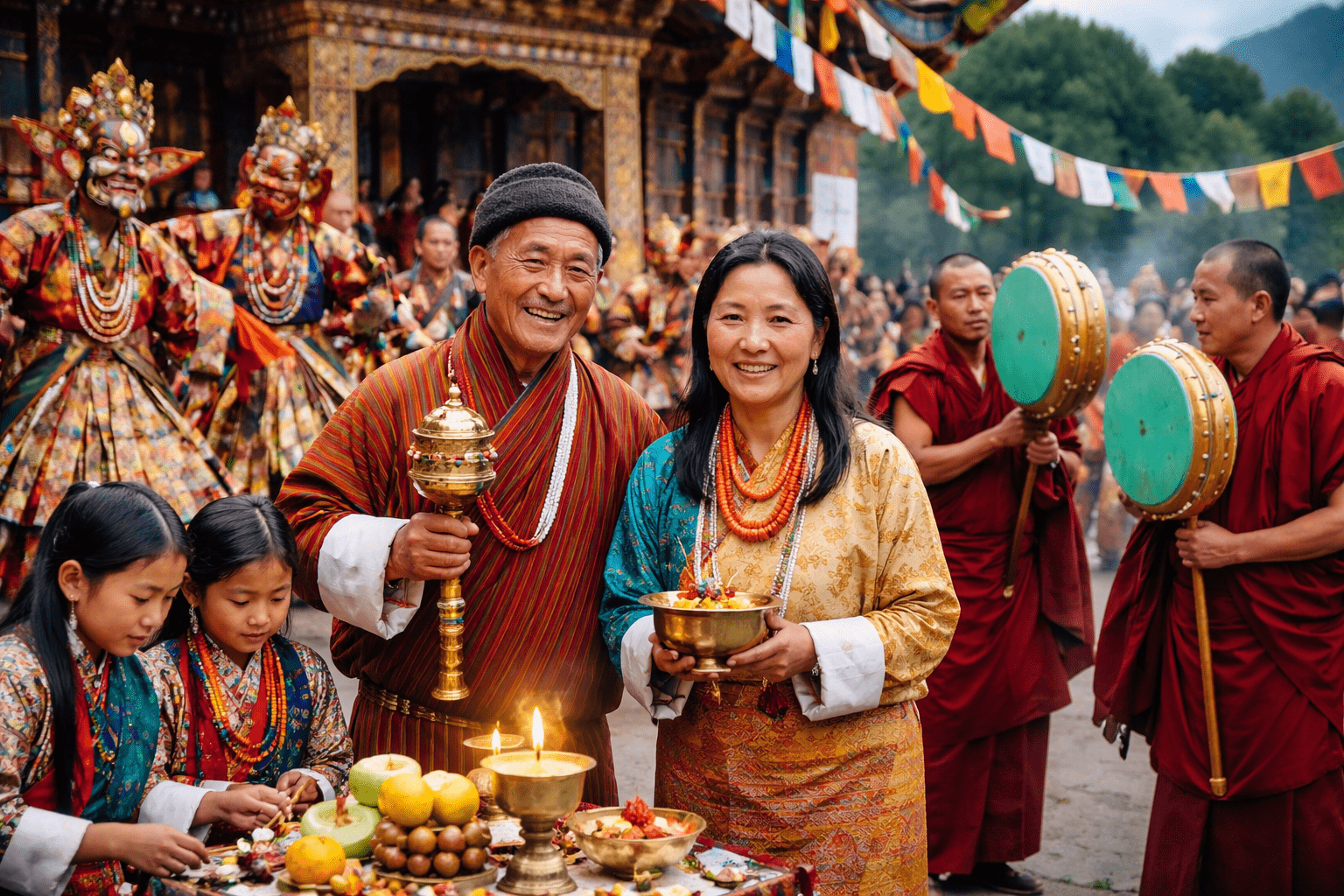
Tibet offers travelers an immersion into pure Tibetan Buddhism, where ancient traditions remain largely unchanged despite political upheavals. The spiritual practices here focus on Mahayana Buddhism with strong influences from Bon, Tibet's pre-Buddhist religion. Monasteries like Sera, Drepung, and Ganden showcase centuries-old debate traditions where monks engage in animated philosophical discussions that form the backbone of Tibetan Buddhist education.
Nepal presents a fascinating fusion where Hinduism and Buddhism intertwine so seamlessly that many practices blur the lines between religions. In Kathmandu's temples, you'll find Hindu deities worshipped by Buddhists and Buddhist symbols incorporated into Hindu rituals. This religious syncretism creates unique spiritual experiences unavailable elsewhere, like witnessing both Hindu and Buddhist pilgrims at Pashupatinath Temple or observing tantric practices that blend both traditions.
The spiritual atmosphere differs significantly between the two destinations. Tibet's high-altitude environment and vast landscapes naturally invoke contemplation and introspection. The thin air and dramatic vistas create an almost otherworldly feeling that enhances meditation and spiritual reflection. Nepal's spiritual energy feels more grounded and accessible, with bustling temple complexes where daily life and sacred rituals exist side by side.
Monastery Visits and Meditation Opportunities
Tibetan monasteries provide unparalleled access to authentic Buddhist practices. Potala Palace in Lhasa stands as the crown jewel, offering glimpses into the Dalai Lama's former residence and centuries of accumulated wisdom. Smaller monasteries like Rongbuk, situated near Everest Base Camp, provide intimate encounters with monks living in extreme conditions while maintaining their spiritual disciplines.
Morning prayers at Tibetan monasteries create transformative experiences. The deep resonance of horns, rhythmic chanting, and the sight of hundreds of maroon-robed monks gathered in prayer halls transport visitors into Tibet's spiritual heart. Many monasteries welcome respectful observers during these sessions, though photography restrictions apply in sacred spaces.
Nepal's monasteries offer different but equally compelling experiences. Boudhanath Stupa, one of the world's largest Buddhist stupas, buzzes with activity throughout the day. Tibetan refugee monks conduct their studies here while maintaining traditions brought from their homeland. Kopan Monastery near Kathmandu specifically caters to Western students seeking meditation instruction, offering structured courses ranging from weekend workshops to month-long retreats.
The meditation opportunities vary considerably between locations. Tibet's remote monasteries provide natural isolation perfect for deep contemplation, though altitude adjustment can initially challenge meditation practices. Nepal's lower elevations make extended meditation more physically comfortable, and the established infrastructure for spiritual tourism means easier access to qualified teachers and structured programs.
Pilgrimage Sites and Sacred Mountains
Mount Kailash represents Tibet's most sacred pilgrimage destination, revered by Buddhists, Hindus, Bon practitioners, and Jains alike. The 52-kilometer circumambulation, called a kora, challenges pilgrims physically while offering profound spiritual rewards. Tibetan Buddhists believe completing this circuit erases lifetime sins, while multiple circuits guarantee enlightenment. The journey's remoteness and physical demands create intense bonding experiences among pilgrims from diverse backgrounds.
Lake Manasarovar, situated near Mount Kailash, holds equal significance as a purification site. Pilgrims bathe in its sacred waters believing they'll achieve spiritual cleansing and merit for future lives. The lake's pristine beauty and high-altitude setting create natural conditions for meditation and reflection.
Nepal counters with its own impressive pilgrimage circuit. The Everest region contains Tengboche Monastery, where trekkers and spiritual seekers converge at 12,687 feet elevation. The monastery's location provides stunning mountain views while maintaining active spiritual practices. Many trekkers report unexpected spiritual awakening amid the physical challenges of high-altitude hiking.
Gosaikunda lakes in Nepal's Langtang region attract both Hindu and Buddhist pilgrims. According to Hindu mythology, these alpine lakes formed when Shiva thrust his trident into the mountains to create cooling waters after consuming poison. Buddhist pilgrims view the site as sacred to Padmasambhava, who meditated here. The full moon festival of Janai Purnima draws thousands of pilgrims annually.
| Aspect | Tibet | Nepal |
| Primary Religion | Tibetan Buddhism | Hindu-Buddhist blend |
| Accessibility | Restricted, permits required | Open access |
| Altitude Impact | Significant (3,500m+ average) | Varies (800m-5,500m range) |
| Pilgrimage Intensity | Extreme physical demands | Multiple difficulty levels |
| Cultural Purity | Highly preserved traditions | Living, evolving practices |
Authentic Cultural Interactions with Locals
Homestay Experiences in Rural Communities
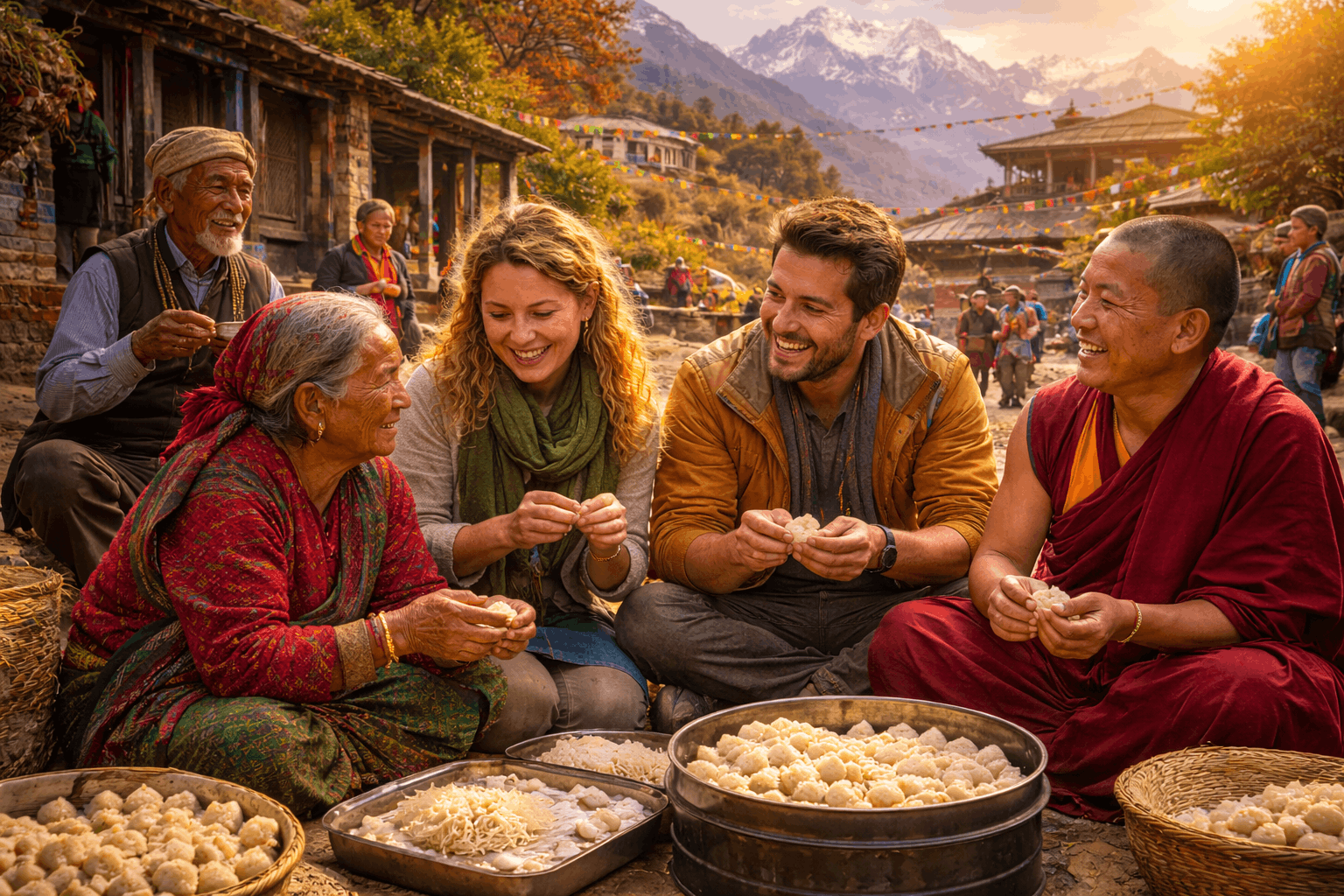
Both Tibet and Nepal offer incredible homestay opportunities, but each delivers a distinctly different flavor of mountain hospitality. In Tibet's remote villages like those around Mount Kailash or in the Changtang plateau, staying with nomadic families gives you direct access to a lifestyle that's remained virtually unchanged for centuries. Your hosts will likely be yak herders or barley farmers who speak limited English but communicate volumes through gestures, shared meals, and genuine warmth.
Tibetan homestays often involve sleeping in traditional stone houses with thick walls designed to withstand harsh winters. You'll wake up to the sound of prayer wheels spinning and butter tea brewing, participating in daily rituals that have deep spiritual significance.
Nepal's homestay network is more developed and accessible, particularly in regions like Gorkha, Bandipur, and the lower Himalayas. Nepalese families are naturally gregarious and love sharing stories about their diverse heritage. Unlike Tibet's more uniform Buddhist culture, Nepalese homestays expose you to Hindu, Buddhist, and indigenous traditions all within the same village.
The Gurung and Sherpa communities in Nepal's mountain regions provide especially rich cultural exchanges. These families often have members who've worked as guides or porters, making conversations flow more easily in English while still maintaining authentic traditional practices.
Traditional Meal Sharing and Cooking Classes
Food becomes your gateway to understanding each culture's heart and soul. Tibetan cooking classes center around staples like tsampa (roasted barley flour), yak butter tea, and hearty stews designed for high-altitude living. Learning to make momos (dumplings) with Tibetan grandmothers reveals techniques passed down through generations, while the preparation of butter tea becomes a meditation in itself.
Tibetan meals are communal affairs where everyone sits cross-legged around low tables, sharing from common bowls. The act of eating becomes deeply social, with specific etiquette around serving elders first and never finishing all the food on your plate.
| Aspect | Tibet | Nepal |
| Staple Grains | Barley, wheat | Rice, lentils, corn |
| Protein Sources | Yak, mutton | Buffalo, chicken, goat |
| Cooking Methods | Stewing, steaming | Stir-frying, curry-making |
| Meal Structure | Simple, hearty | Complex spice combinations |
Nepalese cooking experiences are incredibly diverse, varying dramatically by region and ethnic group. In Kathmandu Valley, you might learn to prepare elaborate Newari feast dishes with dozens of ingredients. In mountain villages, the focus shifts to dal bhat preparation – the art of perfectly balancing lentils, rice, and vegetable curries.
The spice grinding alone in Nepal can take hours, with families roasting and blending their own masala mixtures. Nepalese cooks love teaching the subtle differences between regional variations of the same dish.
Local Artisan Workshops and Craft Learning
Tibet's artistic traditions revolve heavily around religious expression and practical mountain living. Thangka painting workshops in Lhasa or monastery towns let you learn this sacred art form from monks or lay practitioners who've dedicated decades to perfecting their craft. The process is meditative, requiring precise attention to iconographic details and spiritual symbolism.
Carpet weaving represents another cornerstone of Tibetan craftsmanship. Tibetan refugees have maintained these traditions in exile, and workshops in both Tibet and Nepal-based Tibetan communities offer hands-on learning experiences. You'll work with yak wool and traditional dyes, understanding how each pattern carries cultural meaning.
Nepal's artisan scene explodes with variety. Kathmandu Valley alone offers workshops in:
- Metalworking: Learning to create singing bowls and brass statues using techniques unchanged since medieval times
- Wood carving: Crafting intricate window frames and religious sculptures that adorn Newari architecture
- Paper making: Traditional lokta paper production in mountain villages
- Textile weaving: Dhaka fabric creation with geometric patterns specific to different ethnic groups
Patan's metalworking district provides especially immersive experiences where master craftsmen still use traditional tools and methods passed down through family lineages spanning centuries. The learning curve is steep, but even basic sessions give you profound appreciation for the skill required.
Both destinations offer pottery workshops, but Nepal's variety is broader, ranging from simple functional pieces to elaborate ritual vessels used in Hindu ceremonies.
Cultural Accessibility and Tourism Infrastructure
Permit Requirements and Travel Restrictions
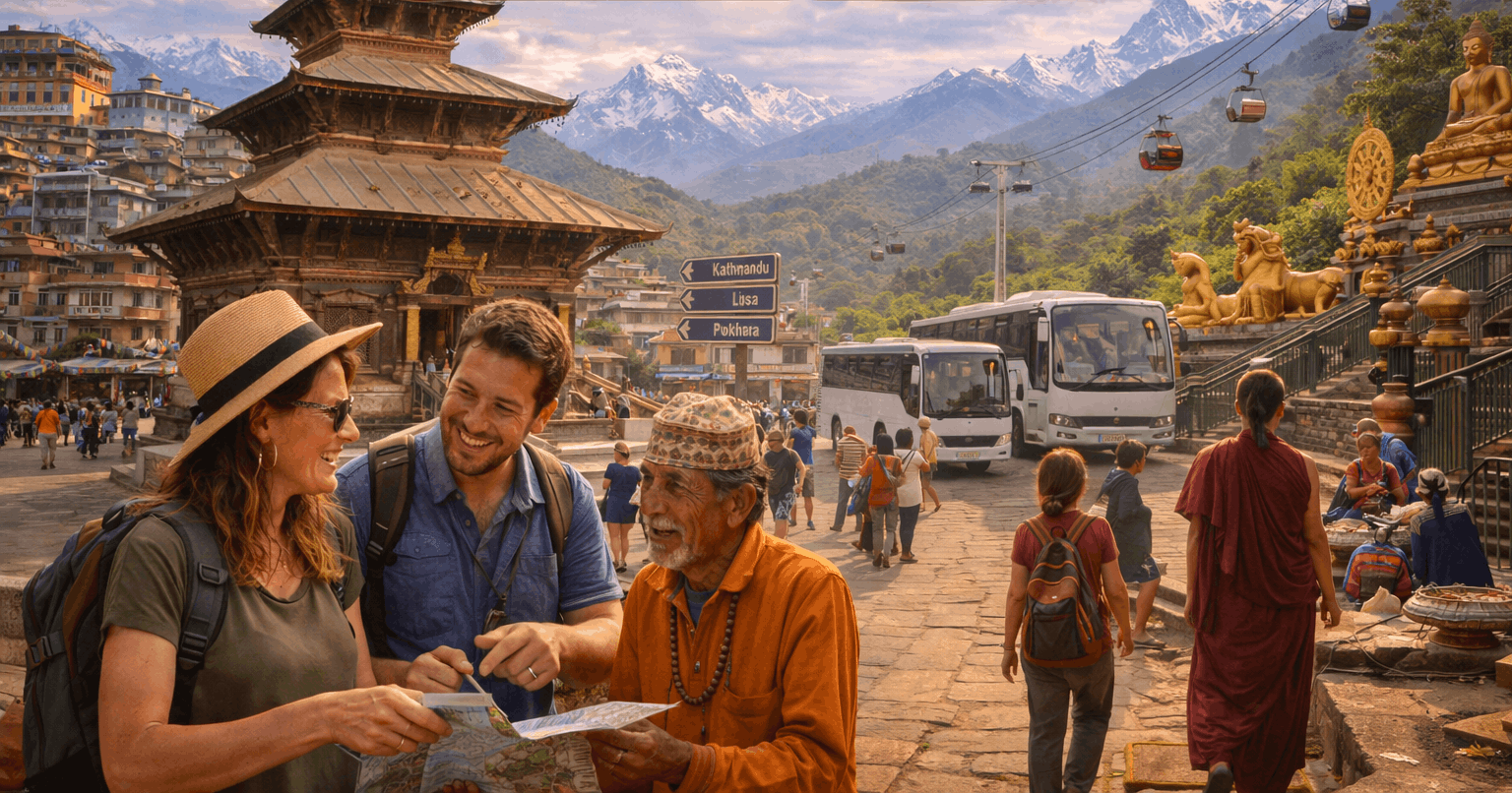
Tibet requires special permits beyond standard Chinese visas, making it significantly more complex to access than Nepal. Foreign travelers must obtain a Tibet Travel Permit through registered tour operators and join organized groups - independent travel remains prohibited. Additional permits are needed for sensitive border areas like Mount Kailash or Everest Base Camp on the Tibetan side.
Nepal welcomes independent travelers with simple visa-on-arrival procedures at Tribhuvan International Airport or land borders. Most nationalities receive 15-90 day tourist visas instantly. Only restricted areas like Upper Mustang or Manaslu require special permits, which are easily obtained through trekking agencies.
The bureaucratic hurdles in Tibet often limit cultural interactions to pre-planned activities, while Nepal's open-door policy allows spontaneous cultural discoveries and deeper local engagement.
Language Barriers and Communication Ease
English proficiency varies dramatically between both destinations. In Tibet's tourist areas, guides typically speak basic English, but conversations with locals often require translation. Mandarin Chinese serves as the official language, though many Tibetans prefer their native tongue in informal settings.
Nepal presents a more accessible linguistic landscape. English is widely spoken in Kathmandu, Pokhara, and major trekking routes. Many Nepalese working in tourism demonstrate impressive multilingual skills, speaking English, Hindi, and local dialects fluently. Rural areas might present challenges, but hand gestures and basic English usually suffice.
Cultural context plays a crucial role in communication. Nepalese people generally display more openness in discussing their traditions and beliefs, while political sensitivities in Tibet can limit deeper cultural conversations.
Cultural Site Preservation and Tourist Impact
Tibet's cultural sites face unique preservation challenges due to political history and rapid modernization. Many monasteries underwent reconstruction after the Cultural Revolution, creating questions about authenticity. Tourist numbers remain controlled through permit systems, reducing overcrowding but potentially limiting genuine cultural exposure.
Nepal struggles with different preservation issues - earthquake damage, inadequate funding, and overwhelming tourist numbers at popular sites like Pashupatinath and Boudhanath. However, active restoration efforts by UNESCO and local communities show promising results.
Both destinations grapple with balancing cultural preservation and economic benefits from tourism. Tibet's restricted access protects sites but limits authentic interactions, while Nepal's open access sometimes leads to cultural commodification but enables genuine community engagement.
Transportation and Accommodation Options
Tibet's transportation infrastructure focuses on organized tour requirements. The Tibet Railway from Beijing offers spectacular scenery but limits flexibility. Once in Tibet, tourists travel in designated vehicles with official guides, restricting spontaneous cultural encounters.
Accommodation ranges from basic guesthouses to luxury hotels, though options remain limited outside major centers. Most lodging caters to group tours rather than independent cultural exploration.
Nepal provides diverse transportation options from local buses to private vehicles. This flexibility enables travelers to discover hidden cultural gems in remote villages. Accommodation spans from budget teahouses run by local families to international hotel chains.
The homestay culture in Nepal creates authentic cultural exchanges where travelers share meals and daily life with local families. Tibet's accommodation restrictions often prevent such intimate cultural experiences, though luxury options provide comfort at the expense of authenticity.
Seasonal Cultural Activities and Festivals
Best Times to Experience Traditional Celebrations
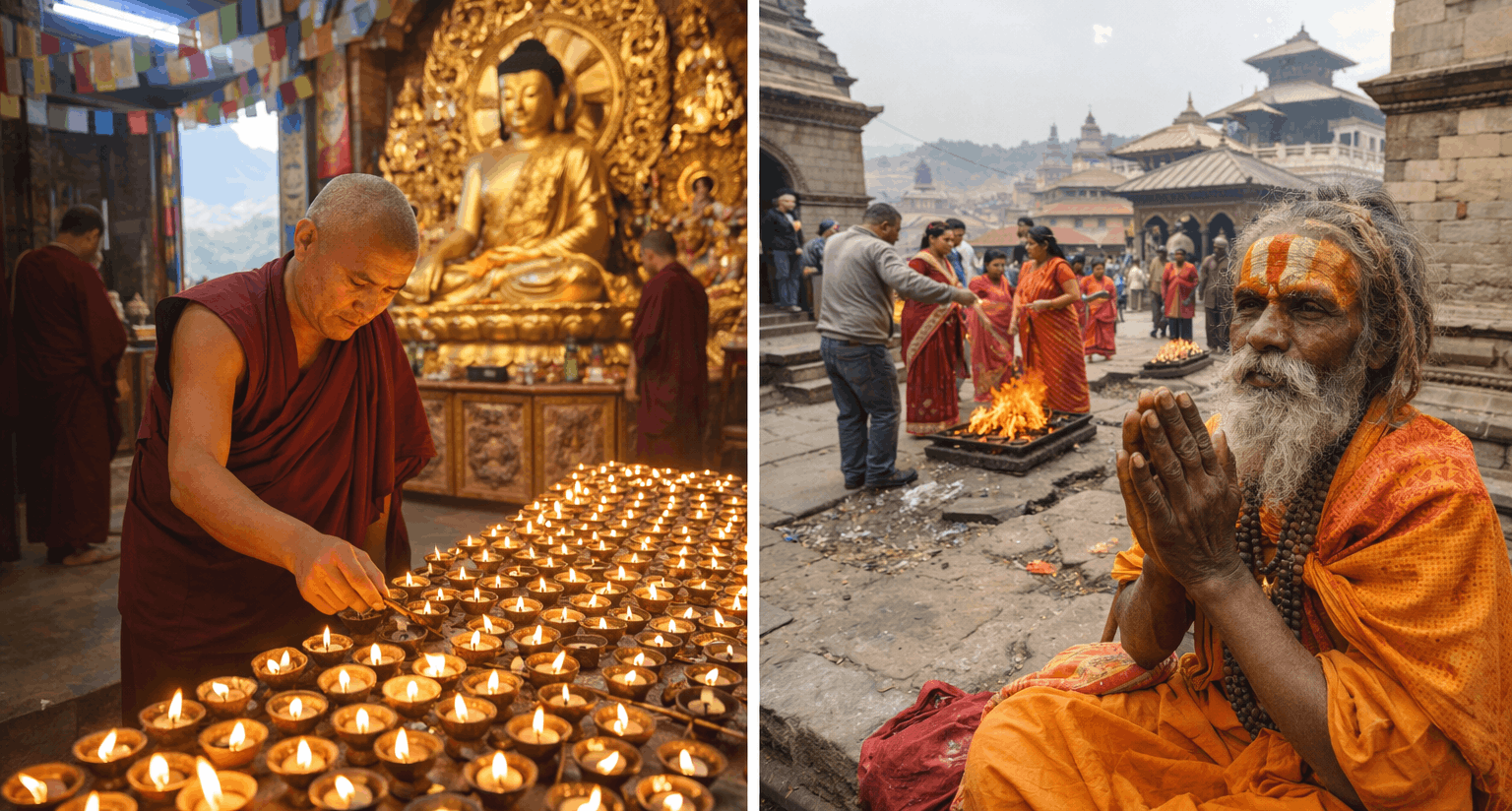
Spring brings some of the most spectacular cultural celebrations to both regions. Tibet's Losar (Tibetan New Year) typically falls in February or March, transforming monasteries and communities into vibrant celebration centers. Prayer flags flutter from rooftops, and locals dress in their finest traditional attire while performing ancient dances. Nepal counters with Holi in March, painting the entire country in brilliant colors as people celebrate the arrival of spring.
Summer months offer different but equally compelling experiences. Tibet's Shoton Festival in August combines opera performances with massive thangka unveilings at major monasteries like Sera and Drepung. The weather is perfect for outdoor celebrations, and you'll witness locals picnicking in monastery courtyards while enjoying traditional performances. Nepal's Gai Jatra festival during the same period creates a completely different atmosphere, with satirical street performances and colorful processions honoring deceased family members.
| Season | Tibet Highlights | Nepal Highlights |
| Spring | Losar celebrations, monastery festivals | Holi festival, Bisket Jatra |
| Summer | Shoton Festival, outdoor performances | Gai Jatra, Teej festival |
| Fall | Harvest celebrations, smaller local festivals | Dashain, Tihar festivals |
| Winter | Prayer festivals, indoor ceremonies | Maghe Sankranti, quieter observances |
Fall delivers the most intensive festival period for Nepal. Dashain and Tihar create weeks of continuous celebrations, with families reuniting and communities coming together for elaborate rituals. Tibet's autumn festivals are more subdued but deeply spiritual, focusing on harvest gratitude ceremonies and preparation for winter meditation retreats.
Weather Impact on Cultural Site Access
Mountain weather dramatically affects your cultural exploration opportunities in both destinations. Tibet's high altitude creates extreme temperature swings that directly impact monastery visiting hours and outdoor festival activities. During winter months, many remote monasteries become completely inaccessible due to snow-blocked roads, limiting your cultural immersion to major centers like Lhasa and Shigatse.
Nepal's diverse topography means weather affects different cultural sites differently. The Kathmandu Valley remains accessible year-round, but monsoon rains from June to September can make reaching hill stations and remote temples challenging. Ancient sites like Bhaktapur's Durbar Square become muddy and slippery, while mountain monasteries might be shrouded in clouds for days.
Tibet's peak cultural season runs from April to October when weather permits access to remote monasteries and high-altitude ceremonial sites. The clear, dry air during these months provides stunning visibility for mountain monastery visits and outdoor festival participation. Winter transforms the cultural experience entirely - indoor ceremonies become more intimate, but you'll miss the grand outdoor celebrations that define Tibetan festival culture.
Seasonal Religious Observances
Religious calendars in both regions follow lunar cycles, creating shifting celebration dates that vary annually. Tibet's spiritual calendar centers around major observances like Saga Dawa (celebrating Buddha's birth, enlightenment, and death) which typically falls in May or June. During this month, pilgrims multiply their merit through prostrations and offerings, creating incredible spiritual energy at sacred sites like Jokhang Temple.
Nepal's religious observances blend Hindu and Buddhist traditions throughout the year. The monsoon season brings Janai Purnima, when Hindu men change their sacred threads and Buddhist devotees honor protective deities. This creates unique opportunities to witness both religious traditions simultaneously at sites like Swayambhunath Stupa.
Winter religious observances differ significantly between regions. Tibet's harsh winters drive religious activities indoors, where monks engage in intensive debate sessions and philosophical studies. Visitors can participate in these scholarly exchanges, gaining deeper insights into Tibetan Buddhist philosophy. Nepal's milder winter weather allows for continued outdoor religious activities, including early morning prayers at Hindu temples and Buddhist circumambulation rituals.
The timing of religious observances also affects local community participation. During Tibet's summer religious festivals, nomadic families travel great distances to participate, bringing traditional crafts and regional specialties that enhance the cultural experience. Nepal's festival seasons see similar rural-to-urban migration, but the accessibility differences mean celebrations continue throughout various altitudes and climate zones simultaneously.
Conclusion
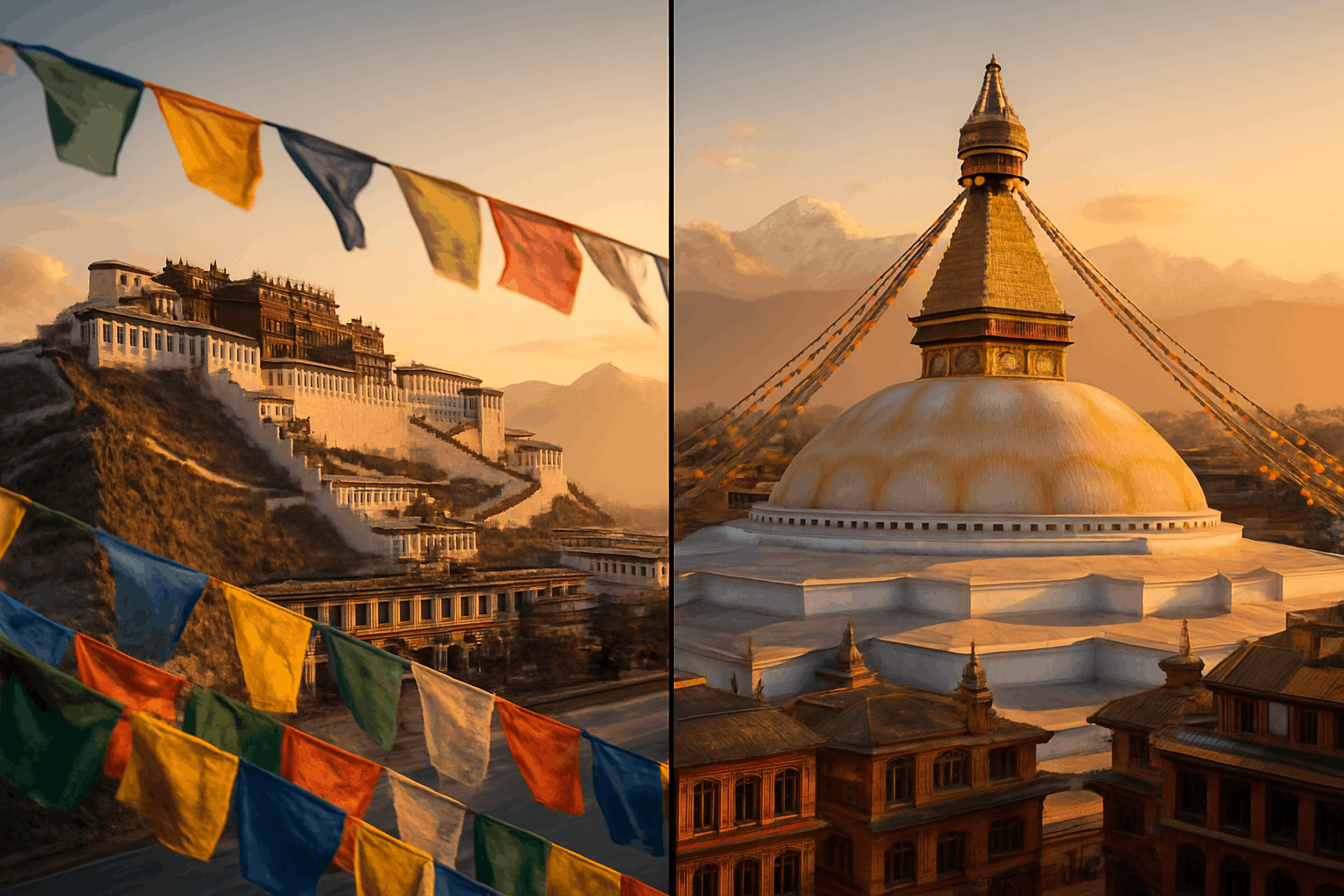
Both Tibet and Nepal offer incredible cultural journeys that will leave lasting impressions on any traveler. Tibet stands out with its deeply rooted Buddhist traditions, stunning monasteries, and the unique experience of high-altitude Himalayan culture. The spiritual atmosphere is almost tangible, and interactions with monks and locals provide genuine insights into a way of life that has remained largely unchanged for centuries. However, getting there requires more planning and dealing with travel restrictions.
Nepal brings its own magic through the bustling streets of Kathmandu, diverse ethnic communities, and easier access to cultural sites and festivals. The country's religious diversity creates a fascinating blend where Hindu temples sit next to Buddhist stupas, and you can witness everything from colorful Holi celebrations to solemn prayer ceremonies. The warm hospitality of Nepali people and the country's well-developed tourism infrastructure make cultural exploration more straightforward and budget-friendly.
Your choice really comes down to what kind of cultural adventure speaks to you. If you're drawn to remote, spiritual experiences and don't mind the extra effort to get there, Tibet will reward you with something truly extraordinary. If you prefer diverse cultural experiences with easier logistics and want to dive deep into South Asian traditions, Nepal is your perfect match. Either way, you're in for an unforgettable cultural journey.