Bhutan, the world's last remaining Himalayan kingdom, offers some of the most spectacular and untouched trekking experiences on Earth. This guide is perfect for adventure travelers, hiking enthusiasts, and anyone seeking authentic cultural experiences beyond crowded tourist trails.
Hidden between Tibet and India, this carbon-negative Buddhist kingdom requires visitors to book through licensed tour operators, making every trek feel exclusive and well-organized. The country's "Gross National Happiness" philosophy creates a unique atmosphere where pristine landscapes meet ancient monasteries and friendly locals who still wear traditional dress daily.
We'll explore why Bhutan stands out as a premier trekking destination, covering everything from beginner-friendly valley walks to challenging high-altitude routes that rival Nepal's famous trails. You'll discover the top-rated Bhutan trek tours that cater to different fitness levels and interests, from cultural immersion treks visiting remote monasteries to hardcore mountain adventures crossing 5,000-meter passes.
We'll also break down what makes each trekking route special, helping you choose between iconic trails like the Snowman Trek and lesser-known gems that showcase Bhutan's incredible biodiversity and traditional villages.
Why Bhutan Should Be Your Next Trekking Destination
Experience the Last Shangri-La Before It Changes Forever
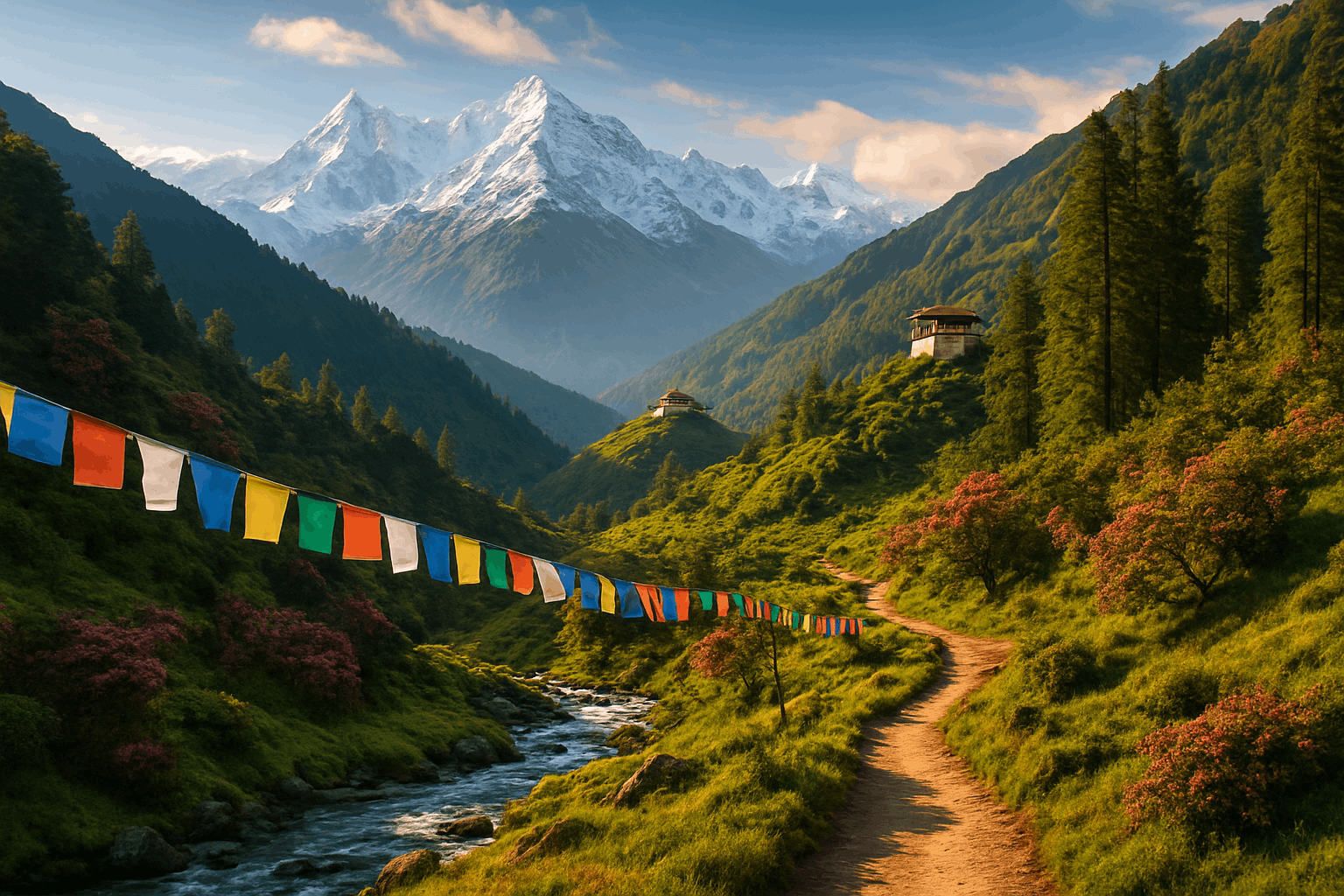
Bhutan stands as the world's last Himalayan kingdom, maintaining its mystical charm while the modern world rapidly evolves around it. This extraordinary nation has successfully preserved its traditional culture, architecture, and way of life through careful governance and a philosophy of Gross National Happiness over Gross Domestic Product. The kingdom's "high value, low impact" tourism policy means only a limited number of visitors can experience its wonders each year, making every trek here an exclusive privilege.
The dramatic landscapes remain untouched by mass tourism, offering trekkers authentic encounters with yak herders, traditional villages, and ancient customs that have persisted for centuries. Prayer flags flutter across mountain passes while monks continue their daily rituals in remote monasteries, creating an atmosphere that feels suspended in time. As global connectivity increases and younger generations embrace technology, this authentic mountain kingdom faces inevitable change, making now the perfect time to witness Bhutan in its most pristine state.
Trek Through Carbon-Negative Kingdom's Pristine Wilderness
Bhutan proudly holds the distinction of being the world's only carbon-negative country, absorbing more carbon dioxide than it produces. The constitution mandates that at least 60% of the country must remain under forest cover, ensuring that trekking routes wind through some of the most pristine wilderness on Earth. Dense rhododendron forests burst with color during spring months, while ancient blue pine and fir trees create cathedral-like canopies along mountain trails.
The kingdom's commitment to environmental conservation means wildlife thrives in protected habitats. Trekkers regularly spot rare blue sheep, takin (the national animal), and if fortunate, snow leopards in higher elevations. Bird enthusiasts can identify over 770 species, including the vulnerable black-necked crane that migrates to Bhutan's high valleys. Crystal-clear streams cascade down mountainsides, providing pure drinking water throughout most trekking routes. This environmental stewardship creates an ecosystem where nature and human activity exist in perfect harmony, offering trekkers an immersive experience in truly unspoiled wilderness.
Discover Ancient Buddhist Monasteries Along Mountain Trails
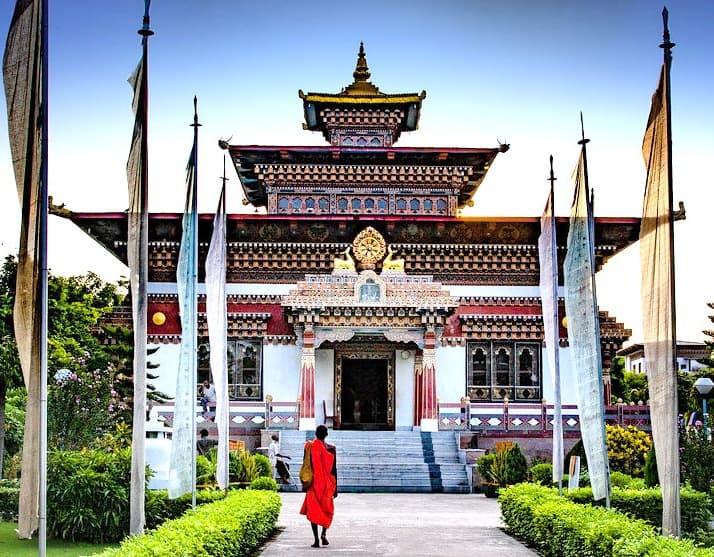
Buddhist spirituality permeates every aspect of Bhutanese life, and mountain trails naturally lead to sacred sites that have served as meditation retreats for centuries. Remote monasteries cling to cliffsides and valley floors, their colorful prayer flags and spinning wheels creating focal points of spiritual energy along trekking routes. The famous Tiger's Nest Monastery (Paro Taktsang) represents just one of hundreds of sacred sites accessible through trekking.
Many trails pass meditation caves where legendary saints spent years in solitary practice, and trekkers often encounter pilgrims making their own spiritual journeys. Monastery visits provide opportunities to witness morning prayers, butter lamp offerings, and traditional ceremonies that connect visitors to Bhutan's deep spiritual heritage. Local guides, often practicing Buddhists themselves, share stories and teachings that transform simple walks into meaningful spiritual experiences. The sound of temple bells echoing across valleys and the sight of monks in maroon robes create an atmosphere of peace and reflection that enhances every mountain adventure.
Enjoy Small Group Sizes and Exclusive Access
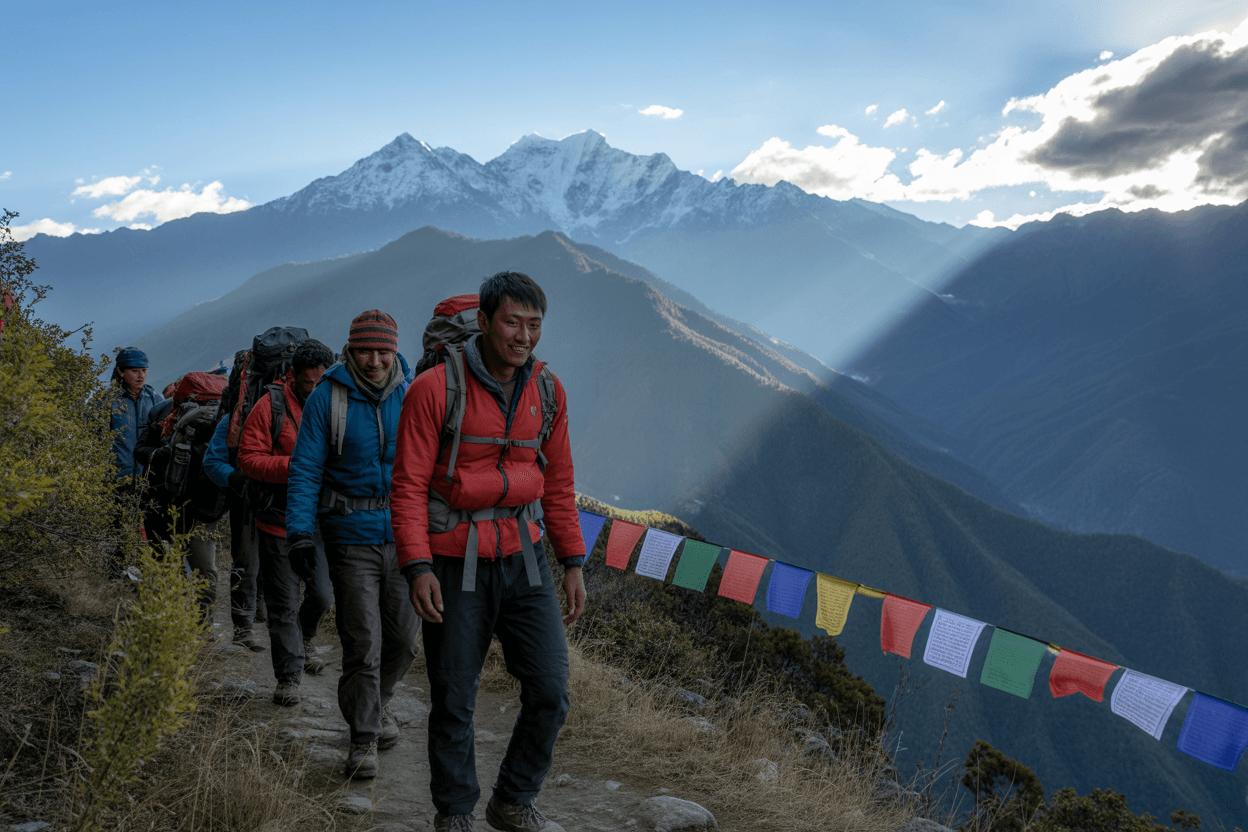
Bhutan's tourism regulations naturally limit group sizes and total visitor numbers, creating an intimate trekking experience impossible to find in other popular Himalayan destinations. While Nepal's Everest Base Camp trail sees thousands of trekkers daily, Bhutan's most popular routes might host only a few dozen visitors during peak season. This exclusivity means pristine campsites, uncrowded trails, and genuine interactions with local communities that aren't overwhelmed by constant tourist traffic.
Small group dynamics foster deeper connections between trekkers and create opportunities for personalized attention from guides and support staff. Remote valleys and high-altitude lakes remain virtually untouched, offering photographers perfect conditions without crowds. Local porters and guides develop personal relationships with group members, sharing cultural insights and mountain knowledge that larger groups simply cannot accommodate. This intimate approach transforms each trek into a private expedition through one of the world's most exclusive mountain destinations.
Top-Rated Bhutan Trek Tours for Every Adventure Level

Gentle Cultural Walks for Beginners and Families
These easier trek options blend light hiking with deep cultural immersion, perfect for those new to trekking or traveling with children. The Thimphu Valley Day Walks take you through traditional villages, terraced farmlands, and local monasteries without demanding overnight camping or strenuous climbs. Families can explore ancient temples like Tango and Cheri monasteries while enjoying relatively flat terrain and well-maintained trails.
The Punakha Valley Cultural Trek spans 2-3 days with comfortable lodge accommodations each night. This route winds through rhododendron forests, traditional Bhutanese villages, and offers spectacular views of the Punakha Dzong. Kids love spotting prayer flags fluttering in the wind and watching monks go about their daily routines.
For a taste of Bhutan's spiritual side, the Tiger's Nest Monastery Trek remains accessible to most fitness levels. While the 3-hour round trip involves some uphill sections, the switchback trail is well-paved, and the payoff is extraordinary - reaching Bhutan's most iconic clifftop monastery.
Most beginner treks include cultural activities like traditional archery lessons, visits to local farms where you can try yak cheese, and evening sessions learning about Buddhist philosophy. These gentler options prove that you don't need extreme physical challenges to experience Bhutan's magic.
Moderate Multi-Day Treks Through Sacred Valleys
Multi-day adventures offer the sweet spot between accessibility and an authentic wilderness experience. The Druk Path Trek stands out as the most popular 4-6 day journey, connecting Paro and Thimphu through high-altitude lakes, ancient monasteries, and pristine alpine meadows. Trekkers sleep in tents at elevations between 3,500 and 4,200 meters, experiencing dramatic weather changes and crystal-clear mountain views.
The Bumthang Cultural Trek provides a unique blend of moderate hiking with deep cultural encounters across 3-4 days. This route passes through several valleys in central Bhutan, visiting traditional villages where families still live much as their ancestors did centuries ago. You'll cross mountain passes decorated with colorful prayer flags and camp near sacred sites where local festivals take place.
| Trek Name | Duration | Max Elevation | Difficulty | Best Season |
| Druk Path | 4-6 days | 4,200m | Moderate | Mar-May, Sep-Nov |
| Bumthang Cultural | 3-4 days | 3,800m | Moderate | Sep-Nov, Mar-May |
| Dagala Thousand Lakes | 5-7 days | 4,720m | Moderate+ | Sep-Oct |
These treks require reasonable fitness but don't demand technical climbing skills. Daily walking ranges from 4-7 hours with regular rest stops at tea houses or scenic viewpoints.
Challenging High-Altitude Expeditions for Experienced Hikers
Serious trekkers seeking ultimate adventure will find Bhutan's remote high-altitude routes among Asia's most rewarding challenges. The Snowman Trek ranks as one of the world's most difficult treks, spanning 25 days across multiple 5,000+ meter passes. This expedition ventures into completely untouched wilderness where you might not see another human for days.
The Lunana Trek pushes experienced hikers through Bhutan's most isolated region, home to some of the planet's last unspoiled Himalayan communities. This 19-day odyssey crosses five high passes, including the formidable Karakachu La at 5,115 meters. Trekkers camp beside glacial lakes where temperatures can drop below -10°C even in summer.
Technical requirements for these expeditions include:
- Previous experience trekking at altitudes above 4,000 meters
- Excellent cardiovascular fitness and endurance
- Mental preparation for extreme weather and isolation
- Proper high-altitude gear, including mountaineering boots and expedition tents
The Jhomolhari Base Camp Trek offers a slightly more accessible high-altitude option at 12-14 days. This route takes seasoned hikers to the base of Bhutan's sacred 7,326-meter peak, crossing the challenging Nyile La pass at 4,870 meters.
These expeditions require months of physical preparation and cost significantly more due to extended logistics, specialized equipment, and emergency evacuation insurance. Weather windows are extremely limited, typically just September through early October.
Must-Visit Trekking Routes That Showcase Bhutan's Best
.png)
Paro Taktsang Tiger's Nest Monastery Day Hike
This iconic monastery perches dramatically on a cliff face 3,120 meters above sea level, making it Bhutan's most photographed landmark. The three-hour hike winds through pine forests decorated with colorful prayer flags, offering breathtaking views of the Paro Valley below. Legend says Guru Rinpoche flew here on the back of a tigress in the 8th century, meditating in the cave for three years, three months, three weeks, and three days.
The trail starts gently through blue pine and rhododendron forests before steepening as you approach the monastery. Prayer wheels line sections of the path, and the sweet scent of juniper incense drifts from small shrines. About halfway up, a charming cafeteria serves traditional butter tea and provides the perfect photo opportunity with the monastery backdrop.
Inside the monastery complex, golden Buddhas gleam in candlelit chambers while monks in maroon robes chant prayers that echo off ancient walls. The spiritual energy feels palpable as you explore temples dedicated to different Buddhist deities. Photography inside is prohibited, allowing visitors to fully absorb the sacred atmosphere without distractions.
Druk Path Trek Through Rhododendron Forests
Spanning six days between Paro and Thimphu, this moderate trek showcases Bhutan's pristine alpine wilderness at elevations between 2,400 and 4,200 meters. Ancient trading routes connect sacred lakes where rainbow trout swim in crystal-clear waters reflecting snow-capped peaks. During the spring months, pink and white rhododendrons bloom across entire mountainsides, creating natural gardens that seem almost surreal.
The trail passes through mixed forests of blue pine, fir, and juniper, home to colorful birds like the Himalayan monal and blood pheasant. Camp beside turquoise lakes, including Jimilang Tsho and Simkotra Tsho, where yak herders still graze their animals following centuries-old traditions. Clear nights reveal star-studded skies unpolluted by artificial lights, perfect for spotting constellations while warming up around campfires.
Highlight moments include crossing Labana Pass at 4,110 meters, where prayer flags flutter against dramatic mountain backdrops, and visiting ancient meditation retreats hidden in remote valleys. The trek concludes at Motithang, just outside Thimphu, where civilization gradually reappears through terraced fields and traditional farmhouses.
Snowman Trek to Base Camps of Unclimbed Peaks
Considered one of the world's most challenging high-altitude treks, this 25-day odyssey ventures deep into Bhutan's remote Lunana region, where few humans have ever set foot. The trail crosses eleven high-altitude passes, including Rinchen Zoe La at 5,320 meters, offering close encounters with unclimbed giants like Gangkar Puensum, the world's highest unclimbed mountain at 7,570 meters.
The journey begins in Nikka Chhu Valley, gradually ascending through temperate forests before entering the stark, otherworldly landscape of the Tibetan plateau. Here, massive glaciers feed crystal-clear streams while snow leopards and blue sheep roam freely across vast expanses of alpine tundra. The remoteness is profound – supply drops happen only twice during the entire trek.
Lunana village appears like a mirage after days of wilderness camping, its stone houses and barley fields supporting one of the world's most isolated communities. Villagers still practice ancient traditions largely unchanged for centuries, welcoming trekkers with warm hospitality and homemade chang (barley wine). The trek requires excellent fitness, mental preparation, and flexibility as weather conditions can change rapidly at these extreme altitudes.
Bumthang Cultural Trek Through Traditional Villages
This eight-day moderate trek combines stunning mountain scenery with deep cultural immersion through Bhutan's spiritual heartland. The route connects ancient temples, meditation retreats, and traditional villages where daily life follows rhythms established over centuries. Unlike more remote treks, comfortable farmhouse accommodations allow meaningful interactions with local families.
The trail begins in Jakar, Bumthang's main town, winding through golden buckwheat fields and apple orchards before climbing into mixed forests of oak, maple, and rhododendron. Traditional dzongs (fortresses) and gompas (monasteries) dot the landscape, many still functioning as active religious centers where monks maintain Buddhist traditions passed down through generations.
Village stops include Tang and Dur, where families practice traditional crafts like weaving yak wool and brewing ara (local spirit) from red rice. Evening meals feature authentic Bhutanese cuisine – ema datshi (chili cheese), red rice, and vegetables grown in organic family gardens. The trek's highlight is visiting Ugyencholing Palace, a preserved 19th-century manor house showcasing traditional architecture and noble family artifacts.
| Trek Difficulty | Duration | Best Season | Highlights |
| Tiger's Nest | Easy | Mar-May, Sep-Nov | Iconic monastery, cultural immersion |
| Druk Path | Moderate | Oct-Nov, Mar-May | Alpine lakes, rhododendrons |
| Snowman | Extreme | Sep-Oct | Unclimbed peaks, ultimate wilderness |
| Bumthang Cultural | Moderate | Oct-Nov, Mar-Apr | Traditional villages, farmhouse stays |
What to Expect During Your Bhutan Trek Experience
Traditional Bhutanese Cuisine on Mountain Trails
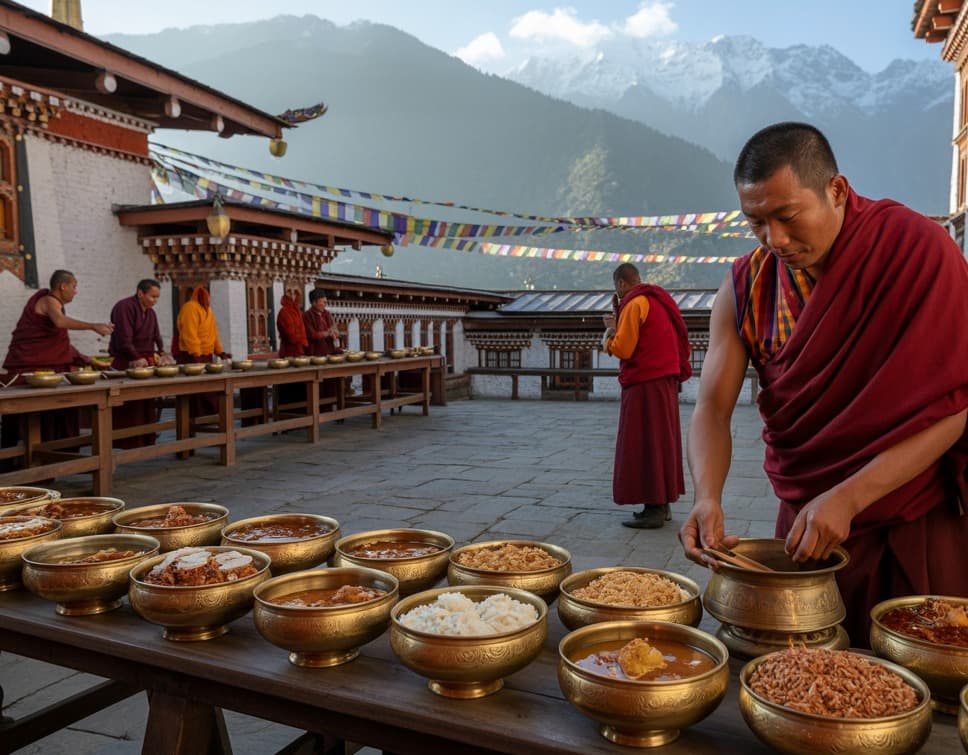
Mountain trekking in Bhutan means discovering an incredible world of flavors that will surprise and delight you. Local cooks prepare authentic meals using fresh ingredients sourced from nearby villages, creating an authentic taste of Bhutanese culture right on the trail.
Ema datshi, Bhutan's national dish of chilies and yak cheese, becomes a warming comfort food after long hiking days. Trek kitchens also serve red rice - a nutty, nutritious grain that grows in Bhutan's high-altitude valleys. You'll taste momos (steamed dumplings), thukpa (hearty noodle soup), and yaksha shakam (dried yak meat) that provides essential protein for mountain activities.
Butter tea, made with yak butter and salt, might taste unusual at first, but it quickly becomes a beloved energy booster. This traditional drink helps your body adjust to high altitudes while keeping you warm during chilly mountain mornings.
Many trek operators work with local communities to source ingredients, meaning your meals support village economies. Fresh vegetables like turnips, radishes, and leafy greens often come from terraced gardens you'll pass during your hike.
Comfortable Camping Setup with Local Guide Support
Professional Bhutan trek operators provide fully-equipped camping gear designed for mountain conditions. Your camping setup includes weatherproof tents, sleeping bags rated for mountain temperatures, and insulated sleeping pads that keep you comfortable on rocky terrain.
Experienced local guides and support staff handle all camp setup and breakdown, allowing you to focus on enjoying the trek experience. These teams arrive at campsites before trekkers, ensuring hot meals and ready shelters await your arrival each evening.
Dining tents provide communal spaces for meals and socializing, complete with tables, chairs, and sometimes even solar lighting. Kitchen crews set up cooking areas away from sleeping zones, maintaining hygiene standards while preparing fresh meals daily.
Portable toilet facilities and hand-washing stations maintain sanitation standards in remote locations where permanent facilities don't exist. Many operators now use eco-friendly camping practices, including biodegradable soaps and proper waste management systems.
Local guides bring invaluable knowledge about weather patterns, helping teams adjust camping locations when conditions change. Their expertise in reading mountain weather keeps groups safe while maintaining comfort levels throughout the trek.
Wildlife Spotting Opportunities in Protected National Parks
Bhutan's pristine national parks protect some of the Himalayas' most diverse wildlife, and trekking routes pass through these protected areas regularly. Blue poppies, Bhutan's national flower, bloom in high-altitude meadows during spring and early summer months.
Himalayan black bears inhabit dense forest areas, while red pandas live in bamboo groves at middle elevations. Snow leopards roam the highest peaks, though spotting these elusive cats requires patience and luck. More commonly seen animals include Himalayan blue sheep, musk deer, and various pheasant species.
Bird watching enthusiasts can spot over 770 species recorded in Bhutan, including rare high-altitude varieties. Golden eagles soar above treeline areas, while colorful tragopans and blood pheasants inhabit rhododendron forests. Dawn and dusk provide the best wildlife viewing opportunities when animals are most active.
Experienced local guides know animal behavior patterns and seasonal migration routes, significantly increasing your chances of wildlife encounters. They carry spotting scopes and know the best observation points along trekking routes.
Photography enthusiasts should bring telephoto lenses for wildlife shots while maintaining respectful distances from animals. Many national park areas restrict flash photography to avoid disturbing wildlife behavior patterns.
Cultural Interactions with Himalayan Communities
Remote mountain villages along trekking routes offer authentic glimpses into traditional Himalayan life that has remained unchanged for centuries. Villagers often invite trekkers for tea, sharing stories about their daily lives while demonstrating traditional crafts like weaving and wood carving.
Children in these communities may have limited contact with outside visitors, making cultural exchanges especially meaningful for both trekkers and locals. Simple gifts like pens, notebooks, or photos from your home country create lasting connections across cultural boundaries.
Monastery visits form integral parts of most trekking routes, where monks welcome visitors to observe prayer ceremonies and meditation practices. These spiritual encounters provide insights into Buddhism's role in shaping Bhutanese culture and daily life.
Traditional architecture showcases incredible craftsmanship, with houses built entirely without nails using interlocking wooden joints. Villagers often demonstrate traditional farming techniques, including terrace cultivation methods passed down through generations.
Local festivals sometimes coincide with trekking seasons, offering opportunities to witness traditional dances, music performances, and religious celebrations. Village elders share oral histories and legends connected to specific locations along trekking routes, enriching your understanding of the landscape's cultural significance.
Respectful behavior includes removing shoes before entering homes, accepting offered refreshments graciously, and asking permission before photographing people or religious sites.
How to Choose the Right Bhutan Trek Tour Operator
-0.png)
Certifications and Local Partnerships That Matter
When selecting a Bhutan trek tour operator, look for companies that hold proper licensing from the Tourism Council of Bhutan (TCB). This certification ensures your operator meets the country's strict tourism standards and maintains sustainable practices. Authentic operators also partner directly with local Bhutanese agencies rather than working through multiple middlemen, which means better prices and more reliable services for you.
Check if your operator has international certifications like ATTO (Adventure Tour Trade Organization) or similar adventure tourism accreditations. These memberships demonstrate commitment to safety standards and ethical tourism practices. The best operators maintain long-standing relationships with local guides, porters, and communities, creating authentic experiences while ensuring fair wages and working conditions.
Ask about their partnerships with local monasteries, villages, and conservation groups. Operators who actively support local communities through employment and cultural exchange programs often provide richer, more meaningful experiences. They also tend to have better access to remote areas and cultural sites that might be off-limits to less established companies.
Group Size Options and Customization Flexibility
Quality trek operators offer various group size options to match different travel styles and budgets. Small groups of 4-8 people typically provide more personalized attention and flexibility in itinerary adjustments, while larger groups of 10-16 people often come with lower per-person costs. Private treks offer maximum customization but require higher investment.
The best operators allow you to modify standard itineraries based on your fitness level, interests, and time constraints. This might include adding extra acclimatization days, incorporating cultural activities like cooking classes or monastery visits, or extending treks to include additional peaks or valleys. Flexible operators can accommodate dietary restrictions, celebrate special occasions during your trek, or adjust daily hiking distances based on group preferences.
Look for companies that offer pre-trek consultations to understand your specific needs. They should be willing to discuss alternative routes if weather conditions change or if group members have different fitness levels. Operators who provide detailed day-by-day breakdowns and remain open to reasonable modifications during the trek demonstrate genuine customer care.
Safety Standards and Emergency Response Protocols
Professional Bhutan trek operators maintain comprehensive safety protocols including emergency evacuation plans, first aid equipment, and communication devices for remote areas. Your operator should carry satellite phones or GPS emergency beacons on all treks, especially those venturing into high-altitude regions where cell coverage becomes unreliable.
Experienced operators employ guides with wilderness first aid certification and altitude sickness recognition training. They should provide detailed briefings about potential risks, weather patterns, and emergency procedures before starting any trek. Quality companies also maintain partnerships with helicopter evacuation services and have established protocols for medical emergencies in remote locations.
Insurance requirements deserve careful attention. Reputable operators require comprehensive travel insurance that covers helicopter evacuation from high altitudes and adventure activities. They should provide clear guidance on policy requirements and help verify that your coverage meets Bhutan's specific needs. Some operators offer their own emergency insurance supplements for additional peace of mind.
Check if your operator conducts regular safety equipment inspections and provides backup gear for essential items. They should monitor weather forecasts closely and make responsible decisions about route changes or trek cancellations when conditions become dangerous. The best companies prioritize safety over schedule adherence and never pressure clients to continue in unsafe conditions.
Conclusion
.png)
Bhutan offers some of the world's most spectacular trekking experiences, combining pristine mountain landscapes with rich Buddhist culture and warm local hospitality. From beginner-friendly valley walks to challenging high-altitude adventures like the Snowman Trek, there's a perfect route for every type of traveler. The kingdom's commitment to sustainable tourism means you'll explore untouched wilderness while supporting local communities.
Choosing the right trek tour operator makes all the difference in your Bhutan adventure. Look for companies with strong local connections, experienced guides, and a genuine commitment to responsible travel practices. Don't just pick the cheapest option – invest in a quality operator who can provide authentic cultural experiences, ensure your safety, and help you make the most of your time in this magical kingdom. Start planning your Bhutan trek today and prepare for an adventure that will stay with you forever.