• Whatsapp, Viber+977 980-1956245

No recent searches!

    Durk Holidays Pvt Ltd
      • 3 Nights 4 Days - Best Bhutan Tour - 4 days
      • 4 Nights 5 Days Bhutan Magical Tour - 5 days
      • Golden Triangle Bhutan Tour - 6 Days - 6 days
      • A Seven-Day Majestic Bhutan Tour - 7 days
      • 12 Days Nepal and Bhutan Tour - 12 days
      • Nepal Trekking
        • Everest Base Camp Trek - 14 days
        • Annapurna Base Camp Trek - 13 days
        • Ghorepani Poon Hill Trek - 10 days
        • Mardi Himal Trek - 11 days
        • Langtang Valley Trek - 10 days
      • Nepal Tours
      • Nepal and Tibet Cultural Sightseeing Tour - 14 days
      • Tibet Cultural Tour - 8 Days - 8 days
      • 7 Nights 8 Days Lhasa, Everest Base Camp, and Kerung Tour - 8 days
      • Chele La Trek Bhutan - 7 Days - 7 days
      • Dagala Thousand Lakes Trek - 6 Days - 6 days
      • Druk Path Trek - 9 Days - 9 days
      • Laya Gasa Trek - 17 Days - 17 days
      • Bhutan Snowman Trek - 27 days
      • Gear Lists
        • Bhutan Tour and Trek Gear Lists
        • Nepal Tour and Trek Gear Lists
        • Tibet Tour and Trek Gear Lists
      • Travel Advisory
        • Travel Insurance
        • COVID-19 Travel Update
      • Pre-Departure Checklist
        • Pre-Departure Checklist for Bhutan
        • Pre-Departure Checklist for Nepal
        • Pre-Departure Checklist for Tibet
      • Visa and Entry Requirements
        • Visa and Entry Requirements for Bhutan
        • Visa and Entry Requirements for Nepal
        • Visa and Entry Requirements for Tibet
      • Currency and Money Matters
      • Cultural Etiquette
      • Weather and Climate
      • Communication and Connectivity
      • Local Cuisine and Dining
      • Travel Tips
      • Druk Holidays and Responsible Tourism
      • Core Values
      • Terms & Conditions
      • Why Druk Holidays?
      • Work With Us
      • Our Team
        • Druk Holidays and Responsible Tourism
        • Core Values
        • Terms & Conditions
        • Why Druk Holidays?
        • Work With Us
        • Druk Holidays Team
    • Contact Us
    • Home
    • Enquire us
    • Whatsapp
    • Search
    Durk Holidays Pvt Ltd+977 980-1956245Whatsapp, Viber
    • Bhutan Tours
      • 3 Nights 4 Days - Best Bhutan Tour - 4 days
      • 4 Nights 5 Days Bhutan Magical Tour - 5 days
      • Golden Triangle Bhutan Tour - 6 Days - 6 days
      • A Seven-Day Majestic Bhutan Tour - 7 days
      • 12 Days Nepal and Bhutan Tour - 12 days
    • Nepal
      • Nepal Trekking
        • Everest Base Camp Trek - 14 days
        • Annapurna Base Camp Trek - 13 days
        • Ghorepani Poon Hill Trek - 10 days
        • Mardi Himal Trek - 11 days
        • Langtang Valley Trek - 10 days
      • Nepal Tours
    • Tibet Tours
      • Nepal and Tibet Cultural Sightseeing Tour - 14 days
      • Tibet Cultural Tour - 8 Days - 8 days
      • 7 Nights 8 Days Lhasa, Everest Base Camp, and Kerung Tour - 8 days
    • Bhutan Trekking
      • Chele La Trek Bhutan - 7 Days - 7 days
      • Dagala Thousand Lakes Trek - 6 Days - 6 days
      • Druk Path Trek - 9 Days - 9 days
      • Laya Gasa Trek - 17 Days - 17 days
      • Bhutan Snowman Trek - 27 days
    • Useful Info
      • Gear Lists
        • Bhutan Tour and Trek Gear Lists
        • Nepal Tour and Trek Gear Lists
        • Tibet Tour and Trek Gear Lists
      • Travel Advisory
        • Travel Insurance
        • COVID-19 Travel Update
      • Pre-Departure Checklist
        • Pre-Departure Checklist for Bhutan
        • Pre-Departure Checklist for Nepal
        • Pre-Departure Checklist for Tibet
      • Visa and Entry Requirements
        • Visa and Entry Requirements for Bhutan
        • Visa and Entry Requirements for Nepal
        • Visa and Entry Requirements for Tibet
      • Currency and Money Matters
      • Cultural Etiquette
      • Weather and Climate
      • Communication and Connectivity
      • Local Cuisine and Dining
      • Travel Tips
    • Company
      • Druk Holidays and Responsible Tourism
      • Core Values
      • Terms & Conditions
      • Why Druk Holidays?
      • Work With Us
      • Our Team
        • Druk Holidays and Responsible Tourism
        • Core Values
        • Terms & Conditions
        • Why Druk Holidays?
        • Work With Us
        • Druk Holidays Team
    • Contact Us
    Contact Us
    • +977 980-1956245
    • [email protected]
    • Swayambhu Marg, Nayabazer 16, P.O.Box: 48600, Kathmandu, Nepal
    Hotel Wood Apple

    Durk Holidays - Himalaya Holiday Specialist more...

    Contact Us

    • #
    • [email protected]
    • Swayambhu Marg, Nayabazer 16, P.O.Box: 48600, Kathmandu, Nepal
    Book Now Call Us

    Subscribe Newsletter

    To receive travel updates via email

    • Druk Holidays

      OUR ADDRESS

      Swayambhu Marg, Nayabazer 16, P.O.Box: 48600, Kathmandu, Nepal
    • Whatsapp or Phone

      +977-980-1956245
      (Resham K Shrestha)
    • Send us mail

      [email protected], [email protected]
    • Find us on

    Bhutan Tours

    • 3 Nights 4 Days - Best Bhutan Tour - 4 days
    • 4 Nights 5 Days Bhutan Magical Tour - 5 days
    • Golden Triangle Bhutan Tour - 6 Days - 6 days
    • A Seven-Day Majestic Bhutan Tour - 7 days
    • 12 Days Nepal and Bhutan Tour - 12 days

    About Us

    • Druk Holidays and Responsible Tourism
    • Core Values
    • Terms & Conditions
    • Why Druk Holidays?
    • Work With Us
    © 2015 - 2026 Druk Holidays. All Rights Reserved.
    Card
    1. Home
    2. Tibet Tour
    3. Nepal and Tibet Cultural Sightseeing Tour

    Nepal and Tibet Cultural Sightseeing Tour

    5/5 from 5 reviews
    • Overview
    • Itinerary
    • Cost Detail
    • Useful info
    • Reviews
    • Faqs

    Trip Fact

    • DestinationTibet Tour
    • Durations14 days
    • Group Size15+

    Overview

    Embark on a captivating journey with Druk Holidays as we present the Nepal and Tibet Cultural Sightseeing Tour. This meticulously crafted 14-day expedition transcends the ordinary, offering an immersive exploration of the rich tapestries of Nepal and Tibet. From the historic streets of Kathmandu Valley to the spiritual heights of Lhasa, each destination is selected to provide a profound insight into the diverse cultures, religions, and landscapes that define these regions.

    This tour is not just a vacation; it's a passage through time and tradition. You will marvel at the ancient wonders of Patan and Bhaktapur, unwind in the serene settings of Nagarkot, and experience the vibrant city life of Pokhara. Crossing into Tibet, the roof of the world, you’ll encounter awe-inspiring sites such as the majestic Potala Palace and the sacred monasteries of Gyantse and Tsedang. Druk Holidays ensures a seamless experience with luxurious accommodations, expert guides, and thoughtful inclusions designed to enrich your journey at every turn.


    Kathmandu Valley Exploration

    Join Druk Holidays on an unforgettable segment of the Nepal and Tibet Cultural Sightseeing Tour as we delve into the historic and cultural heart of the Kathmandu Valley. This exploration is not just a journey through places, but a passage through time, uncovering the layers of history, religion, and culture that make this region a mosaic of captivating experiences.

    • Swayambhunath Stupa (Monkey Temple): Begin your tour with a visit to one of the most ancient and holy shrines in the Kathmandu Valley, Swayambhunath Stupa. Perched on a hilltop, it offers panoramic views of the city below. Known affectionately as the 'Monkey Temple', this site is a beautiful blend of Buddhist and Hindu symbolism.
    • Pashupatinath Temple: Explore the sacred Hindu temple of Pashupatinath, situated on the banks of the Bagmati River. This temple is a significant center for the worship of Lord Shiva and attracts thousands of pilgrims, especially during the festival of Shivaratri. The area is also famous for its solemn cremation ceremonies.
    • Kathmandu Durbar Square: Stroll through the historical heart of Kathmandu at Durbar Square, where kings were once crowned and legitimized. The square is surrounded by spectacular architecture that demonstrates the skills of the Newar artists and craftsmen over several centuries.
    • Patan Durbar Square: Discover the architectural treasures of Patan Durbar Square, known for its finely crafted temples and elegant palaces. Highlights include the ancient Royal Palace where the Malla Kings of Lalitpur resided, and the stunning display of Newari architecture.
    • Bhaktapur Durbar Square: Visit Bhaktapur, the 'City of Devotees', home to the best-preserved palace courtyards and old city center in Nepal. This UNESCO World Heritage Site is famous for its pottery and weaving industries, intricate peacock windows, and massive Royal Palace with 55 windows.
    • Thamel Area: Conclude your day with a wander through the vibrant streets of Thamel, a popular tourist district in Kathmandu. It's an excellent place for souvenirs, with shops selling everything from trekking gear to handmade crafts, alongside cafes and restaurants offering both local and international cuisine.

    This comprehensive tour of the Kathmandu Valley with Druk Holidays not only highlights the historical and cultural significance of the area but also immerses you in the local traditions and lifestyle. Each site tells a story, and our experienced guides are here to bring these stories to life, enhancing your understanding of this enchanting valley.


    Patan and Bhaktapur Durbar Squares

    Druk Holidays invites you to explore the architectural grandeur and rich history of the Patan and Bhaktapur Durbar Squares, key highlights of our Nepal and Tibet Cultural Sightseeing Tour. These ancient royal squares, located in the Kathmandu Valley, are celebrated for their exquisite artworks, vibrant cultural scenes, and deep historical significance.

    Patan Durbar Square Exploration

    Patan, also known as Lalitpur (the City of Beauty), houses one of the finest collections of temples and palaces in the entire Kathmandu Valley. Patan Durbar Square is the focal point of the city's cultural life and offers a fascinating glimpse into Nepal's royal past.

    • Royal Palace Complex: The heart of Patan's Durbar Square is the Royal Palace Complex, which was the residence of the Malla kings. The intricately carved windows and doors are spectacular examples of classic Nepalese art.
    • Krishna Mandir: Constructed in the 17th century from stone, the Krishna Mandir is an architectural marvel, featuring scenes from the ancient Hindu epics.
    • Hiranya Varna Mahavihar (Golden Temple): A few minutes' walk from the square, this three-story golden pagoda of Lokeshwar (Lord Buddha) was built in the 12th century by King Bhaskar Varman. Surrounded by courtyards, the temple is a hub of tranquility and a must-see for its artistic grandeur.

    Bhaktapur Durbar Square Exploration

    • Bhaktapur, known as the 'City of Devotees', remains an untouched jewel of Nepal, reflecting the purest form of the country’s Hindu culture, religion, and art forms. It is often described as a living museum where everyday life goes on amidst historic surroundings.
    • 55 Window Palace: This palace is a masterpiece of wood carving, built during the reign of King Bhupatindra Malla in the 17th century, featuring beautifully carved windows and doors.
    • Nyatapola Temple: This five-story pagoda was constructed in 1702 during the reign of King Bhupatindra Malla. It is Nepal's tallest pagoda temple and stands as a testament to the ingenuity of Newari architectural skill.
    • Pottery Square: Witness the age-old craft of pottery made by local artisans. This square is alive with the spin of the potter’s wheels, where you can see the skilled potters molding lumps of clay into beautiful pots.

    Each of these squares not only showcases the grandeur of ancient Nepalese architecture but also serves as a gathering place for festivals, religious events, and daily social interactions. With Druk Holidays, you will experience these vibrant cultural hubs, where history is woven into the very fabric of daily life. Join us to delve deep into the heritage and architectural wonders of Patan and Bhaktapur, where every corner tells a story waiting to be discovered.


    Nagarkot Sunrise

    Experience the breathtaking beauty of a Himalayan sunrise with Druk Holidays on our Nepal and Tibet Cultural Sightseeing Tour. One of the most enchanting experiences we offer is watching the sunrise from Nagarkot, a serene town located on the edge of the Kathmandu Valley, renowned for its panoramic views of the majestic Himalayas.

    • Nagarkot stands at an altitude of 2,195 meters and is celebrated as one of the best spots in Nepal for viewing the Himalayan range from the comfort of your hotel balcony or a viewpoint. The magical moment when the first rays of the sun light up the peaks, turning them from a sleepy grey to shimmering gold, is truly a spectacle to behold.
    • Panoramic Mountain Views: On a clear day, you can see up to eight of the 13 Himalayan ranges of Nepal including Annapurna, Manaslu, Ganesh Himal, Langtang, Jugal, Rolwaling, Mahalangur (which includes Mount Everest), and Numbur. The sunrise view over these snow-capped peaks paints the sky in hues of orange, red, and pink, creating a stunning, picturesque backdrop.
    • Peaceful Morning Walk: After sunrise, take a peaceful morning walk along the ridge, or if you prefer a more challenging activity, there are several walking trails around Nagarkot that take you through lush pine forests, rural villages, and alongside terraced fields.
    • Photography: For photography enthusiasts, Nagarkot provides ample opportunities to capture the awe-inspiring landscape of the Himalayas bathed in the golden morning light.

    Staying overnight in Nagarkot is highly recommended to fully appreciate the quiet and tranquil morning away from the hustle and bustle of city life. Druk Holidays ensures that your accommodation offers the best views of the mountains, so you can enjoy this natural spectacle from the comfort of your room.

    Join us for this unforgettable part of your tour, where you not only witness the grandeur of the Himalayas but also start your day with renewed inspiration and tranquility. The Nagarkot sunrise is more than just a view; it's an experience that enriches the soul.


    Pokhara’s Natural Beauty

    Explore the serene beauty of Pokhara with Druk Holidays on our Nepal and Tibet Cultural Sightseeing Tour. Nestled at the base of the majestic Annapurna Himalayan range, Pokhara is a city of remarkable natural beauty, offering tranquil lakes, lush vegetation, and clear views of the towering mountains. This enchanting city is not just a gateway to the treks in the Annapurna area but a destination of exceptional beauty and relaxation.

    • Phewa Lake: The second largest lake in Nepal, Phewa Lake is the heart of Pokhara’s tourism. A boat ride on the lake provides a peaceful respite from daily life, with the added bonus of a stunning reflection of the Machhapuchhre (Fishtail) Mountain in its waters. Along its shores, the Lakeside area pulsates with life, filled with quaint cafes, restaurants, and shops.
    • World Peace Pagoda: Perched on a hilltop above Phewa Lake, the World Peace Pagoda is one of 80 peace pagodas worldwide designed to provide a focus for people of all races and creeds to help unite them in their search for world peace. It is a significant place not only for its spiritual importance but also for the panoramic views it offers of the Annapurna range and Pokhara city.
    • Davis Fall: A stunning waterfall located just outside Pokhara, Davis Fall (also known as Devi’s Fall) plunges into a deep canal that has no visible end. The waterfall is particularly impressive during the rainy season as it swells with rainwater and runoff from the mountains.
    • Sarangkot: For those willing to rise early, a morning trip to Sarangkot provides an unforgettable sunrise with a panoramic view of the Himalayas, including Dhaulagiri, Annapurna, and Manaslu. Sarangkot is also a popular spot for paragliding enthusiasts.
    • Caves of Pokhara: Explore the mysterious allure of the Gupteshwor Mahadev Cave and the Bat Cave (Chamero Gufa), both of which offer unique experiences. The former houses a revered shrine dedicated to Lord Shiva, while the latter is famous for its high ceilings and the bats that dwell within.
    • Seti River Gorge: Carved by the Seti River, this gorge is a hidden wonder within the city, visible at various points through its course. The view from Mahendra Pul of the river, which runs deep below the earth’s surface, is particularly dramatic.

    With Druk Holidays, your journey through Pokhara’s natural beauty will be filled with moments of awe and tranquility, making it a perfect complement to the cultural richness experienced elsewhere on your Nepal and Tibet tour. Pokhara offers a blend of adventure and peace, ensuring that every visitor finds something to cherish.


    Lhasa’s Potala Palace

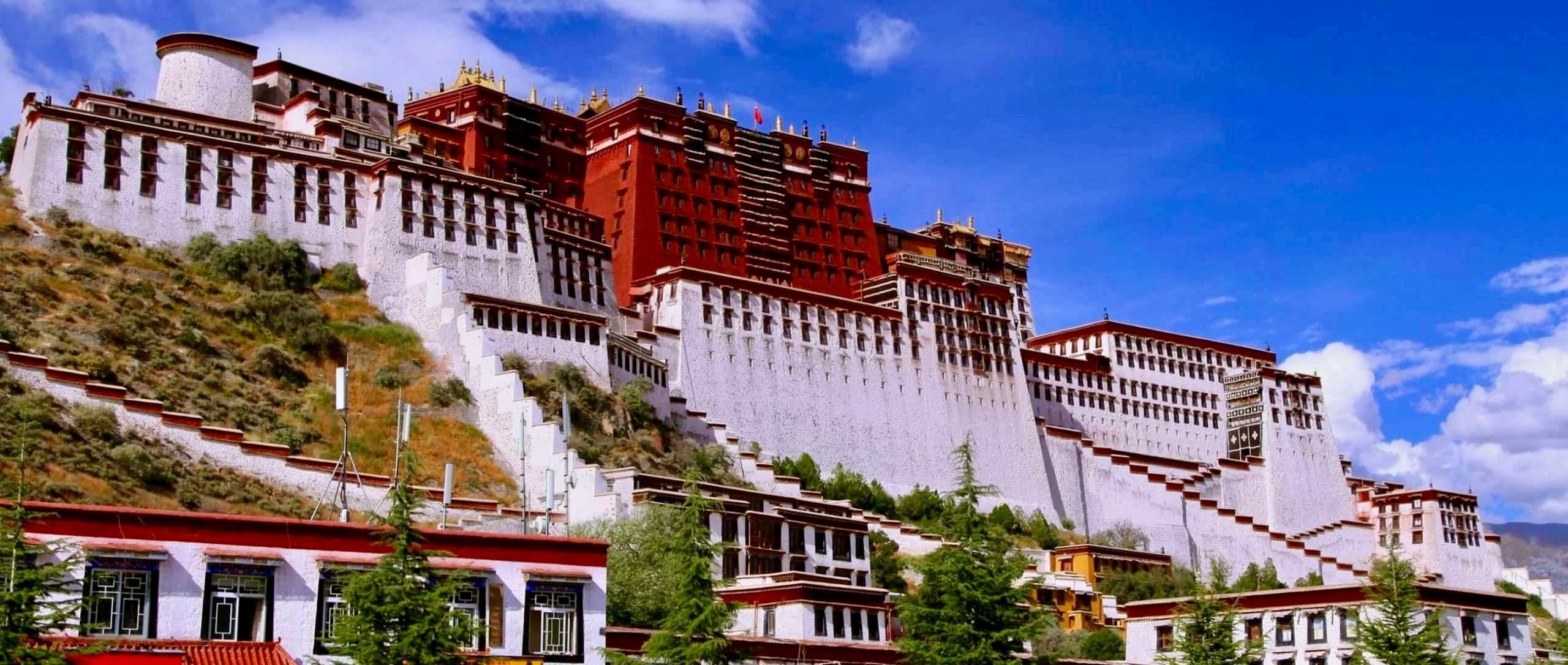
    Experience the grandeur of Lhasa's Potala Palace with Druk Holidays on our Nepal and Tibet Cultural Sightseeing Tour. This iconic palace, perched majestically on Marpo Ri hill, 130 meters above the Lhasa valley, is a symbol of Tibetan Buddhism and the central point of Tibetan governance, making it a must-visit destination for anyone traveling to Tibet.

    • Architectural Marvel: The Potala Palace is an architectural wonder, originally constructed in the 7th century by the founder of the Tibetan Empire, Songtsen Gampo. Rebuilt in the 17th century by the 5th Dalai Lama, it has since stood as a fortress-like structure, comprising the White Palace and the Red Palace, along with additional buildings. The palace contains over a thousand rooms, which house the Dalai Lamas’ tombs, numerous chapels, shrines, and libraries, creating a vast complex of cultural and spiritual significance.
    • Spiritual and Historical Significance: The Potala Palace served as the winter residence of the Dalai Lamas until 1959. It holds countless artifacts and relics, including intricate murals that tell stories of Tibet's history, culture, and religion. The Red Palace is dedicated to spiritual study and Buddhist prayer and houses the stupas (tomb chambers) of past Dalai Lamas. The White Palace, meanwhile, was used for administrative functions and provided a glimpse into the governance of old Tibet.
    • Art and Decoration: Inside, the Potala Palace is adorned with beautiful statues, frescoes, and thangkas (Tibetan silk paintings with embroidery), which are not only visually stunning but also hold immense religious significance. These artworks cover a range of themes from the life of the Buddha to the influential events in Tibetan history.
    • Panoramic Views of Lhasa: The palace sits atop a hill, offering spectacular views over the city of Lhasa and the surrounding mountains. The vistas from the palace are particularly breathtaking, giving visitors a sense of the imposing natural beauty that encircles Lhasa.
    • Cultural Heritage Site: Recognized as a UNESCO World Heritage Site, the Potala Palace is not only a testament to Tibetan Buddhist culture but also a symbol of the endurance of this culture despite historical challenges. It is a pilgrimage site for Tibetan Buddhists, with thousands making the journey each year to pay their respects.

    With Druk Holidays, visiting the Potala Palace is more than just sightseeing; it is an immersion into the heart of Tibetan culture and history. Our knowledgeable guides enhance this experience by sharing insights and stories that bring the walls of the palace to life. This visit promises to be a highlight of your journey, filled with awe and inspiration.


    Sacred Monasteries

    Explore the spiritual essence of Tibet with Druk Holidays on our Nepal and Tibet Cultural Sightseeing Tour as we guide you through some of the most sacred monasteries in Lhasa. Each of these monasteries offers a unique glimpse into the religious practices, architectural beauty, and historical significance of Tibetan Buddhism.

    • Drepung Monastery: Once the world's largest monastery, Drepung Monastery houses thousands of monks and is nestled in the foothills of the Himalayas. It was founded in the 15th century and is known for its high academic level as a major center of Gelugpa learning. The monastery complex sprawls over vast expanses and hosts the annual Shoton Festival, featuring the dramatic unfurling of a giant thangka painting.
    • Sera Monastery: Famous for its lively and spirited monk debates that occur in the afternoon, Sera Monastery is a sight to behold. These debates are a critical part of the learning and philosophical questioning in Tibetan Buddhism and are conducted with a series of emphatic hand slaps. The monastery itself, established in the 15th century, is a complex of assembly halls, temples, and colleges that enchant with their tranquil beauty and vibrant religious life.
    • Ganden Monastery: Located on the Wangbur Mountain at an altitude of 4,300 meters, Ganden Monastery is the oldest and primary monastery of the Gelugpa sect, founded by Tsongkhapa himself in 1409. It provides panoramic views of the surrounding valleys and contains an array of artifacts, religious texts, and intricate murals. Despite being destroyed in the 1950s, it has been mostly rebuilt and continues to be an important pilgrimage site and a center of theological study.
    • Jokhang Temple: Although not a monastery, the inclusion of Jokhang Temple is essential in any tour of Lhasa's religious sites. Located in the Barkhor Square, it is the most sacred and important temple in Tibet. The temple is a four-story timber complex with a golden roof and houses the revered Jowo Rinpoche, a life-sized (1.5 meters) image of the Shakyamuni Buddha at the age of twelve. The site is always bustling with pilgrims from all over Tibet, who perform full-body prostrations in devotion, making it a profoundly moving place to visit.

    These monasteries not only serve as key religious sites but also as repositories of Tibetan culture, art, and history. With Druk Holidays, visiting these monasteries will enrich your understanding of Tibetan Buddhism and provide a deeper appreciation for the spiritual and cultural fabric of this remarkable region. Join us to discover these sacred sites, where peace and spirituality pervade every stone and prayer flag.


    Tibetan Cultural Insight

    Experience the vibrant heart of Tibetan culture with Druk Holidays on our Nepal and Tibet Cultural Sightseeing Tour. Our carefully curated journey through Tibet not only highlights historical sites and breathtaking landscapes but also deeply immerses you in the rich, traditional culture of the Tibetan people.

    • Lhasa's Barkhor Street: A visit to Barkhor Street offers a profound cultural immersion right in the center of Lhasa. This bustling market street circles around the sacred Jokhang Temple, and it is a crucial part of the pilgrimage route for Tibetan Buddhists. Here, you can observe devout pilgrims performing prostrations, monks in deep discussion, and the vibrant commerce that has flourished here for centuries. The street is also the perfect place to pick up traditional Tibetan crafts, such as prayer wheels, thangka paintings, and locally made jewelry.
    • Tibetan Home Visit: To truly understand the daily life and hospitality of the Tibetan people, Druk Holidays arranges visits to local homes. These visits allow you to experience firsthand the warm hospitality of Tibetan families and enjoy traditional Tibetan meals like tsampa (barley flour), butter tea, and momos (dumplings).
    • Traditional Tibetan Festivals: Depending on the timing of your visit, you might witness one of Tibet's vibrant festivals such as Losar (Tibetan New Year), Shoton : (Yogurt Festival), or Saga Dawa (celebrating the birth, enlightenment, and death of Buddha). These festivals are filled with music, dancing, elaborate costumes, and monks performing ancient rituals, offering a colorful glimpse into Tibetan culture.
    • Monastic Debates: Observing a monastic debate at monasteries such as Sera is an unforgettable experience. These debates are a dynamic aspect of monastic education and are vital for the monks to learn the art of inquiry and the depth of Buddhist philosophy. The intensity and physicality of the debates, with claps and dramatic gestures, make them a unique cultural spectacle.
    • Thangka Painting and Craft Workshops: Engage with Tibet's artistic heritage by visiting workshops where traditional thangka paintings and other Tibetan crafts are made. Thangka paintings are detailed depictions of religious figures made on cotton or silk applique. These workshops not only provide insight into the meticulous skills required but also explain the religious significance behind the art.

    With Druk Holidays, your journey through Tibet is enriched with deep cultural encounters that go beyond the typical tourist experience. From the spiritual practices of monks to the everyday lives of local families, each aspect of the tour is designed to foster a meaningful connection with the land and its people, offering a truly transformative travel experience.


    Scenic Drives Across the Himalayas

    Embark on a journey through some of the world’s most majestic landscapes with Druk Holidays during our Nepal and Tibet Cultural Sightseeing Tour. The drives through the Himalayas are not just transfers from one destination to another; they are an integral part of the adventure, offering breathtaking views and a unique insight into the geographical and cultural tapestry of the region.

    • Kathmandu to Pokhara: One of the most picturesque drives in Nepal, the route from Kathmandu to Pokhara winds through mountain roads, offering views of river valleys, terraced rice fields, and distant Himalayan peaks. This journey gives you a glimpse into rural Nepali life as you pass through small villages and bustling market towns.
    • Pokhara to Nagarkot: After exploring the natural beauty of Pokhara, the drive to Nagarkot climbs through the middle hills of Nepal to the rim of the Kathmandu Valley. As you ascend, panoramic views of the eastern Himalayas slowly unfold, culminating in the spectacular scenery from Nagarkot, famous for its sunrise and sunset views of the Himalayas.
    • Kathmandu to Lhasa via Flight: While not a drive, the flight from Kathmandu to Lhasa is a scenic extravaganza in its own right, offering aerial views of the Himalayan range, including Mount Everest. This spectacular flight is one of the most dramatic introductions to the stark beauty of Tibet.
    • Lhasa to Gyantse: Driving from Lhasa to Gyantse, the landscape transitions from river valleys to the arid vastness of the Tibetan Plateau. The route takes you past Yamdrok Lake, one of Tibet’s three holy lakes, known for its stunning turquoise waters set against the backdrop of snow-capped peaks.
    • Gyantse to Shigatse: Continue your journey through Tibet by driving from Gyantse to Shigatse. This route allows you to observe the stark beauty of the Tibetan Plateau, interspersed with remote villages, monasteries, and the wide, sweeping plains that define much of the Tibetan landscape.
    • Shigatse to Lhasa: The return drive to Lhasa traverses along the Brahmaputra River, offering a different perspective of the Tibetan Plateau. The road is lined with prayer flags and offers occasional sightings of nomadic herdsmen with their yaks and sheep.

    With Druk Holidays, every drive is an opportunity to witness the diverse and spectacular landscapes of Nepal and Tibet. Comfortable and safe vehicles driven by experienced drivers ensure that your journey is as enjoyable as it is scenic. These drives are punctuated with stops at viewpoints, cultural landmarks, and local eateries, enhancing your experience of the Himalayan environment and lifestyle.


    Important Notes on the Nepal and Tibet Cultural Sightseeing Tour 

    When embarking on the Nepal and Tibet Cultural Sightseeing Tour with Druk Holidays, there are several important considerations to ensure a smooth and enjoyable experience. Here are key notes to keep in mind:

    Travel Documentation

    • Passports and Visas: Ensure your passport is valid for at least six months beyond your travel date. Visas are required for both Nepal and Tibet. Nepal visas can be obtained on arrival, but the Tibet Travel Permit (and potentially other permits depending on your itinerary) must be arranged in advance through Druk Holidays.
    • Permit Regulations in Tibet: The regulations for travel in Tibet are strict. All foreign travelers must have a Tibet Travel Permit, and travel must be booked through a recognized tour operator such as Druk Holidays. You are not allowed to travel independently in Tibet.

    Health and Safety

    • Altitude Sickness: Both Nepal and Tibet include regions at high altitude, with Tibet’s capital, Lhasa, standing at about 3,656 meters (11,995 feet). Be aware of the symptoms of altitude sickness and consult with your doctor about altitude sickness medication and preventive measures.
    • Vaccinations: Consult your healthcare provider for recommended vaccinations well in advance of your travel. Typical recommendations for these regions include Hepatitis A, Typhoid, and Tetanus.

    Cultural Sensitivity

    • Local Customs and Traditions: Both Nepal and Tibet have rich cultural traditions and religious practices. Dress modestly, especially when visiting religious sites, and always ask permission before photographing people or religious ceremonies.
    • Religious Etiquette: In Buddhist temples, walk clockwise around religious objects like stupas, chortens, and prayer wheels. It’s also respectful to remove your shoes before entering temple premises.

    Environmental Concerns

    • Responsible Tourism: Be mindful of your environmental impact. Stick to marked trails, dispose of waste properly, and avoid disturbing wildlife. The use of plastic bottles is discouraged; consider using a refillable bottle and water purification methods instead.
    • Currency and Payments
    • Currency Needs: Carry local currency in small denominations for small purchases and daily expenses, as credit card acceptance is limited, especially in rural areas of Tibet.
    • Tipping: Tipping is appreciated and increasingly expected in the tourism industry. Prepare small cash denominations for tips.

    Communication

    • Language: English is commonly spoken by guides and in tourist facilities, but outside these areas, Nepali and Tibetan are predominant. Learning a few basic phrases in each language can enhance your interaction with locals.
    • Connectivity: Internet access can be unreliable, especially in remote areas of Tibet. Plan accordingly for limited access during parts of your tour.

    Emergency Preparedness

    • Insurance: Ensure you have comprehensive travel insurance that covers medical evacuation and any activities you plan to engage in.
    • Local Contacts: Keep a list of emergency contacts, including local emergency services, your embassy, and contact numbers for Druk Holidays.

    By keeping these important notes in mind, you can better prepare for a safe, respectful, and fulfilling journey through Nepal and Tibet with Druk Holidays.


    Your unforgettable Nepal and Tibet Cultural Sightseeing Tour with Druk Holidays amidst the breathtaking landscapes and rich cultural tapestries of two of the world's most mystical destinations. As we bring our journey to a close, reflect on the experiences gained through exploring ancient temples, vibrant bazaars, tranquil monasteries, and scenic drives across the mighty Himalayas. With each destination offering a unique insight into the spirit and traditions of the local communities, this tour promises not just memories but a profound connection with the heart and soul of Nepal and Tibet. We at Druk Holidays are committed to ensuring that every aspect of your journey is managed with expert care and designed to offer an enriching, enlightening, and truly transformative travel experience.
    Detail Itinerary

    Expand all +

    If the provided schedule isn't suitable for you, we are able to create personalized travel arrangements according to your preferences and requirements.

    Customize my Trip

    Cost Details

    Cost Includes

    • Luxury Transportation: Pick-up and drop-off from the hotel and airport using a private luxury vehicle.

    • Accommodation: Accommodation in twin-sharing rooms on a bed and breakfast basis for the whole trip.

      • Kathmandu (Day 1, Day 2, and Day 6): Option 1: Hotel Holy Himalaya or Arushi Boutique Hotel or similar. Option 2: Crowne Plaza Kathmandu-Soaltee or Gokarna Forest Resort or Aloft Kathmandu
      • Nagarkot (Day 3): Option 1: Club Himalaya, Nagarkot. Option 2: Hotel Mystic Mountain
      • Pokhara (Day 4 and Day 5): Option 1: Atithi Resort & SPA or Mount Kailash Resort. Option 2: Hotel Pokhara Grande or similar
      • Tsedang (Day 7 and Day 8): Option 1 & Option 2: Tsedang Hotel or similar
      • Gyantse (Day 9): Option 1 & Option 2: Gyantse Hotel or similar
      • Lhasa (Day 10, Day 11, and Day 12): Option 1: Four Points Sheraton Hotel (4-Star Hotel). Option 2: St. Regis or Shangri-La Hotel (5-Star Hotel)
      • Kathmandu (Day 13): Option 1: Yatri Suites and Spa or similar. Option 2: Crowne Plaza Kathmandu-Soaltee or Gokarna Forest Resort or Aloft Kathmandu
    • Guided Sightseeing: Guided tours in Kathmandu, Bhaktapur, Pokhara, and Tibet with private vehicles.

    • Luxury Transportation: Luxurious private transportation throughout Nepal and Tibet.

    • Experienced English-speaking Guide: An experienced, helpful, and friendly English-speaking guide for sightseeing.

    • Guide’s Expenses: Guide salary, food, drinks, accommodation, transportation, and insurance.

    • T-shirt & City Route Maps: Provided if necessary.

    • Flight: Flight fare for Kathmandu-Lhasa-Kathmandu.

    • Tibet Visa: Processed after arrival in Nepal (requires 2-3 working days).

    • Sightseeing & Entrance Fees: City sightseeing and entrance fees in Nepal and Tibet.

    • Welcome Dinner: A traditional Nepali welcome dinner with a cultural dance performance.

    • All Government Taxes: Includes VAT, tourist service charges, and other official expenses.

    Cost Excludes

    • International Airfare: International flights are not included (please refer to the international flights page).
    • Nepal Entry Visa: You can obtain a visa upon arrival at Tribhuwan International Airport in Kathmandu (refer to the Visa & Entry Procedure of Nepal page).
    • Travel Insurance: Travel insurance is not included (please refer to the travel insurance page).
    • Meals: Lunch and dinner are not included, except for the welcome and farewell dinners in Kathmandu (meal costs are approximately 3-7 dollars per item depending on the restaurant).
    • Personal Expenses: Any personal expenses such as shopping, extra drinks, laundry, etc.
    • Tips: Tips for the guide and driver (tipping is expected).

    Travellers‘ reviews

    Write a Review

    FAQS

    ✕
    Day 01

    Arrival in Kathmandu; pre-trip meeting.

    Your adventure begins with your arrival at Tribhuvan International Airport in Kathmandu, nestled at an altitude of 1,400 meters. After clearing immigration and collecting your baggage, you'll be greeted by your guide and transferred to your hotel. The evening includes a pre-trip meeting where you will meet your fellow travelers and receive a detailed briefing about the upcoming journey, including safety protocols, cultural norms, and a preview of the daily activities. This initial orientation is crucial for setting expectations and ensuring a smooth and enjoyable trip.

    Day 02

    Guided tour of Kathmandu Valley. Optional Everest Mountain Flight.

    Today, you embark on a guided tour of Kathmandu Valley's key historical and cultural sites. This exploration covers the spiritual heart of Nepal, from the ancient stupa of Swayambhunath, perched on a hill overlooking the city, to the holy Hindu temple of Pashupatinath, and the intricate architectural wonders of Patan’s palace complexes. Optionally, you can rise early for a breathtaking Everest Mountain Flight, offering an unparalleled view of the world's highest peaks in just one hour—an unforgettable aerial perspective of the Himalayan giants.

    Day 03

    Tours of Patan and Bhaktapur Durbar Squares, followed by a drive to Nagarkot.

    The day begins with a visit to Patan Durbar Square, which is celebrated for its finely crafted temples and elegant palaces that reflect the city's rich cultural and artistic heritage. From Patan, you'll travel to Bhaktapur Durbar Square, another regal center renowned for its exquisite art and architecture. Late afternoon, you'll drive to Nagarkot, a serene hilltop village famous for its panoramic views of the Himalayas. It provides a peaceful escape to nature and is one of the best vantage points for sunrise and sunset views over the mountains.

    Day 04

    Long scenic drive from Nagarkot to Pokhara.

    After enjoying a sunrise over the Himalayas, you'll embark on a scenic drive to Pokhara, approximately 220 kilometers away. This journey through the heart of Nepal offers a glimpse into the rural life of the Nepalese people, with verdant landscapes and the Trishuli River meandering alongside. Pokhara is known for its tranquil atmosphere and the stunning backdrop of Machhapuchhre peak, which towers over the serene Phewa Lake.

    Day 05

    Sightseeing in Pokhara Valley.

    In Pokhara, a guided tour introduces you to its key attractions: the mysterious Davis Falls, the sacred Gupteshwor Cave across the street, and the hilltop World Peace Pagoda that offers sweeping views of the city against a Himalayan backdrop. This day is designed to balance leisure with exploration, providing ample opportunities to enjoy the natural beauty and cultural landmarks of Nepal’s adventure capital.

    Day 06

    Return drive to Kathmandu.

    You will return to Kathmandu by road, taking in the last views of the rural landscapes and mountain vistas. This drive is an opportunity to reflect on your experiences in Pokhara and anticipate the next leg of your journey in Tibet. The evening can be spent exploring Thamel, Kathmandu’s bustling tourist hub, perfect for some last-minute shopping or enjoying a variety of Nepali and international cuisines.

    Day 07

    Fly to Lhasa; drive to Tsedang.

    Depart Kathmandu for a flight to Lhasa, a city at an altitude of 3,656 meters. This transition from Nepal to Tibet introduces a striking change in landscape and culture. Upon arrival, you’ll proceed to Tsedang, situated at 3,100 meters, known as the birthplace of Tibetan civilization. The rest of the day is dedicated to acclimating to the higher altitude and preparing for your explorations in Tibet.

    Day 08

    Explore Tsedang.

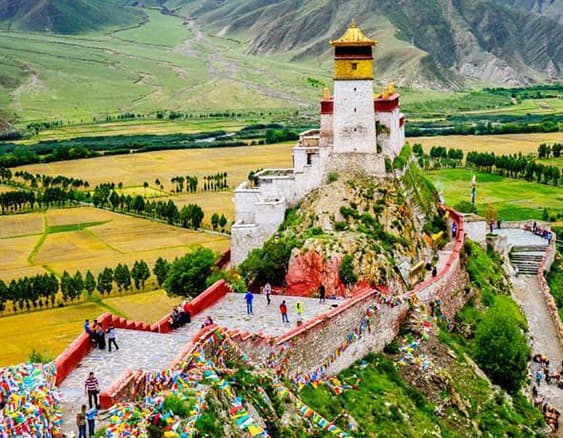
    In Tsedang, explore the cradle of Tibetan culture, visiting key historical sites such as Yumbulakang, an ancient palace that according to legend, was the first building in Tibet and a pivotal site in Tibetan history, and Trandruk Temple, one of the earliest Buddhist temples in Tibetan history, known for its intricate thangkas and stunning architectural details.

    Day 09

    Drive to Gyantse.

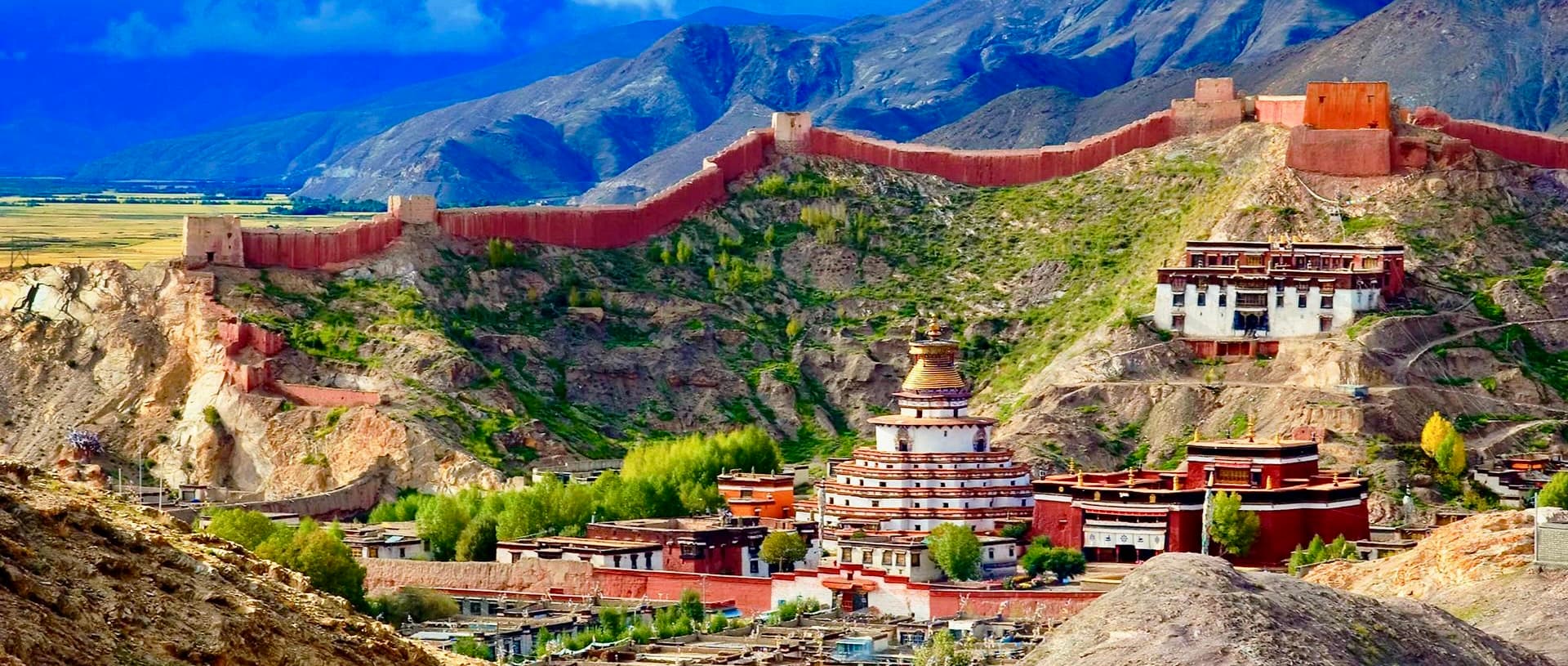
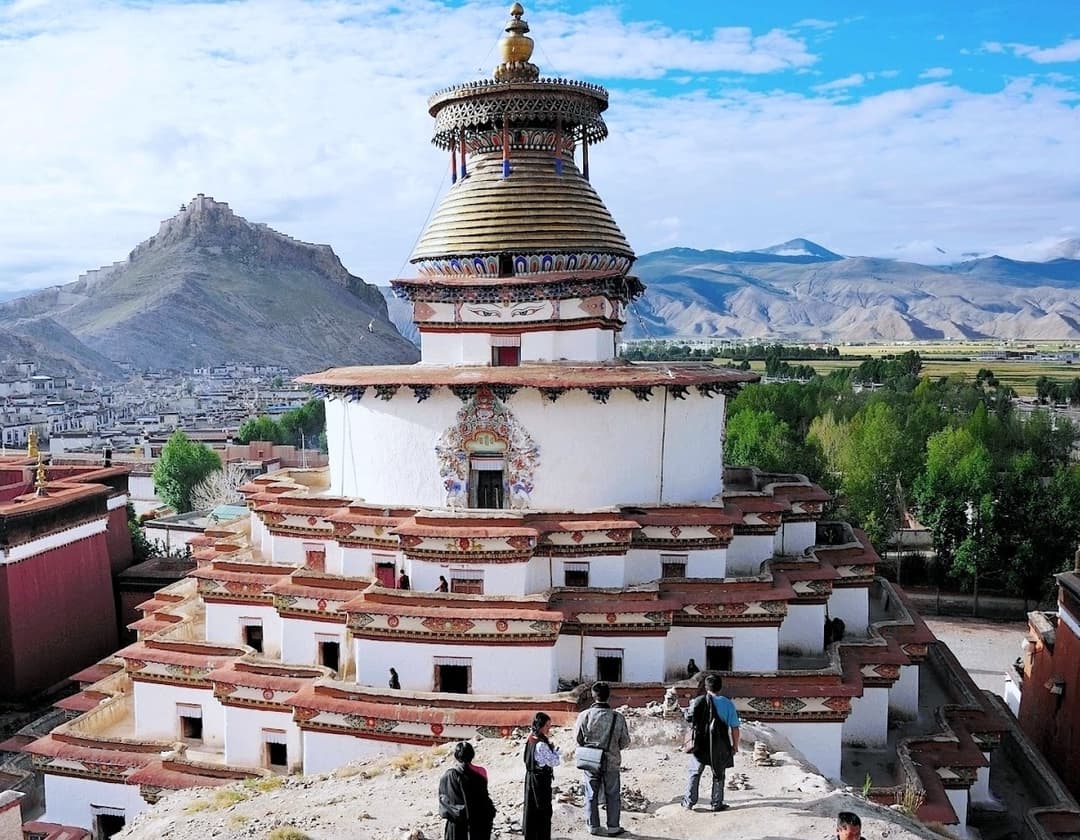
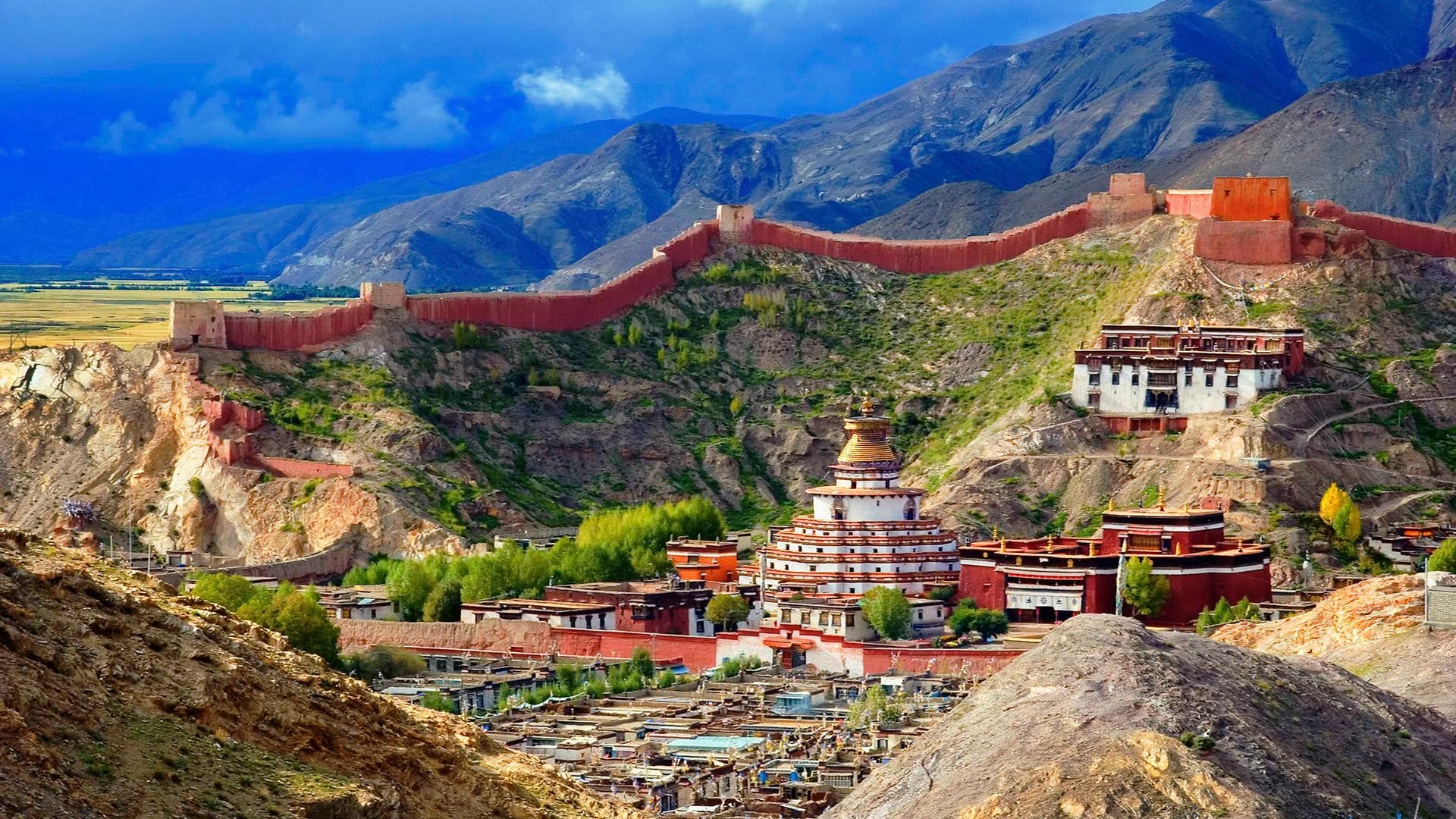
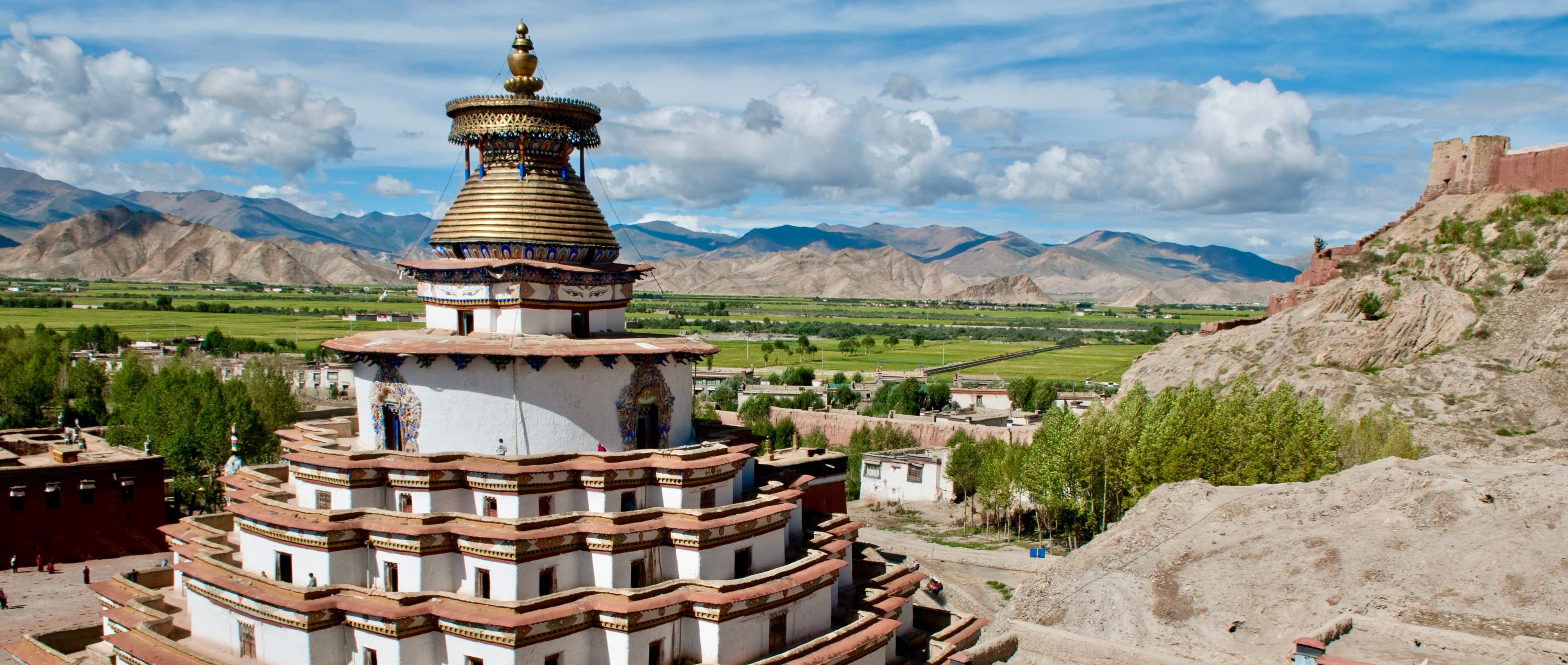
    Journey from Tsedang to Gyantse, a historic town that boasts the Gyantse Kumbum, a magnificent tiered stupa that is one of the largest and best-preserved in Tibet. The drive itself is scenic, with routes winding through high passes and past sacred lakes, reflecting the profound natural beauty and spiritual significance of the Tibetan plateau.

    Day 10

    Continue to Lhasa.

    Today’s drive from Gyantse to Lhasa takes you through some of Tibet’s most beautiful landscapes, including the dazzling Yamdrok Lake, whose turquoise waters are considered sacred. Arriving in Lhasa, the spiritual and political heart of Tibet, you'll feel the city's mystical presence and its importance in Tibetan Buddhism.

    Day 11

    Tour major attractions in Lhasa, including Potala Palace.

    Lhasa offers a profound glimpse into Tibetan culture and religion. Tour the iconic Potala Palace, former residence of the Dalai Lama, and Barkhor Street, providing a lively showcase of Tibetan life, with pilgrims, markets, and monastic activities. This day is essential for understanding the rich spiritual and historical heritage that defines Lhasa.

    Day 12

    Visit important monasteries in Lhasa.

    Continue exploring Lhasa’s significant religious sites, including Drepung and Sera Monasteries, known for their daily debates on Buddhist doctrines. Ganden Monastery, located on the outskirts of Lhasa, offers insights into monastic life and stunning views of the surrounding valleys.

    Day 13

    Fly back to Nepal.

    Depart Lhasa by air, returning to Nepal. This day is mostly spent in transit, offering time to rest and reflect on the extraordinary cultural and spiritual insights gained throughout your journey across Nepal and Tibet.

    Day 14

    Departure from Kathmandu.

    Your final day involves a transfer to Tribhuvan International Airport for your departure. This marks the end of an unforgettable journey through the heartlands of Nepal and the mystical heights of Tibet, enriched with memories of majestic landscapes and vibrant cultures.

    Good to Know

    Visa for the Nepal and Tibet Cultural Sightseeing Tour

    For the Nepal and Tibet Cultural Sightseeing Tour with Druk Holidays, you'll need to manage visa requirements for both Nepal and Tibet, which is administratively part of China. Here’s how you can prepare:

    Nepal Visa

    • On Arrival: Many nationalities can obtain a tourist visa on arrival at Tribhuvan International Airport in Kathmandu. This process is straightforward; you'll need to fill out an application form, which can also be completed online prior to arrival to save time.
    • Requirements: You will need a passport valid for at least six months, a passport-sized photo, and the visa fee, which can be paid in major currencies. The fee varies depending on the duration of stay; options typically include 15, 30, and 90 days.
    • Pre-Arrival: Alternatively, you can apply for a visa at a Nepalese embassy or consulate before your trip, which might be preferable if you want to avoid potential queues at the airport.

    Tibet Visa

    • Tibet Travel Permit: All foreign tourists must obtain a Tibet Travel Permit to enter Tibet. This permit is arranged by a tour operator, like Druk Holidays, and requires that you travel as part of a guided tour.
    • Chinese Visa First: Before applying for the Tibet Travel Permit, you must obtain a Chinese visa through a Chinese embassy or consulate in your home country. However, if you mention that you are visiting Tibet, there may be complications; it’s often advised to obtain the visa without mentioning Tibet and then apply for the Tibet Travel Permit through our team.
    • Application Process: Druk Holidays will need copies of your passport and Chinese visa to apply for the Tibet Travel Permit. It is advisable to arrange this at least 20 days before your travel date as the permit can take some time to process.
    • Entry from Nepal: If you are entering Tibet from Nepal, you do not apply for a Chinese visa yourself. Instead, we will obtain a Tibet Group Visa on your behalf in Kathmandu. This process is managed after your arrival in Nepal and usually takes about 3-5 business days.

    Tips for Visa Application

    • Timing: Ensure all your visa applications are timed correctly to avoid any overlap or issues. The Tibet visa, in particular, should be managed with enough lead time to ensure all permissions are in place.
    • Documentation: Keep multiple copies of all important documents, including your passport, visa pages, and travel insurance, both digitally and in print, as you might need to show these at various checkpoints.

    With Druk Holidays, the visa application process for Tibet is streamlined as part of your tour package, ensuring you have the necessary permits and documentation for a hassle-free travel experience.

    Altitude during the Nepal and Tibet Cultural Sightseeing Tour

    The Nepal and Tibet Cultural Sightseeing Tour involves travel through various altitudes, offering a range of elevations from relatively low valley floors to high mountain towns. Here’s a breakdown of the key altitudes encountered during the tour:

    Nepal Altitudes

    • Kathmandu: The tour starts and ends in Kathmandu, which is situated at an altitude of approximately 1,400 meters (4,600 feet).
    • Nagarkot: Known for its stunning sunrise views over the Himalayas, Nagarkot sits at an altitude of about 2,195 meters (7,201 feet).
    • Pokhara: This lakeside city is located at an elevation of around 827 meters (2,713 feet), offering a more temperate climate and lush surroundings.

    Tibet Altitudes

    • Lhasa: The capital city of Tibet, Lhasa, is one of the highest cities in the world, located at an altitude of about 3,656 meters (11,995 feet).
    • Tsedang: Located in the Yarlung Valley, Tsedang has an elevation of approximately 3,100 meters (10,170 feet).
    • Gyantse: This town is positioned at an altitude of around 4,040 meters (13,255 feet).

    Travelers should be aware that the significant altitude differences, especially in Tibet, can affect individual comfort and health. It's essential to acclimate properly to higher elevations and stay hydrated. Druk Holidays ensures that our itinerary allows for gradual acclimatization to help minimize altitude sickness and ensure that our guests can enjoy their journey comfortably.

    Meals during the Nepal and Tibet Cultural Sightseeing Tour

    During the Nepal and Tibet Cultural Sightseeing Tour with Druk Holidays, you'll have the opportunity to enjoy a variety of meals that reflect the local cuisine of each region. Here’s an overview of what to expect regarding meals throughout the tour:

    Meal Inclusions

    • Breakfast: Typically included every day at your hotel. Breakfasts are usually buffet style with a mix of local and continental options, providing a hearty start to your day.
    • Welcome and Farewell Dinners in Kathmandu: These are special meals included in your tour package. The welcome dinner often features traditional Nepali cuisine accompanied by a cultural performance, providing a festive way to immerse yourself in Nepali culture. The farewell dinner allows for a reflective end to the journey with delicious local dishes.
    • Other Meals: Lunch and dinner, except for the aforementioned occasions, are usually not included in the tour package. This gives you the flexibility to explore a variety of dining options on your own, depending on where your interests and tastes lie.

    Dining Experiences in Nepal

    • Kathmandu and Pokhara: These cities offer a wide range of dining options, from traditional Nepali thali (a platter with a selection of various dishes) to international cuisine. Popular local dishes include momo (dumplings), dal bhat (lentils, rice, and vegetables), and other regional specialties.
    • Nagarkot: Dining options here are more limited compared to the cities, but the hotels typically provide a variety of Nepali and international dishes suited to western palates.

    Dining Experiences in Tibet

    • Lhasa, Gyantse, and Tsedang: Tibetan cuisine is distinct, with staples such as tsampa (barley flour), Tibetan butter tea, and various meat dishes. Restaurants range from local eateries serving traditional Tibetan and Chinese food to more tourist-oriented establishments with broader menus.
    • Tibetan Tea Houses: These are great places to sample local tea and light snacks, providing a more authentic dining experience.

    Tips for Dining Out

    • Hygiene: Always consider the cleanliness of the place. It’s generally safer to eat freshly cooked food and to drink bottled or boiled water.
    • Experiment: Try local dishes and specialties for a more immersive experience. In Nepal, don’t miss out on tasting the different varieties of momo, and in Tibet, the yak meat is a must-try.
    • Costs: Meals can vary in cost significantly depending on the location and type of restaurant. In general, local dishes in modest eateries are less expensive than international cuisine in more upscale restaurants.

    Druk Holidays ensures that all places selected for meals adhere to hygiene standards and offer a pleasant dining experience, enriching your cultural journey through Nepal and Tibet.

    Age Limit for the Nepal and Tibet Cultural Sightseeing Tour

    The Nepal and Tibet Cultural Sightseeing Tour with Druk Holidays is designed to accommodate a broad range of travelers, but there are some age considerations to keep in mind due to the nature of the travel and the destinations involved:

    General Age Policy

    • Minimum Age: Typically, there is no strict minimum age limit for the tour, but it is generally recommended for children to be at least 6 years old. This recommendation is due to the fact that younger children might find the long drives and high altitudes challenging.
    • Maximum Age: There is no maximum age limit for travelers; however, individuals over the age of 65 are advised to consult with a doctor before booking the tour, especially considering the high altitudes in Tibet and the physical nature of some sightseeing activities.

    Considerations for Different Age Groups

    • Children and Families: Families with children are welcome on the tour, but parents should consider whether their children are comfortable with extensive travel, changes in altitude, and walking tours. Activities are generally mild but do require basic mobility and stamina.
    • Seniors: Older adults who are in good health and have a sense of adventure can certainly enjoy this tour. However, due to the high altitudes, especially in Tibet (Lhasa is over 3,500 meters), it's crucial for seniors to have a medical check-up prior to traveling and to discuss the itinerary with health professionals.

    Health and Fitness Requirements

    • General Fitness: All travelers should be in good health and reasonably fit. While the tour does not involve strenuous trekking, it does include walking tours and possible light hiking.
    • Altitude Considerations: The high altitudes reached on this tour, particularly in Tibet, can pose risks for travelers of any age. Symptoms of altitude sickness can affect anyone, regardless of age or fitness level.

    Special Accommodations

    • Accessibility Needs: If travelers have specific needs, including those related to age or mobility, Druk Holidays can often make accommodations or adjustments to the itinerary. It's important to communicate any such requirements in advance.

    Travelers of all ages are encouraged to prepare adequately by understanding the physical demands and cultural experiences of the tour. With proper preparation and a spirit of adventure, travelers from children to seniors can enjoy the rich cultural and scenic offerings of the Nepal and Tibet Cultural Sightseeing Tour.

    Transportation and Flights on Nepal and Tibet Cultural Sightseeing Tour

    For the Nepal and Tibet Cultural Sightseeing Tour with Druk Holidays, a variety of transportation methods are utilized to ensure a comfortable and efficient travel experience across the diverse landscapes of Nepal and Tibet. Here’s an overview of the transportation and flights included in the tour:

    Transportation in Nepal

    • Private Vehicles: Travel within Nepal, particularly between cities like Kathmandu, Pokhara, and Nagarkot, is facilitated using private luxury vehicles. These vehicles are chosen for their comfort and reliability, ensuring smooth travel on Nepali roads, which can vary widely in condition.
    • Guided Tours: In cities, guided tours are typically conducted in private vehicles, including vans or buses, depending on the group size. This allows for flexible and convenient exploration of major attractions.

    Flights within Nepal

    • Kathmandu to Pokhara: Depending on the itinerary, a domestic flight might be used to travel between Kathmandu and Pokhara. This short flight offers a quick and scenic route across Nepal, saving time compared to road travel and providing aerial views of the Himalayas.

    Transportation in Tibet

    • Private Tour Vehicle: In Tibet, the terrain and long distances between cities like Lhasa, Gyantse, and Tsedang necessitate the use of private vehicles that are well-equipped for high-altitude conditions. These vehicles are sturdy, comfortable, and driven by experienced drivers knowledgeable about Tibetan roads and conditions.
    • City Tours: For city tours in Lhasa and other urban areas, smaller vehicles or minibusses are used to navigate the streets efficiently.

    Flights to Tibet

    • International Flight to Lhasa: If entering Tibet directly from a country other than Nepal, you would typically fly into Lhasa’s Gonggar Airport. This airport is well-connected with several major Chinese cities, which often serve as transit hubs.
    • Flight from Kathmandu to Lhasa: For those traveling to Tibet from Nepal, a spectacular flight from Kathmandu to Lhasa crosses the Himalayas. This is not just a mode of transport but an awe-inspiring experience, offering views of Everest and other high peaks. It’s one of the few international routes that directly lead to Lhasa.

    Additional Transportation Considerations

    • Acclimatization: Vehicles in Tibet are often equipped with oxygen supplies for emergencies, a necessary precaution given the high altitudes encountered during the tour.
    • Flexibility and Comfort: All transportation arranged by Druk Holidays is designed to offer maximum comfort, safety, and efficiency, with adjustments made as needed based on road conditions, weather, and any travel advisories.

    With Druk Holidays, your transportation needs are meticulously planned and managed to enhance your travel experience across Nepal and Tibet, ensuring that you can focus on enjoying the stunning landscapes and rich cultural heritage of these regions.

    Currencies Accepted During the Nepal and Tibet Cultural Sightseeing Tour

    During the Nepal and Tibet Cultural Sightseeing Tour with Druk Holidays, dealing with local currencies is an essential part of the travel experience. Here’s what you need to know about the currencies accepted and how to manage your money while traveling in Nepal and Tibet:

    Nepal

    • Currency: The official currency of Nepal is the Nepalese Rupee (NPR).
    • Usage: In Nepal, cash in local currency is widely used and often necessary for smaller purchases, such as at local markets, small restaurants, or while using public transport.
    • Credit Cards and ATMs: In major cities like Kathmandu and Pokhara, credit cards are accepted at larger hotels, restaurants, and shops. ATMs are readily available in these cities but are less common in smaller towns and rural areas.

    Tibet

    • Currency: The official currency in Tibet is the Chinese Yuan (CNY), also known as Renminbi (RMB).
    • Usage: Like in Nepal, cash is king in many places throughout Tibet, especially in rural areas or smaller towns. It’s important to carry sufficient cash for daily expenses as smaller establishments may not accept credit cards.
    • Credit Cards and ATMs: Credit card acceptance is more limited in Tibet compared to major Chinese cities. They may be accepted at high-end hotels and larger stores in Lhasa, but outside the capital, it’s best to rely on cash. ATMs are available in Lhasa and other larger towns, but their reliability can vary, and it’s advisable to withdraw enough cash when it’s convenient.

    Currency Exchange

    • Nepal: Foreign currency can be exchanged at banks, hotels, and licensed exchange counters in Kathmandu and other major tourist areas. It’s recommended to exchange some money into Nepalese Rupees upon arrival at the airport or in the city.
    • Tibet: It’s best to exchange your money into Chinese Yuan before entering Tibet. While there are opportunities to exchange currency in Lhasa, options may be more limited and potentially offer less favorable exchange rates.

    Tips for Managing Money

    • Budgeting: Estimate your daily expenses for meals, souvenirs, and incidental costs to ensure you carry enough cash in the appropriate currency.
    • Safety: Carry your cash and cards securely, using a money belt or a secure, zipped bag to avoid loss or theft.
    • Small Change: Keep smaller denominations of cash handy for minor expenses, as making change can sometimes be a challenge, especially in more remote areas.

    By planning ahead and understanding the currency needs of each region, you can ensure a smoother financial experience during your Nepal and Tibet Cultural Sightseeing Tour.

    Internet and Phone access on Nepal and Tibet Cultural Sightseeing Tour

    Staying connected during the Nepal and Tibet Cultural Sightseeing Tour with Druk Holidays involves navigating varying levels of internet and phone access across different regions. Here's what you can expect regarding connectivity in both Nepal and Tibet:

    Internet Access in Nepal

    • Urban Areas: In cities like Kathmandu and Pokhara, internet access is relatively widespread. Most hotels, cafes, and restaurants offer Wi-Fi, though the speed and reliability can vary.
    • Rural Areas: In places like Nagarkot, internet service may be available but is often slower and less reliable than in urban centers.
    • Mobile Data: Purchasing a local SIM card in Nepal is a convenient way to access mobile data. Ncell and Nepal Telecom are popular providers that offer prepaid data plans at reasonable rates.

    Internet Access in Tibet

    • Lhasa and Other Cities: In Lhasa and major towns, many hotels and some cafes will have Wi-Fi available, though, like in Nepal, the connectivity can be inconsistent and sometimes slow.
    • Remote Areas: As you travel outside of Lhasa into more remote areas of Tibet, internet access becomes increasingly scarce and unreliable.
    • Mobile Data: China Mobile is the predominant network provider and generally offers the best coverage in Tibet. Purchasing a Chinese SIM card can provide access to mobile data, but be aware that services like Google, Facebook, and WhatsApp are blocked in China. Apps like WeChat are commonly used in China for messaging, calls, and even payments.

    Phone Access

    • Calling: Both Nepal and Tibet have reliable cellular networks in cities and major towns. International calling can be done from your mobile phone or by purchasing a local SIM card.
    • Coverage: Mobile phone coverage is good in urban areas within both Nepal and Tibet but can be patchy or non-existent in remote regions or on certain treks in the mountains.

    Tips for Communication

    • Wi-Fi Reliability: Always assume that Wi-Fi may not be as reliable or fast as you are accustomed to, especially in remote areas. Prepare accordingly if you need to complete important tasks online.
    • VPN: If you need access to blocked services in Tibet, consider setting up a VPN (Virtual Private Network) before entering China. This can help bypass local internet restrictions.
    • Offline Resources: Download maps, travel guides, and translation apps that can be used offline to ensure you have access to essential information without needing a continuous internet connection.

    Staying informed about the connectivity options and preparing for varied access can help you manage your communication needs more effectively while on the Nepal and Tibet Cultural Sightseeing Tour.

    Travel insurance for Nepal and Tibet Cultural Sightseeing Tour

    When embarking on the Nepal and Tibet Cultural Sightseeing Tour with Druk Holidays, securing comprehensive travel insurance is crucial. This insurance should cover various aspects of your journey, particularly given the adventurous nature of traveling in high-altitude areas like Tibet. Here are key components to consider when selecting travel insurance for your tour:

    Medical Coverage

    • High Altitude Sickness: Ensure your policy covers treatments for altitude sickness, which is a common concern in high-altitude regions such as Tibet.
    • Medical Treatment and Evacuation: Look for policies that include coverage for medical expenses and emergency evacuation. Medical facilities in remote areas may be limited, and you might need transportation to a better-equipped facility or even repatriation.

    Trip Cancellation or Interruption

    • Cancellation Coverage: This can reimburse you for non-refundable travel costs if you have to cancel your trip due to unforeseen events such as illness, family emergencies, or other eligible reasons.
    • Trip Interruption: If you need to cut your trip short, this coverage can help cover the costs of returning home early and reimburse the portion of the trip you miss.

    Personal Belongings

    • Loss or Theft: Policies often cover the loss, theft, or damage to your luggage and personal belongings. This is particularly important when traveling with valuable items like cameras and electronics.

    Additional Coverage

    • Activity Coverage: Since the tour involves various activities, check if your insurance covers activities such as hiking or any other specific adventures included in the itinerary.
    • 24/7 Emergency Assistance: Services that provide support in case of emergencies, such as legal trouble, lost passports, or medical emergencies, are invaluable.

    Choosing the Right Provider

    • Reliable Insurer: Choose a reputable insurance provider with positive reviews and a track record of handling claims promptly and fairly.
    • Understand the Terms: Read the terms and conditions carefully, paying close attention to what is and isn’t covered, including any exclusions or limitations.
    • Local Regulations: Ensure the insurance is valid for travel in both Nepal and Tibet and complies with any local regulations.

    Purchasing travel insurance for a trip like the Nepal and Tibet Cultural Sightseeing Tour provides peace of mind and protection, allowing you to fully enjoy your journey without unnecessary worry about potential disruptions.

    Permits for the Nepal and Tibet Cultural Sightseeing Tour

    For the Nepal and Tibet Cultural Sightseeing Tour organized by Druk Holidays, various permits and official documents are required due to the regions' regulatory environments, particularly in Tibet. Here's an overview of the necessary permits:

    Nepal Permits

    • TIMS Card: Trekkers in Nepal are required to obtain a Trekkers' Information Management System (TIMS) card, though it's typically needed for trekking routes rather than cultural tours. If any light trekking is involved in the itinerary around Pokhara or Nagarkot, a TIMS card may be required.

    Tibet Permits

    • Tibet Travel Permit: This is essential for all foreign travelers entering Tibet and is issued by the Tibetan Tourism Bureau. The permit is necessary to board flights or trains to Tibet and must be obtained before arrival in Lhasa.
    • Alien Travel Permit: Also known as the PSB Permit, it is required to travel to the restricted areas in Tibet that are not covered by the Tibet Travel Permit. This includes places like Tsedang and Gyantse.
    • Military Permit: Needed for travel to some military-sensitive regions. However, for typical cultural tours to Lhasa, Gyantse, and other common tourist destinations, this permit is not required.

    Visa Requirements

    • Chinese Visa: Before applying for any Tibet permits, travelers must obtain a Chinese visa through the Chinese Embassy in their home country or in Kathmandu if they are traveling directly to Tibet from Nepal.
    • Tibet Visa Processing: Once in Kathmandu, Druk Holidays will facilitate the processing of the Tibet visa, which is crucial for entry into Tibet. This process typically takes 2-3 working days.

    We handle the acquisition of all necessary permits and visas for the guests as part of the tour package, ensuring a hassle-free and enjoyable travel experience. It's important for travelers to provide all required personal information and necessary documents in a timely manner to facilitate smooth processing.

    Preparation for the Nepal and Tibet Cultural Sightseeing Tour

    Preparing for the Nepal and Tibet Cultural Sightseeing Tour with Druk Holidays involves a mix of practical planning, packing appropriately, and ensuring you are physically and mentally ready for the journey across diverse climates and high altitudes. Here are some essential preparation steps:

    Travel Documentation

    • Passport: Ensure your passport is valid for at least six months beyond the duration of your trip.
    • Visas: Obtain your Chinese visa prior to departing for Tibet if traveling directly from your home country. If entering Tibet from Nepal, the Tibet visa will be arranged by Druk Holidays in Kathmandu.
    • Travel Insurance: Secure comprehensive travel insurance that covers high-altitude travel, medical expenses, and trip cancellation or interruption.

    Health and Safety

    • Altitude Sickness: Educate yourself about altitude sickness, its symptoms, prevention, and treatment. The tour reaches heights where altitude sickness is a possibility, especially in Tibet.
    • Vaccinations: Check with your healthcare provider for recommended vaccinations for travel in Nepal and Tibet. Common recommendations include Hepatitis A, Typhoid, and Tetanus.
    • Medications: Bring any personal medications in sufficient quantities for the duration of the trip and consider packing a travel health kit with remedies for common ailments such as diarrhea, headaches, and respiratory infections.

    Packing Essentials

    • Clothing: Pack layers to accommodate a range of temperatures—from warm days to cold nights. Include lightweight, breathable clothing, as well as warmer layers and a waterproof jacket.
    • Footwear: Comfortable, sturdy walking shoes are a must, and hiking boots are recommended if your tour includes light trekking.
    • Accessories: Bring sunglasses, sunscreen, a wide-brimmed hat, and lip balm to protect against the sun and dry air. Also, pack a daypack for daily excursions.
    • Tech and Gear: Consider a camera, spare batteries, and memory cards for capturing the scenic beauty. A portable power bank and travel adaptors for charging electronic devices are also useful.

    Cultural Considerations

    • Respect Local Customs: Learn about and respect the local customs and religious practices in Nepal and Tibet. This includes dressing modestly, removing shoes before entering certain buildings, and showing respect at religious sites.
    • Language: Learning some basic phrases in Nepali and Tibetan can be helpful for interacting with locals and showing respect for their culture.

    Financial Preparation

    • Currency: Ensure you have access to local currencies—Nepalese Rupees (NPR) in Nepal and Chinese Yuan (CNY) in Tibet. While major cards are accepted in city areas, cash is essential in remote regions.
    • Budget for Extras: Plan financially for meals not included in the tour, personal expenses, and tips for guides and drivers.

    With thorough preparation, your journey with Druk Holidays will be more comfortable, safe, and enjoyable. Ensuring all aspects are covered from health and safety to cultural etiquette will enhance your overall experience on the Nepal and Tibet Cultural Sightseeing Tour.

    Trip Extensions on Nepal and Tibet Cultural Sightseeing Tour

    If you’re looking to extend your adventure beyond the Nepal and Tibet Cultural Sightseeing Tour with Druk Holidays, there are several enticing options to enhance your experience in the region. Whether you’re interested in additional cultural exploration, nature expeditions, or relaxation, there are ample opportunities to tailor your journey to your interests. Here are some popular trip extension ideas:

    In Nepal

    • Trekking Adventures: Extend your stay to include a trek in the Annapurna or Everest regions. These treks vary in difficulty and duration but offer some of the world's most stunning mountain scenery.
    • Chitwan National Park: Add a visit to Chitwan National Park for a chance to experience Nepal's wildlife. You can go on jungle safaris, bird watching, and even elephant-back rides to spot rhinos, tigers, and various bird species.
    • Lumbini: Consider a pilgrimage to Lumbini, the birthplace of Buddha. This peaceful town is significant for its spiritual importance and numerous monasteries built by international Buddhist communities.

    In Tibet

    • Mount Everest Base Camp: An extension to the north side of Mount Everest Base Camp in Tibet is a thrilling addition for those who wish to gaze upon the world’s highest peak up close. This extension usually involves overland travel from Lhasa to the base camp.
    • Mount Kailash Trek: For a more spiritual and physically challenging extension, consider a trek around Mount Kailash, revered in several religions as one of the most sacred mountains.
    • Tsang Region: Explore more of Tibet’s Tsang region, including visits to Sakya Monastery and Shigatse, the second-largest city in Tibet, home to the Tashilhunpo Monastery.

    Logistics and Planning

    • Timing: Consider the best season for additional activities, especially for trekking, which is best in the spring (March to May) and autumn (September to November).
    • Permits and Passes: For any extensions in Tibet, remember that additional permits may be required, especially for areas like Everest Base Camp or Mount Kailash. Druk Holidays can arrange these as part of the extension planning.
    • Travel Arrangements: Depending on your extension choice, additional flights, overland travel, and accommodations will need to be arranged. Druk Holidays can facilitate these logistics to ensure a seamless continuation of your journey.

    Customization

    • Personal Interests: Tailor your extension based on personal interests, whether they lie in adventure, cultural immersion, relaxation, or spiritual exploration.
    • Guided Experiences: We offer guided extensions that include knowledgeable local guides who enhance the depth and enjoyment of your explorations.

    By considering these extensions, you can maximize your travel experience in Nepal and Tibet, making the most of your time in these culturally rich and geographically diverse regions. Druk Holidays is equipped to handle all the details, ensuring that your extended trip is as memorable and enriching as the main tour.

    Tipping for Nepal and Tibet Cultural Sightseeing Tour

    Tipping is an important consideration when traveling through Nepal and Tibet as part of the Nepal and Tibet Cultural Sightseeing Tour with Druk Holidays. While tipping is not mandatory in these cultures, it is highly appreciated and has become customary, especially in the tourism and service industries. Here’s a guideline on how to approach tipping during your tour:

    General Tipping Guidelines

    • Tour Guides and Drivers: These individuals play a crucial role in the success of your tour, providing valuable insights and ensuring your travel is smooth and enjoyable. A general guideline for tipping is around $10-15 per day for guides and $5-10 per day for drivers, depending on the level of service and group size.
    • Hotel Staff: For bellboys or porters, a tip of about $1-2 per service (e.g., carrying luggage) is typical. You might also consider leaving a small amount (around $1-2 per night) for housekeeping in your hotel room.
    • Restaurant Staff: In restaurants, it’s common to leave a tip of around 10% of the bill if a service charge is not already included. In local eateries, where bills are smaller, rounding up or leaving small change is appreciated.

    Tipping in Nepal

    • Cultural Norms: Tipping is becoming more customary in Nepal, especially in tourist areas and for services related to tourism.
    • How to Tip: Handing tips directly to the person is the best approach. Ensure that the tip is given discreetly and respectfully.

    Tipping in Tibet

    • Sensitivity to Local Customs: Tipping in Tibet is less customary than in Nepal, but it is still welcomed in the context of guided tours and tourism services.
    • Appropriate Conduct: Since the practice is relatively new, it's best to follow the lead of your tour guide on how to handle tipping, especially when dealing with monastery personnel or in rural areas.

    Group Tours

    • Collective Tipping: Sometimes, it's easier to organize a group tip, particularly if you are part of a larger tour group. This can be collected and distributed by the tour leader, ensuring that all service providers are appropriately tipped without the need for each individual to manage multiple small transactions.

    Considerations

    • Service Quality: Tipping should generally reflect the quality of service you receive. Exceptional service might warrant a higher tip, and conversely, subpar service might result in a lower tip.
    • Economic Impact: Remember that tips can significantly supplement the income of service workers, making a big difference in their livelihood, especially in regions with lower wages.

    Druk Holidays can provide specific recommendations based on the itinerary and the types of services you will receive, helping you navigate the tipping culture appropriately during your Nepal and Tibet tours.

    Q1. Nepal and Tibet Cultural Sightseeing Tour

    Q: What can I expect from a Nepal and Tibet Cultural Sightseeing Tour?

    A: This tour offers a unique blend of cultural and historical insights, featuring visits to renowned sites such as the Potala Palace in Tibet and the Boudhanath Stupa in Nepal. You'll explore vibrant cities and stunning landscapes, gaining an understanding of the rich traditions and customs of both regions.

    Q: Do I need a visa for both Nepal and Tibet?

    A: Yes, separate visas are required for Nepal and Tibet. For Nepal, most travelers can obtain a visa on arrival. For Tibet, you must secure a special permit through a tour operator, as independent travel is restricted.

    Q: What is the best time of year to take this tour?

    A: The ideal times are during the spring (April to early June) and autumn (September to November). These seasons offer pleasant weather and clear skies, making them perfect for sightseeing.

    Q: How should I prepare for the altitude in Tibet?

    A: Acclimatization is key due to the high altitudes in Tibet. Begin your trip with a few days in Lhasa to adjust. Stay hydrated, eat light, and consider discussing altitude sickness medication with your doctor.

    Q: What cultural norms should I be aware of?

    A: Both regions value respect for their traditions. Dress modestly at religious sites, remove shoes when required, and walk clockwise around sacred objects. Always seek permission before photographing people.

    Q: What are the accommodations like?

    A: Accommodation ranges from simple guesthouses in remote Tibetan areas to more luxurious hotels in cities like Kathmandu and Lhasa. Expect more basic facilities in rural areas and greater amenities in cities.

    Q: Is it safe to travel in these regions?

    A: Both Nepal and Tibet are generally safe for travelers. However, staying informed through local advisories, securing your belongings, and obeying local laws enhances safety.

    Q: Can I customize my itinerary?

    A: Yes, many tour operators provide customizable itineraries. Communicate your interests and preferences to adapt the tour to your needs.

    Q: What should I pack?

    A: Bring layered clothing for varying temperatures, sturdy walking shoes, sun protection, and necessary medications. Don't forget your camera and extra batteries for capturing the scenery and cultural richness.

    Q: How can I respect the environment while touring?

    A: Follow leave-no-trace principles by properly disposing of waste, reducing plastic use, and avoiding wildlife disturbance. Opt for eco-friendly tours and support local conservation efforts.

    MAKE AN INQUIRY

    • L

      Linda Sørensen

      29th May 2024

      A Cultural Feast

      I recently joined the Nepal and Tibet Cultural Sightseeing Tour, which was a feast for the senses. The vibrant culture, stunning landscapes, and rich...

      Read more +
    • S

      Sofia González

      15th May 2024

      A Fascinating Cultural Journey

      The Nepal and Tibet Cultural Sightseeing Tour was a fascinating journey through two culturally rich regions. From the lively streets of Kathmandu to the...

      Read more +
    • E

      Emma Johansson

      14th May 2024

      A Deep Dive into Heritage and Tradition

      This tour provided a deep dive into heritage and tradition. From the vibrant culture of Kathmandu to the spiritual serenity of Lhasa, every stop...

      Read more +
    • A

      Ahmed Hassan

      11th May 2024

      A Cultural Odyssey Across Nepal and Tibet

      The Nepal and Tibet Cultural Sightseeing Tour was a cultural odyssey across two incredible regions. From the bustling streets of Kathmandu to the serene...

      Read more +
    • H

      Hans Müller

      4th May 2024

      A Memorable Cultural Expedition

      The Nepal and Tibet Cultural Sightseeing Tour was a memorable expedition into the heart of two rich cultures. We visited iconic sites and hidden...

      Read more +

    You may also Like

    • Tibet Cultural Tour - 8 Days

      Tibet Cultural Tour - 8 Days

      • 7 Nights 8 Days
      • 10 reviews
    • 7 Nights 8 Days Lhasa, Everest Base Camp, and Kerung Tour

      7 Nights 8 Days Lhasa, Everest Base Camp, and Kerung Tour

      • 7 Nights 8 Days
      • 10 reviews