- Why Visit Lhasa?
- The Fascinating History of Lhasa
- Potala Palace – The Iconic Symbol of Tibet
- Jokhang Temple – The Holiest Temple in Tibet
- Barkhor Street – The Soul of Old Lhasa
- Sera Monastery – Home of the Famous Monk Debates
- Norbulingka – The Summer Palace of the Dalai Lamas
- Tibetan Cuisine You Must Try in Lhasa
- Accommodation Options in Lhasa
- Tibetan Festivals in Lhasa
- Best Time to Visit Lhasa
- Important Travel Tips for Lhasa
Surrounded by the dramatic landscapes of the Himalayas, Lhasa stands as the spiritual and cultural heart of Tibet. Rich in ancient traditions, sacred monasteries, and centuries-old history, the city offers travelers an unforgettable journey into the soul of Tibetan Buddhism. From the golden rooftops of Potala Palace to the sacred prayer halls of Jokhang Temple and the lively atmosphere of Barkhor Street, every corner of Lhasa reflects a timeless connection between spirituality, culture, and history.
Ancient temples filled with incense, colorful prayer flags fluttering in the mountain breeze, and devoted pilgrims walking sacred paths create a unique atmosphere that captivates every visitor. Travelers can explore magnificent monasteries, experience authentic Tibetan traditions, discover vibrant local markets, and witness the daily life of Tibetan communities that have preserved their heritage for generations. Whether you are drawn by history, photography, spiritual exploration, or Himalayan beauty, Lhasa offers an extraordinary cultural experience unlike anywhere else in Asia. With expertly crafted cultural tours and authentic travel experiences, Druk Holidays helps travelers discover the true essence of Tibet through carefully planned journeys, knowledgeable local guides, and personalized adventures across this remarkable destination.
Exploring Lhasa is more than a sightseeing journey—it is an opportunity to connect with Tibetan culture, witness ancient traditions that continue to thrive today, and experience the timeless beauty of one of Asia’s most extraordinary destinations.
Why Visit Lhasa?
Lhasa is much more than the administrative capital of Tibet—it is the spiritual heart of Tibetan Buddhism and one of the most sacred pilgrimage destinations in the Himalayan region. Steeped in centuries of history and devotion, the city offers a rare combination of deep spirituality, ancient culture, and breathtaking natural beauty that leaves a lasting impression on every traveler.
Visitors are drawn to Lhasa for its extraordinary experiences, including:
- Ancient monasteries and sacred temples that preserve centuries of Buddhist teachings
- Rich Tibetan Buddhist culture, traditions, and daily spiritual practices
- Majestic Himalayan landscapes and high-altitude natural scenery
- UNESCO World Heritage Sites and iconic historical landmarks such as palaces and temples
- Authentic Tibetan cuisine, handicrafts, and local markets full of cultural treasures
- Opportunities for meditation, reflection, and spiritual connection
- Vibrant traditional festivals and sacred religious ceremonies celebrated throughout the year
This remarkable city offers a harmonious blend of spirituality, history, and nature, creating an atmosphere that feels both timeless and deeply peaceful. Every moment in Lhasa reflects a living cultural heritage that continues to inspire pilgrims, explorers, and travelers from around the world.
The Fascinating History of Lhasa
The history of Lhasa dates back more than 1,300 years. The city became an important political and spiritual center during the reign of Tibetan King Songtsen Gampo in the 7th century. He introduced Buddhism to Tibet and built several important temples, including the sacred Jokhang Temple.
During the 17th century, the 5th Dalai Lama transformed Lhasa into the religious and political capital of Tibet by expanding the magnificent Potala Palace. Over the centuries, the city became a center for Buddhist learning, pilgrimage, and Tibetan governance.
Today, Lhasa remains a symbol of Tibetan identity, attracting travelers from around the globe who wish to experience its extraordinary spiritual and historical legacy.
Potala Palace – The Iconic Symbol of Tibet
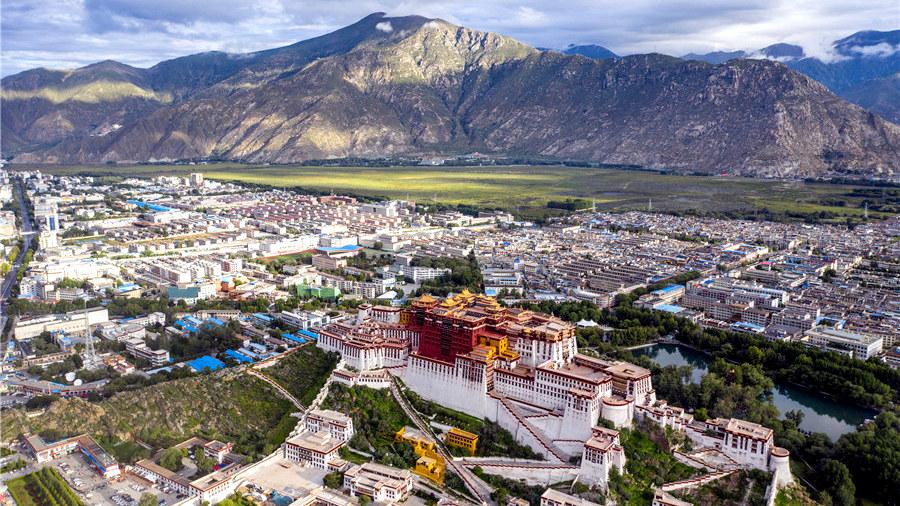
The magnificent Potala Palace stands as the most iconic landmark in Tibet and one of the greatest architectural achievements in the world. Rising dramatically above Marpo Ri Hill, the palace overlooks the entire Lhasa valley, creating a breathtaking skyline that reflects centuries of Tibetan history, spirituality, and royal heritage.
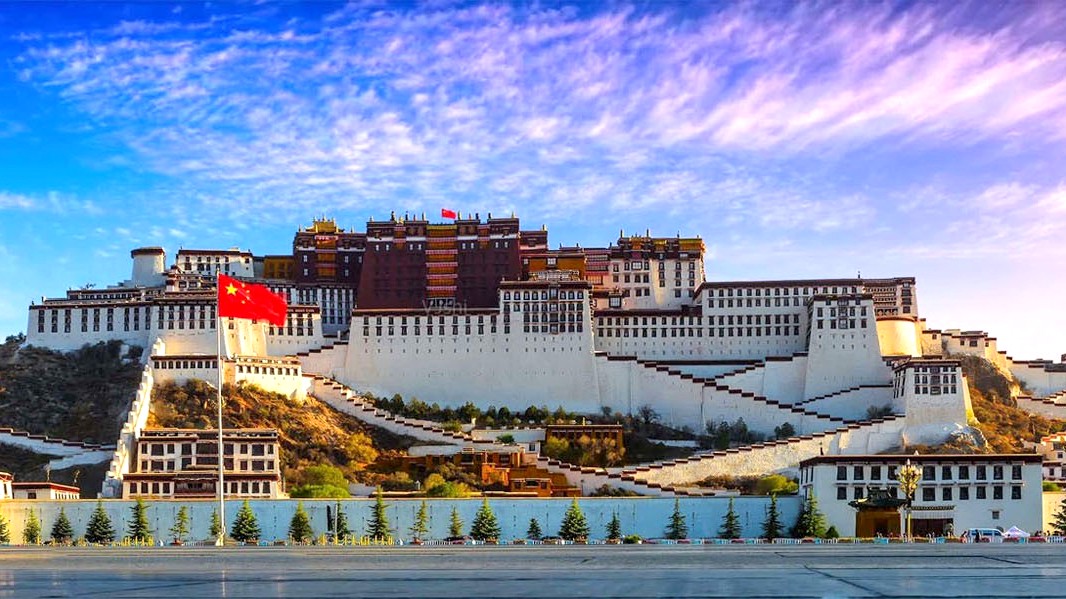
Originally constructed in the 7th century and later expanded in the 17th century, the Potala Palace served as the winter residence of the Dalai Lamas and functioned as the political and religious center of Tibet. Its structure represents a powerful symbol of Tibetan Buddhism, blending governance, spirituality, and culture within a single monumental complex.
Highlights of Potala Palace
- Over 1,000 rooms filled with sacred chambers and historical spaces
- Ancient Buddhist murals, thangkas, and religious paintings
- Golden stupas honoring former Dalai Lamas
- Extensive libraries preserving sacred Tibetan scriptures
- Remarkable Tibetan and Nepalese-inspired architectural design
- Stunning panoramic views of Lhasa city and surrounding mountains
The palace complex is divided into two main sections:
- The White Palace – Once used for administrative duties and residential quarters of the Dalai Lama
- The Red Palace—Dedicated to religious study, prayer halls, chapels, and sacred shrines
Recognized as a UNESCO World Heritage Site, the Potala Palace remains one of Tibet’s most treasured cultural and spiritual landmarks, offering visitors a profound insight into the region’s rich heritage and timeless traditions.
Jokhang Temple – The Holiest Temple in Tibet
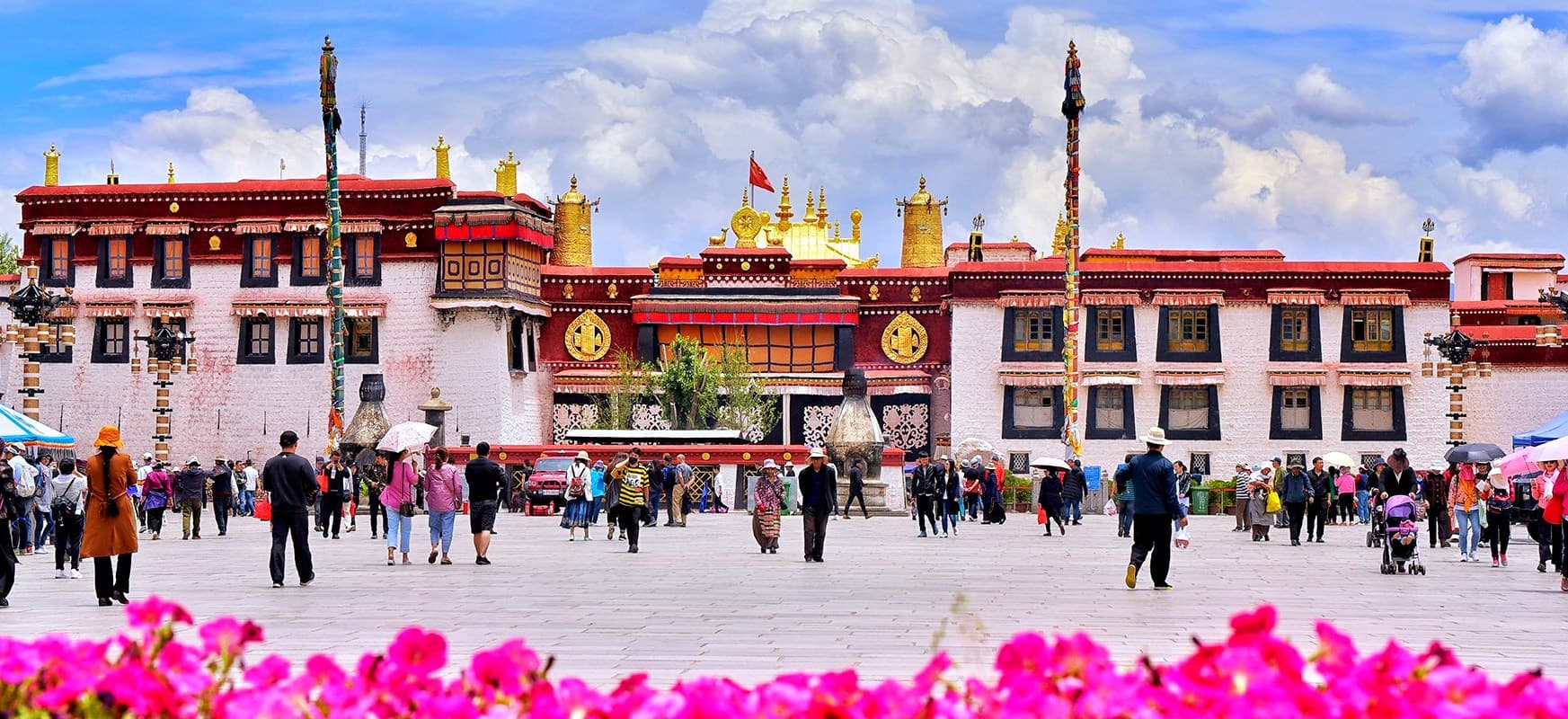
At the very heart of old Lhasa lies the sacred Jokhang Temple, widely regarded as the most important spiritual center of Tibetan Buddhism. Built in the 7th century, this revered temple continues to attract thousands of pilgrims who journey across vast Himalayan landscapes to offer prayers and seek blessings within its sacred walls.
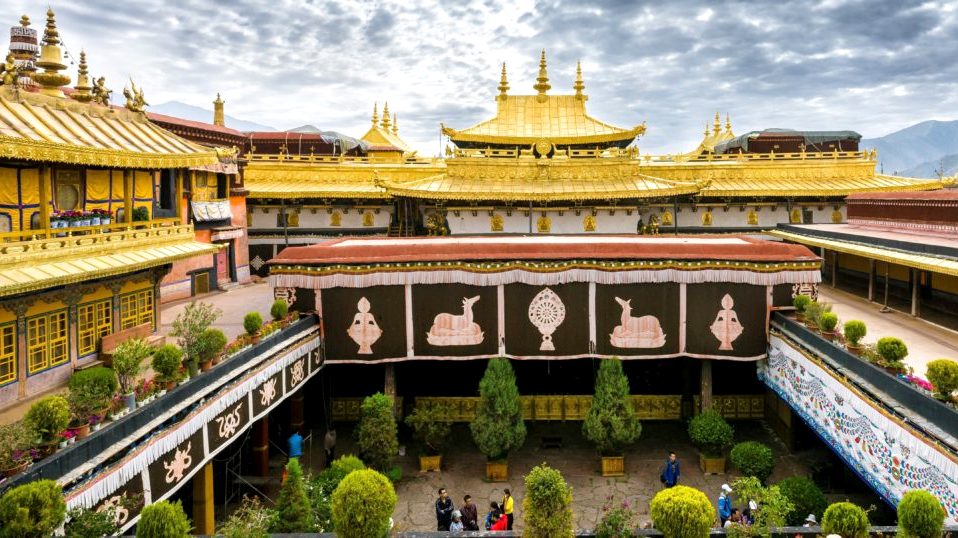
Inside the temple resides the highly venerated statue of Jowo Shakyamuni, believed to be one of the most sacred representations of the Buddha in Tibet. This priceless religious artifact makes Jokhang Temple a deeply powerful place of worship and devotion, drawing pilgrims from all corners of the Tibetan plateau throughout the year.
Why Jokhang Temple Is Special
- The most sacred pilgrimage site in Tibet
- Remarkable example of ancient Tibetan Buddhist architecture
- Deeply spiritual atmosphere filled with chanting and incense
- Intricate murals, statues, and richly decorated prayer halls
- Continuous flow of pilgrims performing daily rituals and ceremonies
One of the most unforgettable experiences in Lhasa is witnessing pilgrims prostrating themselves in devotion outside the temple, a powerful expression of faith that reflects the spiritual essence of Tibetan culture and makes Jokhang Temple a truly profound cultural landmark.
Barkhor Street – The Soul of Old Lhasa
Surrounding the sacred Jokhang Temple in the heart of Lhasa, Barkhor Street stands as one of the oldest and most culturally vibrant areas in Tibet. This historic circular street is more than just a marketplace—it is a sacred pilgrimage route where spirituality and everyday life come together in a deeply meaningful way.
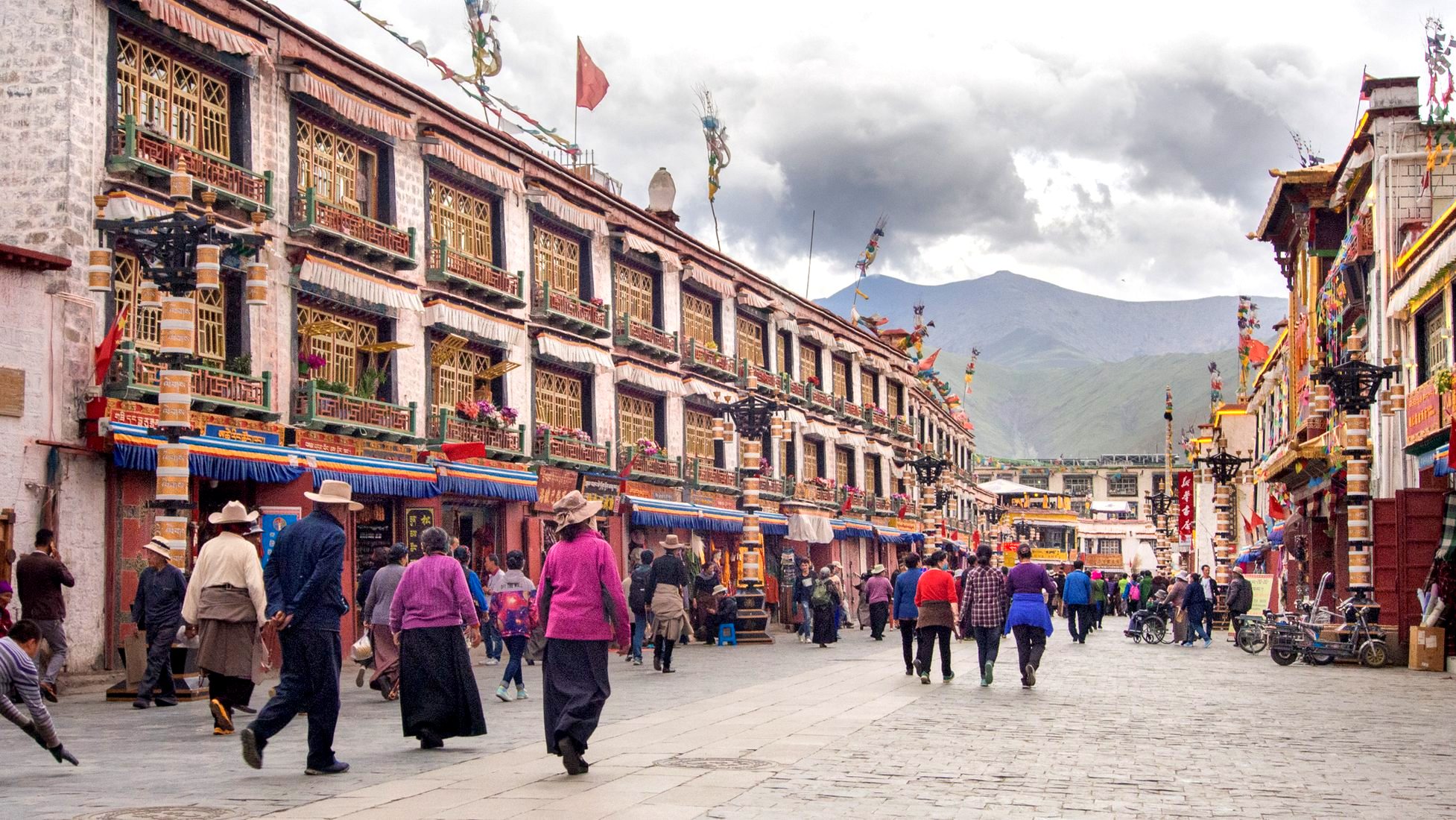
For centuries, Barkhor Street has been a central path for pilgrims performing kora (circumambulation) around Jokhang Temple. At the same time, it has evolved into a lively cultural hub filled with traditional Tibetan shops, food stalls, and social gathering spaces, offering visitors a true sense of local life and heritage.
Things to Experience at Barkhor Street
- Traditional Tibetan handicrafts and souvenirs
- Prayer wheels, incense, and religious artifacts
- Handwoven Tibetan textiles and silver jewelry
- Local tea houses and authentic Tibetan restaurants
- Devoted pilgrims performing kora and prayer rituals
Walking through Barkhor Street allows travelers to experience the living culture of Tibet up close, where spirituality, commerce, and tradition blend seamlessly into one unforgettable atmosphere.
Sera Monastery – Home of the Famous Monk Debates
On the outskirts of Lhasa lies the renowned Sera Monastery, one of Tibet’s most important centers of Buddhist learning and monastic education. Established in 1419, this historic monastery is part of the great “three university monasteries” of Tibet and continues to play a vital role in preserving Tibetan Buddhist philosophy and teachings.
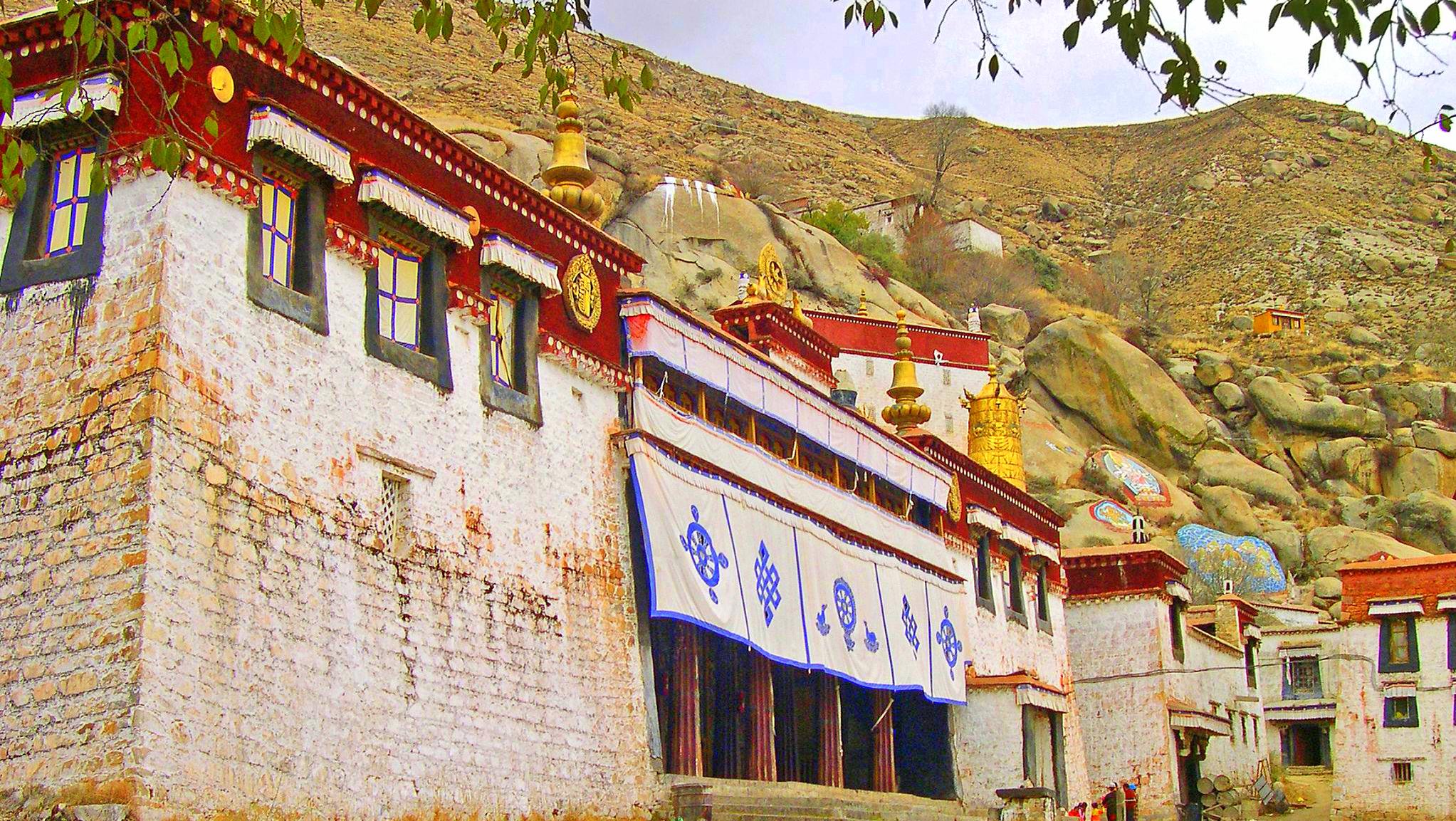
Sera Monastery is best known worldwide for its unique monk debates, where monks engage in lively and energetic philosophical discussions. Using expressive hand gestures, rhythmic clapping, and rapid questioning, these debates are an essential part of their training, helping monks deepen their understanding of Buddhist scriptures and sharpen their reasoning skills.
Highlights of Sera Monastery
- Traditional Buddhist philosophical debate sessions held in open courtyards
- Ancient scriptures, sacred texts, and beautifully preserved murals
- Peaceful prayer halls, chapels, and monastic study areas
- Deep insight into Tibetan Buddhist education and daily monastic life
- Stunning examples of traditional Tibetan architecture
The famous debates, held in the monastery’s courtyards, offer visitors a rare and fascinating glimpse into the intellectual and spiritual traditions of Tibetan Buddhism, making Sera Monastery one of the most captivating cultural experiences in Lhasa.
Norbulingka – The Summer Palace of the Dalai Lamas
Within the serene landscape of Lhasa lies the beautiful Norbulingka, meaning “Jewel Park” in Tibetan. This elegant palace complex once served as the traditional summer residence of the Dalai Lamas and remains one of the most peaceful and culturally significant sites in Tibet.
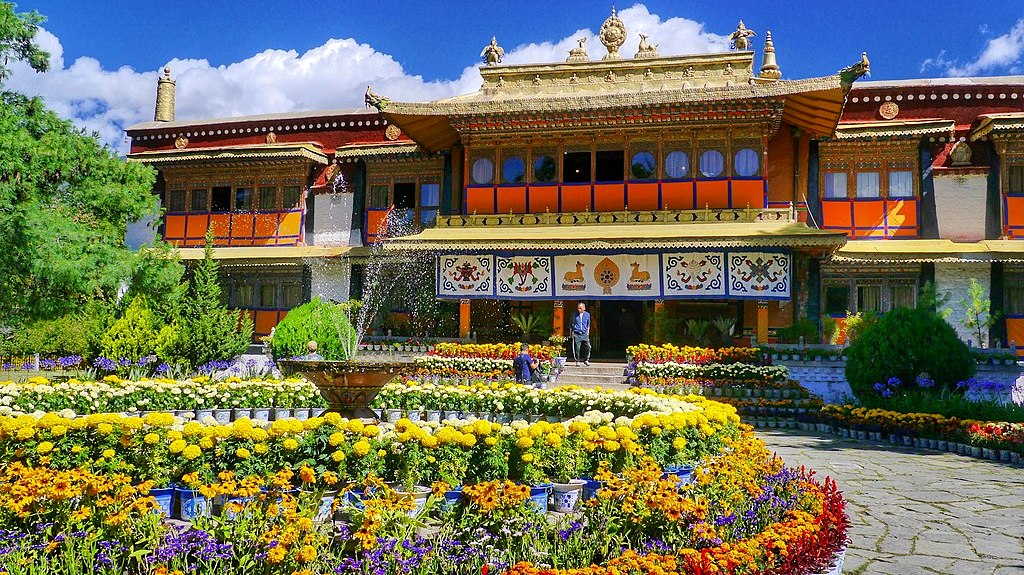
Norbulingka is admired for its harmonious blend of spirituality, nature, and royal heritage. The complex features lush gardens, ornamental ponds, traditional Tibetan architecture, and intricately decorated palace rooms filled with murals and historical artifacts. It reflects the refined artistic and cultural achievements of Tibetan civilization while offering a calm retreat from the energetic streets of Lhasa.
Combining royal history with natural beauty, Norbulingka stands as a symbol of tranquility and cultural richness, making it an essential stop for travelers seeking a deeper understanding of Tibet’s heritage and lifestyle.
Tibetan Cuisine You Must Try in Lhasa
Food in Lhasa reflects the region’s high-altitude environment, cold climate, and traditional way of life. Tibetan cuisine is known for being hearty, nourishing, and energy-rich—carefully designed to sustain people living on the Himalayan plateau. Every dish carries cultural meaning and is deeply connected to Tibetan daily life and hospitality.
Visitors exploring local eateries around Barkhor Street will find a wide variety of authentic flavors that showcase the richness of Tibetan culinary traditions.
Popular Tibetan Foods
Momos: Steamed or fried dumplings filled with meat or vegetables, served with spicy dipping sauce. Momos are one of the most loved snacks in Tibet and a must-try for every traveler.
Thukpa: A warm and comforting noodle soup made with vegetables, yak meat, or beef. It is especially popular during cold weather and high-altitude travel.
Tsampa: A traditional staple made from roasted barley flour mixed with butter tea. Tsampa is one of the most important and historic foods in Tibetan culture.
Butter Tea: A unique salty tea made with tea leaves, yak butter, and salt. It is an essential drink in Tibetan households, providing warmth and energy throughout the day.
Yak Meat Dishes: Yak meat is widely used in Tibetan cuisine due to its availability and rich flavor. It is prepared in stews, soups, and grilled dishes.
Along with traditional Tibetan food, many restaurants in Lhasa also serve Nepalese, Indian, Chinese, and Western dishes, offering a diverse dining experience for international travelers.
Accommodation Options in Lhasa
Lhasa offers a wide range of accommodation options to suit different budgets and travel styles, from luxury stays to simple local guesthouses.
Luxury Hotels: High-end hotels in Lhasa provide premium comfort with Tibetan-inspired interiors, spa facilities, fine dining restaurants, and excellent service, making them ideal for travelers seeking a relaxed and comfortable stay.
Mid-Range Hotels: These hotels are commonly found near central Lhasa and areas around Barkhor Street. They offer a balance of comfort, convenience, and affordability, making them a popular choice for most travelers.
Guesthouses and Tibetan Homestays: For a more authentic cultural experience, guesthouses and homestays allow visitors to connect with local Tibetan families, enjoy traditional hospitality, and experience daily life in a more personal and immersive way.
Tibetan Festivals in Lhasa
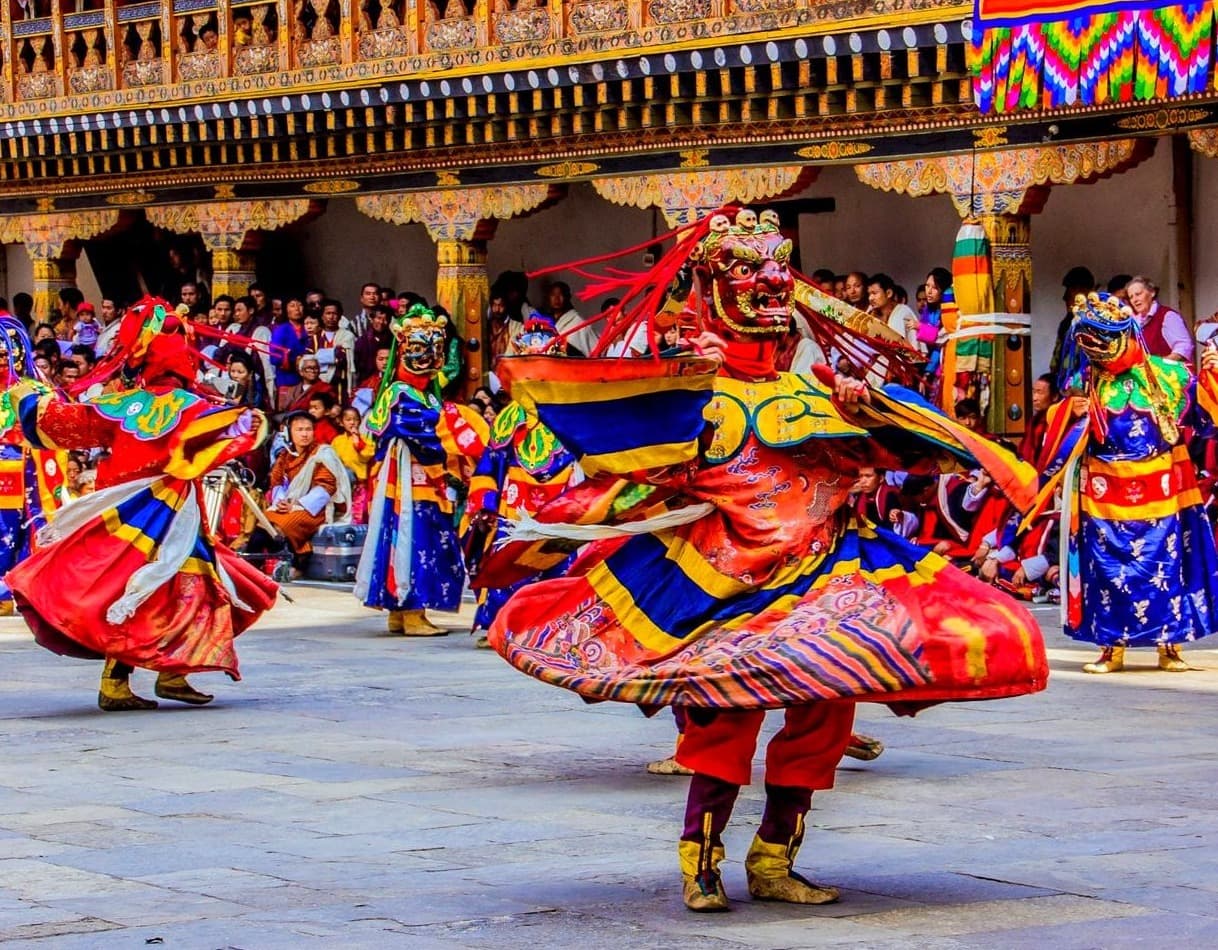
Tibetan festivals in Lhasa are among the most vibrant and spiritually significant celebrations in the Himalayan region. Deeply rooted in Tibetan Buddhism, these festivals bring together religion, culture, music, dance, and community life. They are not only moments of celebration but also important occasions for prayer, devotion, and cultural preservation.
Throughout the year, monasteries, streets, and public squares come alive with colorful decorations, traditional performances, and large gatherings of pilgrims and locals. These festivals offer travelers a rare opportunity to witness authentic Tibetan traditions in their most lively and meaningful form.
Losar (Tibetan New Year): Losar is the most important festival in Tibet, marking the beginning of the Tibetan lunar calendar. Celebrations last for several days and include family gatherings, special prayers, traditional music, and festive meals. Homes and monasteries are decorated, and people wear their finest traditional clothing to welcome the new year with hope and blessings.
Shoton Festival: The Shoton Festival, also known as the Yogurt Festival, is famous for its cultural performances and the unveiling of giant thangka paintings. Held mainly in summer, it features Tibetan opera performances, picnics, and religious ceremonies. It is one of the most visually spectacular festivals in Lhasa.
Saga Dawa Festival: Saga Dawa is one of the most sacred Buddhist festivals, commemorating the birth, enlightenment, and death of Lord Buddha. During this month-long celebration, pilgrims perform kora around sacred sites such as Jokhang Temple and engage in acts of charity and prayer, creating a deeply spiritual atmosphere across the city.
Monlam Prayer Festival: The Monlam Prayer Festival is one of the largest religious gatherings in Tibet. Monks and devotees come together to pray for peace, prosperity, and compassion for all beings. The festival includes prayer ceremonies, philosophical debates, and communal rituals held in monasteries like Sera Monastery.
These festivals provide incredible opportunities to witness authentic Tibetan traditions and ceremonies, offering travelers a deeper understanding of the spiritual and cultural richness of Tibet.
Best Time to Visit Lhasa
The ideal time to explore Lhasa depends on the kind of experience you are looking for—whether it’s clear Himalayan views, vibrant festivals, or peaceful cultural exploration. Thanks to its high-altitude climate, Lhasa experiences distinct seasons, each offering a unique perspective of the city’s spiritual and natural beauty. Spring and autumn are generally considered the most favorable seasons, as they provide pleasant weather, clear skies, and excellent visibility of the surrounding mountains and landscapes. However, every season in Lhasa has its own charm and cultural significance.
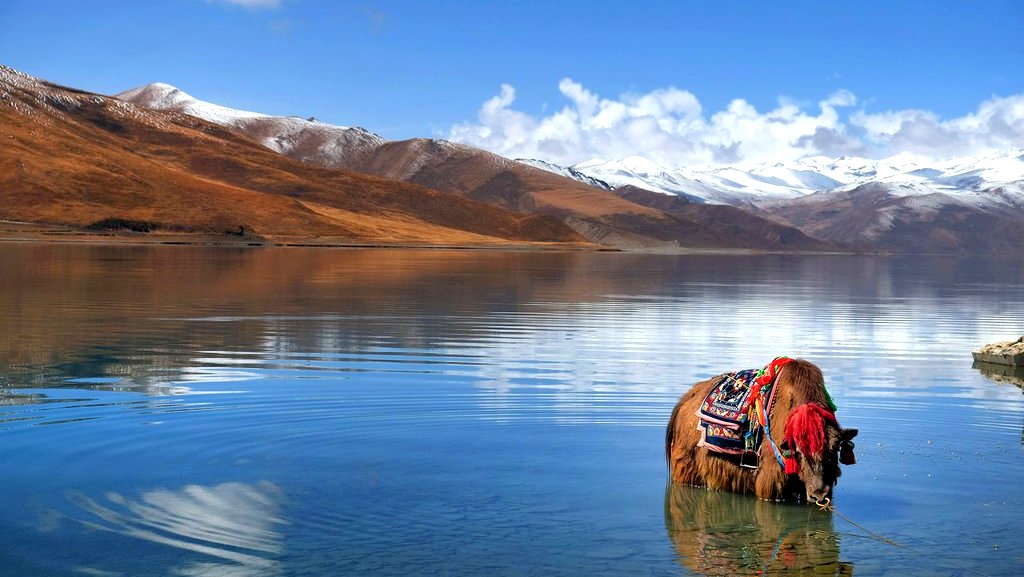
Spring (April to June): Spring brings mild temperatures and refreshing weather after the long winter. The city begins to bloom, making it an excellent time for sightseeing and outdoor exploration. Clear skies also allow for stunning views of monasteries and mountain backdrops.
Summer (July to August): Summer is the warmest season in Lhasa and also the most vibrant. This period coincides with important Tibetan festivals, creating a lively cultural atmosphere across the city. It is one of the best times to experience traditional celebrations and local gatherings.
Autumn (September to October): Autumn is widely regarded as the best season to visit Lhasa. The weather is comfortable, the skies are crystal clear, and the Himalayan views are at their most spectacular. With fewer crowds, it is also ideal for photography and peaceful exploration of monasteries and heritage sites.
Winter (November to March): Winter offers a quieter and more serene side of Lhasa. Monasteries are peaceful, tourist crowds are minimal, and travel costs are often lower. This season also provides a unique opportunity to witness Tibetan New Year celebrations and experience local life in a more intimate setting.
Important Travel Tips for Lhasa
Traveling to Lhasa is a truly rewarding experience, but proper preparation is essential to ensure a safe, comfortable, and culturally respectful journey. Due to its high altitude, unique regulations, and strong cultural traditions, visitors should keep a few important travel guidelines in mind before and during their trip.
Acclimatize to the Altitude: Lhasa sits at a high elevation, which can cause altitude sickness for some travelers. It is important to rest on arrival, avoid strenuous activity for the first few days, and stay well hydrated to allow your body to adjust gradually.
Arrange Tibet Travel Permits: Foreign travelers must obtain special Tibet travel permits in addition to a valid Chinese visa. These permits are typically arranged through authorized tour operators or travel agencies before entering Tibet.
Respect Tibetan customs.
Tibetan culture is deeply spiritual, and respecting local traditions is essential:
- Dress modestly when visiting monasteries and religious sites
- Walk clockwise around temples and sacred buildings
- Ask permission before photographing monks or local people
- Avoid touching religious artifacts or sacred objects
Carry Cash: Although digital payment systems are becoming more common, many local markets, small shops, and tea houses still prefer cash transactions. Carrying sufficient local currency is highly recommended.
Exploring Lhasa is a journey into a world where spirituality, history, and culture exist in perfect harmony. From ancient monasteries and sacred temples to vibrant streets, traditional festivals, and breathtaking Himalayan landscapes, every experience in Lhasa offers a deeper connection to Tibetan heritage and Buddhist traditions. The city’s timeless beauty and peaceful atmosphere leave a lasting impression on every traveler.
Whether you are drawn by its spiritual significance, cultural richness, or natural scenery, Lhasa promises an unforgettable travel experience that goes far beyond sightseeing. It is a destination that inspires reflection, respect, and appreciation for one of the world’s most unique and enduring cultures.
If you need any further information, please contact us by email at [email protected],or phone +977 980-1956245 (WhatsApp)