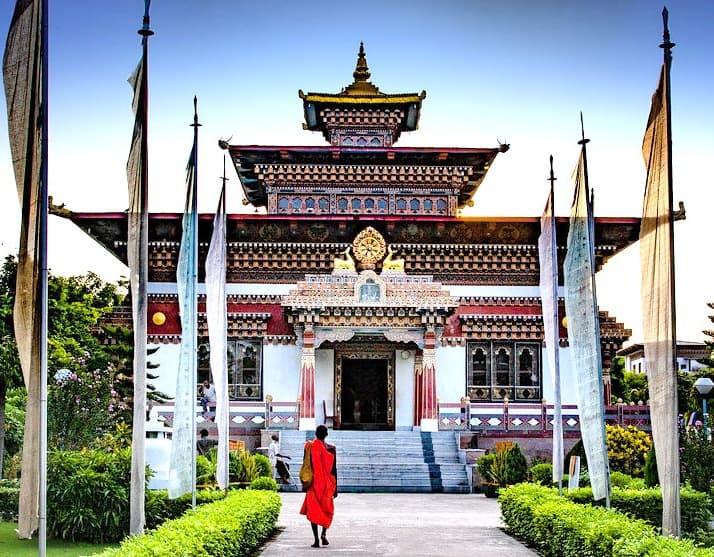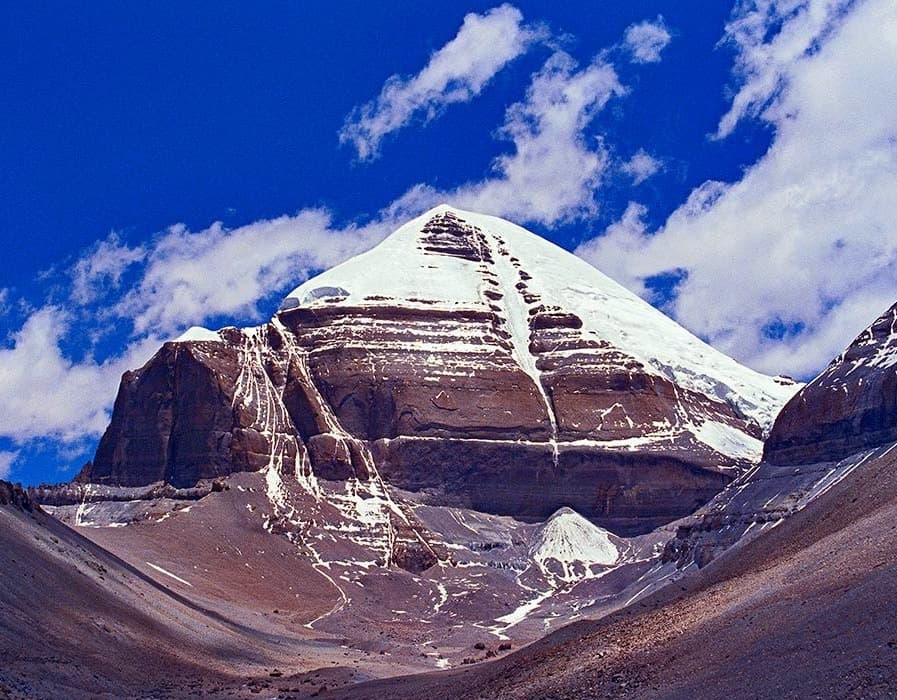
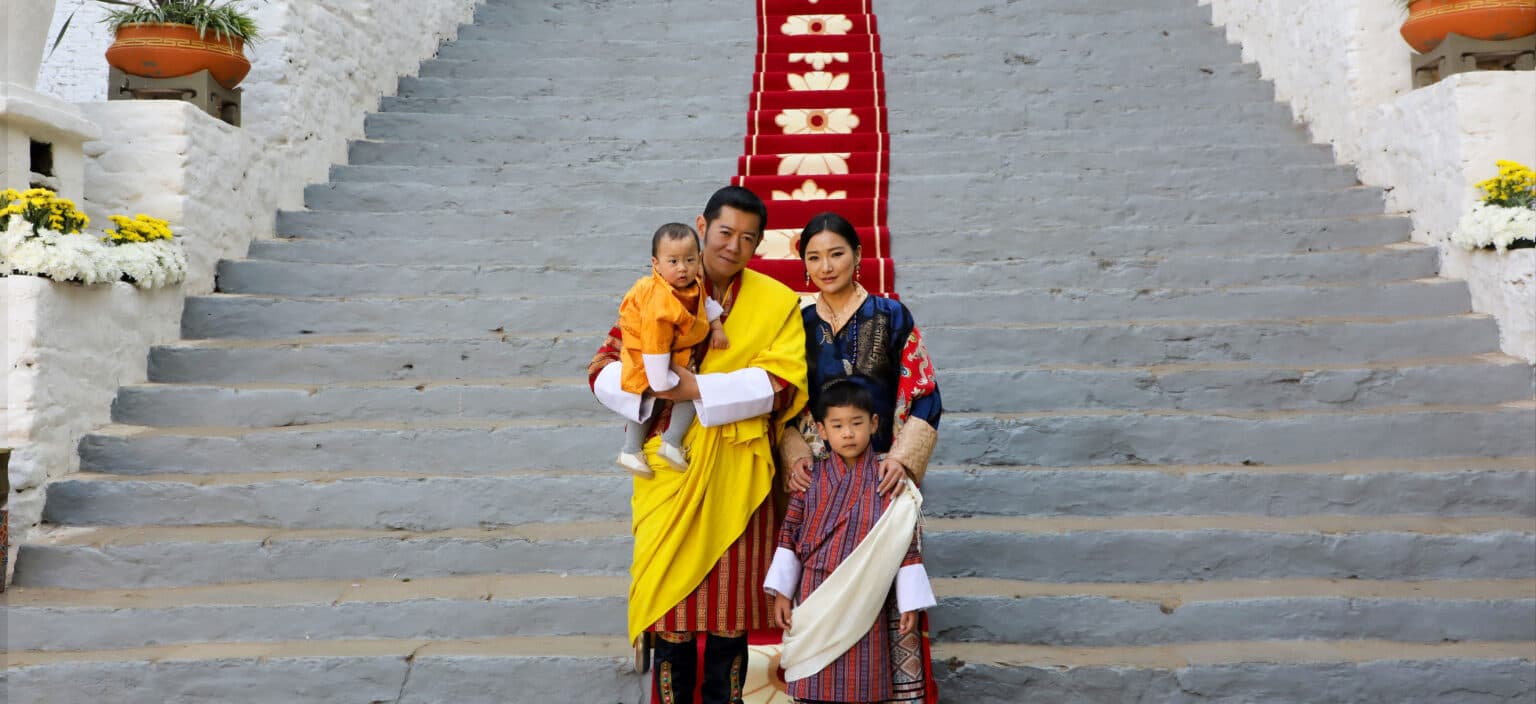
Exploring Bhutan with family is an enriching experience that combines adventure, culture, and natural beauty, making it one of the best family holiday destinations in Bhutan. This kingdom offers a variety of kid-friendly activities in Bhutan, from gentle treks through picturesque landscapes to participating in vibrant local festivals. For those seeking an immersive experience, cultural experiences for families in Bhutan provide a deep dive into the nation’s rich heritage through interactive crafts and traditional storytelling. With a range of family adventures in Bhutan, including archery, bird watching, and visits to iconic fortresses, there’s no shortage of activities to engage both children and adults. Whether you're looking for the best Bhutan family vacation packages or just some memorable things to do with kids in Bhutan, this Himalayan kingdom caters to all ages, making every journey a treasured family outing.
At Druk Holidays, we pride ourselves on being the premier choice for Family-friendly Bhutan tours. Our tailored itineraries are designed to deliver a seamless and enriching travel experience that caters to the needs of all family members, from the youngest adventurers to the eldest explorers. We offer the best Bhutan family vacation packages that are not only enriching but also packed with a variety of kid-friendly activities in Bhutan. With Druk Holidays, your family can enjoy everything from easy and scenic treks to immersive cultural experiences for families in Bhutan, ensuring that each family member gains a deep appreciation for Bhutan's unique heritage and breathtaking landscapes. Whether you’re seeking adventure, relaxation, or a mix of both, our expertly crafted tours ensure that your family has the opportunity to create lasting memories in one of the world’s most beautiful and serene family holiday destinations in Bhutan.
Cultural Immersion in Bhutan
Exploring Bhutan offers an unparalleled opportunity to dive deep into a culture steeped in tradition and spirituality. A cultural immersion tour in Bhutan allows families to engage directly with the country’s rich heritage, offering a blend of educational and interactive experiences that highlight the unique customs and practices of this Himalayan kingdom.
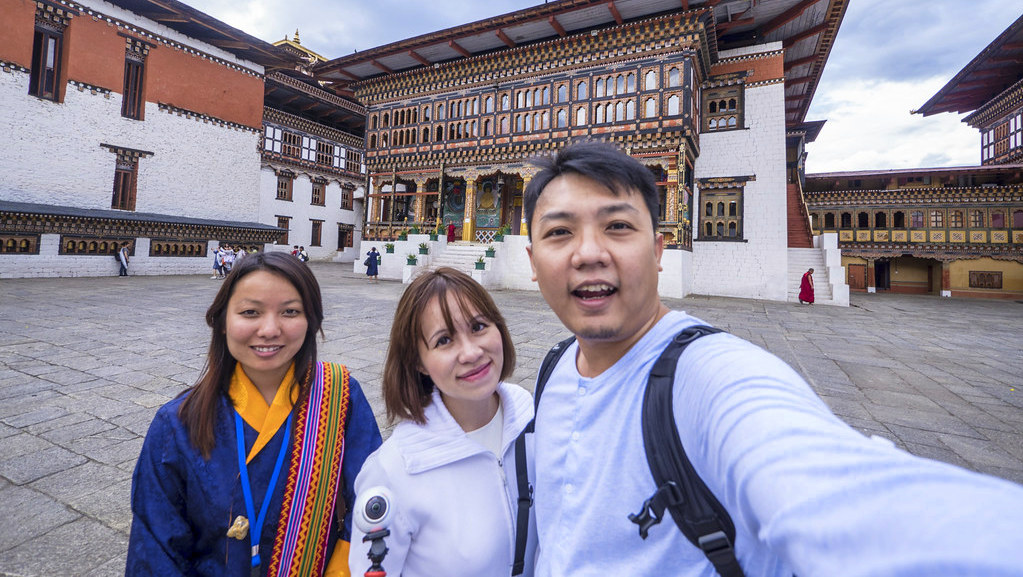
- Dzong Visits: Tour the majestic dzongs like Paro Dzong and Punakha Dzong, where families can learn about Bhutanese architecture and the monastic life that forms the core of Bhutanese culture.
- Traditional Festivals: Participate in local festivals such as the Thimphu Tshechu or Paro Tshechu. These festivals are a spectacle of dance, music, and colorful costumes, offering a glimpse into the spiritual and communal life of the Bhutanese people.
- Textile Weaving: Experience the art of Bhutanese textile weaving in the weaving villages of Bumthang or the Royal Textile Academy in Thimphu, showcasing intricate designs that are recognized worldwide.
- Archery Demonstrations: Witness or participate in archery, the national sport of Bhutan, at local competitions or cultural events. Archery in Bhutan is not just a sport but a festive activity filled with music, dance, and camaraderie.
- Buddhist Monastery Visits: Explore serene monasteries and receive blessings from monks. Families can partake in meditation sessions or listen to monks chant in the serene settings of monasteries like Gangtey Gompa.
- Traditional Arts and Crafts: Engage in workshops that teach Thangka painting, woodcarving, or mask making. These workshops are conducted by local artisans and provide hands-on experience in some of the kingdom’s most revered art forms.
- Culinary Experiences: Take part in a traditional Bhutanese cooking class where families can learn to prepare dishes such as Ema Datshi and Red Rice, allowing a taste of Bhutanese flavors that are as complex as their culture.
A cultural immersion in Bhutan offers more than just sightseeing; it provides an educational experience that brings families closer to understanding the depth of Bhutanese traditions and lifestyle. Through these immersive activities, visitors of all ages gain a profound appreciation for the country’s culture, making their journey through Bhutan truly unforgettable.
Scenic Treks
Bhutan, often referred to as the "Last Shangri-La," boasts some of the most beautiful and untouched trekking routes in the world. Scenic treks in Bhutan offer families the chance to explore breathtaking landscapes ranging from lush forests and alpine meadows to rugged mountain passes, all while immersing themselves in the tranquility of nature. These treks are not only a way to witness the natural beauty of Bhutan but also to experience its spiritual essence.
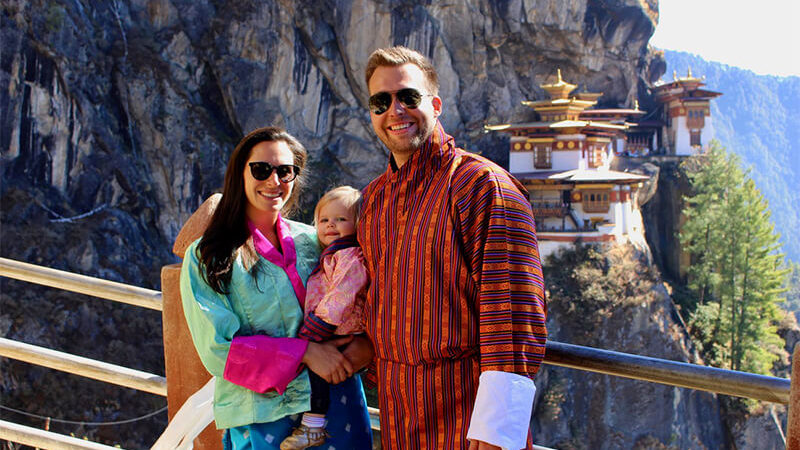
- Tiger's Nest Monastery Trek: Perhaps the most iconic trek in Bhutan, this moderate hike leads to the spectacularly perched Paro Taktsang or Tiger's Nest Monastery. The views across the Paro Valley are stunning, and the spiritual atmosphere at the monastery is palpable.
- Druk Path Trek: This is one of the most popular treks for those looking to experience high altitude lakes, ancient lhakhangs (temples), and stunning landscapes with relatively moderate difficulty. It connects the valleys of Paro and Thimphu, crossing a series of beautiful, isolated mountains.
- Bumthang Cultural Trek: This trek offers a combination of natural and cultural exploration, passing through several villages, monasteries, and temples. It's particularly suitable for families as it is relatively easy and short.
- Gangtey Trek: Ideal for beginners and families, this gentle trek in the Phobjikha Valley offers an excellent opportunity to see the famous black-necked cranes and visit the Gangtey Monastery amidst rolling hills and meadows.
- Jomolhari Trek: For more adventurous families, this challenging trek leads to the base of Mt. Jomolhari, Bhutan’s third highest peak. It’s known for its breathtaking mountain views and the chance to see traditional yak herder’s life.
- Chele La Nature Trek: A less demanding trek that is great for families with children. It offers magnificent views of Mt. Jomolhari and Jichu Drake and is known for its diverse flora and fauna.
- Laya Gasa Trek: Although more challenging, this trek is rewarding with its stunning landscapes, opportunity to meet the indigenous Laya people, and possibly sighting the elusive snow leopard.
Scenic treks in Bhutan are a wonderful way for families to connect with nature and each other, offering a peaceful escape from the hustle and bustle of daily life. Each trail provides its own unique set of wonders, from high mountain passes to secluded monastic retreats, making every step an adventure in this Himalayan paradise. Whether seeking spiritual solace or adventurous hikes, Bhutan’s trails welcome all who tread them.
Archery and Dart Throwing
In Bhutan, archery and dart throwing are not just sports; they are vital parts of the cultural fabric, steeped in tradition and festivity. For families visiting Bhutan, participating in or watching these traditional games offers a unique glimpse into Bhutanese life and provides a fun, interactive experience. These activities are celebrated with a lot of enthusiasm, making them perfect for visitors looking to immerse themselves in local culture.
- National Sport of Archery: Archery is Bhutan's national sport and an essential aspect of every festival and social gathering. Visitors can watch traditional archery competitions where teams dress in colorful Bhutanese attire and compete amidst music and dance.
- Technique and Equipment: Experience traditional Bhutanese archery using bamboo bows and arrows. Modern compound bows are also used, especially in urban areas, offering a different kind of archery experience.
- Festive Atmosphere: Archery competitions are lively events, filled with traditional music, dancing, and good-natured banter among competitors and spectators, creating a festive atmosphere.
- Community Participation: Families visiting Bhutan can not only watch but also participate in archery and dart throwing sessions. Many local clubs and community centers are happy to arrange informal sessions for tourists.
- Kuru - Traditional Dart Throwing: Similar to archery, kuru is a popular dart throwing game played in Bhutan. It involves throwing wooden darts with a metal tip over a distance of about 20 meters at a small target.
- Learning from the Locals: Engaging with local archers and dart throwers provides an excellent opportunity for visitors to learn about the techniques, rules, and significance of these games in Bhutanese culture.
- Cultural Integration: Participating in these sports allows visitors to integrate more deeply with the local community, providing not just entertainment but a meaningful cultural exchange.
Whether you're a sports enthusiast or just looking for a unique cultural experience, trying your hand at archery and dart throwing in Bhutan is a must. These activities offer fun for the entire family and a deeper understanding of the cultural importance of these traditional games in Bhutanese society. Engaging in archery and dart throwing is not only about aiming at the target but also about connecting with Bhutan’s heritage and its people.
Wildlife Safari
Bhutan's commitment to maintaining a vast proportion of its land under forest cover makes it a sanctuary for a wide variety of wildlife, making wildlife safari an essential part of the Bhutanese experience. For families looking to explore the natural world, Bhutan offers several wildlife reserves where visitors can observe rare and endangered species in their natural habitats. These safari provide a great opportunity for educational and conservation-awareness activities that can be enjoyed by both children and adults.
- Jigme Dorji National Park: This park is one of the largest protected areas in Bhutan and home to many species that are rarely seen elsewhere, including the elusive snow leopard, takin, and the Himalayan blue sheep. Guided tours provide insights into the conservation efforts and the chance to witness these magnificent animals in the wild.
- Royal Manas National Park: Known as the conservation showpiece of the Kingdom and a sister park to India’s Manas Tiger Reserve, this park offers one of the best wildlife experiences in Bhutan. Visitors can spot tigers, elephants, rhinoceros, and various species of deer during a safari adventure.
- Phobjikha Valley: While not a typical safari, the valley is an important wildlife habitat for the black-necked cranes. These majestic birds migrate here from the Tibetan Plateau in the winter, offering a spectacular sight and making it a prime location for bird-watching enthusiasts.
- Bumdeling Wildlife Sanctuary: Located in the northeastern part of Bhutan, this sanctuary is another important habitat for the black-necked crane. Apart from the cranes, visitors might also see musk deer, red pandas, and numerous bird species.
- Sakteng Wildlife Sanctuary: This sanctuary is unique as it is known for its mythical creature, the Yeti, believed to roam the area. While spotting a Yeti may not be guaranteed, the area is rich with other wildlife, including the red panda and Himalayan black bear.
- Bhutan Butterfly Tour: For something a little different, some safaris specialize in the diverse butterfly species found in Bhutan. These tours are particularly great for families, offering children the delightful experience of seeing hundreds of colorful butterflies fluttering in wildflower fields.
- Educational Programs: Many of Bhutan’s wildlife reserves include educational centers where families can learn about the local fauna, flora, and ongoing conservation efforts. These programs are designed to be informative and engaging for visitors of all ages.
A wildlife safari in Bhutan is more than just an excursion; it’s an exploration into the heart of the Himalayas' biodiversity. For families traveling to Bhutan, participating in a safari is a chance to educate children about the importance of conservation while experiencing the thrill of seeing some of the world’s most fascinating wildlife up close. These safaris not only highlight the beauty of Bhutan’s natural environment but also its commitment to preserving it for future generations.
Educational Activities
Bhutan offers a host of educational activities that provide deep insights into its rich culture, history, and environmental conservation efforts. These activities are designed to be informative and engaging, making learning fun for visitors of all ages, especially families with children. Participating in these activities not only enhances the travel experience but also enriches visitors' understanding of Bhutan's unique heritage and landscapes.
- Traditional Arts Workshops: Participate in workshops on Thangka painting, sculpture, and mask-making, which are held in various arts and crafts schools across the country. These workshops provide hands-on experience and a deeper appreciation of Bhutanese art forms.
- Environmental Education: Learn about Bhutan’s pioneering environmental policies and its efforts to maintain biodiversity at one of the many eco-centers or during guided nature walks in national parks. These programs often include information on local flora and fauna, as well as Bhutan's unique approach to conservation.
- Bhutanese Cooking Classes: Engage in cooking classes where you can learn how to prepare traditional Bhutanese dishes such as Ema Datshi and Momos. These classes offer a tasty and interactive way to understand Bhutanese culture through its cuisine.
- History and Culture Talks: Attend lectures or guided tours led by local historians or monks at significant cultural sites. These talks provide insights into the spiritual and historical significance of places such as dzongs and monasteries.
- Farming and Homestay Experiences: Spend a day or more living with a Bhutanese family in a traditional farmhouse. Participate in daily farm activities such as milking cows, churning butter, and traditional farming. This immersive experience offers a firsthand look at rural Bhutanese life.
- Language Lessons: Take introductory classes in Dzongkha, the national language of Bhutan. Learning basic phrases and greetings enhances interactions with local people and deepens the cultural experience.
- Archery and Dart Throwing Lessons: Learn the national sports of Bhutan from local experts. These lessons not only teach the skills involved in archery and dart throwing but also the cultural importance of these sports in Bhutanese society.
The educational activities available in Bhutan are a testament to the country's rich cultural tapestry and its commitment to environmental stewardship and sustainability. By engaging in these activities, families can gain a more comprehensive understanding of Bhutan, making their visit not just a vacation but a meaningful learning experience. These activities are tailored to be accessible and enjoyable for visitors of all ages, ensuring that every family member comes away with valuable knowledge and cherished memories.
Natural Hot Springs
Bhutan's natural hot springs, or Tshachus, are renowned for their medicinal properties and are an integral part of traditional Bhutanese culture. Located throughout the rugged Himalayan landscapes, these hot springs offer a unique way for visitors to unwind and experience a slice of local life while enjoying the natural scenic beauty. For families, visiting these hot springs can be both a relaxing and enlightening part of their Bhutanese adventure.
- Gasa Tshachu: Nestled in the northern region of Bhutan, Gasa Tshachu is one of the most famous hot springs, known for its therapeutic benefits and picturesque setting near Gasa Dzong. The journey to Gasa is as scenic as it is therapeutic, with lush landscapes and the opportunity to spot local wildlife.
- Chubu Tshachu: Located in Punakha, this hot spring is less known but equally rewarding, with fewer crowds and pristine surroundings. It’s ideal for families seeking a more secluded and intimate experience.
- Dur Tshachu: Situated in Bumthang, this hot spring is set deep in the forest and is famous for its healing properties. It is accessible via a trek, adding an element of adventure to the experience.
- Menjong Tshachu: Located in the southern part of Bhutan, this hot spring is revered for its ability to cure bodily aches and skin ailments. The remote location offers a peaceful retreat away from more touristic sites.
- Gelephu Tshachu: In the southern plains of Bhutan, this hot spring is easily accessible compared to others and is known for its large pools that can accommodate more visitors, making it suitable for families.
- Rindibi Tshachu: Known for its stunning river valley setting, this hot spring offers a rustic experience, with simple facilities that allow visitors to soak in the mineral-rich waters while enjoying the natural environment.
- Education on Medicinal Benefits: Many hot springs offer educational talks or information boards explaining the mineral composition of the waters and their health benefits. This educational aspect adds value to the visit, especially for families interested in natural health remedies.
Visiting the hot springs in Bhutan is not only a chance to relax and rejuvenate but also to engage with an important aspect of Bhutanese culture. These natural wonders provide a serene escape from the daily grind and are a perfect addition to any family tour in Bhutan. They offer a peaceful environment where visitors can soak in warm, mineral-rich waters while surrounded by some of the most breathtaking landscapes on earth. Whether you seek relaxation, health benefits, or a touch of adventure, Bhutan’s hot springs are a must-visit destination.
Local Cuisine
Bhutanese cuisine is an essential part of the country's cultural identity, characterized by its aromatic flavors, bold spices, and a staple of hearty ingredients. For visitors, exploring Bhutan's local cuisine offers a delightful insight into the nation's traditions and way of life. Families traveling to Bhutan can enjoy a culinary journey that not only satisfies the palate but also enhances their cultural understanding of this unique Himalayan kingdom.
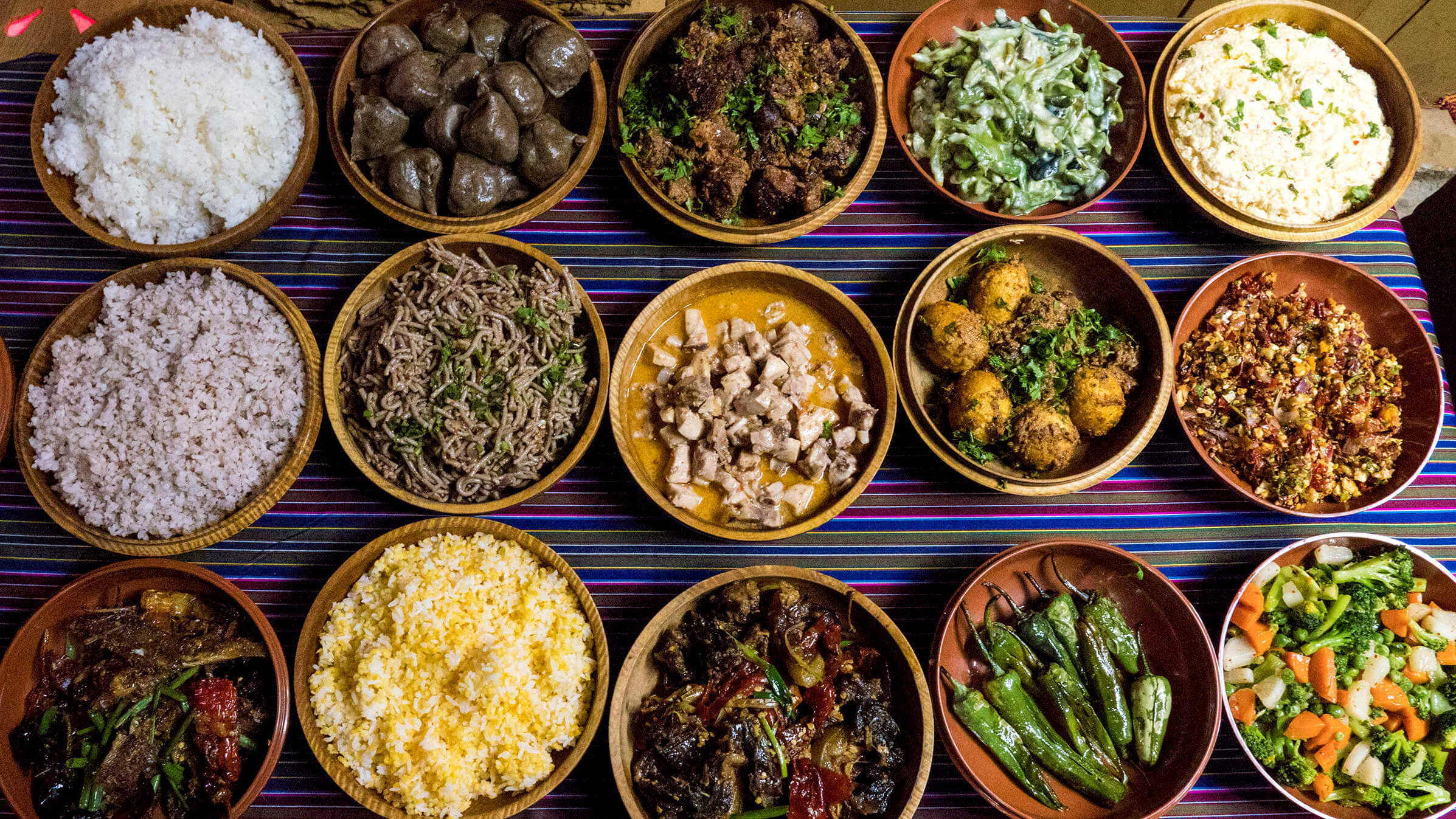
- Ema Datshi: This is the national dish of Bhutan, consisting of spicy chilies and delicious local cheese. It’s a must-try for anyone visiting Bhutan, offering a taste of true Bhutanese flavors. Variations include adding mushrooms, potatoes, or green beans.
- Momos: These Tibetan-style dumplings have become a staple in Bhutanese cuisine. Filled with either meat or vegetables, they are steamed or fried and served with spicy dipping sauces. Participating in a momo-making class can be a fun family activity.
- Red Rice: A Bhutanese dietary staple, this nutty-flavored, whole grain rice is often served as a side with various dishes. It's grown in the Paro Valley and is known for its nutritious qualities.
- Jasha Maroo: A spicy chicken stew, this dish is seasoned with ginger, garlic, and onions, and sometimes includes tomatoes and green chilies. It's a comforting meal that showcases the local poultry and spices.
- Butter Tea: Known locally as Suja, this is a traditional drink made from tea leaves, butter, and salt. It’s an acquired taste for many but is a central part of Bhutanese hospitality and a must-try experience.
- Buckwheat Pancakes and Noodles: In the Bumthang region, buckwheat is used to make pancakes and noodles, offering a different flavor and texture from the more common rice dishes. These are often served with homemade cheese or other local accompaniments.
- Seasonal Foods: Depending on the time of year, visitors can enjoy fresh, organic fruits and vegetables that are integral to Bhutanese cuisine. Common produce includes apples, peaches, pears, and various citrus fruits in the cooler months, and mushrooms, asparagus, and spinach in the warmer seasons.
Exploring the local cuisine in Bhutan is an adventure in itself, rich with flavors and traditions that reflect the country’s geographical diversity and cultural heritage. For families, it’s an excellent opportunity to bond over shared meals and new tastes, creating lasting memories. Each dish tells a story of Bhutan’s agricultural practices and Buddhist influences, making dining an integral part of the travel experience in Bhutan. Whether you’re enjoying a simple meal of red rice and ema datshi or indulging in a variety of momos, the local cuisine is sure to leave a lasting impression.
Best Time for Family Tour in Bhutan
When planning a family tour to Bhutan, choosing the right time to visit is crucial to ensure that you enjoy the most pleasant weather and can participate in various cultural and outdoor activities. Bhutan's climate varies significantly across its different regions due to its mountainous terrain, but there are generally two optimal periods during the year that are ideal for family visits.
Spring (March to May)
- Weather: Spring is one of the best times to visit Bhutan as the climate is mild with occasional rainfall. The temperature ranges from 10°C to 20°C (50°F to 68°F), making it comfortable for outdoor activities.
- Scenery: This season sees Bhutan in full bloom with rhododendrons and other flowers, enhancing the beauty of hiking trails and the countryside.
- Activities: Spring is perfect for trekking, cultural tours, and wildlife viewing. The Paro Tshechu, one of Bhutan’s most famous festivals, occurs in spring, offering families a chance to experience Bhutanese culture in vibrant display.
Autumn (September to November)
- Weather: Autumn is another excellent time for a family visit, characterized by clear skies and moderate temperatures, usually ranging from 10°C to 15°C (50°F to 59°F).
- Scenery: The landscape is lush following the monsoon season, and the clear skies offer stunning views of the Himalayan peaks.
- Activities: This season is ideal for trekking, as the weather is dry and the views are unobstructed. The Thimphu Tshechu and Black-Necked Crane Festival are significant cultural events that occur in autumn, providing unique educational and entertaining experiences for children.
Other Considerations
- Summer (June to August): While summer is the monsoon season in Bhutan, making some mountainous areas less accessible due to rain, it can be a good time to visit the northern regions where rainfall is lighter. The lush greenery and flowing rivers can be quite beautiful, though outdoor activities may be limited.
- Winter (December to February): Winter in Bhutan is cold, especially in the northern regions, but the south remains pleasant. It’s a great time for cultural tours and for visiting the western and central parts of Bhutan if your family doesn’t mind the colder weather. Winter also offers the opportunity to see the endangered black-necked cranes in the Phobjikha Valley.
The best times for a family tour in Bhutan are during the spring and autumn months when the weather is most favorable for a wide range of activities and festivals. These seasons offer the perfect balance of comfortable temperatures, clear skies, and the opportunity to engage in both cultural and outdoor adventures, making your family trip not only enjoyable but also memorable.
Essential Tips for the Family Tour in Bhutan
Planning a family tour to Bhutan can be exciting, as it offers unique experiences that are both educational and adventurous. To ensure that your journey is as smooth and enjoyable as possible, here are some essential tips to keep in mind:
- Plan Ahead for Visas and Permits: Ensure all travel documents, visas, and permits are arranged well in advance, as all visitors (except for Indian, Bangladeshi, and Maldivian nationals) need a visa to enter Bhutan.
- Book Through a Registered Tour Operator: Bhutan requires most tourists to travel through a registered tour operator. This is especially important for families to ensure all accommodations, transport, and activities are kid-friendly and safe.
- Consider Altitude Acclimatization: Some parts of Bhutan are at high altitudes. Plan a gradual ascent to allow your family to acclimatize to the elevation, especially if traveling with young children.
- Pack Appropriately: Weather in Bhutan can be variable, even within a single day. Pack layers of clothing, including waterproof items, and ensure you have comfortable walking shoes for all family members.
- Prepare for Road Travel: Many of Bhutan’s attractions are spread out and require travel on winding, mountainous roads. Prepare your family, particularly if anyone is prone to motion sickness.
- Check Health Precautions: Consult with a healthcare provider for recommended vaccinations and health precautions. Also, pack a first-aid kit tailored to your family’s health needs.
- Respect Local Customs and Traditions: Teach your children about Bhutanese customs, such as dressing modestly and behaving respectfully in religious sites. Learning a few words in Dzongkha, the local language, can also enhance your interaction with locals.
- Include Down Time: While it's tempting to pack your itinerary, kids will need downtime. Include leisure days in your schedule to relax or explore at a slower pace.
- Stay Connected: While Bhutan’s remote beauty is appealing, ensure you have some means of communication. Check with your tour operator about Wi-Fi availability or consider renting a local SIM card for emergencies.
- Engage in a Variety of Activities: Balance cultural visits with activities like hiking, archery, or crafts, which can be more engaging for children and make the trip enjoyable for all ages.
A family tour to Bhutan is a wonderful way to introduce your children to a unique culture while enjoying the natural beauty of this Himalayan kingdom. By following these essential tips, you can ensure that your family has a comfortable, safe, and enriching experience. Remember, the key to a successful family trip is planning, patience, and flexibility. Enjoy your adventure in Bhutan!
A family tour to Bhutan offers an enriching journey through a land steeped in tradition, natural beauty, and spiritual tranquility. From the serene monasteries and vibrant festivals to the breathtaking landscapes and engaging cultural activities, Bhutan provides a backdrop for unforgettable memories and the chance to strengthen family bonds. By embracing the essence of Bhutan with mindfulness and respect, families leave with a deeper understanding of this unique kingdom and experiences that resonate long after the trip ends.
FAQs for the Family Tour in Bhutan
Q: What is the best time to visit Bhutan with a family?
A: The best times to visit Bhutan for a family tour are during the spring (March to May) and autumn (September to November) months. These seasons offer pleasant weather, clear skies, and numerous festivals.
Q: Do children need a visa to enter Bhutan?
A: Yes, all visitors, regardless of age, need a visa to enter Bhutan, except for citizens of India, Bangladesh, and the Maldives. Visas are arranged by your tour operator and are issued on arrival.
Q: Are there activities suitable for children in Bhutan?
A: Absolutely, Bhutan offers a range of kid-friendly activities, including easy hikes, wildlife viewing, cultural experiences, and traditional sports like archery and dart throwing.
Q: What are some essential items to pack for a family tour in Bhutan?
A: It's important to pack layers of clothing due to varying temperatures, comfortable footwear, sun protection, rain gear, and any necessary medications. Also, consider bringing snacks, games, and books for children.
Q: How can families prepare for the altitude in Bhutan?
A: To help prevent altitude sickness, plan a gradual ascent, stay hydrated, and consider spending a few days at intermediate altitudes to acclimatize before moving to higher elevations.
Q: Is Bhutan safe for family travel?
A: Bhutan is considered one of the safest travel destinations with a very low crime rate. However, always observe general safety precautions, especially on outdoor adventures.
Q: What kind of accommodations are available for families in Bhutan?
A: Bhutan offers a variety of accommodations ranging from luxury hotels to comfortable lodges and traditional farmhouses, many of which cater to families.
Q: Can dietary restrictions be accommodated in Bhutan?
A: Yes, most restaurants and hotels can accommodate dietary restrictions, especially if they are notified in advance. Vegetarian options are widely available due to the predominantly Buddhist culture.
Q: Are there healthcare facilities readily available in Bhutan?
A: Major towns have healthcare facilities, but they can be limited in remote areas. Travelers are advised to carry basic health supplies and ensure they have adequate travel insurance.
Q: What should we do to respect Bhutanese culture during our visit?
A: Dress modestly, especially when visiting religious sites. It's also polite to ask for permission before taking photographs of people or religious events. Teaching your children about these practices can enhance the respect and enjoyment of your visit.