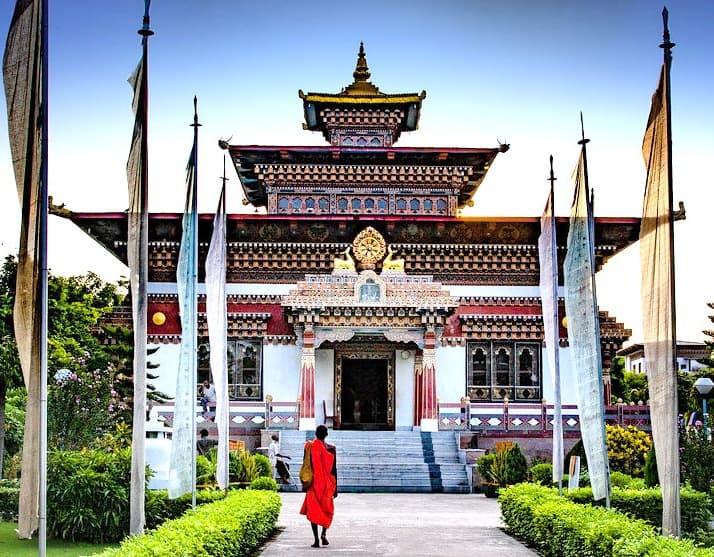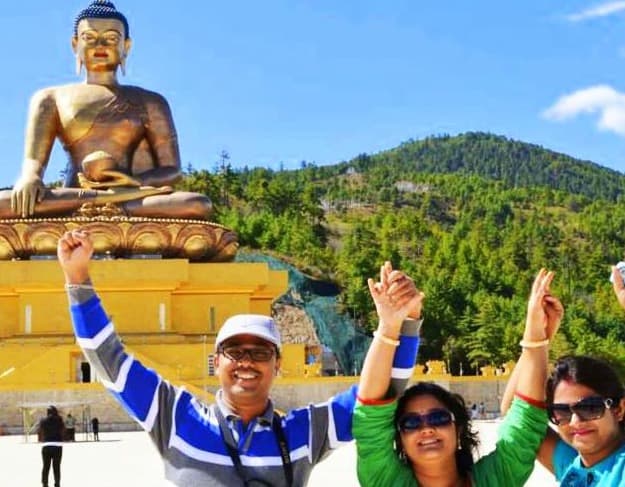
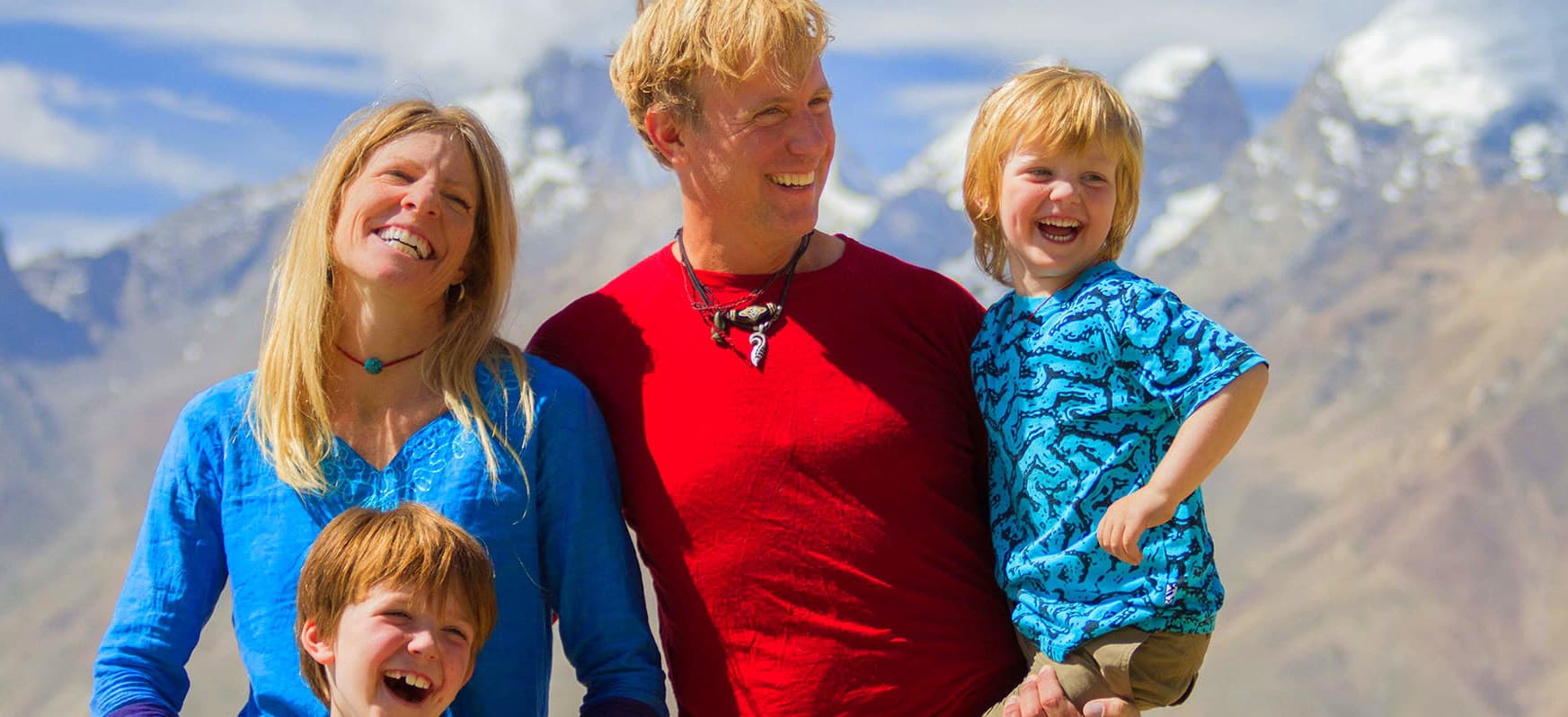
Exploring Tibet with your family offers a blend of adventure, culture, and education, making it a memorable experience for travelers of all ages. Planning a Family travel in Tibet involves choosing the right Tibet tours for families, which are tailored to include kid-friendly activities in Tibet and visits to major attractions like Lhasa and Mount Everest Base Camp. The best time to visit Tibet with family is from April to October, ensuring you enjoy the pleasant weather and accessible travel routes. Our Tibet family vacation packages are comprehensive, covering everything from family accommodations in Tibet to detailed Tibet travel guides for families, ensuring a journey that’s comfortable, enlightening, and safe. Whether you’re interested in the spiritual ambiance of monastic life or the natural beauty of the Tibetan plateau, our tours offer an array of Tibet cultural experiences for families, educational tours in Tibet, and fun-filled activities, making every moment count on your high-altitude adventure.
At Druk Holidays, we pride ourselves on being the premier choice for families seeking an unforgettable journey through Tibet. Recognized for our expertise in creating tailored Tibet tours for families, we ensure that every aspect of your Family travel in Tibet is seamless and enriching. From arranging family-friendly accommodations to curating itineraries that include a variety of kid-friendly activities in Tibet, our team goes above and beyond to cater to the needs of all family members. We meticulously plan every detail, from providing comprehensive Tibet travel guides for families to ensuring safe travel in Tibet for children, making us the best company to guide your family on this spectacular adventure. Choose Druk Holidays for your family’s next vacation and experience the magical Tibetan plateau with those who know it best.
Scenic Landscapes
Tibet, often described as the roof of the world, is renowned for its stunning and unique scenic landscapes that captivate visitors from around the globe. Here's a deeper look at the types of scenic landscapes you can expect to encounter on a visit to this majestic land:
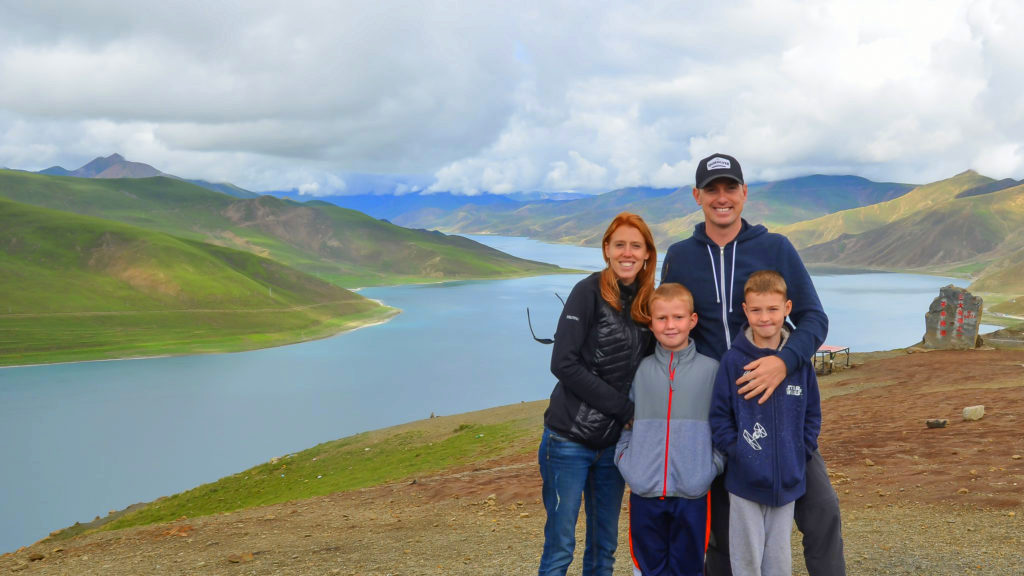
- Himalayan Panoramas: Tibet is home to several sections of the mighty Himalayas, including Mount Everest, the highest peak in the world. Viewing the sunrise or sunset over these towering mountains is an awe-inspiring experience.
- High-Altitude Lakes: The region boasts beautiful high-altitude lakes such as Lake Namtso and Yamdrok Lake. These lakes are known for their crystal-clear waters and the dramatic mountains that surround them, offering picturesque views that are perfect for photography.
- Vast Plateaus: The Tibetan Plateau, with its vast, arid landscapes, provides a stark and powerful beauty. This high-altitude desert, dotted with grazing yaks and nomadic tents, offers a glimpse into the harsh yet captivating natural conditions of Tibet.
- River Valleys: The Brahmaputra River (locally known as Yarlung Tsangpo) carves through Tibet, creating deep valleys and gorges that are among the deepest in the world. The river's meandering path through the plateau creates fertile valleys that contrast sharply with the surrounding barren highlands.
- Glacial Features: Glaciers in Tibet are another draw for those interested in unique landscapes. The advance and retreat of these glaciers have shaped the land over millennia, creating rugged moraines and ice-blue glacial lakes.
- Forest Scapes: In lower altitude areas, such as the parts of southeastern Tibet, lush forests thrive. These areas are less arid and offer a different kind of natural beauty, with rich biodiversity and verdant scenery.
- Steppes and Grasslands: The northern and eastern parts of Tibet are characterized by wide-open steppes and high-altitude grasslands. These expanses are home to wildflowers in the summer and provide pastoral grazing grounds for livestock.
Each of these landscapes not only enhances the visual allure of Tibet but also offers unique opportunities for adventure and cultural interaction. Whether trekking through remote trails, visiting ancient monasteries nestled in scenic backdrops, or simply soaking in the natural beauty, the scenic landscapes of Tibet are both breathtaking and spiritually uplifting.
Cultural Immersion
Tibet offers a deep and enriching cultural immersion experience, marked by its distinct traditions, spiritual practices, and centuries-old heritage. Visitors to Tibet have the opportunity to dive into this unique cultural milieu, gaining insights and understanding that are both profound and transformative. Here’s what cultural immersion in Tibet typically involves:
- Monastery Visits: Tibet is dotted with ancient monasteries that are the heart of Tibetan Buddhism. Visiting these sacred sites, such as Potala Palace, Jokhang Temple, and Sera Monastery, allows travelers to observe religious ceremonies, interact with monks, and explore beautiful religious art and architecture.
- Festival Participation: Tibetan festivals such as Losar (Tibetan New Year), Saga Dawa (celebrating the birth, enlightenment, and death of Buddha), and Monlam (Great Prayer Festival) provide rich, immersive experiences. Guests can witness and even participate in traditional dances, music performances, and ritual celebrations.
- Traditional Crafts: Engaging in workshops or visiting local artisans who specialize in traditional Tibetan crafts such as Thangka painting, woodcarving, and textile making offers insights into the artistic heritage of Tibet. This not only supports local artisans but also helps preserve these age-old techniques.
- Culinary Exploration: Tibetan cuisine is an integral part of its culture. Trying traditional dishes like Tsampa (barley flour), Butter Tea, and various kinds of dumplings (momos) provides a taste of local life. Cooking classes can also be an engaging way to learn about Tibetan cooking methods and ingredients.
- Homestays and Local Interaction: Staying with a Tibetan family or visiting rural villages can be particularly enlightening. This interaction offers a firsthand look at the daily lives of Tibetans, their customs, and their hospitality, providing a more personal connection to the people and their culture.
- Language and Etiquette Learning: Learning basic Tibetan phrases and understanding local etiquette and traditions can enrich the travel experience, showing respect for the local culture and facilitating deeper interactions.
- Spiritual Practices: Participating in meditation sessions or discussions on Tibetan Buddhism with local monks can provide spiritual insights and a better understanding of the philosophical underpinnings of Tibetan culture.
- Market Visits: Exploring local markets not only offers a chance to purchase unique souvenirs but also provides a colorful glimpse into everyday Tibetan life, showcasing the variety of foods, crafts, and goods that are part of the local economy.
These cultural immersion experiences enable travelers to gain a more comprehensive understanding of Tibet beyond its scenic landscapes, delving into the heart of its cultural identity and spiritual depth. Such interactions not only enrich the visitor’s experience but also foster a greater appreciation and respect for the enduring heritage and resilience of the Tibetan people.
Educational Opportunities
Tibet offers a wealth of educational opportunities that go beyond typical tourist activities, providing deeper insights into its unique culture, history, and environment. These experiences are especially enriching for families, students, and travelers eager to learn more about this fascinating region. Here are some key educational opportunities in Tibet:
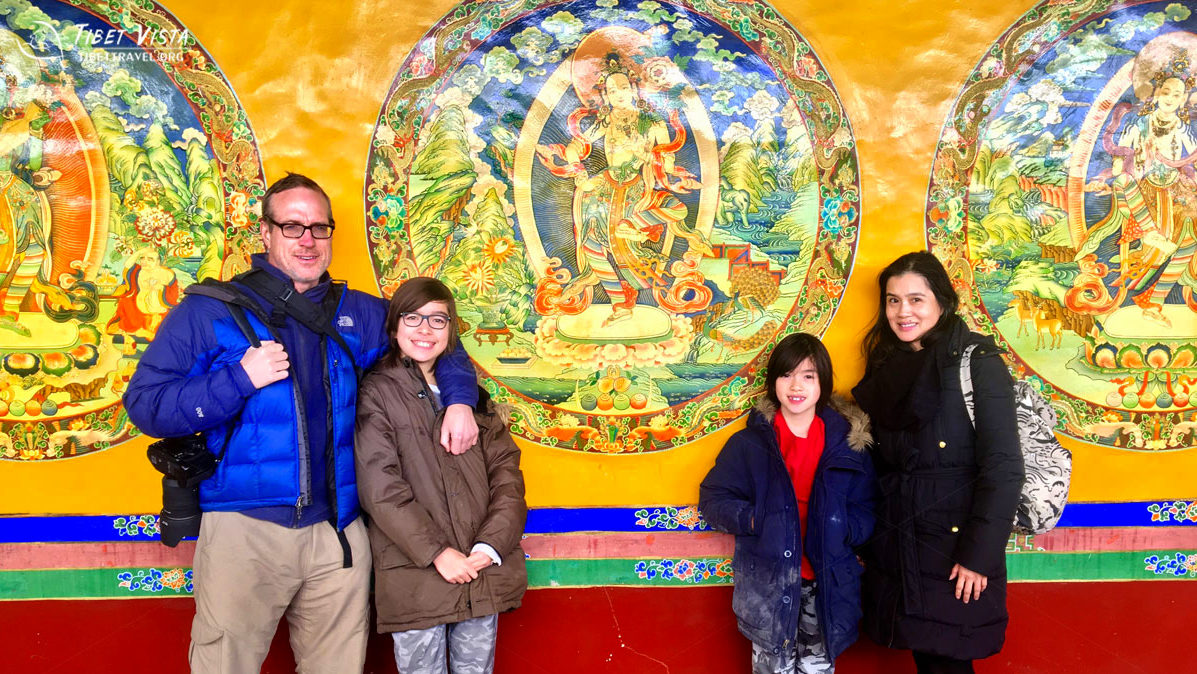
- Historical Tours: Explore Tibet's rich history through guided tours of ancient sites like the Potala Palace, Norbulingka, and Tashilhunpo Monastery. These tours often include lessons about Tibet’s political history, its role in the spread of Buddhism, and the architectural significance of its monastic complexes.
- Cultural Workshops: Participate in workshops that teach traditional Tibetan arts such as Thangka painting, Tibetan calligraphy, and singing bowl meditation. These hands-on experiences not only teach artistic skills but also delve into the spiritual and cultural meanings behind them.
- Environmental Education: Tibet’s unique high-altitude environment offers a unique opportunity for environmental studies. Programs may include studying the impacts of climate change on the Tibetan Plateau, conservation efforts for native wildlife like the snow leopard, and the sustainable practices used by local communities.
- Religious Studies: Engage with the local religious community by attending teachings or participating in discussions at monasteries. Learning about Tibetan Buddhism directly from monks can provide an authentic understanding of daily religious practices and philosophical beliefs.
- Language Learning: Basic Tibetan language courses offer insights into local communication and help travelers connect more deeply with the community. Even learning simple greetings and phrases can enrich interactions with locals.
- Culinary Classes: Cooking classes that focus on Tibetan cuisine allow participants to learn about regional ingredients, cooking techniques, and dietary customs. These classes often include a visit to a local market to choose ingredients, followed by a cooking session.
- Geography and Geology Studies: Educational tours can focus on Tibet’s dramatic landscape, offering insights into the geological forces that shaped the Himalayas and the Tibetan Plateau. These tours can be particularly fascinating for students of geography and earth sciences.
- Anthropological Insights: For those interested in human studies, Tibet offers an excellent case study in how cultures adapt to extreme environments, maintain traditions in the face of modernization, and navigate geopolitical challenges.
- Astronomy Sessions: The clear skies of Tibet's vast, unlit plateaus make for excellent stargazing opportunities. Educational programs in astronomy can be organized to take advantage of these conditions, providing lessons on celestial navigation and the universe.
- Sustainability and Ecology Programs: Learn about local efforts in sustainability, such as the use of solar energy in rural areas, traditional methods of water conservation, and organic farming practices that have been used for centuries in Tibetan agriculture.
By participating in these educational opportunities, visitors to Tibet can gain a profound appreciation for the region's culture, environmental significance, and historical depth, making their journey truly enlightening.
Adventure Activities
Tibet, with its vast and varied landscapes, offers a plethora of adventure activities that cater to thrill-seekers and nature enthusiasts alike. Here’s a roundup of some of the most exciting adventure activities you can engage in during a visit to this high-altitude region:
- Trekking: Tibet is a trekker’s paradise with routes that vary from moderate walks to challenging mountain climbs. Popular treks include the Everest Base Camp North Face Trek, the trek to the sacred Mount Kailash, and the Ganden to Samye trek. These routes offer spectacular views of snow-capped peaks, remote monasteries, and pristine lakes.
- Mountaineering: For the more adventurous, Tibet offers some of the world’s premier mountaineering challenges. Climbing peaks such as Shishapangma and Cho Oyu can be life-changing experiences, albeit requiring proper preparation and adherence to safety protocols.
- Mountain Biking: Mountain biking across the Tibetan plateau is an exhilarating way to see the countryside. Routes can vary from Lhasa city tours to more strenuous trails leading through rural villages and alongside beautiful lakes.
- River Rafting: The Yarlung Tsangpo River, known as the Brahmaputra in India, offers thrilling white-water rafting experiences. The river’s powerful currents and spectacular gorges make for an unforgettable adventure.
- Yak Safari: Although more gentle, a yak safari is a unique way to explore the Tibetan landscape. These sturdy animals provide a stable ride through rugged terrain, offering a closer view of Tibet’s natural beauty.
- Motorcycling and Overlanding: Adventurous travelers often choose to motorcycle or drive overland across Tibet’s vast expanses. The route from Lhasa to Kathmandu, via Everest Base Camp, is a popular choice, providing a thrilling mix of high-altitude travel and cultural exploration.
- Camping: Camping under the stars on the Tibetan plateau is an adventure in itself. Many trekking and biking tours offer camping options, allowing participants to enjoy Tibet’s natural environment up close, from serene lakesides to remote mountain passes.
- Paragliding: In certain areas of Tibet, paragliding provides a bird’s eye view of the stunning landscape. Flying over monasteries, mountains, and fields can be a peaceful and exhilarating experience.
- Ice Climbing: During the winter months, the region’s many frozen waterfalls and rivers offer unique ice climbing opportunities. This activity is geared towards more experienced climbers looking for a challenging and rewarding experience.
- Wildlife Watching: Tibet is home to unique wildlife such as the Tibetan antelope, wild yak, and the elusive snow leopard. Wildlife-watching tours are available, particularly in the more remote regions, offering a chance to see these rare animals in their natural habitats.
These adventure activities not only bring you closer to the stunning natural beauty of Tibet but also challenge you physically and mentally, making for a truly memorable travel experience.
Wildlife Encounters
Tibet, with its vast and rugged terrain, offers unique opportunities for wildlife encounters that are both exhilarating and educational. The region's diverse ecosystems, ranging from arid high-altitude plateaus to lush grasslands and forested areas, are home to several rare and endangered species. Here’s a closer look at what wildlife encounters in Tibet can involve:
- Snow Leopard Spotting: Perhaps the most elusive and sought-after wildlife experience in Tibet is spotting the rare snow leopard. These magnificent creatures are native to the mountain ranges of the Himalayas and are most often seen during the winter months when they descend to lower elevations in search of food.
- Tibetan Antelope (Chiru) Sighting: The Tibetan antelope, or Chiru, known for its incredibly soft and warm wool (Shahtoosh), roams the Changtang plateau in northern Tibet. These animals are a key part of Tibet’s natural heritage, and conservation efforts have been stepped up to protect their dwindling populations.
- Wild Yak Observations: The wild yak, another symbol of the Tibetan plateau, is larger and much less domesticated than the yaks used by locals for agriculture. Spotting these majestic animals in their natural habitat, usually in remote, high-altitude areas, is a remarkable experience.
- Bird Watching: Tibet is a bird watcher's paradise, especially for those interested in high-altitude avifauna. The black-necked crane, a sacred symbol in Tibetan culture, can be seen, particularly in the Phobjikha Valley during migration seasons. Other notable species include the Tibetan snowcock and the bar-headed goose.
- Himalayan Blue Sheep Prowl: The Himalayan blue sheep, or Bharal, is commonly seen on the steep, rocky slopes of Tibet’s mountains. These animals are well adapted to the high altitude and rugged terrain, and they are a primary prey species for the snow leopard.
- Red Panda Encounters: Although more common in the eastern Himalayan region, the adorable red panda can occasionally be spotted in the southeastern forests of Tibet. Their distinctive red fur and gentle demeanor make them a delightful sight, though they are notoriously shy.
- Himalayan Marmot and Tibetan Fox: The Himalayan marmot, often seen in family groups, is a common sight in the grasslands, while the Tibetan fox, known for its distinctive facial features, can be seen in both grasslands and desert areas.
- Wildlife Safaris: Several reserves and national parks in Tibet offer wildlife safaris, providing a safer and more controlled environment for encountering these species. These safaris often include expert guides who provide insightful information about the habits and conservation status of the animals seen.
- Ethical Wildlife Tourism: It’s important for visitors to engage in wildlife watching activities that promote conservation and respect for the natural habitats of these species. Responsible tourism helps ensure that future generations will also be able to enjoy these remarkable wildlife encounters.
Encountering Tibet’s wildlife not only adds an element of adventure to your travel but also deepens your appreciation for the region’s biodiversity and the conservation efforts necessary to preserve it. These experiences are a must for nature lovers and add a profound dimension to exploring the cultural landscape of Tibet.
Safe Travel Experience
Traveling to Tibet offers a remarkable and enriching experience, but due to its unique geographical and climatic conditions, ensuring a safe journey is crucial. Here are essential tips and strategies to ensure a safe travel experience in Tibet:
- Acclimatization to High Altitude: One of the biggest challenges in Tibet is the high altitude, which can lead to altitude sickness. To mitigate this, travelers should plan a gradual ascent, allowing several days to acclimatize in locations like Lhasa, which is around 3,500 meters above sea level. Drinking plenty of water, eating light meals, and avoiding strenuous activity during the first few days can help the body adjust.
- Travel Permits and Documentation: Tibet has specific entry requirements. All foreign travelers need a Chinese visa along with a Tibet Travel Permit, which can only be arranged through a registered travel agency. Depending on the itinerary, additional permits like the Alien's Travel Permit or the Military Area Entry Permit might also be necessary.
- Health Precautions: Comprehensive travel insurance that covers high altitude sickness and emergency evacuation is crucial. Due to the remote nature of many locations in Tibet, access to medical facilities can be limited. Travelers should bring a basic first-aid kit and any prescribed medications.
- Guided Tours: Travelling with a reputable tour operator that understands the local terrain and regulations can enhance safety. Guides can provide valuable insights and immediate assistance in case of emergencies, ensuring a smoother and safer travel experience.
- Weather Awareness: Tibet's weather can be unpredictable and extreme, with cold temperatures, even in summer, once the sun sets. It’s important to check weather conditions regularly and pack appropriate clothing, including layers that can be easily adjusted for changing conditions.
- Local Customs and Etiquette: Understanding and respecting local customs and religious traditions can prevent misunderstandings and conflicts. For example, when visiting monasteries, dress modestly and always walk clockwise around religious sites.
- Food and Water Safety: To avoid health issues, it's advisable to drink only bottled or boiled water, avoid raw vegetables, and eat meals at reputable restaurants known for handling food safely.
- Transport Safety: Road conditions in Tibet can be challenging, especially in rural areas. Using experienced drivers and vehicles in good condition is important for safe travel. For those venturing into remote areas, GPS devices, satellite phones, and emergency contact numbers should be part of the travel gear.
- Cultural and Political Sensitivity: Given Tibet's complex political situation, discussing sensitive topics publicly can lead to uncomfortable situations. Travelers should stay informed about local laws and avoid political discussions.
- Wildlife and Environment: When engaging in outdoor activities like trekking or wildlife watching, maintain a safe distance from animals and respect environmental guidelines to preserve the natural habitat.
By adhering to these safety guidelines and preparations, travelers can enjoy a secure and fulfilling journey in Tibet, experiencing its majestic landscapes and rich culture without undue risk.
Local Cuisine
Tibet's local cuisine is deeply influenced by its high-altitude climate and Buddhist culture, which emphasizes a simple and sustenance-based diet. The food is known for being hearty, warming, and often quite nourishing, designed to provide energy needed to thrive in the cold, thin air. Here’s an introduction to some of the staple dishes and ingredients found in Tibetan cuisine:
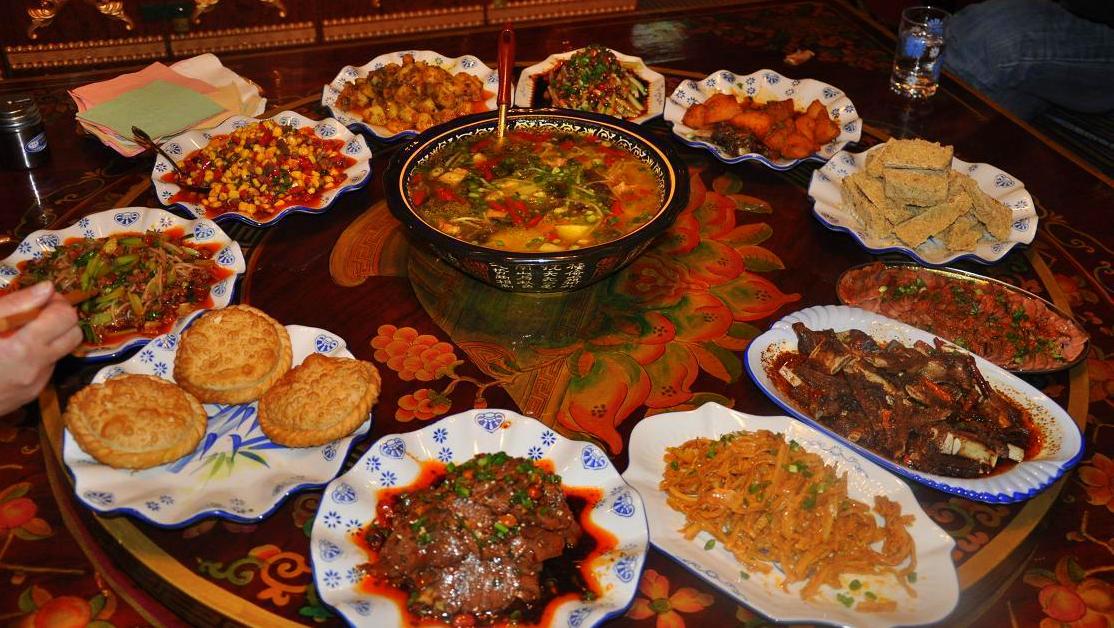
- Tsampa: This is perhaps the most iconic Tibetan food. Tsampa is roasted barley flour and is considered a staple in every Tibetan household. It is often mixed with Tibetan butter tea to form a doughy paste that can be eaten throughout the day. Tsampa is highly nutritious, portable, and convenient, making it the perfect food for the nomadic lifestyle that many Tibetans lead.
- Butter Tea: Also known as Po Cha, Tibetan butter tea is a distinctive feature of Tibetan cuisine. The tea is made by boiling tea leaves with yak butter and salt, creating a beverage that is both energizing and hydrating. It is typically consumed in large quantities by Tibetans, who believe in its nutritional benefits to withstand the cold and high altitude.
- Momo: Tibetan momos are dumplings that are filled with meat (usually yak or beef) or vegetables. They are either steamed or fried and served with a variety of spicy sauces. Momos are a popular snack at Tibetan festivals and gatherings.
- Thukpa: This is a noodle soup that is laden with vegetables and chunks of meat, making it a filling meal especially during the cold months. The broth is flavored with local spices, and the dish is often topped with a dollop of chili sauce for added heat.
- Yak Meat: Yak meat is a common protein source in Tibet, featured in many dishes including stews, steaks, and dried jerky. It is high in protein and helps to provide the necessary energy to deal with the demanding climate.
- Dried Cheese: Known locally as Chhurpi, this hard, dried cheese is another staple. Made from yak milk, it is usually chewed like a betel nut and is known for its high nutritional content.
- Tingmo: Fluffy steamed bread that is often served alongside soups or stews. Tingmo is completely unleavened and has a soft, spongy texture which makes it excellent for soaking up broth.
- Balep Korkun: A type of Tibetan flatbread, typically cooked on a stove or an open fire, making it crispy and chewy. It's a common accompaniment to main dishes.
- Chang: A traditional homemade barley beer, which is mildly alcoholic and often consumed during festive occasions. It is made by fermenting barley with yeast and has a cloudy appearance.
- Laphing: A spicy cold noodle dish made from mung bean starch, served with vinegar, chili oil, and a variety of spices. It’s a popular street food in Tibet, especially during the warmer months.
Sampling these dishes provides a direct link to Tibetan culture, revealing much about the region’s history, geography, and the daily lives of its people. Each dish not only offers unique flavors but also a story of survival and adaptation in one of the world's most extreme environments.
Accommodating Facilities
When traveling to Tibet, finding the right accommodations that blend comfort with cultural authenticity can greatly enhance the travel experience. Tibet offers a range of accommodating facilities designed to meet the needs of various travelers, from budget backpackers to luxury seekers. Here’s an overview of the types of accommodations you might find in Tibet, along with what to expect:
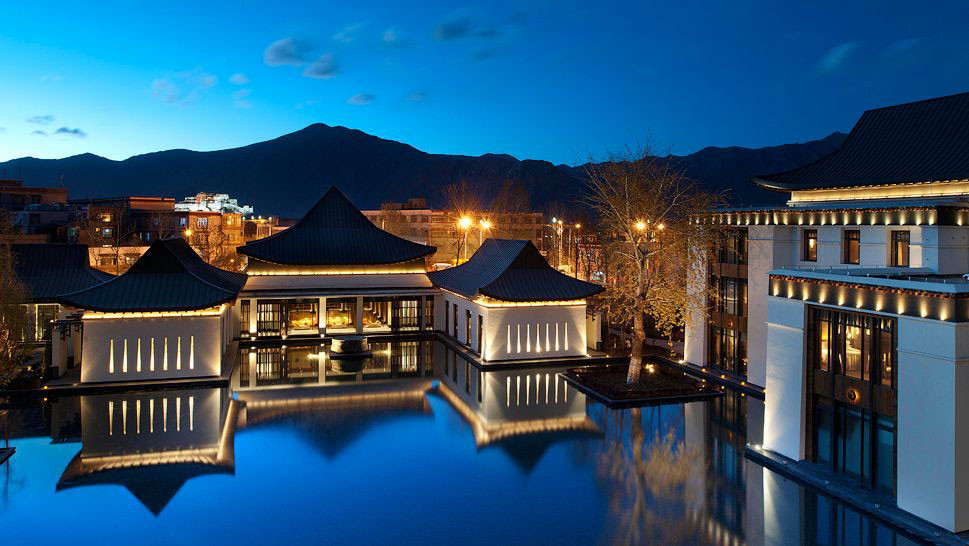
- Hotels: In major cities like Lhasa and Shigatse, there are options ranging from basic hotels to more luxurious establishments. Many hotels cater to international standards with amenities such as WiFi, private bathrooms, and in-house dining. Luxury hotels might offer additional services like spa treatments, fine dining, and organized tours.
- Guesthouses: For travelers looking for a more budget-friendly option, guesthouses are common throughout Tibet. These are often family-run and provide a homely atmosphere. Guesthouses might offer basic rooms, sometimes with shared bathroom facilities, and home-cooked meals. They are a great option for those looking to immerse themselves in the local culture.
- Tibetan Homestays: In more rural areas, staying in a Tibetan homestay can provide a deeply authentic experience. This allows travelers to live with a Tibetan family, share meals, and learn about daily life on the plateau. Homestays are essential for cultural exchange and supporting the local economy.
- Boutique Hotels and Lodges: Some boutique hotels and lodges in Tibet are designed to reflect Tibetan architecture and style while providing luxury comfort. These facilities often incorporate Tibetan art, fabrics, and furnishings, providing an upscale and culturally enriching environment.
- Hostels: For solo travelers and backpackers, hostels are available in larger towns and cities. These facilities typically offer dormitory-style sleeping arrangements, common areas, and kitchen facilities for self-catering. Hostels are an excellent way to meet other travelers and exchange tips and experiences.
- Camping: For the adventurous traveler, some tours offer camping as part of trekking or touring expeditions. This can involve staying in tents in remote locations, providing an up-close experience of Tibet’s natural beauty. Equipment is usually provided, and meals are often cooked over a campfire or portable stove.
- Monastery Stays: A few monasteries offer accommodations for visitors seeking spiritual retreats or a deeper understanding of Buddhist practice. These stays can be quite austere but offer a unique insight into monastic life.
When choosing accommodations in Tibet, it's important to consider altitude, as some travelers may need time to acclimatize. Facilities at higher altitudes might be more basic due to the challenging environment. Always ensure that your accommodation choice is sensitive to ecological and cultural preservation, especially in such a fragile environment as Tibet. Booking through a reputable travel agency or direct communication with the accommodation provider can ensure that your stay is both comfortable and respectful to the local community and landscape.
Spiritual Growth
Tibet, with its deep-rooted spiritual heritage and breathtaking landscapes, provides an ideal backdrop for individuals seeking spiritual growth and self-discovery. The region’s rich Buddhist culture, monastic traditions, and the serene environment offer numerous avenues for exploring spirituality. Here are some key aspects through which travelers can pursue spiritual growth in Tibet:
- Monastery Visits: Tibet is dotted with ancient monasteries that are not only architectural marvels but also living centers of Buddhist practice. Visiting these monasteries, such as the Potala Palace, Jokhang Temple, and Sera Monastery, allows individuals to witness and participate in traditional Buddhist rituals and prayers. Engaging with monks and attending teachings can deepen understanding of Buddhist philosophy and meditation practices.
- Meditation Retreats: Many monasteries and spiritual centers in Tibet offer meditation retreats, which can range from a few days to several weeks. These retreats provide structured opportunities for deep meditation in the presence of experienced practitioners. The tranquil environment of Tibet enhances the meditative experience, aiding in mental clarity and emotional peace.
- Pilgrimage Routes: Engaging in a pilgrimage is a profound tradition in Tibetan Buddhism, aimed at cleansing past sins and accumulating merit. Routes such as the circuit around Mount Kailash, considered a holy mountain in multiple faiths, attract thousands of pilgrims every year. Such pilgrimages combine physical endurance with spiritual seeking, making them powerful experiences of personal transformation.
- Yoga and Wellness Programs: Some centers in Tibet blend local spiritual practices with yoga and wellness activities. These programs often include daily yoga sessions, wellness workshops, and discussions on Tibetan medicine, which is closely linked to Buddhist philosophy.
- Nature and Solitude: Simply spending time in Tibet’s vast, open landscapes can be a spiritual experience. The quietude and the stark beauty of the high plateau can inspire contemplation and introspection. Activities like quiet walks, journaling, and nature observation can be meditative and spiritually enriching.
- Community Service: Engaging with the local community through volunteer work or participating in community-led conservation projects can provide a sense of purpose and connection. This hands-on approach to learning about and contributing to Tibetan culture can enhance spiritual growth through the practice of compassion and altruism.
- Cultural Immersion: Participating in local festivals, learning about Tibetan art, and experiencing the daily lives of the Tibetan people can broaden one’s perspectives and foster a deeper connection to humanity and spirituality.
- Spiritual Discourses and Workshops: Attending talks and workshops by spiritual leaders or scholars on Tibetan Buddhism can provide insights into complex spiritual concepts and practices, enhancing one’s spiritual knowledge and practice.
Incorporating these experiences into a visit to Tibet can facilitate a journey of self-discovery and spiritual deepening, set against the backdrop of one of the most spiritually charged environments on earth. Whether through silent meditation, rigorous pilgrimage, or engaging with local traditions, Tibet offers a unique and profound setting for seeking greater spiritual fulfillment.
Best time for the Family Tour in Tibet
Planning a family tour to Tibet requires careful consideration of the best time to visit, to ensure that the travel conditions are favorable and comfortable for all family members, including children and the elderly. The optimal time for a family tour in Tibet is generally from late spring to early fall, specifically from May through October. Here’s a breakdown of what each season offers and why these months are considered the best:
Late Spring (May and June)
- Weather: During these months, the weather begins to warm up, making daytime temperatures pleasant and ideal for outdoor activities.
- Visibility: The skies are clearer, offering stunning views of the Himalayas and picturesque landscapes.
- Nature: This period is excellent for witnessing the bloom of wildflowers across the plateau, adding to the scenic beauty.
Summer (July and August)
- Peak Season: Summer is the peak tourist season in Tibet due to the warm weather, which makes travel more comfortable, especially at higher altitudes.
- Cultural Festivals: Many Tibetan festivals, such as the Shoton Festival in Lhasa, occur during this time, offering families a chance to experience local culture, music, and food in a vibrant setting.
- Travel Conditions: Roads and paths are generally in good condition, making travel between destinations safer and more reliable.
Early Fall (September and October)
- Optimal Weather: The weather remains mild, and the monsoon rains taper off, reducing the likelihood of travel disruptions.
- Decreased Tourist Crowds: With fewer tourists compared to the summer months, families can enjoy a more relaxed atmosphere and better access to popular tourist spots.
- Natural Beauty: The landscape begins to change colors, with the onset of autumn hues providing a beautiful backdrop for photography and sightseeing.
Considerations for Other Times
- Winter Months (November to April): The cold is intense, especially from December to February, which can be challenging for children and the elderly. Many passes and attractions might also be closed due to snow.
- Early Spring (March and April): While the weather begins to warm, nights can still be bitterly cold, and there is a higher chance of encountering sandstorms, especially in April.
When planning a family tour to Tibet, choosing the right time to visit is crucial not only for enjoying the natural and cultural highlights of the region but also for ensuring the health and comfort of all family members. Late spring to early fall provides the best balance of pleasant weather, cultural activities, and safer travel conditions, making it an ideal time for families to explore this unique and captivating part of the world.
Essential Tips for the Family Tour in Tibet
Planning a family tour to Tibet can be a rewarding and enriching experience, offering unique opportunities for cultural and adventurous exploration. Here are some essential tips to help ensure a smooth and enjoyable journey for all family members:
- Acclimate Properly: Spend a few initial days at lower altitudes to adjust to the high altitude and prevent altitude sickness.
- Travel Documents: Ensure all family members have necessary travel permits, visas, and valid passports arranged through a registered travel agency.
- Accommodations: Book family-friendly accommodations that provide comfort and necessary amenities like heating and hot water.
- Pack Smart: Dress in layers to accommodate the varied temperatures, and bring sun protection, a first aid kit, and necessary medications.
- Plan a Flexible Itinerary: Include plenty of rest days and choose activities that are suitable for all ages, from cultural visits to gentle hikes.
- Health Precautions: Carry bottled water, avoid raw foods, and have snacks handy, especially for children, to avoid dietary discomforts.
- Cultural Engagement: Participate in local activities that are enriching and appropriate for children, such as crafting sessions or traditional dance shows.
- Travel Insurance: Obtain comprehensive travel insurance that covers high altitude sickness and emergency evacuation.
- Local Guidance: Travel with a knowledgeable guide who can provide insightful information and assist in case of emergencies.
- Respect Local Customs: Educate the family about Tibetan culture and customs to foster respectful interactions during your visit.
In conclusion, with careful planning and consideration of these essential tips, your family can have a memorable and safe trip to Tibet. This journey can offer a blend of adventure, culture, and scenic beauty, creating lasting memories for both children and adults.
A family tour in Tibet leaves one with a treasure trove of memories and experiences that are both enriching and transformative. Tibet, with its majestic landscapes, profound cultural heritage, and unique spiritual depth, offers families an extraordinary journey unlike any other. From awe-inspiring vistas of the Himalayan peaks to serene high-altitude lakes, coupled with the warmth and resilience of its people, Tibet invites adventure and reflection. Participating in local festivals, exploring vibrant monasteries, or simply enjoying natural wonders educates and inspires, fostering a sense of connection and broadening horizons. Indeed, a family tour in Tibet is more than just a holiday—it is an enriching expedition into the heart of one of the world’s most captivating regions, promising a profound narrative to cherish forever.
FAQs for the Family Tour in Tibet
Q: What is the best time to visit Tibet with a family?
A: The ideal time for a family tour in Tibet is from late spring to early fall, specifically May through October. During these months, the weather is milder, the roads are more accessible, and there are numerous cultural festivals to enjoy.
Q: Are there any specific health precautions to take before traveling to Tibet?
A: Yes, due to the high altitude of Tibet, it is important to consult with a healthcare provider before your trip, especially for children and elderly family members. Consider vaccinations, altitude sickness prevention, and carrying a basic first-aid kit including medication for common ailments.
Q: What are the must-visit places in Tibet for families?
A: Key destinations include Lhasa for its historical and religious sites like the Potala Palace and Jokhang Temple, Shigatse for its monasteries, Lake Namtso for its stunning natural beauty, and Mount Everest Base Camp for the adventurous families.
Q: How can we obtain the necessary travel permits for Tibet?
A: All travelers to Tibet must obtain a Tibet Travel Permit, which can only be arranged through a registered travel agency. Additional permits may be required depending on the areas you plan to visit, which your travel agency can also help coordinate.
Q: What type of accommodations are available for families in Tibet?
A: Tibet offers a range of accommodations from luxury hotels in major cities like Lhasa to more modest guesthouses and homestays in rural areas. It is advisable to book accommodations that offer essential amenities like heating and hot water.
Q: What kind of food options are available and are they suitable for children?
A: Tibetan cuisine mainly includes noodles, dumplings, and soups, which can be palatable for children. Many restaurants also offer Chinese and simple Western dishes to cater to diverse tastes. It's recommended to carry some familiar snacks for children as a backup.
Q: Is it safe to travel with children in Tibet?
A: Yes, traveling with children in Tibet is safe as long as you take necessary precautions, especially related to altitude sickness, and travel with a reputable agency that understands the needs of families.
Q: What activities are suitable for children in Tibet?
A: Children can enjoy cultural activities such as witnessing prayer ceremonies, making Tibetan crafts, and light trekking. Animal rides (like yaks and horses), visiting wildlife parks, and exploring nature are also great for children.
Q: How should we dress for a family tour in Tibet?
A: Dress in layers as the temperature can vary significantly between day and night. Include windproof jackets, hats, gloves, and sturdy shoes. Sun protection is crucial due to the strong UV rays at high altitudes.
Q: Can we explore Tibet independently or do we need a guided tour?
A: Independent travel in Tibet is not permitted for foreign tourists. You must be part of a guided tour arranged by a certified travel agency, which can be private or in a group.