- Understanding Bhutan's Deep-Rooted Food Ceremony Traditions
- Essential Sacred Ingredients and Their Spiritual Meanings
- Major Religious Food Ceremonies Throughout the Year
- Mastering Traditional Cooking Methods for Sacred Occasions
- Proper Etiquette and Participation Guidelines
- Creating Your Own Respectful Food Ceremony Experience
- Conclusion
Food plays a sacred role in Bhutanese culture that goes far beyond simple nourishment. Bhutan's sacred food ceremonies blend ancient Buddhist traditions with local customs, creating deeply meaningful rituals that connect communities to their spiritual heritage.
This guide is for travelers planning to visit Bhutan, cultural enthusiasts interested in Buddhist traditions, and anyone curious about how food serves as a bridge between the physical and spiritual worlds. You'll discover practical insights for experiencing these ceremonies respectfully while understanding their deeper significance.
We'll explore the essential sacred ingredients that carry spiritual meanings in Bhutanese cooking, from blessed barley flour to ceremonial butter tea. You'll also learn about the major religious food ceremonies that mark important dates throughout the Bhutanese calendar, including monastery festivals and seasonal blessing rituals.
Finally, we'll cover the proper etiquette for participating in these sacred gatherings, so you can join these meaningful traditions with confidence and respect.
Understanding Bhutan's Deep-Rooted Food Ceremony Traditions
Historical origins and Buddhist influences on sacred dining
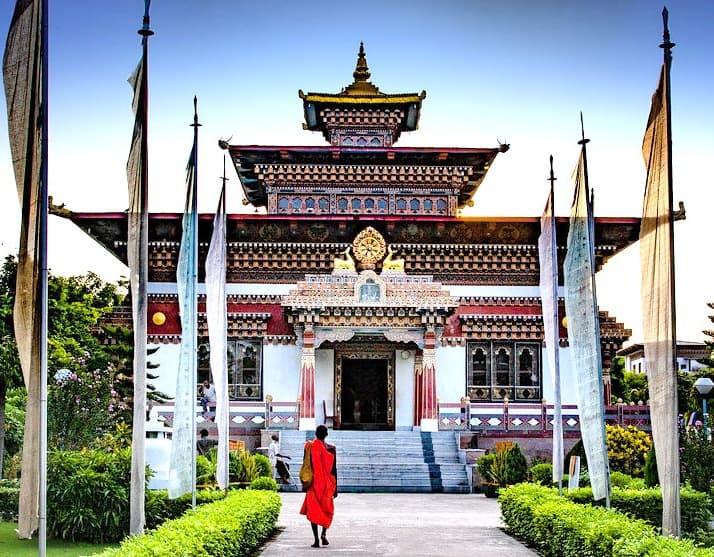
Food ceremonies in Bhutan trace back over a thousand years, deeply intertwined with the arrival of Buddhism in the 8th century. When Guru Rinpoche introduced Tantric Buddhism to the Land of the Thunder Dragon, he didn't just bring spiritual teachings—he brought an entire philosophy about how food connects the physical and spiritual worlds.
The Bhutanese developed a unique understanding that every meal is a potential offering, every ingredient carries sacred energy, and every shared dish strengthens the fabric of existence itself. This perspective shaped their ceremonial practices into something far more profound than simple religious rituals.
Buddhist monks established the foundation for these traditions through monastery kitchens, where preparing and sharing food became acts of meditation and devotion. The concept of tshog (ritual feast offerings) emerged, where food serves as both nourishment and spiritual currency, offered to enlightened beings and shared among practitioners.
Ancient Bon traditions, predating Buddhism, also influenced these practices. The indigenous belief system viewed certain foods as bridges between the human world and spirit realms, particularly during seasonal transitions. When Buddhism merged with these older customs, it created the rich tapestry of food ceremonies we see today.
Role of food ceremonies in strengthening community bonds
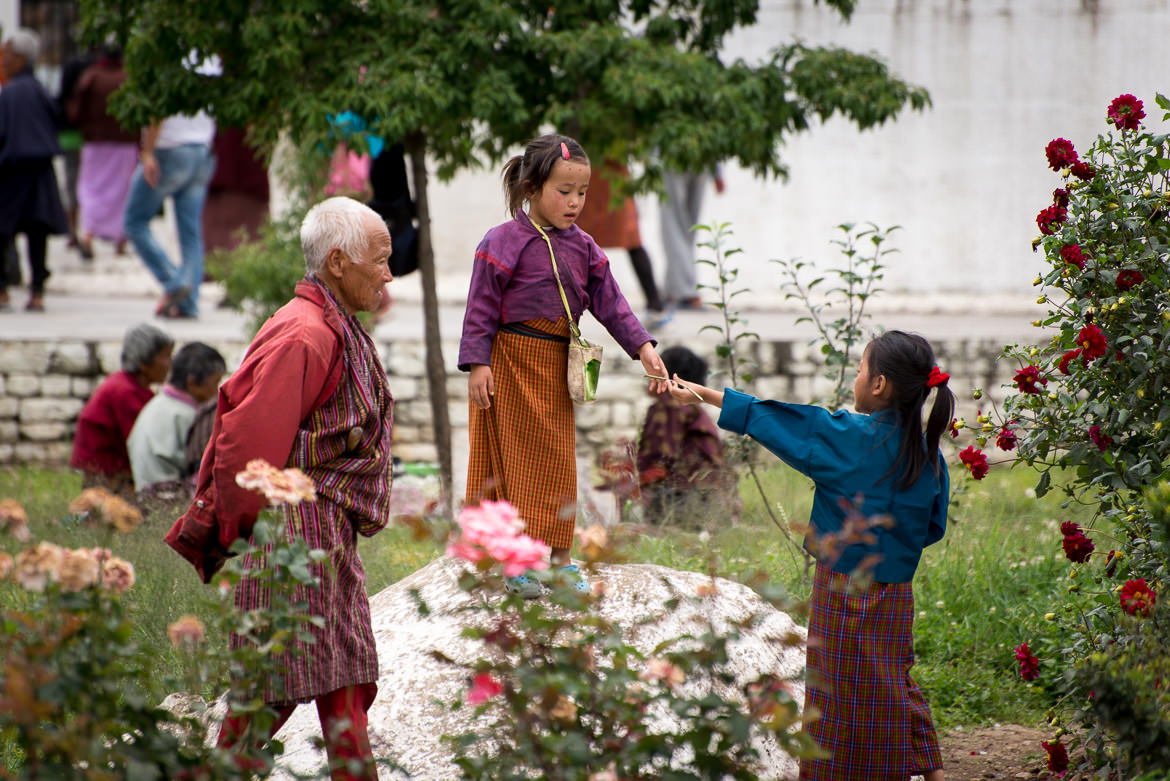
Community solidarity in Bhutan revolves around shared meals that extend far beyond simple social gatherings. Food ceremonies create invisible threads that bind families, villages, and even entire regions together through collective participation in sacred acts.
During losar (New Year) preparations, entire communities work together for weeks, preparing traditional dishes like khapse (fried pastries) and guthuk (nine-ingredient soup). These collaborative cooking sessions become opportunities for storytelling, knowledge transfer, and relationship building across generations.
The practice of zhung kha (communal cooking) demonstrates how food ceremonies dissolve social barriers. Wealthy and modest families contribute according to their means—some provide yak butter, others offer labor, and everyone shares equally in the final feast. This economic leveling creates genuine equality that extends beyond the ceremony itself.
Village-wide food ceremonies also serve as conflict resolution mechanisms. Families experiencing disputes often find reconciliation through shared participation in preparing sacred meals. The act of kneading dough together or stirring large pots creates natural opportunities for conversation and healing.
Religious food offerings connect communities with their spiritual leaders and monasteries. When villages collectively prepare elaborate food offerings for important ceremonies, they're not just honoring deities—they're reaffirming their commitment to shared values and mutual support systems.
Seasonal celebrations and their unique culinary significance
Each season in Bhutan brings distinct food ceremonies that honor natural cycles and agricultural rhythms. Spring ceremonies focus on new growth and fertility, featuring fresh vegetables, young shoots, and dairy products from animals emerging from winter shelters.
Summer celebrations center around abundance and gratitude, with ceremonies showcasing the first harvests. Barley and buckwheat feature prominently in these rituals, often ground fresh and incorporated into ceremonial breads and porridges. The timing aligns perfectly with agricultural milestones, creating deep connections between spiritual practice and practical farming needs.
Autumn food ceremonies celebrate the main harvest season with elaborate thanksgiving rituals. Rice, corn, and root vegetables dominate these celebrations, often prepared in traditional ways that preserve food for winter months. These ceremonies serve dual purposes—spiritual gratitude and practical food preservation education.
Winter brings the most introspective food ceremonies, featuring preserved and fermented foods that sustain communities through harsh mountain conditions. Dried yak meat, fermented vegetables, and aged cheeses become sacred offerings that represent survival and endurance.
The lunar calendar adds another layer of complexity, with specific foods designated for new moon, full moon, and eclipse ceremonies. These celestial events trigger community-wide food preparations that can last for days, each dish timed to align with astronomical phenomena.
How geography shapes ceremonial food practices
Bhutan's dramatic elevation changes from subtropical valleys to high alpine regions create distinct food ceremony traditions adapted to local ingredients and climate conditions. Valley communities near the Indian border incorporate more rice-based ceremonies, while high-altitude villages center their rituals around barley, buckwheat, and yak products.
Mountain geography isolates communities for months during heavy snow, making food ceremonies essential for social cohesion during long winters. Remote villages develop elaborate preservation and fermentation techniques that become integral parts of their ceremonial practices.
River valleys create natural trade routes that influence food ceremony ingredients. Communities along these corridors often incorporate elements from neighboring regions, creating unique fusion ceremonies that reflect cultural exchange while maintaining core Bhutanese spiritual principles.
Sacred sites scattered across the mountainous landscape require specialized food offerings. Pilgrims traveling to remote monasteries and holy places carry specific ceremonial foods that can withstand long journeys at high altitudes, leading to the development of portable sacred foods like tsampa (roasted barley flour) and dried cheese.
The monsoon patterns affect ceremony timing and ingredients. Communities adapt their sacred food calendar to work with seasonal availability, creating flexible traditions that honor both spiritual requirements and practical limitations imposed by mountain weather patterns.
Essential Sacred Ingredients and Their Spiritual Meanings
Red rice and its connection to prosperity rituals
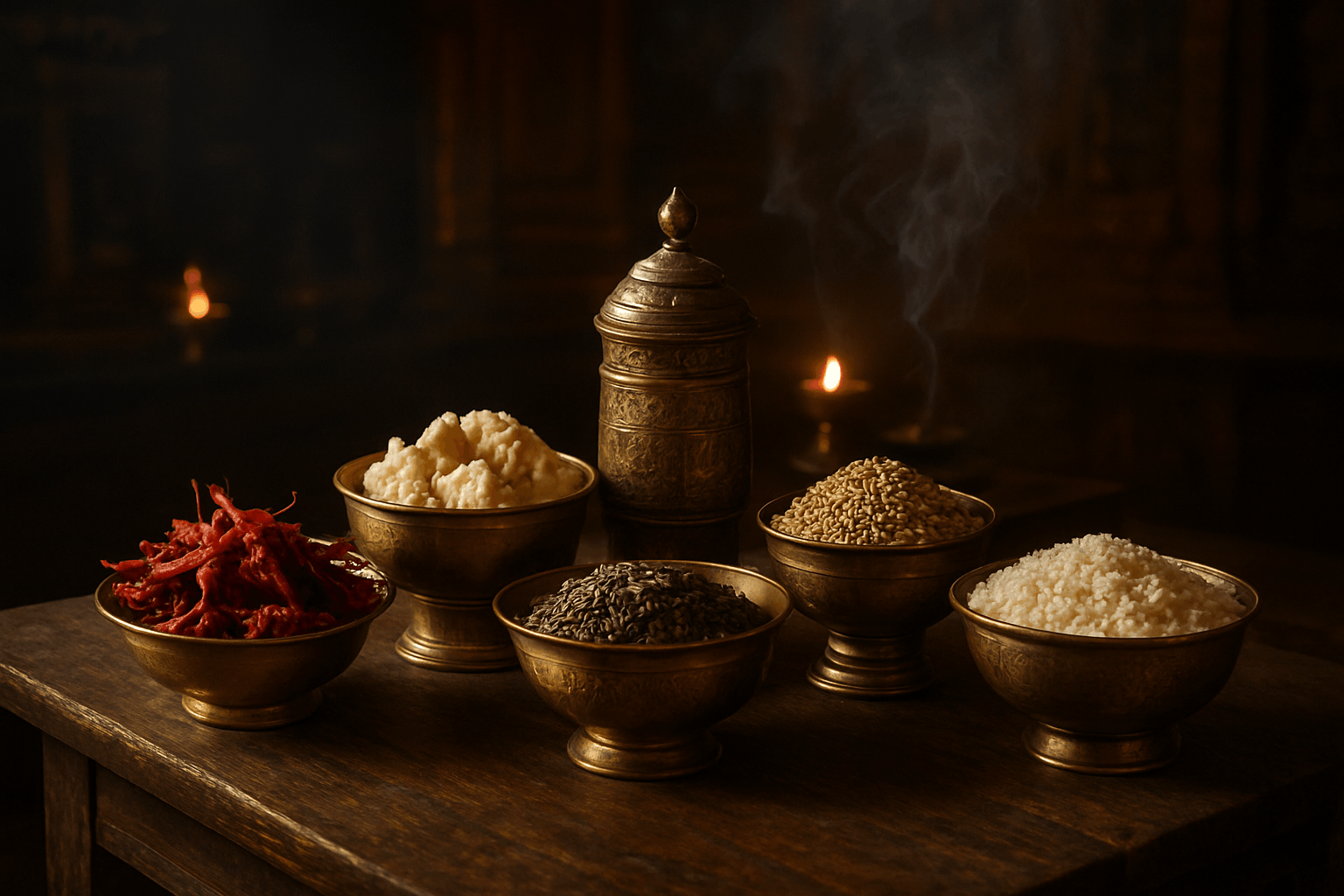
Red rice holds a special place in Bhutanese sacred food ceremonies, representing abundance and good fortune. This unique grain, grown in high-altitude terraced fields across Bhutan, carries deep spiritual significance that goes beyond its nutritional value. The reddish hue comes from natural minerals in the soil and traditional farming methods passed down through generations.
During prosperity rituals, red rice is carefully prepared and offered to deities as a symbol of wealth and fertility. Families often include red rice in their home shrines, believing it attracts financial stability and ensures successful harvests. The grain appears prominently in New Year celebrations, where it's shaped into small pyramids and adorned with butter sculptures.
Monks and laypeople alike recognize red rice as a powerful offering that demonstrates respect for agricultural cycles and nature's bounty. The preparation involves specific timing – usually during favorable lunar phases – and requires pure intentions from those handling the grain. Many households store red rice in special containers blessed by local lamas, treating it as a sacred commodity rather than ordinary food.
Yak butter's role in blessing ceremonies
Yak butter stands as one of the most revered ingredients in Bhutanese spiritual practices, serving multiple ceremonial functions that connect communities to their highland heritage. This golden substance, churned from yak milk at high altitudes, possesses unique properties that make it ideal for sacred purposes.
Butter sculptures, known as "torma," represent one of the most artistic uses of yak butter in ceremonies. These intricate creations depict deities, animals, and symbolic patterns, requiring skilled artisans who understand both spiritual symbolism and traditional sculpting techniques. The sculptures melt slowly during rituals, symbolizing the impermanent nature of existence.
Butter lamps illuminate temples and homes during religious observances, creating a warm, flickering light that represents wisdom dispelling ignorance. The practice of lighting butter lamps dates back centuries and continues to be a cornerstone of Bhutanese spiritual life. Families often maintain these lamps continuously, adding fresh yak butter daily as an offering.
Beyond illumination, yak butter serves as a blessing agent. Lamas apply small amounts to foreheads during ceremonies, and devotees consume blessed butter as prasad. The rich, creamy texture and distinctive flavor enhance the sensory experience of spiritual practice, making ceremonies more memorable and meaningful.
Sacred spices that enhance spiritual energy
Bhutanese ceremonial cooking incorporates specific spices believed to elevate spiritual consciousness and purify ceremonial spaces. These aromatic ingredients come from both cultivated gardens and wild mountain slopes, each carrying unique energetic properties recognized by traditional healers and spiritual practitioners.
Cardamom pods feature prominently in blessing rituals, their intense fragrance thought to attract positive energies and ward off negative influences. The spice appears in ceremonial tea preparations served to guests during religious gatherings, creating an atmosphere of warmth and spiritual connection.
Cinnamon bark, often sourced from ancient trees in protected forests, adds both flavor and spiritual potency to ceremonial foods. Traditional beliefs hold that cinnamon enhances meditation by calming the mind and opening spiritual channels. Monasteries frequently burn cinnamon as incense during important ceremonies.
Star anise brings protective qualities to sacred meals, with its eight-pointed shape symbolizing infinity and cosmic balance. Cooks carefully select perfect star anise pods for the most important ceremonies, believing that damaged or incomplete stars might weaken the spiritual impact of the ritual.
Dried chilies, particularly the famous Bhutanese ema datshi varieties, serve dual purposes in ceremonies. Beyond their culinary heat, these peppers represent transformation and purification, helping participants release negative emotions and embrace spiritual growth.
Wild herbs collected for specific ceremonial purposes
Mountain-dwelling communities in Bhutan have developed sophisticated knowledge of wild herbs and their ceremonial applications, creating a rich tradition of plant-based spiritual practice. These herbs grow in specific altitudes and seasons, requiring careful timing and respectful harvesting methods.
Artemisia, known locally as "khewa," grows abundantly in alpine meadows and serves as a powerful purification herb. Collectors gather artemisia during early morning hours when dew still clings to the leaves, believing this timing captures maximum spiritual potency. The herb burns with a distinctive smoke that cleanses spaces before important ceremonies.
Wild thyme varieties found above treeline carry protective properties and often appear in blessing mixtures sprinkled around homes and temples. Harvest timing follows lunar calendars, with full moon collection considered most auspicious for ceremonial use.
Juniper branches and berries form essential components of purification rituals, with different species serving specific purposes. High-altitude junipers provide the most potent ceremonial material, requiring difficult climbs to access the best specimens. Communities organize group expeditions to collect juniper sustainably, ensuring future availability.
Medicinal herbs like cordyceps and precious mountain plants enter ceremonies only on the most sacred occasions. These rare ingredients require special permissions from local authorities and spiritual guidance from experienced practitioners who understand their proper ceremonial application.
Major Religious Food Ceremonies Throughout the Year
Losar New Year feast preparations and customs
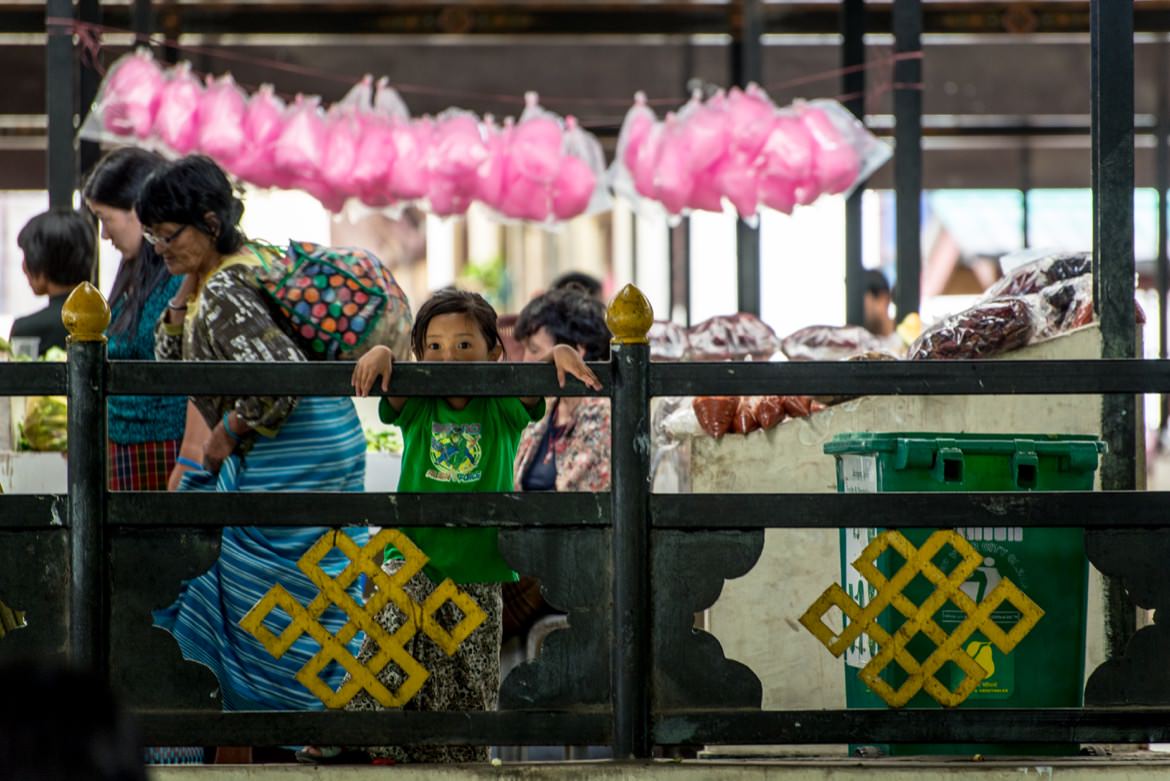
The Bhutanese New Year, known as Losar, brings families together for an elaborate three-day celebration filled with sacred food traditions. Preparation begins weeks in advance, with households creating special ceremonial dishes that carry deep spiritual meaning. The centerpiece of Losar meals is changkol, a traditional dumpling soup served exclusively during this time, symbolizing prosperity and unity for the coming year.
Families prepare khapse, intricate deep-fried cookies shaped into decorative patterns that represent different aspects of Buddhist teachings. The spiral-shaped ones symbolize the eternal cycle of life, while the rectangular pieces represent stability and foundation. These cookies are arranged on colorful wooden tables alongside dried fruits, nuts, and sweet rice offerings.
The preparation ritual itself holds sacred importance. Women gather in the kitchen before dawn, chanting prayers while mixing dough and shaping dumplings. Each family member contributes to the cooking process, creating a communal energy that's believed to infuse the food with blessings. Special attention goes to the first meal of the year, which must be shared before sunrise to ensure good fortune.
During the feast, specific foods are consumed in particular orders. Sweet dishes come first to "sweeten" the year ahead, followed by savory items representing different life aspects. The eldest family member receives the first serving, honoring ancestral wisdom and family hierarchy.
Harvest festival food offerings to deities
Bhutan's harvest festivals center around thangka ceremonies where communities present elaborate food offerings to protective deities and mountain spirits. The autumn harvest festival, Thimphu Tshechu, showcases the most spectacular food presentations, with monasteries receiving donations of freshly harvested barley, buckwheat, and red rice.
Village communities collaborate to create massive food mandalas using colored grains, forming intricate geometric patterns on monastery floors. These offerings include tsampa (roasted barley flour), yak butter sculptures, and pyramids of seasonal fruits. Each arrangement follows ancient patterns that represent the Buddhist cosmos, with specific colors and ingredients placed according to cardinal directions.
The blessing of chang (fermented barley beer) plays a central role in harvest ceremonies. Monks consecrate large vessels of this traditional beverage, which is then shared among participants to celebrate the earth's abundance. Families bring their finest home-brewed chang, believing that blessed alcohol will protect their households and ensure future harvests.
Special harvest breads shaped like agricultural tools honor the farming cycle. Women create bread sculptures resembling plows, sickles, and grain baskets, offering them at local temples. These bread offerings are later distributed to community members as blessed food, carrying the protective power of the harvest deities.
Monastery blessing ceremonies with communal meals
Monastery blessing ceremonies feature communal meals that strengthen bonds between monastic and lay communities. The most significant of these is the monthly tshogs offering, where hundreds of people gather to share blessed food prepared according to ancient recipes. Monks spend days preparing massive quantities of traditional dishes, including ema datshi (chilies with cheese), phaksha paa (pork with radish), and jasha maru (spicy chicken curry).
The communal dining arrangement follows strict protocol. Monks sit in order of seniority, while lay participants organize themselves by family groups. Food is served simultaneously to all participants, emphasizing equality and shared spiritual purpose. The meal begins with collective prayers and ends with dedication of merit, transforming eating into a meditative practice.
Special monastery feasts occur during major Buddhist holidays like Buddha's birthday and enlightenment day. These events can feed over a thousand people, requiring elaborate coordination between monastery kitchens and volunteer helpers. Families donate ingredients, cooking fuel, and labor, creating a community-wide spiritual practice around food preparation and sharing.
The blessed food from monastery ceremonies, called tshog, is carefully distributed to participants who couldn't attend. People carry small portions home to share with family members, extending the blessing throughout the community. This practice maintains the connection between monastery and village life, ensuring that sacred food traditions continue to bind Bhutanese society together across generations.
Mastering Traditional Cooking Methods for Sacred Occasions
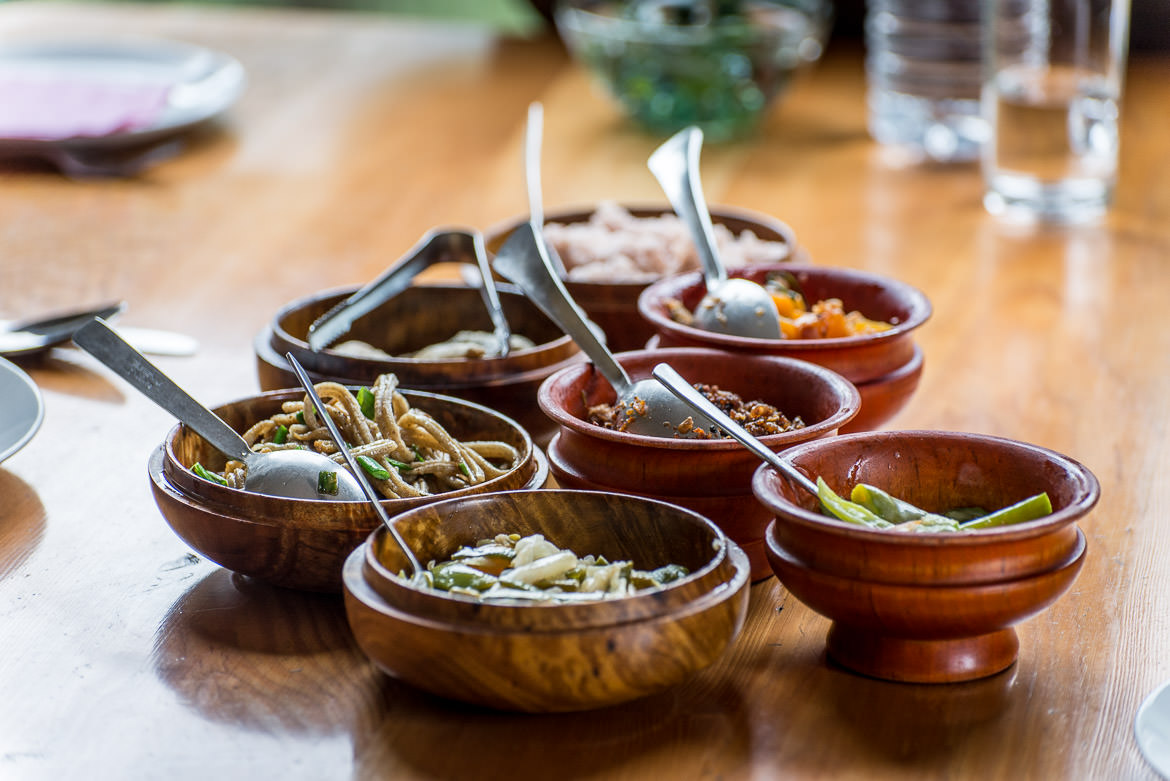
Clay Pot Cooking Techniques for Enhanced Spiritual Energy
Traditional Bhutanese clay pots, known as chang, hold deep spiritual significance in ceremonial cooking. These handcrafted vessels are believed to channel earth's natural energy into food, creating a sacred connection between the cook, ingredients, and divine forces. Master cooks select clay pots based on their origin - those made from clay near monasteries or sacred sites carry the strongest spiritual properties.
Before using clay pots for ceremonies, they undergo a consecration process. Monks bless the vessels with mantras while burning juniper incense around them. The pots are then seasoned with yak butter and barley flour, creating a protective spiritual layer that enhances their energy-conducting abilities.
During cooking, the clay pot's porous nature allows for gradual heat distribution, which practitioners believe mirrors the gentle flow of spiritual energy. This slow cooking method is essential for preparing offerings like thukpa (noodle soup) for monastery festivals and ema datshi (chilies with cheese) for blessing ceremonies.
Temperature control becomes a meditation practice itself. Experienced cooks read the clay pot's color changes and subtle steam patterns to determine heat levels. They maintain consistent, low temperatures to preserve the spiritual essence of ingredients while allowing flavors to develop naturally.
Fire Blessing Rituals Before Ceremonial Food Preparation
Sacred fire ceremonies precede all important food preparations in Bhutanese tradition. These rituals, called me wang, transform ordinary cooking into spiritual practice. The ceremony begins at dawn when the kitchen's spiritual energy is most receptive to blessings.
The head cook lights the cooking fire using traditional flint and steel, never matches or lighters. Three pieces of dry rhododendron wood form the initial flame structure, representing the Three Jewels of Buddhism. As the fire catches, specific mantras are recited to invoke protective deities and ensure the food's spiritual purity.
Juniper branches and barley grains are offered to the flames while prayers request the fire's cooperation in creating nourishing, blessed food. The cook circles the fire three times clockwise, carrying a bowl of water mixed with saffron to sprinkle into the flames. This water blessing purifies the fire's energy and establishes its sacred purpose.
The ritual concludes with the placement of a small butter sculpture near the cooking area. This offering remains throughout the cooking process, serving as a reminder of the spiritual intention behind the meal preparation. Only after completing these fire blessings can the actual cooking begin.
Timing and Lunar Calendar Considerations for Cooking
Bhutanese sacred cooking follows the lunar calendar meticulously, with specific days designated for different ceremonial foods. The new moon period, called dawa chu nga, is ideal for preparing foods that symbolize new beginnings and fresh spiritual energy. During this time, cooks prepare white foods like rice pudding and milk tea for temple offerings.
Full moon cooking, known as dawa chu zhi, focuses on abundance and completeness. Rich, hearty dishes like phaksha paa (pork with radishes) and jasha maru (spicy chicken) are prepared during these nights. The moon's full energy is believed to enhance the food's nutritional and spiritual potency.
Specific festival dates require precise timing calculations. For Thimphu Tshechu, cooking begins exactly 108 hours before the ceremony starts. This allows time for the food's spiritual energy to mature properly. Cooks use traditional wooden calendars marked with auspicious and inauspicious cooking days to plan their preparations.
Daily cooking times also matter significantly. Pre-dawn hours (3-6 AM) are considered most spiritually pure for preparing monastery offerings. Evening cooking (6-9 PM) suits family blessing meals, while midday preparation works best for community feast foods.
Weather patterns influence cooking schedules too. Clear, sunny days enhance the spiritual energy of outdoor cooking, while rainy periods are reserved for indoor preparation of contemplative foods like simple broths and teas.
Purification Practices for Kitchen Spaces and Utensils
Sacred food preparation demands absolute cleanliness on both physical and spiritual levels. Kitchen purification begins three days before any major ceremony with a thorough cleaning using traditional methods. Floors are scrubbed with sand mixed with crushed juniper berries, creating a natural antiseptic that also clears negative energy.
All cooking utensils undergo individual blessing rituals. Wooden spoons and ladles are rubbed with blessed barley flour and exposed to incense smoke for purification. Metal pots and pans are washed in water that has been blessed by monks and mixed with powdered white sandalwood.
The kitchen altar, present in every traditional Bhutanese cooking space, receives fresh offerings daily during ceremonial cooking periods. Seven bowls of clean water, barley grains, and butter lamps create a sacred atmosphere that protects the cooking process from spiritual contamination.
Personal purification for cooks includes specific bathing rituals using water heated with medicinal herbs like artemisia and wild mint. Clean, simple clothing in white or earth tones is worn exclusively during sacred cooking. Jewelry and perfumes are removed to avoid interfering with the food's spiritual purity.
Before handling any ingredients, cooks traditionally wash their hands using yak milk soap and recite purification mantras. This ritual hand washing is repeated between preparing different types of dishes, especially when switching from preparing meat dishes to vegetarian offerings.
Storage areas receive equal attention with regular smudging using burning juniper and rhododendron leaves. Food storage containers are blessed monthly and lined with fresh banana leaves or clean white cloth to maintain spiritual purity.
Proper Etiquette and Participation Guidelines
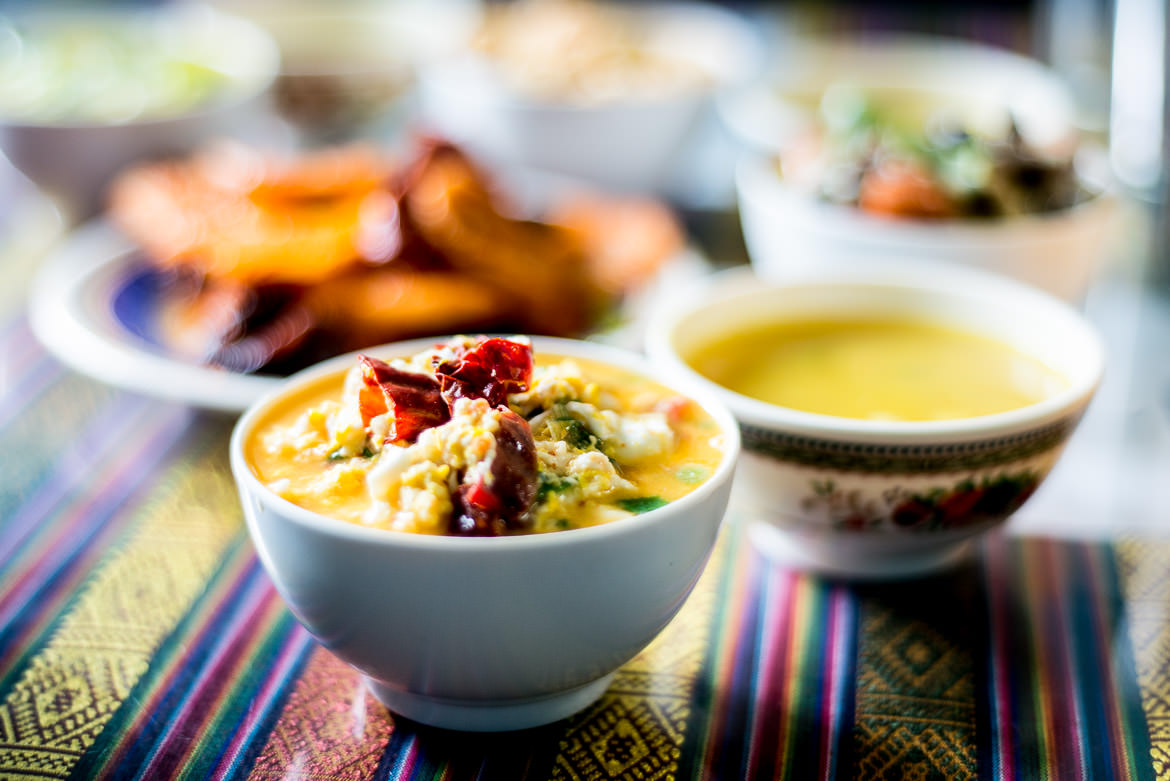
Respectful behavior during sacred meal ceremonies
Silence plays a vital role during most Bhutanese sacred food ceremonies, especially during the initial blessing prayers. Keep conversations to a whisper and avoid discussing mundane topics like work or gossip. When the monks or spiritual leaders begin chanting, everyone should remain completely quiet and maintain a meditative posture.
Never point your feet toward the altar or sacred food offerings. Always sit with legs crossed or tucked beneath you, ensuring your feet face away from religious items. If mobility issues prevent traditional seating, speak quietly with the ceremony organizer beforehand to arrange appropriate accommodation.
Wait for the eldest person or spiritual leader to begin eating before touching any food. This hierarchy shows respect for wisdom and spiritual authority. Accept all offered food gracefully, even if you have dietary restrictions - taking a small symbolic portion shows appreciation for the blessing.
Avoid using your left hand for eating or receiving food, as it's considered impure in Bhutanese Buddhist tradition. Always use your right hand or both hands together when accepting blessed food from religious figures.
Photography requires explicit permission and should never occur during prayer segments. The flash and camera sounds can disrupt the sacred atmosphere and concentration of participants.
Gift-giving customs when attending food rituals
Bringing khata (ceremonial scarves) remains the most traditional and appreciated gift when attending sacred food ceremonies. White khata symbolizes purity and good intentions, while colored ones may have specific meanings depending on the ceremony type. Present these with both hands and a slight bow.
Monetary offerings called "dakshina" show gratitude for spiritual teachings received during the ceremony. Place money in a clean envelope and offer it discreetly to the organizing committee or spiritual leader. The amount matters less than the sincere intention behind the gesture.
Food contributions should align with ceremony requirements and dietary restrictions. Vegetarian dishes work best for most Buddhist ceremonies, while specific festivals may call for traditional foods like butter tea ingredients, rice, or dried fruits. Always check with organizers about needed items before the event.
Incense, butter lamps, or prayer flags make meaningful spiritual gifts that directly support the ceremony's sacred atmosphere. These items become part of the ritual itself and continue blessing participants throughout the event.
Appropriate dress codes for different ceremonial occasions
Traditional Bhutanese attire shows the highest respect during sacred food ceremonies. Men should wear gho (traditional robe) with proper belt and ceremonial scarf, while women wear kira (traditional dress) with matching jacket. If you don't own traditional clothing, conservative Western attire works as an alternative.
Colors carry spiritual significance in Bhutanese Buddhist culture. Avoid bright red, as it's reserved for monks and high lamas. Deep blues, maroons, and earth tones show appropriate reverence. Black clothing should be avoided during joyful ceremonies but may be suitable for memorial food rituals.
Cover your shoulders, arms, and legs completely. Short sleeves, low necklines, or revealing clothing shows disrespect to the sacred nature of the event. Loose-fitting clothes work better than tight garments for comfortable sitting during extended ceremonies.
Remove hats, sunglasses, and shoes before entering the ceremony space. Bring clean socks since you'll be walking and sitting on carpets or mats. Jewelry should be minimal and non-distracting - avoid anything that makes noise during movement.
Understanding seating arrangements and hierarchy rules
Age and spiritual authority determine seating positions in Bhutanese sacred food ceremonies. The oldest participants and religious figures sit closest to the altar or sacred space, with seating moving outward based on decreasing age and spiritual rank.
Monks and nuns always receive priority seating, regardless of their physical age. Lay practitioners who have taken extensive vows or completed significant retreats also receive elevated positions. Local community leaders and ceremony sponsors typically sit in the second tier of honored positions.
Gender separation occurs in some traditional ceremonies, with men and women forming separate seating sections. Mixed seating happens in more modern or family-oriented food rituals. When in doubt, observe where others of your gender are sitting and follow their lead.
Never assume a seat without guidance from the organizers. Arriving early allows proper seat assignment and shows respect for the ceremony's importance. If you accidentally sit in the wrong position, graciously move when directed without making a scene or drawing attention to the mistake.
| Seating Priority | Position | Typical Occupants |
| First Tier | Closest to the altar | Senior monks, rinpoches, eldest community members |
| Second Tier | Middle sections | Junior monks, community leaders, and ceremony sponsors |
| Third Tier | Outer areas | General participants, visitors, and younger attendees |
| Separate Areas | Designated spaces | Children, people with mobility needs, and late arrivals |
Creating Your Own Respectful Food Ceremony Experience
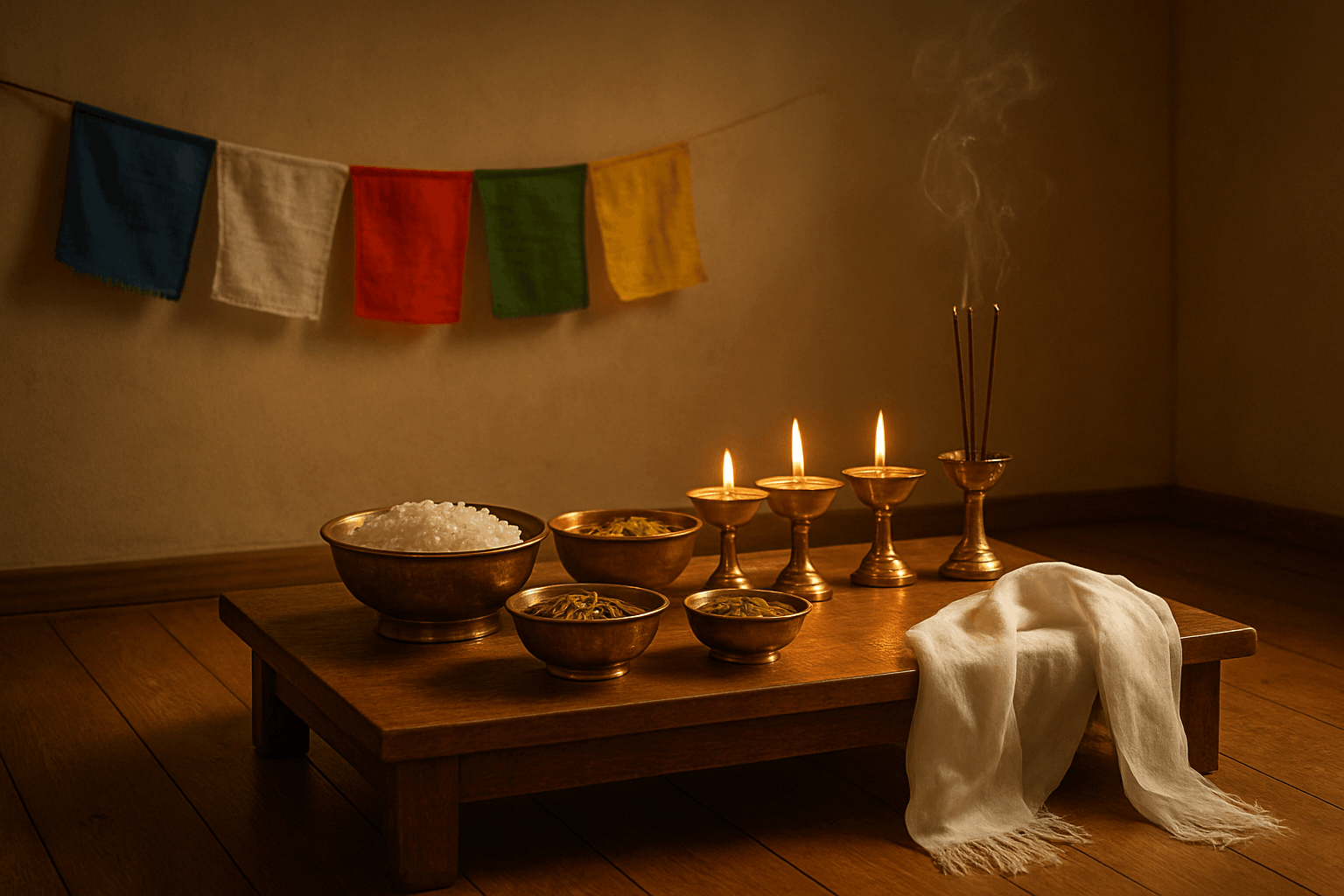
Planning a Home-Based Bhutanese Blessing Meal
Setting up your own Bhutanese food ceremony at home requires careful attention to both spiritual intention and practical preparation. Start by choosing a meaningful date - perhaps aligning with Bhutanese lunar calendar events like Losar (New Year) or personal milestones that hold significance for your family.
Create a dedicated sacred space in your dining area by placing a white cloth on your table and arranging a small altar with butter lamps, incense, and offerings of rice or barley. The kitchen becomes equally sacred during preparation, so approach cooking with mindfulness and respect. Begin your meal planning with traditional staples like red rice, chilies, yak cheese (or substitute), and momos (dumplings).
Invite friends and family who share your respect for the tradition, explaining the ceremony's significance beforehand. Set clear intentions for your gathering - whether seeking blessings for health, prosperity, or spiritual growth. Prepare your mind through meditation or prayer before cooking begins, as your mental state directly influences the food's spiritual energy.
Consider timing your ceremony with sunrise or sunset, as these transition periods hold special power in Bhutanese belief. Document your experience through photos or journaling, but keep technology minimal during the actual ceremony to maintain a sacred atmosphere.
Sourcing Authentic Ingredients Outside of Bhutan
Finding genuine Bhutanese ingredients internationally requires creativity and resourcefulness. Start with Asian grocery stores, particularly those serving Nepalese, Tibetan, or Himalayan communities, as they often carry similar products. Red rice, a ceremony staple, can be found in specialty health food stores or ordered online from suppliers specializing in heirloom grains.
For chilies, look for dried Himalayan varieties or substitute with Korean gochugaru or Mexican guajillo peppers, which offer similar heat levels and flavor profiles. Yak cheese proves most challenging to source - aged Gouda or Manchego provide comparable saltiness and texture. Tibetan grocery stores sometimes carry dried yak cheese, or you can find authentic products through online retailers specializing in Himalayan foods.
| Ingredient | Best Substitutes | Where to Find |
| Red rice | Bhutanese red rice, Himalayan red rice | Asian markets, online specialty stores |
| Ema datshi chilies | Korean gochugaru, dried guajillo | Korean markets, Mexican groceries |
| Yak cheese | Aged Gouda, manchego, gruyere | European cheese shops, delicatessens |
| Buckwheat flour | Whole buckwheat flour | Health food stores, online |
| Barley | Hulled barley, pearl barley | Regular supermarkets, bulk stores |
Connect with local Bhutanese or Tibetan communities through cultural centers or Buddhist temples - they often share ingredient sources and may even offer homemade items. Social media groups focused on Himalayan cooking provide excellent networking opportunities for ingredient exchanges and authentic recipe sharing.
Adapting Traditional Recipes for Modern Kitchens
Modern kitchen equipment can actually enhance traditional Bhutanese cooking methods when used thoughtfully. Replace clay pots with heavy-bottomed stainless steel or cast iron cookware, which retains heat similarly and won't interfere with flavors. Electric pressure cookers work wonderfully for preparing red rice and tough cuts of meat, reducing cooking time while maintaining authentic textures.
Food processors can handle the labor-intensive task of grinding chilies and spices, but pulse carefully to avoid over-processing - you want texture, not powder. Stand mixers with dough hooks make preparing momo dough much easier, though hand-kneading remains preferable for maintaining a connection to the cooking process.
Temperature control becomes easier with modern stoves, but learn to recognize visual and aromatic cues rather than relying solely on thermometers. Traditional Bhutanese cooking depends heavily on intuition and sensory awareness.
Adapt fermentation processes for apartment living by using your oven's pilot light or creating warm spots near heating vents. Fermented vegetables and dairy products require consistent warmth that modern homes can provide through creative placement.
Store ingredients properly using airtight containers and proper refrigeration - many traditional preservation methods assumed different climate conditions. Freeze-dried chilies and specialty grains to extend shelf life while maintaining nutritional value and flavor integrity.
Scale recipes appropriately for your gathering size while maintaining proper proportions. Traditional measurements often used handfuls or estimates, so practice developing your eye for quantities that work in your space.
Conclusion
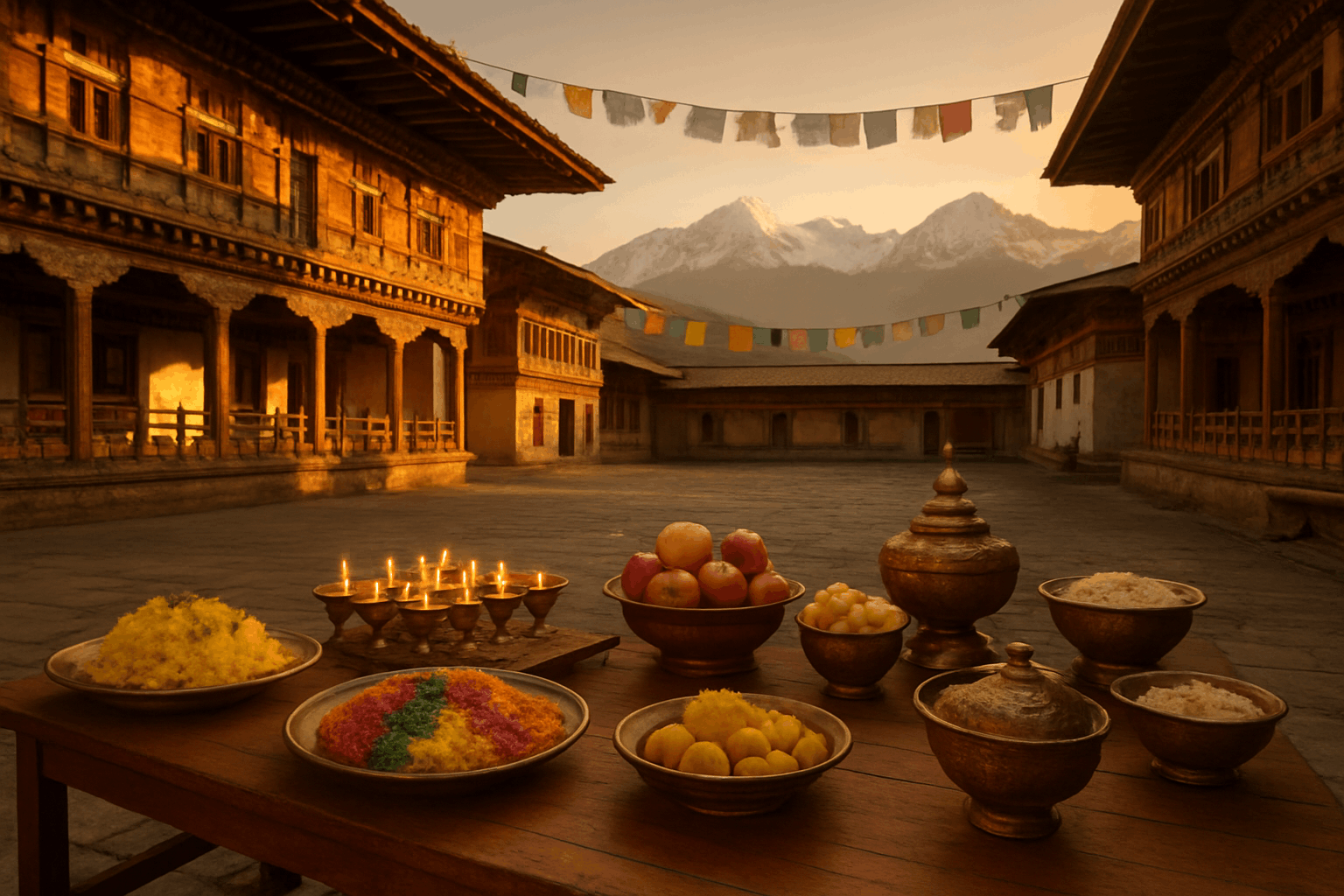
Bhutan's sacred food ceremonies offer a beautiful window into the country's spiritual heart, where every ingredient carries meaning, and every ritual connects people to their ancestors and beliefs. From the barley flour offerings of tsampa to the butter tea shared during prayer gatherings, these traditions show how food becomes a bridge between the physical and spiritual worlds. Learning about the proper cooking methods, understanding when ceremonies happen throughout the year, and respecting the etiquette involved helps visitors appreciate the depth of Bhutanese culture.
If you're planning to experience these ceremonies yourself, remember that participation comes with responsibility. Take time to learn the customs, ask questions respectfully, and always follow the lead of local practitioners. The goal isn't just to observe but to genuinely connect with the traditions that have shaped Bhutanese life for centuries. When you approach these sacred moments with an open heart and proper preparation, you'll discover that food ceremonies in Bhutan are much more than meals – they're pathways to understanding a culture where spirituality and daily life flow together seamlessly.