- Spiritual Significance
- Natural Beauty
- Proximity to Mount Kailash
- Pilgrimage Site
- Wildlife and Environment
- Cultural Experience
- Adventure Opportunities
- Photographic Splendor
- Serene Atmosphere
- Accessible Tours
- Best time to visit Lake Manasarovar
- Essential Tips for Travelling to Lake Manasarovar
- FAQs of the Lake Manasarovar
Lake Manasarovar, located at a breathtaking altitude of 4,590 meters, is one of the world's highest freshwater lakes. Revered in multiple religions, this sacred lake is an essential destination for those on a Lake Manasarovar pilgrimage or participating in the Manasarovar Lake yatra. Surrounded by the majestic Himalayas, including the sacred Mount Kailash, it offers a serene and spiritual experience. The Lake Manasarovar trek challenges the body and enriches the spirit, making it a profound journey for pilgrims and adventurers alike. With Lake Manasarovar tour packages, travelers can explore this tranquil location's spiritual and natural beauty, immerse in local myths and legends, and engage in various activities at Lake Manasarovar. Whether seeking spiritual solace, natural beauty, or a challenging trek, Lake Manasarovar is a destination that calls to the heart of every traveler.
At Druk Holidays, we pride ourselves on being the premier choice for travelers seeking a transformative journey to Lake Manasarovar. With our expertly crafted Lake Manasarovar tour packages, we ensure every aspect of your pilgrimage is handled with utmost care and professionalism. Our deep understanding of the region's spiritual significance and logistical nuances makes us the best partner for your Lake Manasarovar pilgrimage. Whether you're drawn to the serene beauty of this high-altitude freshwater lake, interested in the spiritual activities at Lake Manasarovar, or the challenging treks around the sacred Mount Kailash, Druk Holidays offers an unparalleled experience that is both enriching and memorable. Join us to explore one of the most sacred landscapes on earth with the assurance of safety, comfort, and spiritual fulfillment.
Spiritual Significance
Lake Manasarovar is not just a destination; it's a profound spiritual journey revered across various cultures and religions. Situated at a high altitude, its serene and pristine waters are believed to hold purifying properties that cleanse the soul and offer peace to those who visit.
- Holiness Across Religions: Lake Manasarovar is sacred in Hinduism, Buddhism, Jainism, and Bon, each attributing unique spiritual attributes to it.
- Hindu Beliefs: In Hindu mythology, the lake is considered the abode of Lord Shiva and his consort Parvati. Pilgrims believe that taking a dip in the lake will cleanse all their sins.
- Buddhist Traditions: Buddhists view the lake as a place of enlightenment, often associating it with historical Buddha's teachings and meditative practices.
- Jain Connection: For Jains, it is said that the first Tirthankara, Rishabhadeva, attained Nirvana on the shores of this lake, making it an important pilgrimage site.
- Bon Practices: Followers of the Bon religion consider it a place where founder Shenrab Miwo performed rituals and subdued spirits.
- Pilgrimage Destination: Annually, thousands undertake the Lake Manasarovar pilgrimage, believing it to offer spiritual salvation and divine blessings.
- Ceremonial Rituals: The lake hosts numerous spiritual and religious ceremonies, drawing monks, spiritual leaders, and devout followers who engage in rituals and meditative practices.
- Symbol of Purity: The crystal-clear waters symbolize purity and clarity, encouraging pilgrims to reflect on their lives and aspire towards a higher spiritual existence.
The spiritual significance of Lake Manasarovar transcends its physical beauty, making it a beacon for those seeking spiritual enlightenment and inner peace. Whether participating in the Manasarovar Lake yatra or simply soaking in its tranquil surroundings, the lake offers a unique opportunity to connect with the divine and explore the depths of one's spirituality.
Natural Beauty
Lake Manasarovar stands as a pristine natural marvel, surrounded by the vast and untouched landscapes of the Tibetan plateau. Known for its breathtaking scenery and tranquil environment, the lake offers an escape into nature's embrace that is as visually stunning as it is serene.
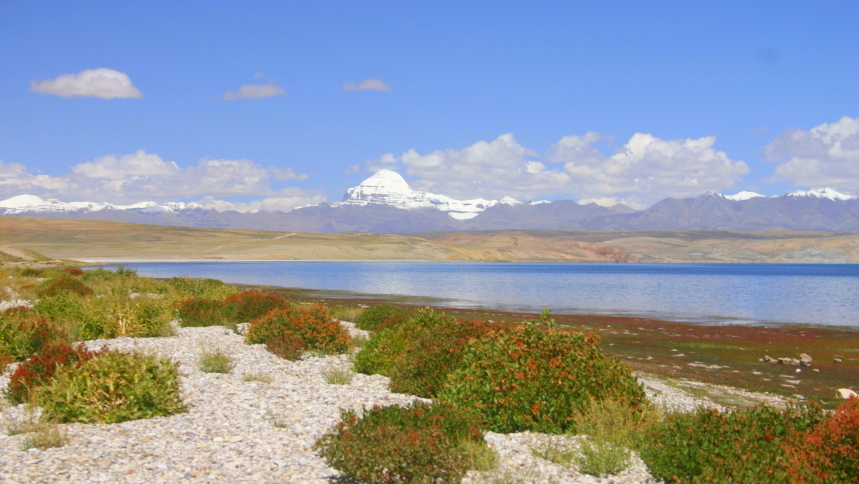
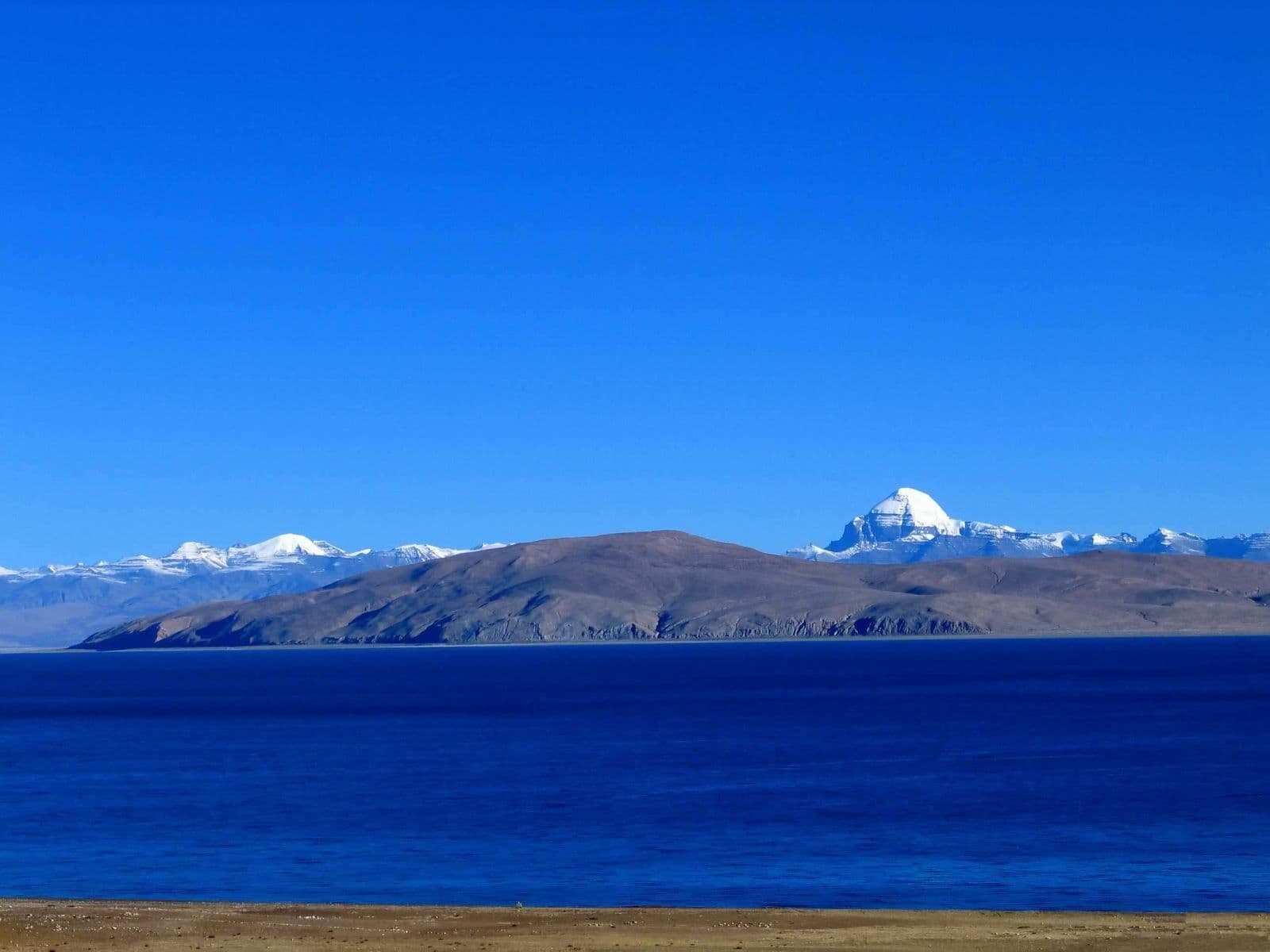
- High-Altitude Splendor: Located at an altitude of 4,590 meters, the lake is one of the highest freshwater lakes in the world, providing panoramic views of the surrounding Himalayan peaks.
- Crystal Clear Waters: The lake's waters are famously clear, reflecting the blue skies and the mountainous horizon in a spectacular display of natural beauty.
- Surrounding Landscape: The area around Lake Manasarovar is characterized by wide-open spaces, rolling hills, and the unique flora of the Tibetan plateau, contributing to its picturesque setting.
- Wildlife Habitat: The region is home to a variety of wildlife, including migratory birds, wild horses, and rare species like the Tibetan antelope, enhancing the lake’s ecological significance.
- Photographer's Paradise: With its stunning landscapes and vibrant sunrises and sunsets, the lake is a favored spot for photographers looking to capture the magic of the high-altitude environment.
- Seasonal Beauty: The lake changes with the seasons, from frozen expanses in winter to vibrant blues in the summer, each season adding a new dimension to its allure.
- Spiritual Atmosphere: The natural beauty of the lake is magnified by its spiritual significance, creating an atmosphere that is both awe-inspiring and humbling.
- Accessibility: Despite its remote location, Lake Manasarovar is accessible through various Lake Manasarovar tour packages offered by companies like Druk Holidays, allowing visitors from all over the world to experience its natural wonders.
The natural beauty of Lake Manasarovar is undeniable and deeply moving. It offers a rare glimpse into an environment that has remained largely untouched by modern civilization, providing a powerful and profound natural experience for all who visit. Whether you are seeking solitude, adventure, or a moment of reflection, Lake Manasarovar delivers a stunning backdrop that is both invigorating and restorative.
Proximity to Mount Kailash
Lake Manasarovar is not only famed for its serene beauty and spiritual significance but also for its close proximity to Mount Kailash, another profoundly sacred site. This geographical closeness between the lake and the mountain amplifies the spiritual and natural allure of visiting the area.
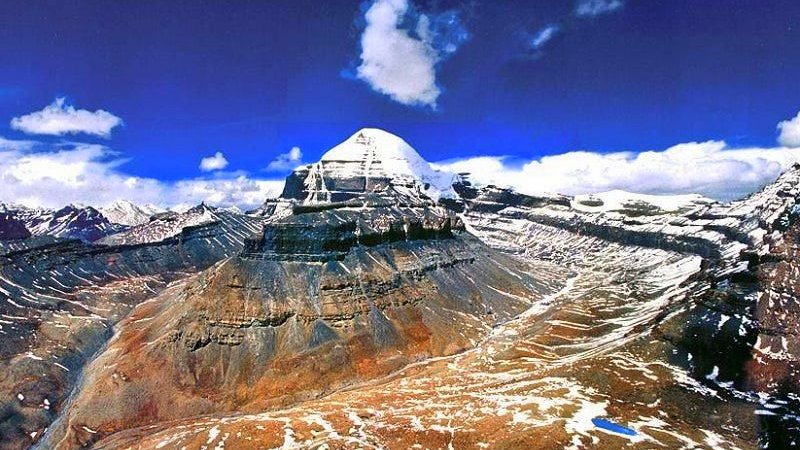
- Dual Pilgrimage Site: The close proximity allows pilgrims and travelers to undertake a dual pilgrimage, visiting both Lake Manasarovar and Mount Kailash in a single journey, which is considered highly auspicious.
- Spiritual Synergy: Many believe that the energies of Mount Kailash and Lake Manasarovar complement each other, creating a unique spiritual environment that enhances meditation and prayer.
- Stunning Views: Visitors to Lake Manasarovar can enjoy breathtaking views of Mount Kailash, particularly at sunrise and sunset when the play of light transforms the mountain’s snow-capped peak into a golden spectacle.
- Integrated Trekking Routes: Trekking routes often integrate visits to both sites, offering an adventurous experience that combines physical challenge with spiritual introspection.
- Shared Religious Importance: Both sites are central to several myths and legends in Hinduism, Buddhism, and other religions, making the area a focal point for religious studies and spiritual discourse.
- Cultural Exchange: The proximity of these two sacred sites facilitates a rich exchange of cultural and spiritual traditions among the pilgrims from different parts of the world who visit.
- Environmental Harmony: The natural environment around Lake Manasarovar and Mount Kailash is preserved with great reverence, offering a pristine landscape that is as ecologically significant as it is beautiful.
- Tourism Development: The area’s tourism infrastructure is designed to cater to visitors of both sites, with Lake Manasarovar tour packages often including guided tours to Mount Kailash, enhancing the overall accessibility and experience.
The proximity of Lake Manasarovar to Mount Kailash enriches the experience of visitors by offering a combination of spiritual enrichment, natural beauty, and cultural immersion. This unique pairing of sacred sites is what makes a journey here unlike any other in the world, providing an unforgettable pilgrimage that resonates deeply with those who embark on it.
Pilgrimage Site
Lake Manasarovar stands as one of the most significant pilgrimage sites in the world, attracting thousands of spiritual seekers and devout pilgrims each year. This sacred lake, set against the backdrop of the mighty Himalayas, offers a profound journey into the heart of various religious traditions.
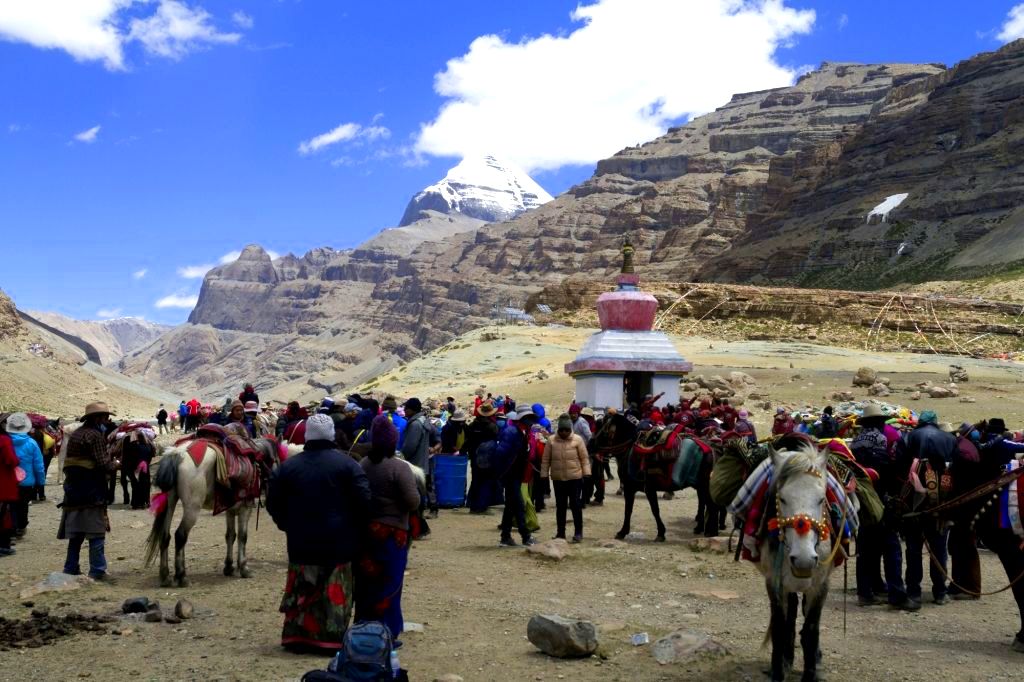
- Interfaith Significance: Revered by Hindus, Buddhists, Jains, and followers of the Bon tradition, Lake Manasarovar is a unique interfaith pilgrimage site that unites diverse spiritual practices and beliefs.
- Hindu Pilgrimage: For Hindus, the lake is associated with the divine trinity of Brahma, Vishnu, and Shiva. Bathing in its waters is believed to purify the soul from the sins accumulated over a lifetime.
- Buddhist Traditions: Buddhists consider the lake as a place where the Buddha himself meditated, and it serves as a site for performing rituals that promote spiritual cleansing and enlightenment.
- Jain Tirtha: Jains believe that their first prophet, Rishabhadeva, attained Nirvana here, making it an important Tirtha (pilgrimage site) for meditation and penance.
- Bon Sacred Site: Followers of Bon visit Lake Manasarovar to perform ancient rituals and connect with the spiritual energies of the lake, believed to be a source of spiritual rebirth.
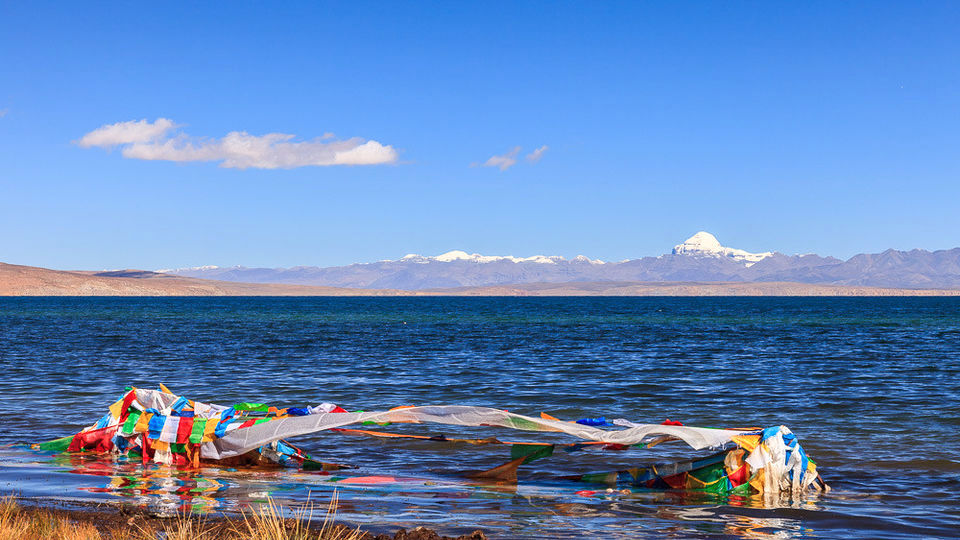
- Ceremonies and Rituals: Throughout the year, various religious ceremonies are held on the banks of the lake, including prayer flags hoisting, ritual dips, and circumambulation, which is believed to bring good fortune and health.
- Accessibility: Lake Manasarovar is accessible through well-organized Lake Manasarovar tour packages provided by companies like Druk Holidays, which manage the complex logistics needed to travel in this remote region.
- Spiritual Atmosphere: The serene and tranquil environment of the lake, combined with its religious significance, creates a powerful spiritual atmosphere where pilgrims can engage in deep meditation and prayer.
As a pilgrimage site, Lake Manasarovar is not just a destination but a transformative experience that offers peace, spiritual renewal, and a deeper understanding of one’s faith. It invites pilgrims from all corners of the world to partake in its sacred waters and mystical surroundings, promising a journey filled with spiritual insights and personal discovery.
Wildlife and Environment
Lake Manasarovar is not only a spiritual sanctuary but also an ecological haven, rich in biodiversity and natural habitats. Situated in the remote Tibetan plateau, it offers a unique glimpse into the wildlife and environmental dynamics of high-altitude ecosystems.
- Diverse Ecosystems: The area around Lake Manasarovar hosts a variety of ecosystems, from semi-arid scrublands to wetlands, each supporting unique flora and fauna.
- Birdwatching Haven: The lake is a vital stopover for migratory birds, including the rare black-necked cranes, bar-headed geese, and Brahminy ducks, making it a prime spot for birdwatching.
- Endemic Species: The region is home to several endemic species adapted to the high-altitude environment, such as the Tibetan wild ass, the Tibetan antelope, and the Himalayan marmot.
- Floral Diversity: The banks of Lake Manasarovar flourish with a range of high-altitude plants and wildflowers, especially during the brief summer months when the landscape transforms into a vibrant tapestry of colors.
- Protected Area: The lake is part of a larger conservation area, which helps preserve its pristine conditions and ensures that the natural habitats are maintained and protected.
- Climate Challenges: The harsh climate of the region, with cold temperatures and limited oxygen, shapes the life here, creating a unique ecological niche.
- Sustainable Practices: Efforts are continually made to promote sustainable tourism practices around the lake to minimize human impact on this delicate ecosystem.
- Geographical Significance: The lake’s location on the Tibetan plateau, near several major mountain ranges, influences local weather patterns and ecological conditions, adding to its environmental importance.
The wildlife and environment of Lake Manasarovar are integral to its allure, offering visitors an opportunity to connect with nature in one of the most unspoiled landscapes on earth. Its ecological significance complements its spiritual heritage, making a visit to the lake a truly holistic experience. Whether you are a nature enthusiast, a spiritual seeker, or an avid explorer, the environmental and wildlife diversity of Lake Manasarovar promises an enriching and enlightening journey.
Cultural Experience
Lake Manasarovar is not just a destination for spiritual pilgrimage; it's a vibrant cultural hub that offers a rich tapestry of local customs, traditions, and community life. Located in the remote Tibetan plateau, this sacred lake provides visitors with a unique opportunity to engage with the cultural heritage of Tibet.
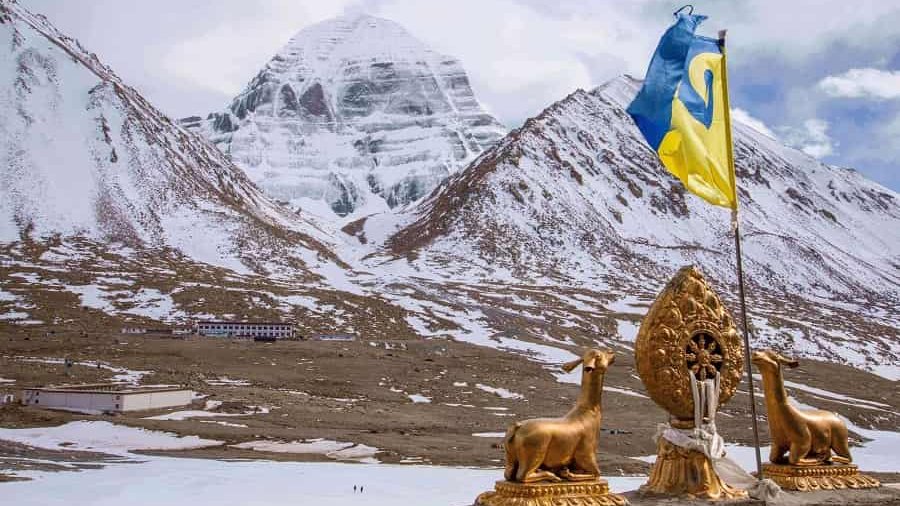
- Local Traditions: Visitors have the opportunity to witness and participate in local rituals and customs, which are often centered around the lake due to its spiritual significance. These include ritual bathing, prayer ceremonies, and the setting of prayer flags, which create a colorful contrast against the stark landscape.
- Festivals and Celebrations: The region around Lake Manasarovar comes alive during various festivals, where pilgrims and locals gather to celebrate with music, dance, and traditional storytelling. These festivals are a fantastic way for travelers to experience Tibetan culture in its most joyous and communal expressions.
- Art and Craftsmanship: The area is known for its unique art forms, including Thangka painting, which visitors can see and purchase from local artisans. These intricate and colorful paintings often depict religious and mythological scenes and are considered a form of meditation and offering.
- Cuisine: Experiencing the local cuisine is a must when visiting Lake Manasarovar. The food here is suited to the high-altitude conditions and includes Tibetan staples such as Tsampa (barley flour), butter tea, and various meat and noodle dishes.
- Interaction with Monks and Nuns: Many monasteries and nunneries are located around the lake, and interacting with the monks and nuns can provide deep insights into the spiritual practices and daily lives of these religious communities.
- Cultural Preservation: Efforts to preserve and promote the unique cultural heritage of the Lake Manasarovar area are evident, and visitors are encouraged to learn about and respect these traditions.
- Educational Opportunities: For those interested in the deeper aspects of Tibetan culture and religion, there are opportunities to engage in educational programs and talks with local scholars and religious leaders.
- Spiritual Learning: The entire environment around Lake Manasarovar is conducive to learning about spirituality and the various religions practiced in the region, offering a profound cultural and spiritual education.
The cultural experience at Lake Manasarovar enriches the journey of every visitor, making it more than just a scenic or spiritual visit. Engaging with the local culture allows for a deeper understanding and appreciation of this unique region, providing lasting memories and a greater appreciation of Tibet's rich heritage.
Adventure Opportunities
Lake Manasarovar is not only a destination of profound spiritual importance but also a haven for adventure enthusiasts. Located in the high-altitude wilderness of Tibet, the lake offers a range of activities that cater to the adventurous spirit, set against a backdrop of breathtaking natural beauty.
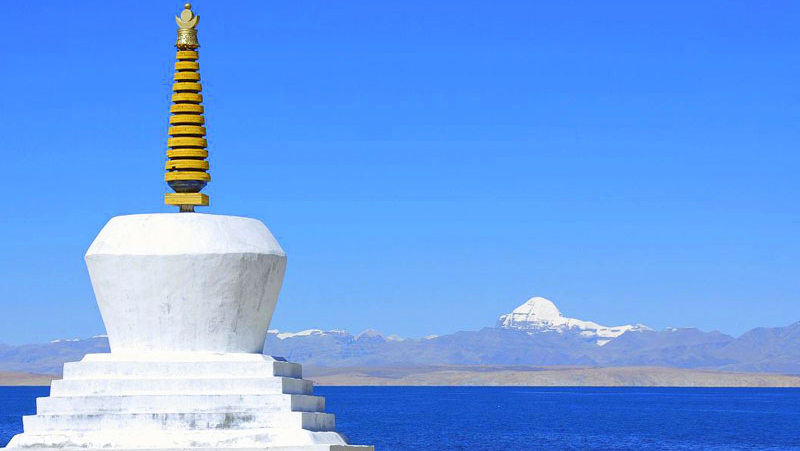
- Trekking and Hiking: The terrain around Lake Manasarovar offers various trekking routes, ranging from moderate walks along the lake’s perimeter to challenging hikes up nearby peaks. These treks provide stunning views and the opportunity to experience the rugged beauty of the Tibetan landscape.
- Circumambulation (Kora): Performing a Kora, which involves walking around the lake, is not only a spiritual act but also a physical challenge that many trekkers undertake. This journey around the lake is about 90 kilometers long and offers a unique way to experience both the cultural and natural aspects of the area.
- Mountaineering: For the more daring, the nearby Mount Kailash offers mountaineering opportunities. Although climbing the mountain itself is prohibited due to its sacred status, the surrounding area provides ample challenges for climbing enthusiasts.
- Camping: Given the remote location of the lake, camping is a popular option for those looking to immerse themselves fully in the natural environment. Night skies over Lake Manasarovar are particularly clear, making for excellent stargazing opportunities.
- Photography Expeditions: The scenic landscapes, vibrant cultural activities, and unique wildlife around the lake make it a photographer’s paradise. Organized photography tours allow adventurers to capture the majestic beauty of this high-altitude wonderland.
- Wildlife Safaris: The area around the lake is home to unique high-altitude wildlife, and safaris can be arranged to spot species such as the Tibetan antelope, wild yaks, and various migratory birds.
- Spiritual Retreats: Combining adventure with spirituality, many visitors engage in yoga and meditation retreats by the serene waters of the lake, offering a rejuvenating experience that challenges both mind and body.
- Cultural Treks: Trekking routes often include visits to ancient monasteries and remote villages, providing an adventurous way to learn about the local culture and traditions.
The adventure opportunities at Lake Manasarovar are as diverse as they are exhilarating. Whether you are seeking a spiritual journey, physical challenges, or a chance to connect with nature, the lake offers a unique setting to fulfill these adventurous pursuits. Each activity at Lake Manasarovar not only promises thrilling experiences but also provides a deeper connection with the stunning natural and cultural landscapes of this sacred region.
Photographic Splendor
Lake Manasarovar is renowned not only for its spiritual and cultural significance but also for its extraordinary photographic potential. Nestled in the vast Tibetan Plateau, this high-altitude lake offers photographers unparalleled opportunities to capture images of stunning landscapes, unique cultural events, and rare wildlife in one of the most visually spectacular settings in the world.
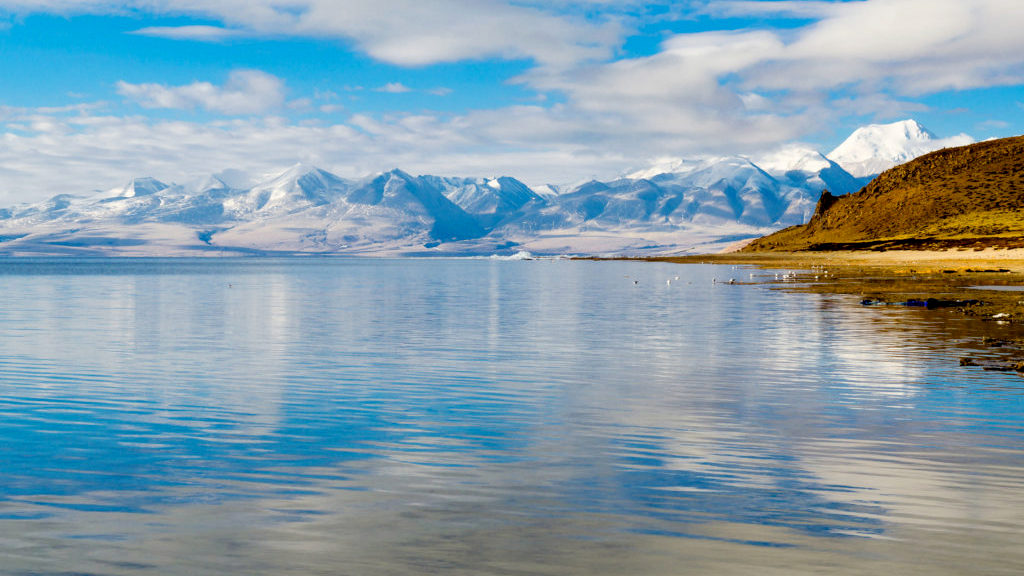
- Landscape Photography: The panoramic views of the Himalayas reflected in the crystal-clear waters of the lake provide perfect subjects for breathtaking landscape photographs. The changing light from dawn to dusk offers varied hues and shadows, creating dynamic and dramatic scenes.
- Cultural Photography: The lake is a focal point for numerous religious ceremonies and pilgrimages. Photographing these events allows for a deep dive into the traditions and rituals of different cultures, capturing the essence of their spiritual practices in vibrant detail.
- Wildlife Photography: The diverse ecosystems around Lake Manasarovar support a variety of wildlife, including migratory birds like the black-necked crane and native species such as the Tibetan antelope. The secluded nature of the area provides excellent chances to photograph these animals in their natural habitats without disturbance.
- Astrophotography: The remote location and high altitude result in minimal light pollution, making Lake Manasarovar an ideal spot for astrophotography. The clear night skies reveal the Milky Way and countless stars, offering stunning celestial scenes for photography.
- Portrait Photography: Engaging with the local pilgrims and monks provides opportunities for portrait photography, capturing the profound human element against the backdrop of this sacred site. These portraits can tell powerful stories of faith, tradition, and the human spirit.
- Environmental Photography: Documenting the natural beauty and environmental conditions of the lake and its surroundings can raise awareness about the need for conservation and respect for such pristine landscapes.
- Seasonal Changes: Each season brings its own beauty to the lake, from frozen winter vistas to vibrant summer blooms. Capturing these seasonal variations showcases the dynamic nature of the environment.
- Photographic Expeditions: Organizing specific photographic expeditions can enhance the experience, allowing photographers to explore different angles, times of day, and techniques under the guidance of professionals.
The photographic splendor of Lake Manasarovar is as vast as the landscapes it encompasses. For photographers, both amateur and professional, the lake offers an endless canvas of opportunities to capture stunning images that reflect the beauty and spirituality of this unique place. Every visit to Lake Manasarovar promises not only a visual feast but also an enriching artistic journey.
Serene Atmosphere
Lake Manasarovar is renowned for its tranquil and serene atmosphere, making it a haven for those seeking peace and reflection. Situated in the high-altitude plains of Tibet, the lake's surroundings are characterized by vast open spaces and the majestic presence of the Himalayas, which contribute to an overwhelming sense of calm and stillness.
- Natural Isolation: The remote location of the lake ensures it remains relatively untouched by the hustle and bustle of modern life. This natural isolation helps maintain a quietude that is both rare and profound.
- Spiritual Significance: The spiritual reverence that envelops the lake adds to its peaceful atmosphere. Pilgrims visiting the lake often engage in meditative and prayerful practices, enhancing the overall sense of tranquility.
- Sweeping Landscapes: The expansive views of clear blue waters against the backdrop of towering mountains provide a visually soothing experience that can calm the mind and ease the soul.
- Minimal Human Intervention: The area around Lake Manasarovar has been preserved with minimal human intervention, allowing nature to thrive in its pristine state, which adds to the peaceful environment.
- Reflective Waters: The lake’s surface, often still and reflective, mirrors the sky and surrounding peaks, creating a mesmerizing and meditative quality that invites introspection.
- Soft Sounds of Nature: The gentle lapping of the lake’s waters, the whispering winds, and the occasional calls of migratory birds are the soft sounds that fill the air, replacing the noise of urban environments with nature’s subtle symphonies.
- Monastic Presence: Several monasteries located around the lake contribute to its serene atmosphere, with monks and nuns practicing daily rituals and living in harmony with their sacred surroundings.
- Cultural Respect: The respect and veneration that visitors bring to the lake foster a culture of quiet and reflection, ensuring that the serene atmosphere is maintained and cherished.
The serene atmosphere of Lake Manasarovar is a core aspect of its appeal, drawing visitors not only for its physical and spiritual beauty but also for the peace it offers. This tranquility makes the lake a unique destination, ideal for those looking to escape the chaos of daily life and find solace in the lap of nature. Whether through contemplative solitude or shared silent reveries, the atmosphere at Lake Manasarovar is an invitation to unwind and rejuvenate amidst one of the most tranquil settings on earth.
Accessible Tours
Lake Manasarovar, nestled high in the Tibetan Plateau, is a site of immense spiritual and natural beauty. While it might seem remote and challenging to reach, a variety of accessible tour options make a visit to this sacred lake possible for many travelers. These tours are designed to handle the complexities of travel in such a high-altitude region, ensuring that visitors can experience the lake's tranquility and beauty with ease and comfort.
- Comprehensive Packages: Accessible tours typically include all necessary components such as permits, transportation, accommodation, and guided services, simplifying the travel process for visitors.
- Transportation Options: Given its remote location, getting to Lake Manasarovar requires careful planning. Tours offer arranged transport from major cities like Kathmandu or Lhasa, including flights to nearby airports and subsequent drives, ensuring comfort throughout the journey.
- Experienced Guides: Knowledgeable guides are an integral part of these tours, providing insights into the cultural and spiritual significance of the lake, as well as ensuring safe travel through challenging terrains.
- Medical Support: High-altitude travel can pose health risks; thus, reputable tours provide medical support, including access to oxygen and first aid, along with advice on acclimatization.
- Flexible Itineraries: To accommodate various fitness levels and interests, tours offer flexible itineraries. These can range from shorter, less demanding visits to the lake's shores to more extensive treks around the area.
- Cultural Immersion: Tours often include visits to local villages, monasteries, and cultural sites, enriching the travel experience and offering a deeper understanding of the region's heritage.
- Accommodation Choices: From guesthouses to more comfortable lodge facilities, tours provide various accommodation options to suit different budgets and comfort levels.
- Environmental Consideration: Recognizing the ecological sensitivity of the area, tours are designed to be environmentally friendly, adhering to sustainable practices to minimize the impact on the natural surroundings.
- Special Needs Accommodation: Recognizing the diverse needs of travelers, many tours offer special accommodations for elderly or differently-abled pilgrims, ensuring that the spiritual journey to Lake Manasarovar is accessible to all.
The accessible tours to Lake Manasarovar are meticulously planned to ensure that every visitor can experience the profound beauty and serenity of this sacred place without the stress of managing complex travel logistics. These tours not only provide physical access but also facilitate a deeper connection with the lake's spiritual essence, making a pilgrimage to Lake Manasarovar both a journey and a destination that is truly accessible to everyone.
Best time to visit Lake Manasarovar
Visiting Lake Manasarovar offers a profound experience, deeply enriching for both the spirit and the senses. The best time to visit this sacred lake depends largely on weather conditions and the type of experience you are seeking. Situated at a high altitude on the Tibetan Plateau, the lake experiences significant seasonal changes that can influence your trip.
- Summer (May to October): This is the most favorable time to visit Lake Manasarovar. The weather is relatively warmer and more stable, with daytime temperatures comfortable for trekking and other outdoor activities. The lake and the surrounding landscape are at their most accessible, and the roads are generally clear of snow.
- Late Spring (May and June): These months mark the end of the cold winter and the beginning of milder weather. The region starts to bloom, and although nights can still be chilly, the increasing warmth makes daytime activities pleasant. This is also a less crowded time, offering a more solitary experience at the lake.
- High Summer (July and August): These are the warmest months at Lake Manasarovar and also coincide with the monsoon season. While rain is more common, it often comes in short bursts and doesn’t usually disrupt travel plans. The landscape is vibrant, and the full bloom of summer provides spectacular photographic opportunities.
- Early Autumn (September and October): As the monsoon fades, the clarity of the sky improves, making these months ideal for those interested in photography and clear mountain views. The temperature begins to cool, especially at night, but the days are still warm enough to enjoy the outdoors comfortably.
- Off-Peak Seasons (November to April): Visiting during the off-peak season can be challenging due to the cold weather and potential for heavy snow, which may block access routes. However, for the intrepid traveler, this time offers a unique view of the lake, transformed into a tranquil, icy expanse under the clear winter sky.
The best time to visit Lake Manasarovar ultimately depends on your personal preferences for weather, your interest in participating in cultural events, and your readiness to handle the rugged terrain of the Tibetan Plateau. Each season offers unique advantages and experiences, making Lake Manasarovar a versatile and captivating destination year-round.
Essential Tips for Travelling to Lake Manasarovar
Lake Manasarovar in the Tibetan Plateau is an adventure of a lifetime, often embarked upon for both spiritual enrichment and the natural splendor it offers. Here are essential tips to ensure your visit is as fulfilling and smooth as possible.
- Secure Necessary Permits: Traveling to Tibet requires several specific permits, including a Tibet Travel Permit, Alien Travel Permit, and Military Permit. It’s crucial to arrange these well in advance through a travel agency as individual applications are not allowed.
- Plan Your Travel Route: Most travelers reach Lake Manasarovar via Lhasa or Kathmandu. From Lhasa, you can take an overland journey that offers stunning views and cultural experiences, or from Kathmandu, you can join a direct tour that handles all logistics.
- Acclimatize Properly: Lake Manasarovar sits at over 4,500 meters above sea level. Spend a few days at intermediate altitudes to acclimatize to the thin air, which can help prevent altitude sickness.
- Pack Appropriately: Weather at high altitudes can be unpredictable. Pack layers of thermal and waterproof clothing, a sturdy pair of walking boots, sun protection (sunscreen, hat, sunglasses), and all necessary medications.
- Respect Local Customs and Traditions: Understanding and respecting local customs, religious practices, and conservation efforts is crucial. This includes proper behavior in sacred sites and minimizing your environmental impact.
- Stay Hydrated and Healthy: The risk of dehydration is higher at altitude, so drink plenty of water. Also, be cautious with food and water sources to avoid illness.
- Consider Travel Insurance: Given the remote and challenging nature of the environment, comprehensive travel insurance that covers high-altitude trekking and medical evacuation is recommended.
- Use Local Guides: Employing local guides not only provides employment in the region but also enhances your experience through their intimate knowledge of the landscape, culture, and history.
- Prepare for Basic Facilities: Depending on your travel style and the tour package, be prepared for basic accommodation and facilities. This might mean shared rooms, no heating, and squat toilets in more remote areas.
- Document Your Journey: Keep a travel diary or log to record your experiences. Photography is a great way to capture the journey but always ask for permission before taking photos of local people or religious sites.
Traveling to Lake Manasarovar requires preparation, respect for local cultures, and an adventurous spirit. By following these essential tips, you can ensure a safe, respectful, and deeply rewarding journey to one of the most spiritually significant and stunningly beautiful places on Earth.
Lake Manasarovar represents a confluence of spiritual significance, natural beauty, and cultural richness, offering a transformative experience for every visitor. Situated in the remote Tibetan Plateau, this high-altitude lake is revered across multiple religions and sought after by those desiring solitude in one of the most untouched landscapes on earth. As a place where nature and spirituality intersect vividly, Lake Manasarovar invites its visitors to embark on a journey that is both inward and outward, providing spiritual rituals that cleanse and renew alongside rugged treks that exhilarate. Whether drawn to its spiritual allure, the adventure it promises, or the tranquility it offers, a visit to Lake Manasarovar is profound and unforgettable, impacting visitors deeply with lasting memories and a sense of touching something truly sacred.
FAQs of the Lake Manasarovar
Q: What is the best time to visit Lake Manasarovar?
A: The best time to visit Lake Manasarovar is from May to October when the weather is warmer and the conditions are most suitable for travel and trekking.
Q: How can I reach Lake Manasarovar?
A: Lake Manasarovar can be reached via Lhasa in Tibet or from Kathmandu, Nepal. The journey typically involves a combination of flights and overland travel through organized tours, which handle all necessary permits and logistics.
Q: Do I need any special permits to visit Lake Manasarovar?
A: Yes, visitors need several permits including the Tibet Travel Permit, Alien Travel Permit, and sometimes a Military Permit. These must be arranged through a travel agency as individual applications are not permitted.
Q: What are the accommodation options near Lake Manasarovar?
A: Accommodation options near Lake Manasarovar range from basic guesthouses and lodges to camping sites. Facilities are generally basic given the remote nature of the location.
Q: Is it safe to drink the water from Lake Manasarovar?
A: No, it is not recommended to drink the water directly from Lake Manasarovar without proper treatment. Visitors should bring water purification tablets or systems.
Q: What should I pack for a trip to Lake Manasarovar?
A: Essential items include warm clothing in layers, sun protection, comfortable trekking shoes, personal medications, water purification methods, and high-energy snacks. It’s also wise to carry a first-aid kit.
Q: Are there any cultural practices I should be aware of when visiting Lake Manasarovar?
A: Visitors should respect local customs and religious practices, especially the ritual purity of the lake. It's important to dress modestly, avoid loud behaviors, and seek permission before participating in ceremonies or taking photographs of pilgrims.
Q: Can I swim in Lake Manasarovar?
A: While swimming is physically possible, it is generally not recommended due to the sacred nature of the lake and the extremely cold water temperatures. If choosing to enter the water, it should be done with respect for local beliefs and practices.
Q: What is the altitude of Lake Manasarovar and how can I prepare for it?
A: Lake Manasarovar is located at an altitude of about 4,590 meters (15,060 feet). To prepare, spend a few days at intermediate altitudes to acclimatize, stay hydrated, and monitor yourself for signs of altitude sickness.
Q: Are there any health considerations I should take into account?
A: Due to the high altitude, visitors should be aware of the symptoms of altitude sickness. It’s also important to have travel insurance that covers high-altitude trekking and potential medical evacuation.