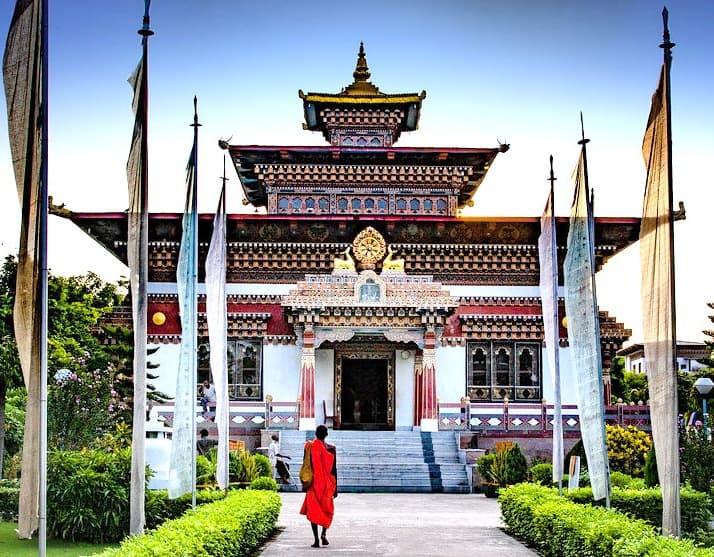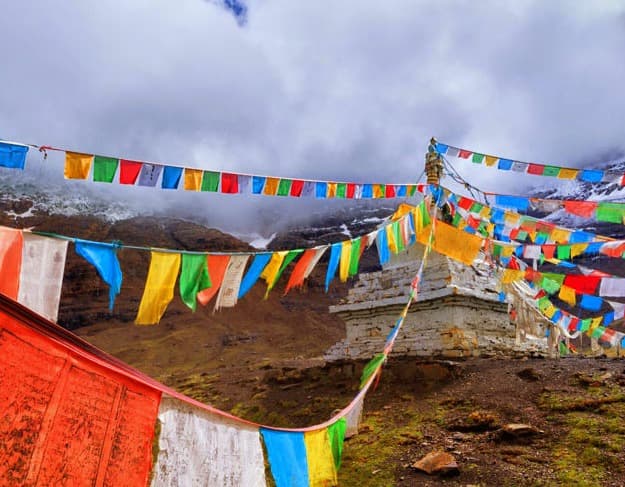
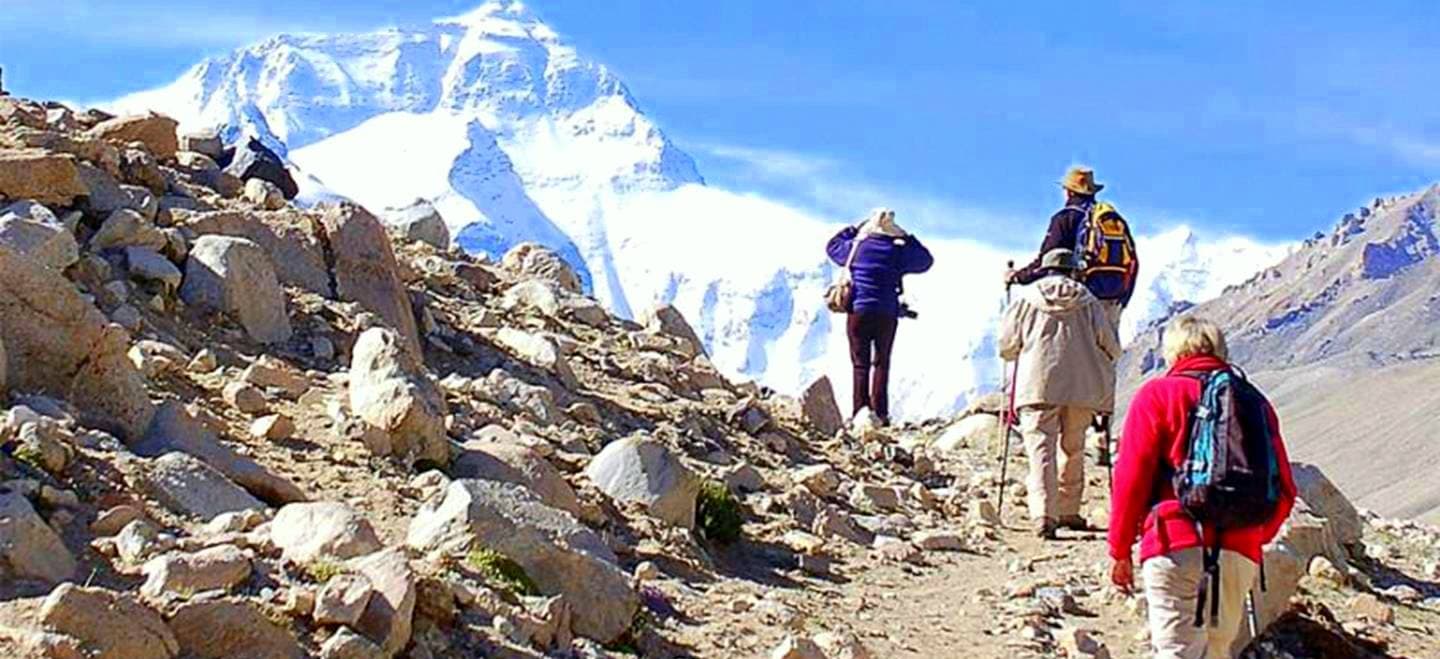
Tibet's most challenging treks, the Tibet Everest Base Camp trek, is a premier adventure for those seeking an extreme experience. Renowned as one of the hardest treks in Tibet, this journey takes you through high-altitude treks in Tibet, pushing your limits with rugged terrain and unpredictable weather. This extreme trekking in Tibet involves navigating steep ascents, rocky paths, and glacier crossings, making it a true test of endurance. With its demanding conditions, it's considered one of the most difficult treks in Tibet, offering unparalleled views and a unique cultural experience. For avid trekkers, the Trek to Everest Base Camp Tibet promises a challenging yet unforgettable adventure amidst the majestic Himalayas.
When it comes to tackling Tibet's most challenging treks, look no further than Druk Holidays. We are renowned for our expertise in organizing the Tibet Everest Base Camp trek, which stands as one of the hardest treks in Tibet. Our unparalleled experience ensures that you are well-prepared for this extreme trekking in Tibet adventure. From meticulous planning and high-quality gear to expert guidance and comprehensive support, we provide everything needed for a successful journey through high-altitude treks in Tibet. With our commitment to excellence, we make navigating the rugged terrain and harsh weather conditions of this challenging hike in Tibet both manageable and memorable. Trust Druk Holidays to guide you through the ultimate Trek to Everest Base Camp Tibet with confidence and ease.
Everest Base Camp Trek
The Everest Base Camp Trek is one of the most renowned and challenging trekking experiences in the world, attracting adventurers from across the globe. Here’s a comprehensive overview of what makes this trek exceptional:
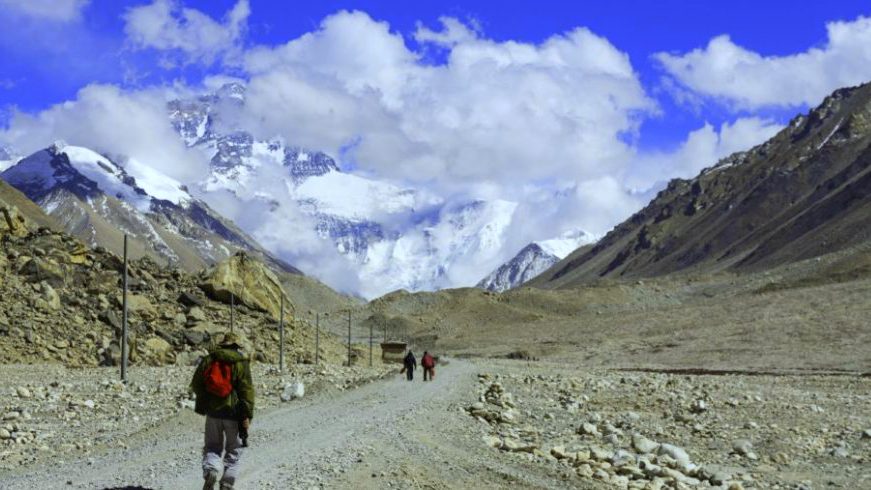
Majestic Views
- Iconic Scenery: The trek offers breathtaking views of Mount Everest, the highest peak in the world, along with other towering Himalayan giants such as Lhotse, Nuptse, and Ama Dablam.
- Scenic Landscapes: From lush valleys and terraced fields to rugged mountain landscapes and glacier vistas, the trek provides diverse and stunning scenery.
High-Altitude Challenge
- Altitude: Reaching an elevation of 5,364 meters (17,598 feet) at Everest Base Camp, the trek is a serious high-altitude adventure. The thin air and potential for altitude sickness require careful acclimatization and physical preparation.
- Trekking Difficulty: The trek involves long days of hiking over rugged terrain, including steep ascents and descents, which test endurance and stamina.
Cultural Immersion
- Sherpa Culture: The trek takes you through the heart of Sherpa country, allowing for a deep cultural experience. You’ll visit traditional Sherpa villages, ancient monasteries, and experience the unique customs and hospitality of the local people.
- Tengboche Monastery: A highlight of the trek is a visit to the Tengboche Monastery, a significant Buddhist site offering panoramic views of Everest and other peaks.
Remote and Rugged Terrain
- Challenging Paths: The trek covers a variety of terrains, from lush forests and terraced fields to rocky trails and glacier moraines. The rugged paths require careful navigation and physical resilience.
- Weather Conditions: The weather can be unpredictable, with cold temperatures, high winds, and occasional snowfall adding to the trek’s challenge.
Preparation and Acclimatization
- Physical Fitness: Due to its high altitude and demanding terrain, the trek requires good physical fitness. Regular cardiovascular and strength training is advisable.
- Acclimatization: Spending adequate time at intermediate altitudes helps prevent altitude sickness and allows your body to adjust to the thinning air.
Unforgettable Experience
- Sense of Achievement: Reaching Everest Base Camp is a significant achievement, offering a sense of accomplishment and a deep connection to the world’s highest peak.
- Inspiring Adventure: The trek is not just a physical challenge but an inspiring journey that combines natural beauty, cultural richness, and personal growth.
The Everest Base Camp Trek remains a bucket-list adventure for many, offering an unparalleled experience of high-altitude trekking and the chance to witness the grandeur of Mount Everest up close.
Mount Kailash Trek
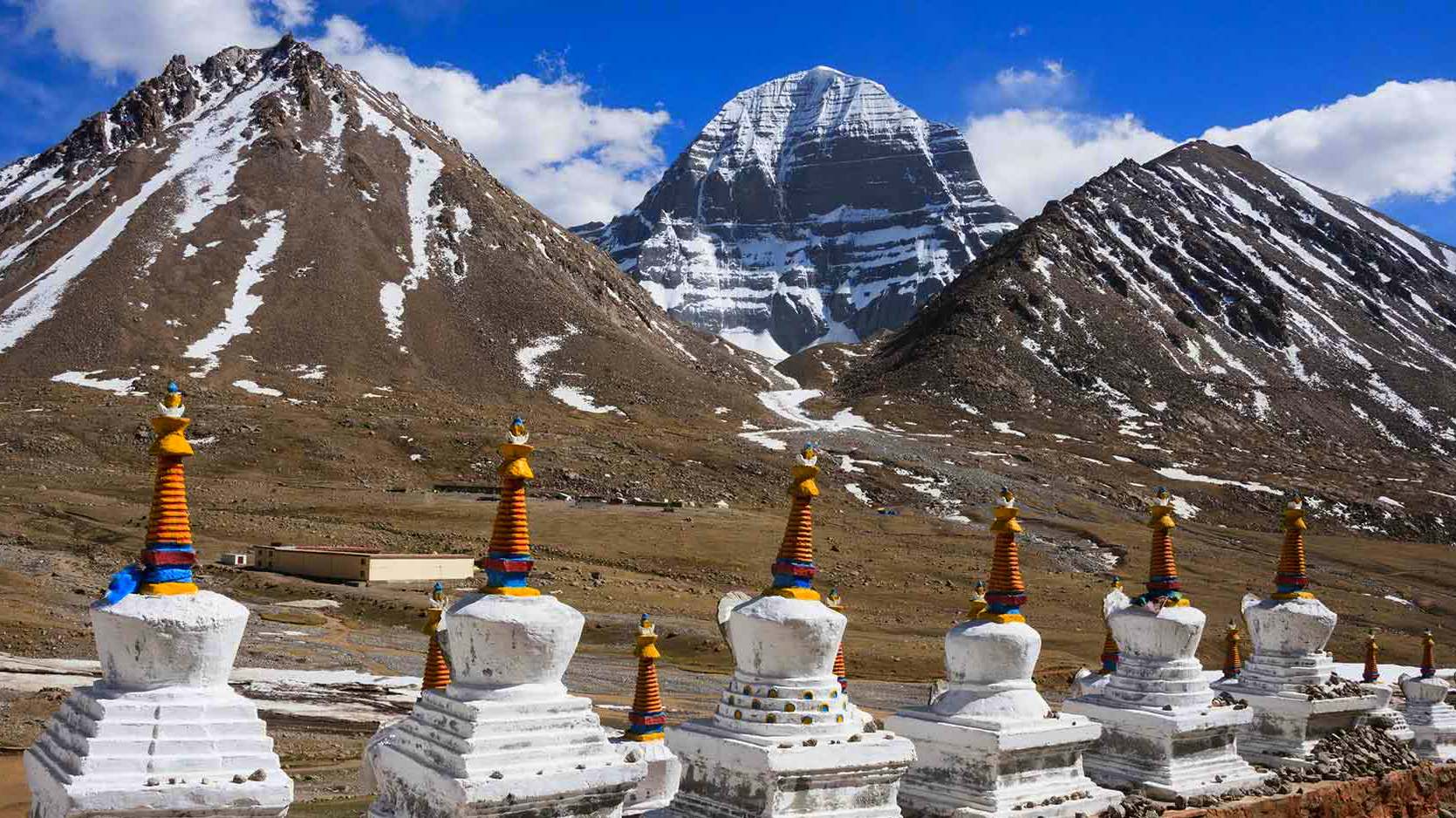
The Mount Kailash Trek is not only one of Tibet’s most challenging treks but also one of its most spiritually significant. Revered as a sacred site in several religions, this trek offers a profound journey through both rugged terrain and spiritual landscapes.
Spiritual Significance
- Sacred Mountain: Mount Kailash is considered the center of the universe in Hinduism, Buddhism, Jainism, and Bon. The trek around this holy peak is a deeply spiritual pilgrimage, drawing thousands of devotees and trekkers seeking both physical and spiritual enlightenment.
- Religious Importance: For Hindus, Mount Kailash is the abode of Lord Shiva, while Buddhists believe it to be the home of Demchok, the god of bliss. The trek is a form of worship, with many completing the circuit to accumulate merit and achieve spiritual purification.
Rugged Terrain and High Altitude
- Challenging Terrain: The trek involves navigating rough, rocky paths, high-altitude passes, and steep ascents. The landscape ranges from barren, windswept plateaus to rugged mountain trails, requiring both physical stamina and mental determination.
- Altitude: The trek reaches elevations of up to 5,600 meters (18,370 feet) at the Dolma La Pass, posing significant challenges related to altitude sickness. Proper acclimatization and preparation are crucial for a successful trek.
Cultural Experience
- Tibetan Culture: The trek provides an immersive experience of Tibetan culture, including traditional villages, ancient monasteries, and local customs. Interacting with Tibetan nomads and witnessing their way of life adds a rich cultural dimension to the trek.
- Monastic Sites: Key stops include sacred monasteries and pilgrimage sites along the route, offering insight into Tibetan Buddhism and the spiritual significance of the journey.
Natural Beauty
- Spectacular Landscapes: The trek features stunning natural scenery, from the majestic Mount Kailash to the serene Lake Mansarovar, which is considered a holy lake by many. The surrounding landscape includes high-altitude deserts, pristine lakes, and panoramic mountain views.
- Lake Mansarovar: Known for its pristine beauty and spiritual significance, Lake Mansarovar is a highlight of the trek. The lake is believed to purify those who bathe in its waters and is a central element of the pilgrimage.
Preparation and Acclimatization
- Physical Training: Due to its high-altitude and physically demanding nature, the trek requires good physical fitness. Cardiovascular training and strength conditioning are recommended.
- Acclimatization: Spending time at lower altitudes and gradually adjusting to higher elevations helps prevent altitude sickness. Proper acclimatization is essential for successfully completing the trek.
Unforgettable Experience
- Spiritual Fulfillment: Completing the trek around Mount Kailash is a deeply fulfilling experience, offering both physical challenge and spiritual reward. It is a journey of self-discovery and spiritual growth.
- Adventure and Reflection: The trek combines adventure with a unique opportunity for personal reflection, making it a transformative experience for many participants.
The Mount Kailash Trek stands out as a unique and profound journey, blending challenging trekking with spiritual exploration and cultural immersion. It is a trek that not only tests physical limits but also offers a deep connection to the sacred and the sublime.
Kham Region Trek
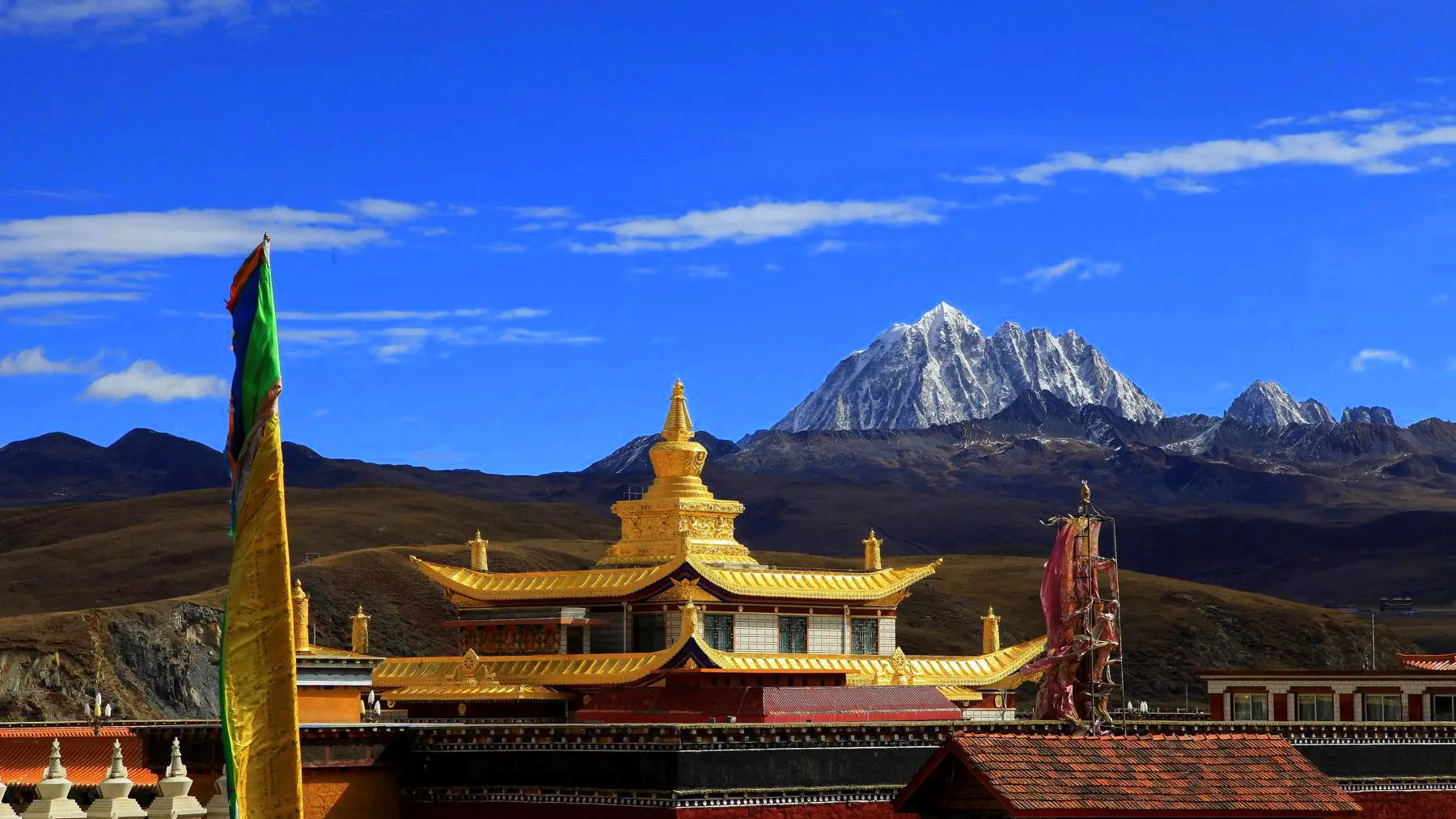
The Kham Region Trek offers a unique and exhilarating trekking experience in one of Tibet’s most remote and rugged areas. Known for its untamed landscapes and rich cultural heritage, this trek provides an exceptional adventure for those seeking to explore less-traveled paths.
Remote and Rugged Terrain
- Wild Landscapes: The Kham region is characterized by its diverse and dramatic landscapes, including high-altitude plateaus, deep valleys, and rocky ridges. The trek covers challenging terrains that require physical stamina and resilience.
- Diverse Trails: Trekkers encounter a variety of terrains, from alpine meadows and dense forests to barren highlands and glacier-strewn paths. The rugged trails demand careful navigation and preparation.
Cultural Immersion
- Traditional Tibetan Culture: The trek provides an immersive experience in traditional Tibetan culture. You’ll pass through remote villages where ancient customs and practices are preserved, offering a glimpse into the daily life and spirituality of the local people.
- Local Communities: Interaction with Tibetan nomads and villagers enriches the journey, providing insight into their unique lifestyle and traditions. The region's cultural richness is a key highlight of the trek.
High-Altitude Adventure
- Altitude Challenges: The trek involves significant elevation gains, with altitudes reaching up to 5,000 meters (16,400 feet) or more. Proper acclimatization is essential to handle the thin air and avoid altitude sickness.
- Physical Demands: The trek’s high-altitude and demanding terrain require excellent physical fitness and mental fortitude. Training and preparation are crucial for a successful journey.
Scenic Beauty
- Breathtaking Views: The Kham region boasts stunning natural beauty, from snow-capped peaks and expansive valleys to pristine lakes and cascading waterfalls. The trek offers panoramic views of some of Tibet’s most striking landscapes.
- Wildlife Sightings: The region is home to diverse wildlife, including species such as the Tibetan antelope and the snow leopard. Wildlife enthusiasts may have the chance to spot these rare animals during the trek.
Historical and Spiritual Sites
- Monasteries and Shrines: The trek includes visits to ancient monasteries and spiritual sites, offering insight into Tibetan Buddhism and the region’s spiritual significance. These sites are often set against dramatic backdrops, adding to their mystical allure.
- Historic Trails: Some sections of the trek follow ancient trade routes and pilgrimage paths, providing a connection to the historical and cultural heritage of the region.
Preparation and Logistics
- Training: Due to the trek’s demanding nature, trekkers should be in good physical condition. Cardiovascular and strength training are recommended to handle the rugged terrain and high altitude.
- Gear and Supplies: Proper gear is essential for navigating the diverse landscapes and weather conditions of the Kham region. Ensure you have appropriate clothing, footwear, and camping equipment.
Unique Experience
- Off-the-Beaten-Path: The Kham Region Trek is ideal for those seeking an adventure away from the more popular trekking routes. Its remote location and challenging terrain offer a sense of exploration and discovery.
- Personal Growth: The trek combines physical challenge with cultural and spiritual exploration, making it a transformative experience that leaves a lasting impression.
The Kham Region Trek stands out as a remarkable adventure, offering a blend of rugged terrain, cultural immersion, and scenic beauty. It is a journey for those looking to experience the untamed wilderness of Tibet and delve into its rich cultural and spiritual heritage.
Namtso Lake Trek
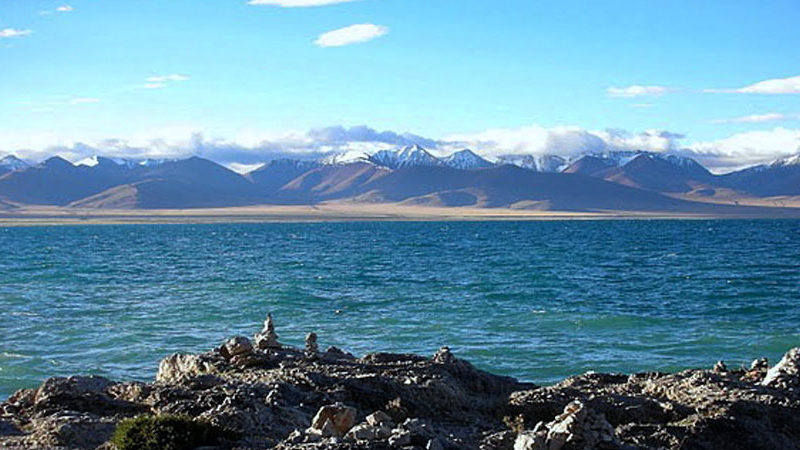
The Namtso Lake Trek is a stunning adventure that takes you to one of Tibet’s most picturesque and sacred lakes. Known for its serene beauty and high-altitude challenge, this trek offers an unforgettable journey through some of Tibet’s most breathtaking landscapes.
Spectacular Scenery
- Pristine Lake: Namtso Lake, one of Tibet’s largest and highest lakes, sits at an elevation of approximately 4,718 meters (15,476 feet). Its turquoise waters, framed by snow-capped peaks, create a stunning contrast against the barren landscapes.
- Majestic Views: The trek provides panoramic views of the lake, surrounding mountains, and the expansive Tibetan Plateau. The scenery changes with the seasons, offering different perspectives throughout the year.
High-Altitude Adventure
- Elevation Challenge: The trek reaches high altitudes, which can pose challenges related to altitude sickness. Proper acclimatization and preparation are essential for a successful journey.
- Physical Demands: The trek involves hiking over rugged terrain, including high-altitude passes and steep ascents. Physical fitness and stamina are crucial for handling the demanding conditions.
Remote and Rugged Terrain
- Diverse Landscapes: The trek covers a variety of terrains, from rocky paths and alpine meadows to desert-like high-altitude plateaus. The rugged terrain requires careful navigation and adaptability.
- Isolation: The remote location of Namtso Lake adds to the trek’s sense of adventure. The isolation offers a chance to experience the wilderness away from the more frequented trekking routes.
Cultural and Spiritual Significance
- Sacred Lake: Namtso Lake is considered a sacred site in Tibetan Buddhism. It is believed to be a place of spiritual significance and purity, adding a layer of cultural depth to the trek.
- Local Communities: Interacting with Tibetan nomads and visiting traditional villages along the trek provides insight into local customs and lifestyles. The cultural experience enhances the overall journey.
Wildlife and Natural Beauty
- Wildlife Sightings: The region around Namtso Lake is home to a variety of wildlife, including Tibetan antelope and migratory birds. Wildlife enthusiasts may spot these animals during the trek.
- Natural Wonders: The trek offers opportunities to explore natural features such as glaciers, rivers, and unique rock formations, enhancing the trek’s appeal.
Preparation and Planning
- Training: Due to the trek’s high altitude and physical demands, it is important to engage in cardiovascular and strength training before the journey.
- Gear: Proper gear is essential for handling the cold temperatures and rugged terrain. Ensure you have appropriate clothing, footwear, and camping equipment.
Unique Experience
- Off-the-Beaten-Path: The Namtso Lake Trek is less crowded compared to other treks in Tibet, offering a sense of solitude and discovery. It is ideal for those seeking a serene and remote adventure.
- Memorable Adventure: The combination of high-altitude trekking, stunning landscapes, and cultural experiences makes this trek a memorable and rewarding adventure.
The Namtso Lake Trek is a captivating journey that blends high-altitude challenges with breathtaking natural beauty and spiritual significance. It offers trekkers a chance to experience the serene majesty of one of Tibet’s most sacred lakes and explore the remote landscapes of the Tibetan Plateau.
Shishapangma Base Camp Trek
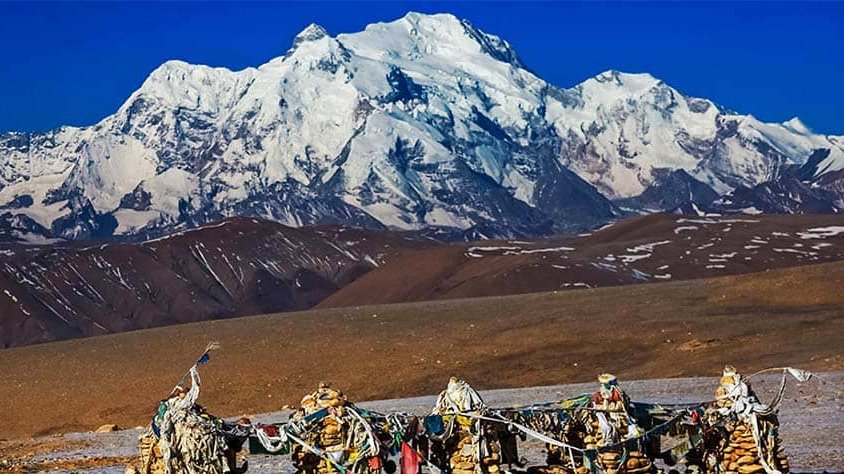
The Shishapangma Base Camp Trek is a remarkable journey that offers an exclusive trekking experience to one of Tibet’s most remote and less-visited peaks. As the world’s 14th highest mountain, Shishapangma presents a challenging and rewarding adventure for those seeking to explore the unspoiled wilderness of the Himalayas.
Remote and Untouched Landscapes
- Secluded Location: Shishapangma, located in the Langtang region of Tibet, is known for its remote and relatively untouched environment. The trek to its base camp provides an opportunity to explore less-traveled paths and enjoy pristine natural beauty.
- Dramatic Terrain: The trek covers rugged terrain, including glacial valleys, rocky outcrops, and high-altitude meadows. The challenging landscape requires careful navigation and physical endurance.
High-Altitude Challenge
- Elevation: The trek reaches elevations of up to 5,200 meters (17,060 feet) at the base camp of Shishapangma. The high altitude poses significant challenges, including the risk of altitude sickness. Proper acclimatization and preparation are essential.
- Physical Demands: The trek involves long days of hiking with steep ascents and descents. It demands physical fitness and mental resilience to handle the strenuous conditions.
Scenic Beauty
- Spectacular Views: The trek offers stunning views of Shishapangma’s towering peaks, along with the surrounding Himalayan ranges. The base camp provides a close-up view of the mountain’s impressive south face.
- Breathtaking Vistas: The journey includes breathtaking vistas of glaciers, snow-capped summits, and expansive valleys, making it a visually rewarding adventure.
Cultural Experience
- Local Interaction: The trek passes through traditional Tibetan villages and offers opportunities to interact with local communities. This interaction provides insight into Tibetan culture and lifestyle.
- Cultural Sites: Along the route, trekkers can visit ancient monasteries and spiritual sites, adding a cultural and spiritual dimension to the adventure.
Wildlife and Nature
- Wildlife Sightings: The region around Shishapangma is home to a variety of wildlife, including Himalayan blue sheep and snow leopards. Wildlife enthusiasts may have the chance to spot these elusive animals.
- Natural Features: The trek includes visits to glacial lakes and moraines, showcasing the diverse and striking natural features of the region.
Preparation and Planning
- Training: Due to the trek’s high altitude and physical demands, it is crucial to be in good physical condition. Cardiovascular and strength training are recommended to prepare for the trek.
- Gear: Proper gear is essential for dealing with cold temperatures, high altitudes, and rugged terrain. Ensure you have appropriate clothing, footwear, and camping equipment.
Unique Experience
- Off-the-Beaten-Path: The Shishapangma Base Camp Trek offers a sense of exploration and solitude, as it is less frequented compared to other high-altitude treks. This seclusion adds to the trek’s allure.
- Exclusive Adventure: The trek provides a rare opportunity to experience one of the world’s highest peaks up close, making it a unique and memorable adventure.
The Shishapangma Base Camp Trek stands out as a secluded and challenging journey through the heart of the Himalayas. It offers trekkers an opportunity to explore unspoiled landscapes, experience Tibetan culture, and witness the majestic beauty of Shishapangma, all while navigating the demands of high-altitude trekking.
Essential Tips for Tibet's Most Challenging Treks
Embarking on Tibet’s most challenging trek requires thorough preparation and careful planning to ensure a safe and rewarding adventure. Here are essential tips to help you tackle the trek with confidence:
Prepare Physically and Mentally
- Physical Fitness: Engage in a rigorous training regimen to build cardiovascular endurance, strength, and stamina. Focus on hiking, climbing, and aerobic exercises to prepare for the trek's demanding conditions.
- Mental Preparation: Develop mental resilience and positive thinking to handle the trek's physical and psychological challenges. Mental strength is crucial for coping with high-altitude conditions and demanding terrain.
Acclimatize Properly
- Gradual Ascent: Allow time for gradual acclimatization by ascending slowly and spending extra days at intermediate elevations. This helps your body adjust to the thinning air and reduces the risk of altitude sickness.
- Hydration and Rest: Stay well-hydrated and ensure adequate rest to support acclimatization. Drink plenty of water and avoid overexertion to maintain your body's ability to cope with high altitudes.
Equip Yourself with the Right Gear
- High-Altitude Gear: Invest in high-quality, high-altitude gear, including a durable sleeping bag, insulated clothing, and trekking poles. Proper gear helps manage the cold temperatures and rugged conditions.
- Footwear: Choose sturdy, well-fitting hiking boots with good ankle support and traction. Proper footwear is essential for navigating uneven and challenging terrain.
Be Prepared for Weather Conditions
- Layering: Dress in layers to accommodate varying weather conditions. Layering allows you to adjust your clothing based on temperature changes and weather fluctuations.
- Weather Gear: Pack waterproof and windproof outer layers to protect against rain, snow, and strong winds. Prepare for cold temperatures, especially at high altitudes.
Understand the Trek's Challenges
- Terrain: Familiarize yourself with the trek’s terrain, including steep ascents, rocky paths, and high-altitude passes. Knowledge of the terrain helps you mentally prepare and navigate effectively.
- Altitude Sickness: Be aware of the symptoms of altitude sickness, such as headaches, dizziness, and nausea. Know how to manage and treat altitude-related issues and seek medical attention if necessary.
Pack Wisely
- Essential Items: Pack essential items including a first-aid kit, personal medications, high-energy snacks, and a water purification system. Having these items readily available ensures you’re prepared for emergencies.
- Lightweight Gear: Use lightweight and compact gear to minimize your pack weight. Efficient packing helps ease the physical strain of carrying a heavy load.
Respect Local Culture and Environment
- Cultural Sensitivity: Show respect for local customs and traditions. Interact with local communities in a respectful manner and follow their cultural practices.
- Environmental Conservation: Follow Leave No Trace principles to minimize your environmental impact. Dispose of waste properly and avoid disturbing wildlife and natural habitats.
Travel with a Guide
- Experienced Guide: Consider trekking with an experienced guide who is familiar with the region and its challenges. A knowledgeable guide can provide valuable insights, ensure safety, and enhance your overall experience.
- Safety Measures: Ensure your guide is trained in first aid and emergency procedures. Safety should be a top priority throughout the trek.
Obtain Necessary Permits and Documentation
- Permits: Ensure you have all required permits and documentation for trekking in Tibet. Check with local authorities or your tour operator to understand the necessary paperwork.
- Travel Insurance: Obtain comprehensive travel insurance that covers high-altitude trekking and potential emergencies. Insurance provides peace of mind and financial protection.
Enjoy the Journey
- Embrace the Adventure: Focus on the experience and enjoy the breathtaking landscapes, cultural interactions, and personal achievements. Embrace the challenges and rewards of the trek for a truly memorable adventure.
By following these essential tips, you can better prepare for Tibet’s most challenging trek and enhance your overall trekking experience. Safety, preparation, and respect for the environment and local culture are key to a successful and enjoyable adventure in the rugged landscapes of Tibet.
Best Time for Tibet's Most Challenging Treks
Choosing the optimal time to undertake Tibet's most challenging treks is crucial for ensuring a safe and enjoyable experience. The best time to trek largely depends on weather conditions, altitude, and accessibility. Here’s a guide to help you determine the ideal time for your adventure:
Spring (April to May)
- Weather: Spring in Tibet offers relatively mild temperatures and clear skies, making it a good time for trekking. Snow is melting, which can reveal trails that might be covered in winter.
- Conditions: The weather is generally stable, with less likelihood of extreme cold or heavy snowfall. However, early spring can still be chilly, especially at higher altitudes.
Summer (June to August)
- Weather: Summer is the warmest period in Tibet, with temperatures ranging from cool to mild. This season is characterized by longer days and generally stable weather conditions.
- Conditions: The risk of rain is higher in the summer, particularly in the early monsoon months of June and July. However, the rainfall is usually limited to certain areas, and many trails remain accessible.
Autumn (September to October)
- Weather: Autumn is one of the best times for trekking in Tibet. The weather is cool and clear, with minimal rainfall and stunning visibility. The autumn months offer crisp air and excellent trekking conditions.
- Conditions: The landscapes are particularly beautiful, with clear skies and vibrant autumn colors. This is also a period when trails are less crowded, providing a more serene experience.
Winter (November to March)
- Weather: Winter in Tibet can be extremely cold, with temperatures dropping significantly, especially at high altitudes. Snowfall is common, which can make some trails difficult or impassable.
- Conditions: Winter treks require careful planning due to the severe cold and potential for heavy snow. While the landscape is beautiful and serene, the extreme conditions demand thorough preparation and suitable gear.
Spring (April to May) and autumn (September to October) are generally considered the best times for tackling Tibet’s most challenging treks, offering favorable weather and trekking conditions. Summer (June to August) can also be suitable, although it may come with an increased risk of rain. Winter (November to March) presents harsh conditions that require significant preparation. Choosing the right time will enhance your trekking experience and ensure a safer adventure in Tibet's challenging terrain.
Tackling Tibet's most challenging trek is an extraordinary adventure that combines high-altitude challenges with stunning natural beauty and rich cultural experiences. Whether navigating the rugged terrain of the Everest Base Camp Trek, enduring the remote landscapes of the Shishapangma Base Camp Trek, or embracing the spiritual solitude of the Namtso Lake Trek, each journey offers its own set of rewards and demands. Proper preparation, understanding of the optimal trekking season, and respect for local customs are essential for a successful and memorable experience. By planning carefully and embracing the unique challenges of Tibet, trekkers can explore some of the most awe-inspiring landscapes on earth and achieve a sense of accomplishment that few others will ever experience.
FAQs of Tibet's Most Challenging Treks
Q: What makes Tibet's treks particularly challenging?
A: Tibet's treks are challenging due to high altitudes, extreme weather conditions, and rugged terrain. The high elevations can lead to altitude sickness, while the cold temperatures and unpredictable weather add to the physical demands of trekking. Rugged paths and steep ascents further contribute to the difficulty.
Q: What is the best time to undertake Tibet's most challenging trek?
A: The best times are spring (April to May) and autumn (September to October). These seasons offer stable weather, clear skies, and relatively mild temperatures, making the trekking conditions more manageable. Summer (June to August) can also be suitable but may involve higher rainfall. Winter (November to March) presents severe cold and challenging conditions, making it less ideal for trekking.
Q: How should I prepare for a high-altitude trek in Tibet?
A: Preparation involves physical training, acclimatization, and proper gear. Engage in cardiovascular and strength training to build stamina and endurance. Acclimatize by gradually ascending and spending extra days at intermediate altitudes. Equip yourself with high-quality gear, including insulated clothing and sturdy footwear, to handle cold temperatures and rugged terrain.
Q: What should I pack for Tibet's most challenging trek?
A: Pack essentials such as a durable sleeping bag, insulated clothing, trekking poles, and high-altitude gear. Include a first-aid kit, personal medications, high-energy snacks, and a water purification system. Lightweight and compact gear helps manage the physical strain of carrying a heavy load.
Q: How can I minimize the risk of altitude sickness?
A: To minimize the risk of altitude sickness, ascend gradually and allow extra days for acclimatization. Stay well-hydrated, avoid overexertion, and pay attention to any symptoms of altitude sickness. If symptoms persist, seek medical attention promptly.
Q: Are permits required for trekking in Tibet?
A: Yes, trekking in Tibet typically requires permits. Ensure you have all necessary permits and documentation before starting your trek. Check with local authorities or your tour operator to understand the specific requirements for your chosen trek.
Q: Is it necessary to hire a guide for trekking in Tibet?
A: While it is not mandatory, hiring an experienced guide is highly recommended. A knowledgeable guide can provide valuable insights, ensure safety, and enhance your trekking experience. Guides are familiar with local conditions, regulations, and can assist with navigation and cultural interactions.
Q: What are the potential hazards during a trek in Tibet?
A: Potential hazards include altitude sickness, extreme weather conditions, and rugged terrain. Altitude sickness can occur due to high elevations, while extreme cold and unpredictable weather can pose risks. Rugged terrain may involve steep ascents and challenging paths.
Q: How can I ensure safety during my trek?
A: To ensure safety, prepare thoroughly by training physically, acclimatizing properly, and equipping yourself with the right gear. Follow safety guidelines, stay hydrated, and listen to your body. Travel with a guide, if possible, and be aware of the symptoms of altitude sickness.
Q: What cultural considerations should I keep in mind?
A: Show respect for local customs and traditions. Interact with local communities respectfully and follow their cultural practices. Be mindful of environmental conservation by adhering to Leave No Trace principles and minimizing your impact on the natural surroundings.