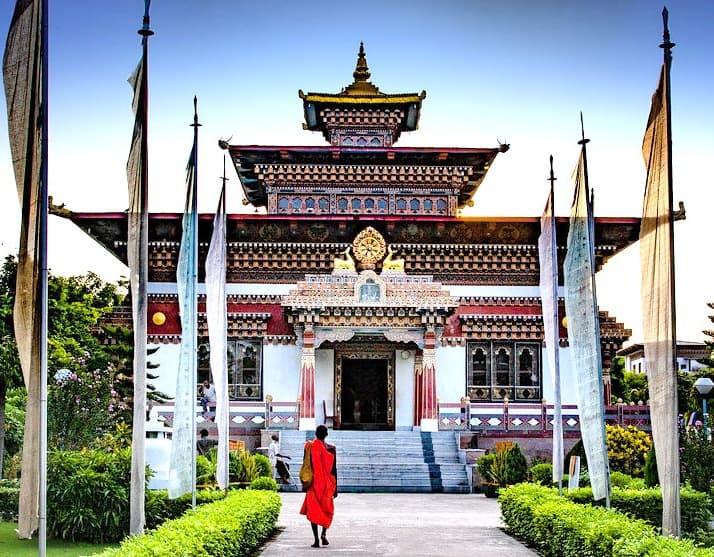
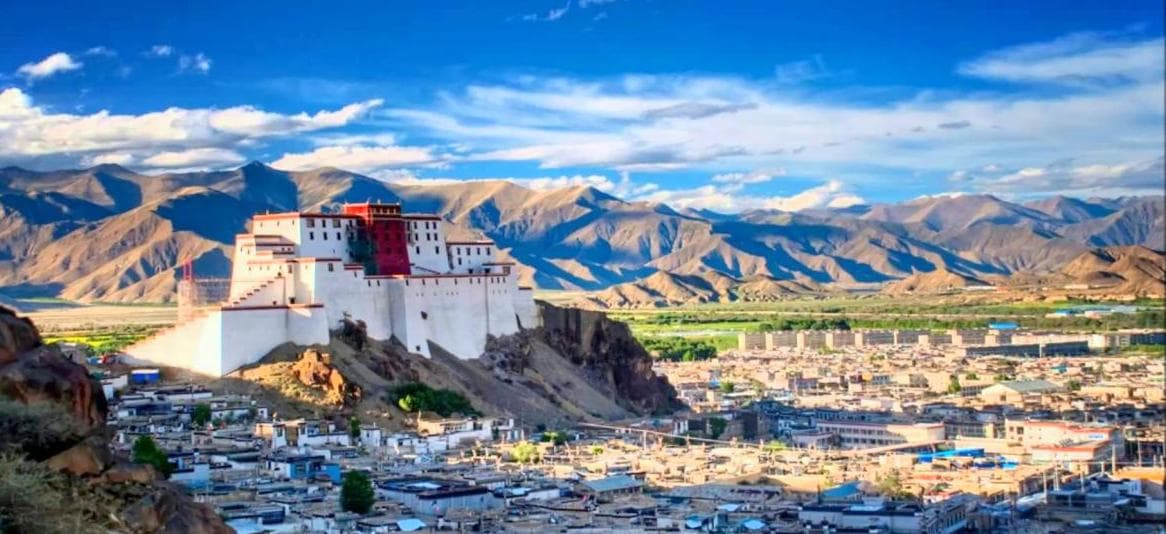
Autumn is considered the best time to visit Tibet, offering travelers an opportunity to experience the region when it's at its most vibrant. The Tibet autumn weather is characterized by clear, crisp skies and comfortable temperatures, ideal for exploring the vast landscapes and cultural sites. This season provides the perfect backdrop for capturing stunning photographs, making Tibet photography tips invaluable. Visitors should be well-prepared, from obtaining the necessary Tibet travel permits to packing for a Tibet trip appropriately with layers and sun protection. Acclimatizing in Tibet is crucial due to the high altitudes, and being aware of Tibet altitude sickness can make your journey safer and more enjoyable. Engaging in local customs and participating in Tibetan festivals autumn offers a deeper understanding of the rich Tibetan culture. Whether you are trekking through the breathtaking landscapes or exploring Tibet tourist attractions, autumn travel provides a unique and memorable experience, enhanced by a respectful approach to the region’s traditions and natural beauty.
At Druk Holidays, we pride ourselves on being the premier choice for unforgettable journeys to Tibet, especially during the enchanting autumn season. Our deep expertise and thoughtful approach to travel ensure that our guests experience the best of Tibet when the landscapes are most vibrant and the skies are crystal clear. With Druk Holidays, you’ll receive comprehensive guidance on everything from acclimatizing in Tibet to navigating the necessary Tibet travel permits. Our travel experts equip you with essential Tibet travel tips, from what to pack to how to engage respectfully with the rich Tibetan culture. Join us for an autumn adventure and see why Druk Holidays is renowned for crafting bespoke experiences that showcase the breathtaking beauty and profound cultural heritage of Tibet during this ideal travel season.
Optimal Travel Time
Autumn is widely regarded as the optimal time for visiting Tibet. This season strikes a perfect balance with its mild weather and the scenic beauty of the landscape transitioning into vibrant hues. Here are eight highlight points that underscore why autumn stands out as the best time to journey through this spectacular region:
- Clear Weather: Autumn is characterized by less rain and clearer skies, offering unobstructed views of the Himalayas.
- Comfortable Temperatures: The weather during these months is comfortably cool, ideal for trekking and outdoor activities.
- Cultural Festivals: This season coincides with several Tibetan cultural festivals, providing travelers with a unique opportunity to experience local traditions and festivities.
- Photographic Opportunities: The excellent lighting conditions and the clear air make autumn ideal for photography, capturing the vivid landscapes and cultural moments.
- Fewer Tourists: Traveling in autumn means fewer crowds compared to the peak summer months, allowing for a more relaxed and personal experience.
- Wildlife Sightings: The natural cycle of the region’s wildlife is particularly active during this time, offering enthusiasts a chance to witness native species in their natural habitats.
- Accessible Travel Routes: Most roads and passes remain open and in good condition, ensuring smooth travel to even the more remote areas of Tibet.
- Festive Atmosphere: The harvest season brings a festive atmosphere to the towns and villages, adding an extra layer of charm to the travel experience.
Choosing to visit Tibet in autumn not only ensures a more comfortable and visually stunning experience but also enriches your journey with cultural depth and easier travel conditions. This season truly captures the essence of what makes Tibet a remarkable destination.
Pleasant Weather
Autumn in Tibet is renowned for its pleasant weather, which makes it an ideal time for travelers seeking to explore the breathtaking landscapes and rich cultural heritage of the region. Here are several reasons why the weather during this season enhances the travel experience:
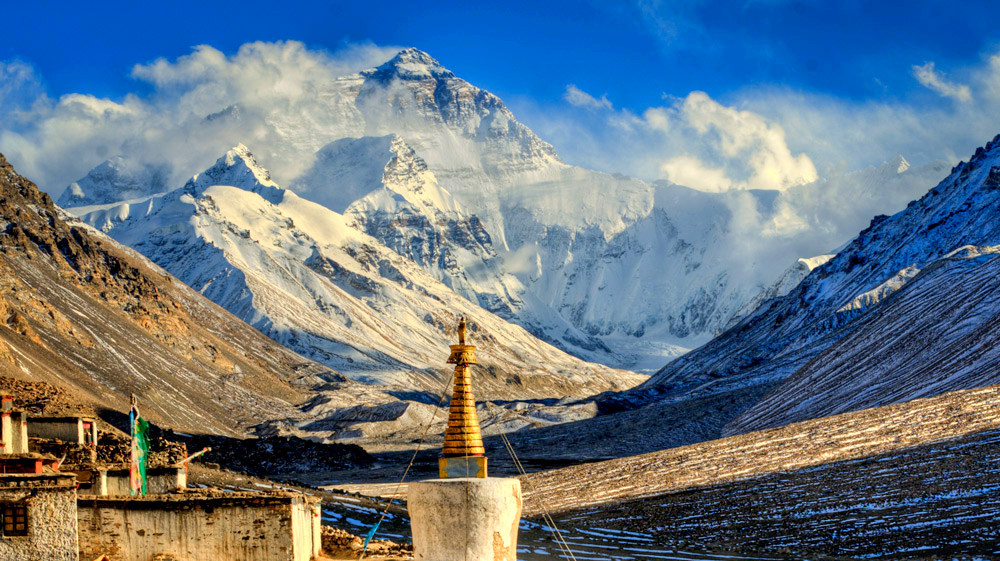
- Mild Temperatures: During autumn, Tibet experiences a transition from the cold of winter and the heat of summer to more moderate temperatures. Daytime weather is typically mild and sunny, which is perfect for outdoor activities such as trekking and sightseeing.
- Stable Climate: This season is marked by minimal rainfall and stable weather patterns, reducing the likelihood of travel disruptions caused by sudden weather changes.
- Clear Skies: The clear, dry air of autumn provides excellent visibility, offering spectacular panoramic views of the Himalayas and the vast Tibetan Plateau.
- Ideal for Photography: The combination of golden sunlight and the crisp air results in some of the best lighting conditions for photography, capturing the vivid colors of the autumn landscape.
- Comfortable Nights: Although nights can get chilly, they are generally comfortable for sleeping, especially with appropriate sleeping gear during trekking expeditions.
- Less Wind: Compared to spring, the autumn months are less windy, which is especially important in high-altitude areas where strong winds can be a significant challenge.
- Perfect for Cultural Exploration: The pleasant weather also makes it easier to explore Tibet's numerous monasteries, markets, and historical sites without the discomfort of extreme temperatures or heavy rainfall.
The pleasant weather of autumn significantly enhances the travel experience in Tibet, providing comfort and incredible scenic views that are hard to match during other seasons. This makes it a highly recommended time for those planning a trip to this unique and spiritually rich part of the world.
Acclimatization
Acclimatizing properly to Tibet's high altitude is crucial for any visitor. Tibet, often referred to as the "Roof of the World," has an average elevation exceeding 4,000 meters, which can pose serious health risks due to the thinner atmosphere and lower oxygen levels. Here’s why and how you should focus on acclimatization during your visit:
- Gradual Ascent: It’s advisable to ascend slowly to higher altitudes to give your body time to adapt to decreased oxygen levels. If flying into Lhasa directly, consider a slower itinerary that allows for gradual adaptation.
- Hydration: Staying hydrated is key to reducing the likelihood of altitude sickness. Drinking plenty of water helps your body adjust to the altitude changes more effectively.
- Avoid Alcohol and Smoking: Alcohol and tobacco can exacerbate the symptoms of altitude sickness. It’s best to avoid them for a few days as you acclimatize.
- Monitor Health Closely: Be vigilant about any signs of altitude sickness, which can include headaches, nausea, dizziness, and fatigue. Recognizing symptoms early can help prevent complications.
- Medication: Medications like Acetazolamide can help prevent and treat altitude sickness. It’s recommended to consult with a doctor before taking any medication.
- Rest: Upon arrival, taking it easy the first few days can significantly aid in acclimatization. Avoid strenuous activities until you feel more adjusted.
- Nutritious Diet: Eating light but nutritious meals can also help your body adjust. Foods rich in carbohydrates are particularly good as they’re easier to digest.
- Acclimatization Aids: Using supplemental oxygen can help, especially in hotel rooms at night, to ease the transition to high altitudes.
Focusing on proper acclimatization strategies not only enhances your ability to enjoy the stunning environments and cultural richness of Tibet but also ensures a safer and more comfortable travel experience.
Travel Permits
Securing the necessary travel permits is an essential step when planning a trip to Tibet. Due to the region's unique geopolitical and cultural sensitivities, foreign travelers must obtain several types of permits to access various parts of Tibet. Here’s what you need to know about navigating the permit process:
- Tibet Travel Permit (TTP): This is the primary permit required for all foreign visitors to enter Tibet. It is issued by the Tibet Tourism Bureau and is necessary for boarding flights or trains to Tibet. The TTP allows you to travel in major cities like Lhasa, Shigatse, and their surrounding areas.
- Alien's Travel Permit (ATP): Once in Tibet, if you wish to visit restricted areas outside of Lhasa, such as Mt. Everest Base Camp or the region of Ngari, you need an ATP. This permit is usually arranged by your tour guide once you are in Tibet.
- Military Area Permit: For those planning to visit military-sensitive areas, such as Ngari (which includes Mt. Kailash and Lake Manasarovar), a Military Area Permit is required. This permit is also arranged through travel agencies and is essential for travel to these regions.
- Process and Timing: It’s crucial to plan well in advance for these permits. The application for a Tibet Travel Permit should be made at least 15 to 20 days before your intended travel date. The permits are typically processed through a registered Tibetan travel agency, as individual applications are not accepted.
- Required Documents: To apply for these permits, you will need to provide copies of your passport, a Chinese visa, and detailed travel itinerary. Some areas may require additional documentation or special approvals.
- Travel With a Tour: Independent travel in Tibet is not permitted for foreigners. You must be part of an organized tour with a registered travel agency that will handle all permit applications and ensure compliance with local regulations.
- Permit Inspections: Be prepared for permit inspections at airport check-ins, train stations, and various checkpoints while traveling in Tibet. Always have your permits accessible along with your identification.
Understanding and adhering to the permit requirements not only ensures legal entry and travel within Tibet but also helps protect the delicate cultural and environmental balance of this high-altitude region. Working with reputable travel agencies, like those organizing tours specifically for foreign travelers, can streamline this process, allowing you to focus more on the experience of your remarkable journey to Tibet.
Packing Essentials
When packing for a trip to Tibet, especially during the autumn season, it's crucial to prepare for a range of conditions and activities. The unique climate and high altitude pose specific challenges, but with the right gear, you can ensure a comfortable and enjoyable experience. Here’s a checklist of essential items to include in your packing list:
- Layered Clothing: Temperatures in Tibet can vary dramatically between day and night. Pack layers that you can easily add or remove. Include thermal underwear, fleece jackets, and a warm, insulated outer layer.
- Sturdy Footwear: A good pair of waterproof hiking boots is essential for those planning to trek. Even for general sightseeing, sturdy, comfortable footwear will help manage the rugged terrain.
- Sun Protection: The sun can be incredibly intense at high altitudes. Bring a high SPF sunscreen, lip balm with SPF, sunglasses with UV protection, and a wide-brimmed hat.
- Accessories for Warmth: Don’t forget a hat, gloves, and scarf, especially for chilly mornings and evenings. These small items can make a significant difference in your comfort levels.
- Rain Gear: While autumn is generally drier, occasional showers can occur. A lightweight, waterproof jacket or a poncho can be invaluable.
- Personal Medications and First Aid Kit: Include any personal medications and a basic first aid kit. High-altitude medication, anti-nausea tablets, and remedies for common ailments like colds and headaches should also be considered.
- Hydration Solutions: Carrying a reusable water bottle is important as staying hydrated is key to avoiding altitude sickness. Consider a water purification method like tablets or a portable filter.
- Daypack: For day trips and excursions, a comfortable, durable daypack is essential to carry your essentials, including water, snacks, camera, and extra clothing.
- Cultural Respect: Packing clothes that are modest and respectful of the local culture is important, especially when visiting monasteries and religious sites. Long pants and long-sleeved shirts are advisable.
- Travel Documents: Ensure you have all necessary travel documents, including passport, visa, travel insurance information, and all required Tibet travel permits.
By packing thoughtfully, you can be well-prepared to face the various conditions Tibet has to offer, making your travel experience as smooth and rewarding as possible.
Cultural Festivities
Autumn in Tibet is not just a season of spectacular landscapes but also a vibrant time for cultural festivities. Engaging in local celebrations offers travelers a deeper insight into the rich traditions and communal spirit of Tibetan culture. Here’s a look at some of the key festivals you might encounter during an autumn visit:
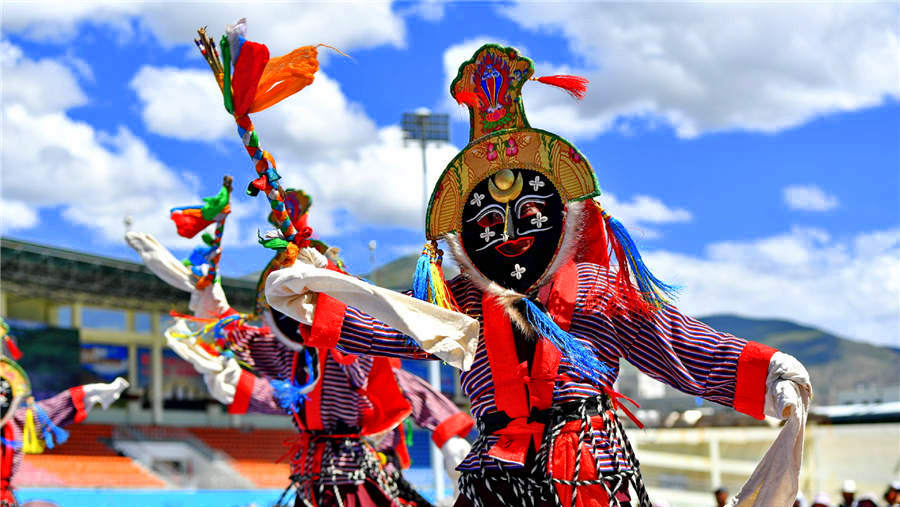
- Ongkor Festival (Harvest Festival): This festival is celebrated in rural areas of Tibet, particularly by farming communities, to mark the end of the harvest season. It typically occurs in August or September, depending on the lunar calendar. Festivities include horse racing, archery, and traditional dancing, all giving thanks for the harvest.
- Buddha’s Descent Day: Celebrated in late October or early November, this important festival commemorates the anniversary of Buddha’s descent from heaven back to earth. It is a day of significant religious activities, with many Tibetans visiting temples to offer prayers and receive blessings.
- Palden Lhamo Festival: This festival honors Palden Lhamo, the protector deity of Tibet, and is observed with great reverence, particularly in Lhasa. It occurs in the Tibetan lunar month of the Pig and features ceremonies and rituals in monasteries, highlighting the deep spiritual connection of the Tibetan people.
- Tibetan Opera Festival: Also known as Lhamo in Tibetan, this cultural festival features traditional operas performed by troupes that come from different regions. These performances, full of music, drama, and colorful costumes, depict various moral stories and historical narratives.
- Shoton Festival: Though primarily celebrated in summer, the Shoton Festival can extend into early September. It begins with the dramatic unfurling of a giant thangka of the Buddha at Drepung Monastery and continues with days of opera performances and picnicking at Norbulingka, the Dalai Lama's former summer palace.
- Karma Dunba (Bathing Festival): Occurring in the seventh Tibetan month, which often falls in September, this festival sees Tibetans flock to rivers and lakes to bathe en masse. It is believed that the water is most purifying during this time, leading to health and longevity.
Participating in these festivals not only enriches your travel experience but also offers a rare glimpse into the heart of Tibetan community life and its spiritual undertones. Each festival is a celebration of both the earthly and the divine, deeply rooted in Tibetan history and beliefs.
Local Customs
Respecting local customs is a fundamental aspect of traveling responsibly in Tibet. Tibetan culture is deeply spiritual and rich in traditions that have been preserved over centuries. Here are key customs and cultural etiquette tips to help you navigate your journey respectfully and enrich your experience:
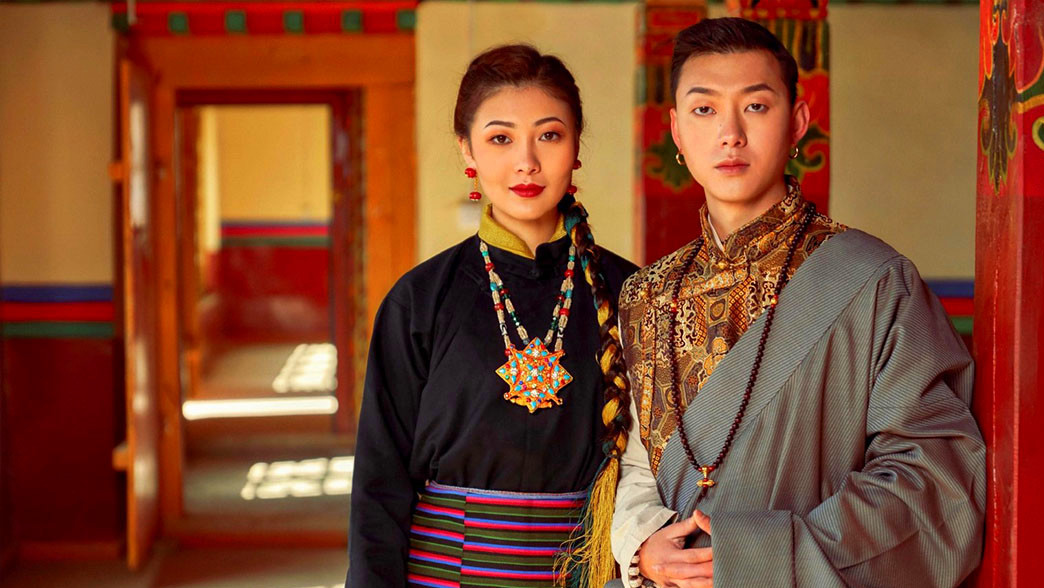
- Religious Respect: Always show respect at religious sites. This means speaking softly, dressing modestly (covering shoulders and knees), and removing your hat inside monasteries and temples. It’s also important to walk clockwise around religious sites and prayer wheels, following the traditional direction of prayer.
- Photography Etiquette: Always ask for permission before taking photos of people, especially monks at religious sites. Some areas may have photography restrictions, and it’s crucial to adhere to these rules.
- Greeting Customs: Tibetans traditionally greet one another by sticking out their tongue slightly. This custom dates back to ancient times and is a sign of respect. The usual greeting phrase is "Tashi Delek," which wishes good luck and happiness.
- Handling of Religious Objects: Handle all religious objects with care and respect. For instance, texts and artifacts should never be placed directly on the ground or stepped over.
- Gift Giving and Receiving: When giving or receiving a gift, use both hands as a sign of respect. It’s polite to show slight hesitation in accepting a gift to reflect humility.
- Dining Etiquette: If invited to a Tibetan home, it is customary to be offered tea or food. It is polite to accept, even if you only consume a small amount. Refusing immediately may be considered rude.
- Conservation of Resources: Be mindful of local resources, especially water, which can be scarce in many parts of Tibet. Avoid long showers and be cautious about littering, always trying to minimize your environmental impact.
- Personal Space and Public Behavior: Tibetans value personal space and are generally not very physically expressive in public. It’s best to avoid public displays of affection and loud conversations, especially in sacred or quiet places.
- Spiritual Offerings: You will often see locals making offerings at temples and shrines. While you can participate, make sure to follow the local method, such as placing incense in burners or leaving donations at designated spots.
By adhering to these customs, you not only ensure a more authentic and respectful interaction with Tibetan culture but also contribute positively to the preservation of their traditions and the local environment. This approach fosters a deeper connection between visitors and hosts and enhances the overall travel experience in Tibet.
Health Tips
When traveling to Tibet, particularly during the autumn season, it's essential to prioritize your health due to the region's unique environmental conditions and high altitude. Here are some health tips to ensure a safe and enjoyable trip:
- Acclimatize Properly: Take your time to acclimatize to the high altitude of Tibet. This usually means spending a few days at a moderately high altitude and engaging in minimal physical activity to allow your body to adjust. Symptoms of altitude sickness can include headaches, nausea, and difficulty breathing.
- Stay Hydrated: The air in Tibet is very dry, and dehydration can exacerbate altitude sickness. Drink plenty of water throughout your journey, and consider hydrating solutions like electrolyte powders or tablets to maintain fluid balance.
- Eat Wisely: Opt for cooked foods and avoid raw vegetables and unpeeled fruits unless you are sure they have been washed in safe water. Tibetan cuisine can be heavy on red meat and dairy products, so if you have dietary restrictions or a sensitive stomach, ensure you communicate this clearly or bring along suitable snacks.
- Sun Protection: With Tibet's high altitude, the sun's rays can be particularly strong. Use a broad-spectrum sunscreen with a high SPF, wear a hat, and use sunglasses with UV protection to guard against sunburn and UV exposure.
- Dress Appropriately: Even though the days can be warm, temperatures can drop significantly at night. Dress in layers that you can add or remove as needed, and ensure you have warm clothing for the cooler evenings.
- Avoid Overexertion: Especially during the first few days while your body is still adjusting to the altitude, avoid strenuous activities. Light to moderate walking is beneficial, but listen to your body and rest as needed.
- Carry a Basic First Aid Kit: Include items such as band-aids, antiseptic wipes, anti-inflammatory drugs, altitude sickness medication (as prescribed by your doctor), and any personal medications you may need.
- Practice Good Hygiene: Hand washing is essential, especially before meals. Carry hand sanitizer for situations where water and soap may not be available.
- Prepare for the Cold: Particularly in the late autumn months, be prepared for cold weather. Hypothermia can be a risk if you are not adequately dressed during treks or prolonged outdoor activities.
- Know Local Health Care Options: Be aware of where the nearest hospital or clinic is located in relation to where you will be staying. For more remote travels, consider options like travel insurance that includes medical evacuation coverage.
Following these health tips can help mitigate the risks associated with high altitude and the unique environmental conditions in Tibet, ensuring a safer and more comfortable travel experience.
Photography Opportunities
Autumn in Tibet offers unparalleled photography opportunities, thanks to its unique geographical features and cultural richness. Photographers can capture everything from expansive landscapes to intimate cultural moments. Here are some tips and highlights for making the most of your photography journey in Tibet during the autumn season:
- Golden Hour Magic: The light during autumn is especially crisp and golden, perfect for dramatic landscapes and portraits. The low angle of the sun provides excellent natural lighting for photography early in the morning and late in the afternoon.
- Vibrant Festivals: Autumn coincides with several Tibetan festivals like the Ongkor Festival and Buddha’s Descent Day. These events are filled with colorful costumes, dances, and rituals that are ideal subjects for culturally rich photographs.
- Stunning Landscapes: The clear autumn skies provide exceptional conditions for photographing Tibet’s famous landscapes. Iconic spots like the Potala Palace, Mount Everest, and the Yarlung Tsangpo Grand Canyon are must-visits for capturing the natural beauty of Tibet.
- Local Life: The everyday life of Tibetan people provides a window into the soul of the region. Capture scenes of local markets, monastic life, and rural vistas where people go about their daily routines against the backdrop of magnificent scenery.
- Architectural Details: Tibetan architecture is intricate and symbolic. Monasteries and temples, with their vibrant thangkas, statues, and intricate carvings, offer detailed shots that convey the spiritual and historical depth of Tibetan culture.
- Wildlife Photography: Autumn is a great time to spot local wildlife, including the Tibetan antelope, blue sheep, and various bird species. The migration patterns during this season allow for exciting wildlife photography opportunities in the natural reserves.
- Night Skies: The high altitude and clear autumn skies make Tibet an excellent place for astrophotography. Capturing star trails or the Milky Way with silhouettes of Tibetan landscapes can create breathtaking images.
- Reflection Shots: Lakes like Namtso and Yamdrok, which remain unfrozen during early autumn, offer perfect mirrors for the surrounding mountains and skies, ideal for stunning reflection photography.
By focusing on these diverse aspects, photographers can capture a wide array of subjects, from grand panoramas to intimate cultural snapshots. Autumn not only enhances the natural beauty of Tibet but also highlights its cultural vibrancy, making it an ideal time for photographers to visit.
Must-Visit Attractions
Tibet, with its majestic landscapes and profound cultural heritage, offers a myriad of must-visit attractions that enchant travelers. Here’s a curated list of key places that encapsulate the spirit and beauty of Tibet, particularly vibrant during the autumn season:
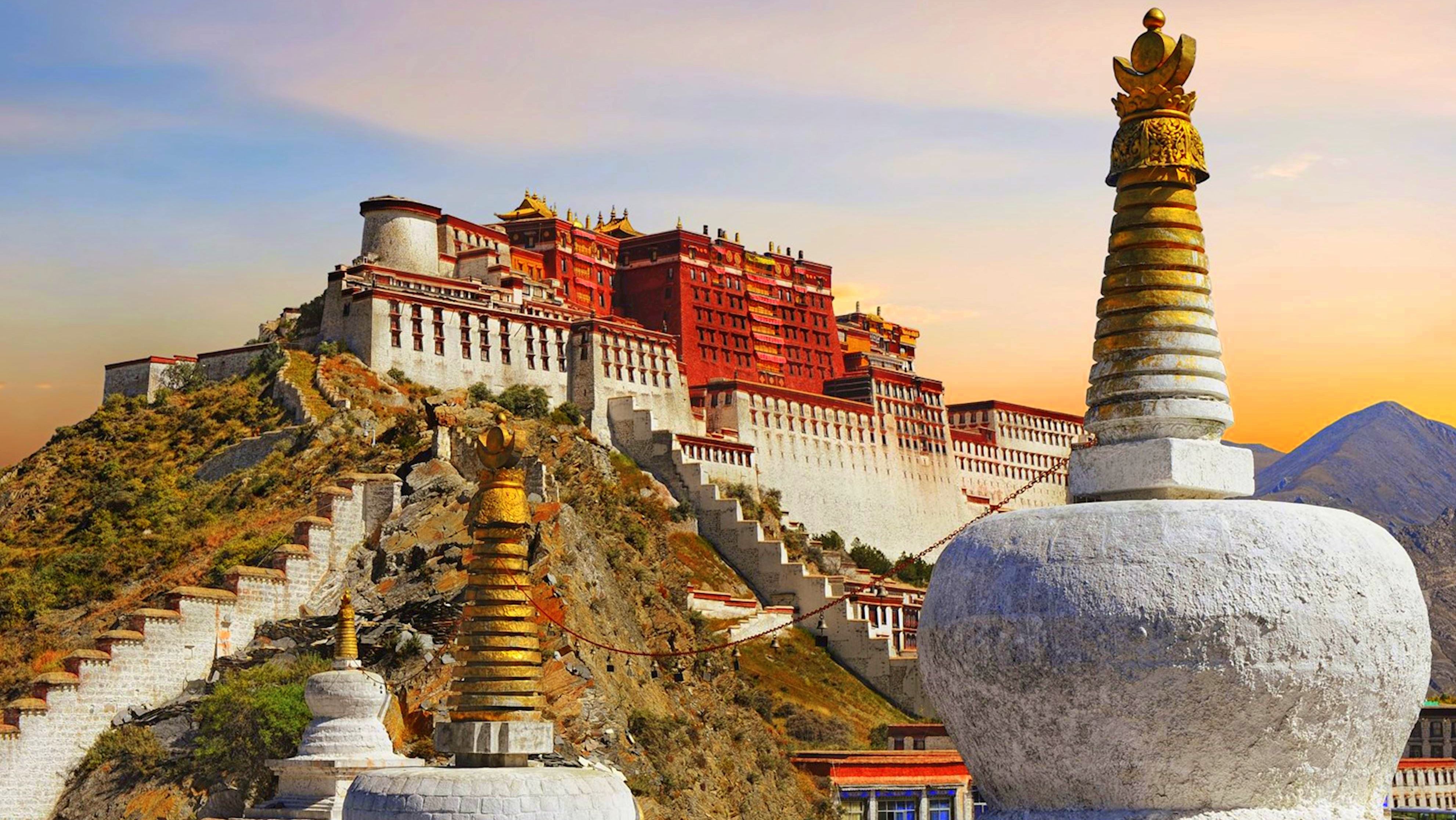
- Potala Palace: The iconic Potala Palace in Lhasa is a symbol of Tibetan Buddhism and was the winter residence of the Dalai Lamas. Its towering white and ochre walls against the backdrop of blue autumn skies make for a stunning visual.
- Jokhang Temple: Considered the spiritual heart of Tibet, Jokhang Temple in central Lhasa is a pivotal pilgrimage site. The temple buzzes with devout pilgrims and offers intimate glimpses into Tibetan Buddhist practices.
- Mount Everest Base Camp: For the adventurous, a visit to the North Base Camp of Mount Everest offers unparalleled views of the world’s highest peak. Autumn provides clear visibility and relatively stable weather for trekking.
- Namtso Lake: Known as the 'Heavenly Lake,' Namtso is one of the highest saltwater lakes in the world and is surrounded by spectacular mountain ranges. The lake’s crystal-blue waters reflect the snowy peaks, creating mesmerizing views in autumn.
- Sera Monastery: Famous for its lively monk debates, Sera Monastery on the outskirts of Lhasa is a hub of Tibetan culture and education. The debates are a fascinating spectacle and offer deep insight into Buddhist philosophy.
- Yamdrok Lake: One of the three holy lakes in Tibet, Yamdrok Lake is revered for its turquoise waters and scenic vistas. The surrounding landscape turns golden in autumn, enhancing its natural beauty.
- Samye Monastery: As Tibet’s first Buddhist monastery, Samye is an architectural marvel that integrates different styles symbolizing the universe in Buddhist cosmology. Its historical and religious significance is matched by its picturesque setting.
- Tashilhunpo Monastery: Located in Shigatse, this monastery is the seat of the Panchen Lama and is known for its giant statues and intricate murals. It provides a less crowded yet profoundly spiritual experience.
- Ganden Monastery: Perched on a high ridge with panoramic views, Ganden Monastery offers a more remote and tranquil visit. The kora (pilgrimage circuit) around the monastery is a perfect trek for those seeking both spiritual and physical activity.
- Rongbuk Monastery: The highest monastery in the world provides a unique vantage point of Mount Everest. It’s a serene place for reflection and photography, especially during the clear days of autumn.
Each of these sites offers a unique window into the cultural and natural treasures of Tibet, making them essential visits for any traveler seeking a comprehensive experience of this extraordinary region.
Traveling to Tibet in autumn offers an extraordinary opportunity to witness the region at its most vivid and culturally vibrant. The combination of pleasant weather, fewer tourists, and the celebration of unique Tibetan festivals creates an ideal setting for both adventure and introspection. Whether you're navigating the spiritual corridors of ancient monasteries, trekking to the breathtaking base camps of the world's highest peaks, or simply immersing yourself in the daily life and customs of the Tibetan people, autumn brings out the best in this remarkable region. With proper planning, including securing the necessary travel permits and packing appropriately, your journey to Tibet during this magical season can be both enriching and transformative. This time of year not only promises stunning photographic opportunities and enriching cultural experiences but also offers a deeper understanding of the resilient spirit and profound traditions of the Tibetan people.
FAQs of the Tips for Traveling to Tibet in Autumn
Q: What is the best time to visit Tibet in autumn?
A: The best time to visit Tibet in autumn is from September to November. During these months, the weather is generally stable with clear, dry days, making it ideal for sightseeing and trekking.
Q: What are the necessary travel permits for Tibet?
A: All foreign visitors need a Tibet Travel Permit to enter the region. Additionally, if you plan to visit restricted areas outside of Lhasa, such as Everest Base Camp or remote western regions, you will also need an Alien’s Travel Permit and possibly a Military Area Permit.
Q: How should I prepare for altitude sickness?
A: To minimize the risk of altitude sickness, spend a few days acclimatizing in a lower altitude area like Lhasa before heading to higher elevations. Stay hydrated, avoid strenuous exercise initially, and consider medications like Acetazolamide, as advised by a healthcare professional.
Q: What should I pack for a trip to Tibet in autumn?
A: Pack layers for variable temperatures, including thermal clothing, a warm jacket, and a waterproof outer layer. Also, bring sun protection such as sunscreen, sunglasses, and a hat, along with sturdy walking or trekking shoes.
Q: Are there any cultural festivals in Tibet during autumn?
]A: Yes, autumn coincides with several important Tibetan festivals, such as the Ongkor Festival (Harvest Festival) and Buddha's Descent Day. These festivals offer travelers a chance to experience Tibetan culture, music, and rituals firsthand.
Q: What are some tips for taking photographs in Tibet during autumn?
A: Take advantage of the clear skies and natural light, especially during the golden hours after sunrise and before sunset. Always ask for permission before photographing people, and be mindful of restrictions at sacred sites.
Q: What are the must-visit attractions in Tibet during autumn?
A: Key attractions include Potala Palace, Jokhang Temple, Mount Everest Base Camp, Namtso Lake, and the various monasteries like Sera and Ganden. Each offers unique insights and stunning views enhanced by the autumn season.
Q: How can I respect local customs and traditions while traveling in Tibet?
A: Dress modestly, especially when visiting religious sites. Follow local etiquette, such as walking clockwise around religious objects and using your right hand to give or receive items. Be respectful of local practices and participate in cultural activities where appropriate.