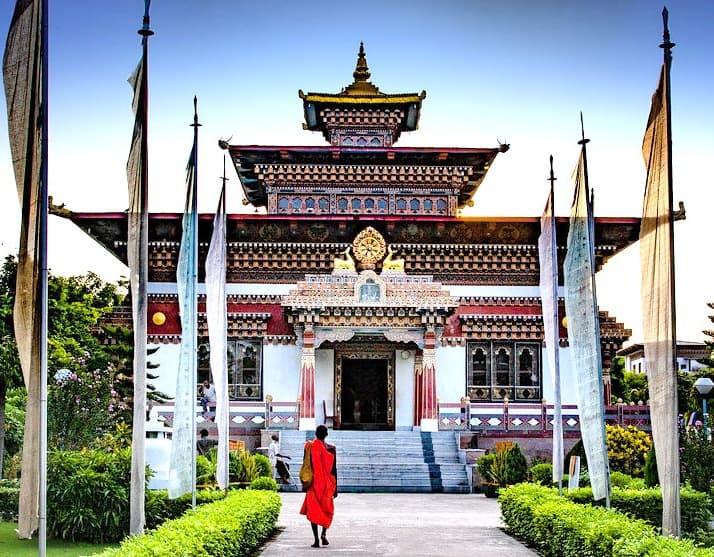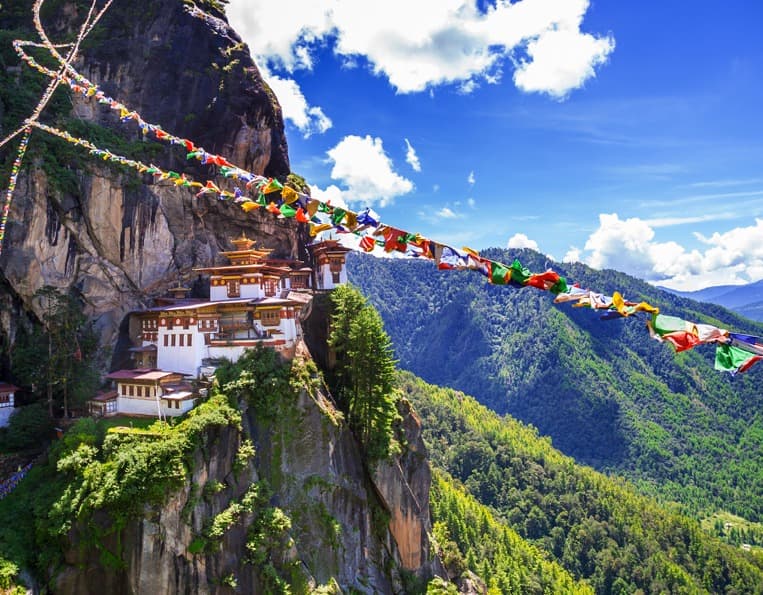
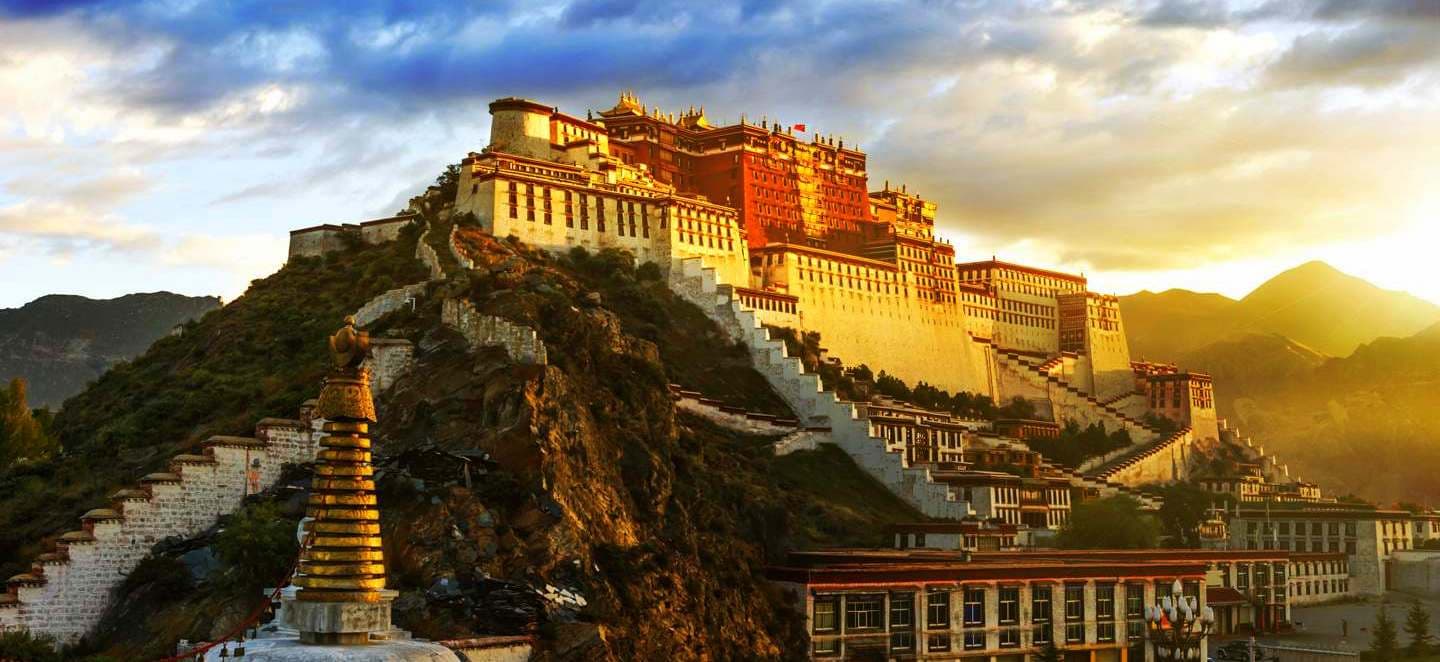
Tibet, often referred to as the "Roof of the World," offers a blend of stunning landscapes, profound spirituality, and vibrant cultural heritage that makes it a unique destination for travelers. From the breathtaking heights of Mount Everest Tibet side to the sacred experience of the Mount Kailash Pilgrimage, each aspect of Tibet is imbued with a sense of wonder and tranquility. Whether you are drawn to the architectural marvel of the Potala Palace or looking to engage with the profound teachings at Tibetan Buddhism monasteries, this guide will navigate through the top 10 reasons to visit Tibet. Explore the rich Tibetan cuisine, immerse yourself in the vibrant Festivals in Tibet, or embark on an unforgettable journey through its Tibet trekking tours. Each experience in Tibet promises not just a journey through its landscapes but a deeper connection with a culture that has captivated the hearts of travelers for centuries. Ready to discover why this mystical land continues to enchant visitors? Join us as we explore the compelling reasons to visit Tibet.
At Druk Holidays, we are passionate about creating exceptional travel experiences that reveal the true essence of Tibet. Our expertly designed Tibet tours take you beyond the ordinary, allowing you to explore majestic Himalayan landscapes, sacred monasteries, ancient cultural treasures, and vibrant local traditions with comfort and confidence. From standing in the shadow of Mount Everest and visiting the magnificent Potala Palace to participating in colorful Tibetan festivals and experiencing authentic Tibetan hospitality, every journey is thoughtfully crafted to provide meaningful and memorable encounters. With our extensive local expertise, professional guides, and commitment to personalized service, Druk Holidays is your trusted partner for discovering the magic, spirituality, and timeless beauty of Tibet.
Mount Everest Tibet Side
The north side of Mount Everest in Tibet offers a unique and less frequented route to the base of the highest peak in the world. Known for its rugged terrain and stunning vistas, this approach provides a serene yet adventurous experience for trekkers and mountaineers. Unlike the bustling trails on the Nepal side, Tibet’s north side is tranquil, allowing for a more intimate encounter with the majestic Everest.
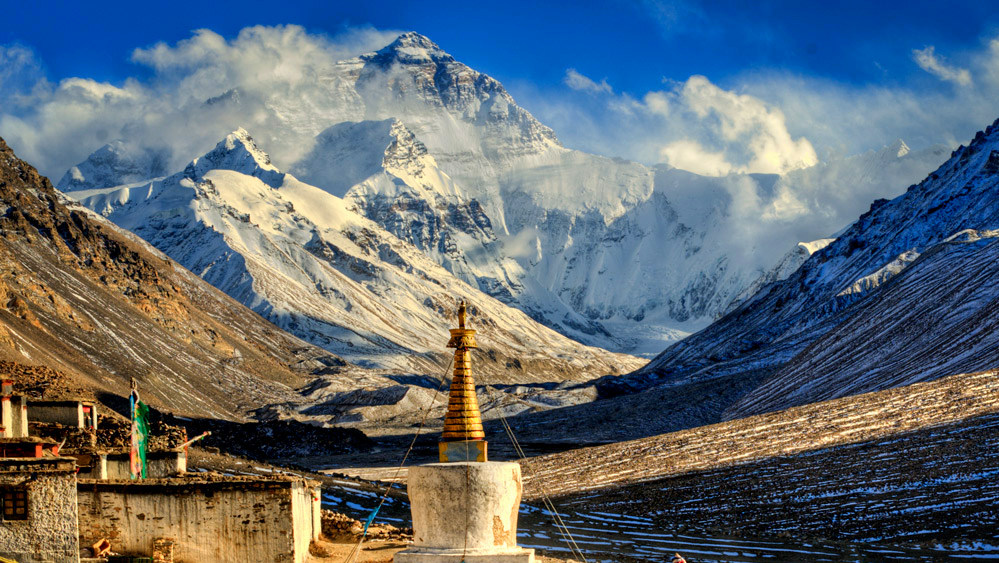
- Spectacular Views: From the Tibet side, climbers enjoy unobstructed views of the north face of Everest, renowned for its grandeur and challenging climbs.
- Advanced Base Camp (ABC): Situated at 6,500 meters, the Advanced Base Camp serves as a crucial acclimatization point for climbers aiming for the summit.
- Rongbuk Monastery: The highest monastery in the world, Rongbuk, offers spiritual solace and breathtaking perspectives of Everest, making it a perfect spot for reflection and rest.
- Accessibility: The route to the North Base Camp is accessible by vehicle, making it easier for trekkers and visitors to reach closer views of Everest without a lengthy trek.
- Less Crowded Paths: With fewer trekkers on the Tibet side, the journey to Everest Base Camp offers a peaceful trekking experience, ideal for those looking to avoid the crowds.
- Tibetan Culture: The journey through Tibet to Everest allows trekkers to immerse themselves in authentic Tibetan culture, visiting small villages and interacting with locals along the way.
- Diverse Wildlife: The region is home to unique high-altitude wildlife, including the elusive snow leopard and Himalayan tahr, adding an element of nature watching to the trek.
- Photographic Opportunities: Photographers find the Tibet side of Everest particularly appealing due to the dramatic landscapes and clear, expansive skies, perfect for capturing the area's awe-inspiring beauty.
Mount Everest Tibet side offers a distinct and memorable adventure, combining spectacular natural beauty, cultural richness, and a quieter atmosphere. Whether you’re an experienced climber, an avid trekker, or simply someone who appreciates the profound beauty of the Himalayas, the north side of Everest provides an unparalleled experience that captivates the heart and challenges the spirit.
Potala Palace
Perched majestically on Marpo Ri hill, the Potala Palace is not only the most iconic landmark of Lhasa but also a symbol of Tibet’s history and spiritual soul. Originally built in the 7th century by King Songtsen Gampo and later rebuilt in the 17th century by the Fifth Dalai Lama, this architectural masterpiece served as the winter residence of the Dalai Lamas until the 1959 Tibetan uprising.
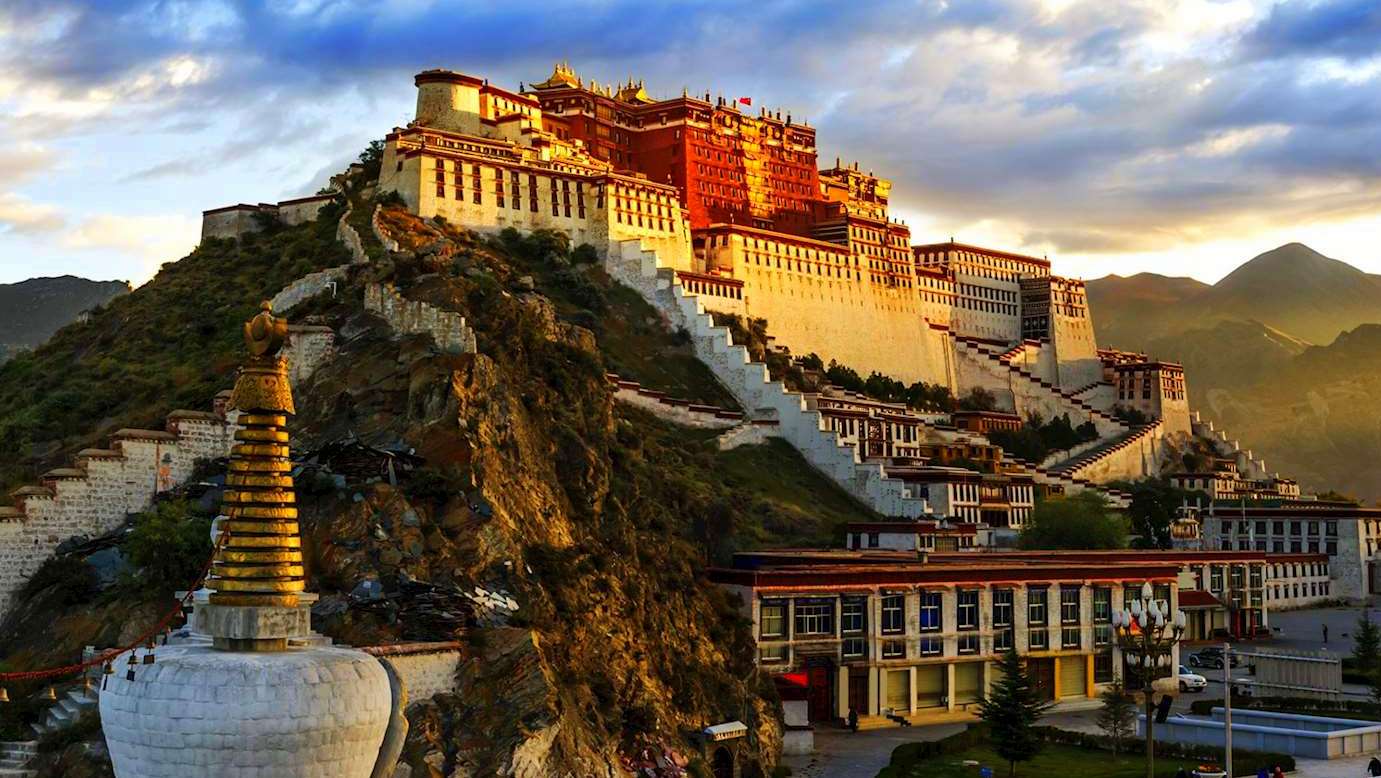
- Architectural Grandeur: The palace is an architectural marvel, featuring a complex layout of white and red buildings that contrast starkly against the blue Tibetan skies. It consists of the White Palace, which served administrative purposes, and the Red Palace, which focuses on religious study and Buddhist prayer.
- Rich History: The palace's history is intertwined with the spiritual and political life of Tibet, housing numerous chapels, shrines, and tombs of past Dalai Lamas, each richly decorated and holding centuries of treasures.
- Artistic Heritage: Inside, visitors can admire intricate frescoes, exquisite Tibetan thangkas, and statues made of gold, silver, and precious gems, each narrating stories from Tibetan Buddhism and history.
- Spiritual Significance: Potala Palace is considered a sacred place due to its religious importance and the many holy relics it houses, including stupas and sacred texts.
- Tourist Accessibility: The palace is open to tourists and is equipped with various facilities to ensure a respectful and informative visit. Entry is typically limited to ensure preservation, making it important to book visits in advance.
- UNESCO World Heritage Site: Recognized as a UNESCO World Heritage Site in 1994, the palace is acknowledged globally for its historical and cultural significance.
- Panoramic Views: Its location atop Marpo Ri hill offers stunning panoramic views of Lhasa and the surrounding valleys, a sight that leaves many visitors spellbound.
- Cultural Preservation: The Potala Palace is a center for cultural preservation, maintaining Tibetan records, religious scriptures, and artworks, ensuring that Tibetan culture and history continue to be studied and appreciated.
Visiting the Potala Palace is more than just a journey through a museum of Tibetan culture; it is an experience that immerses you in the spiritual and historical depths of Tibet. For anyone traveling to Lhasa, the Potala Palace stands as a must-visit monument, offering a profound glimpse into the soul of Tibet and its people.
Tibetan Buddhism Monasteries
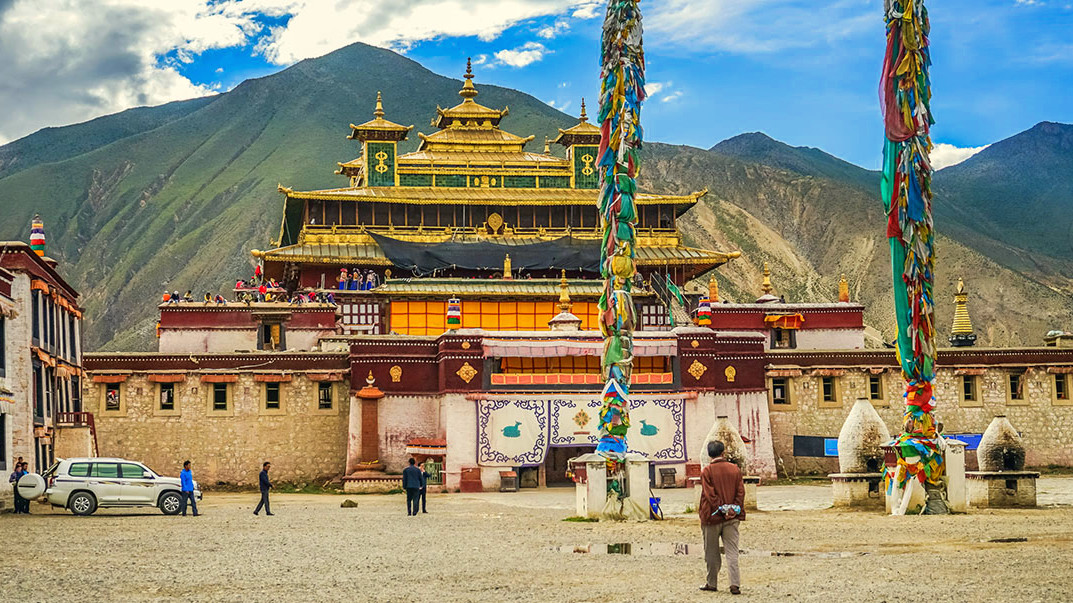
Tibetan Buddhism monasteries are not just places of worship but also centers of learning, cultural preservation, and community life in Tibet. These monasteries are integral to the Tibetan way of life, offering insights into the deep spiritual practices and artistic heritage of the region. Each monastery has its unique history and significance, often located amidst some of the most dramatic landscapes on Earth.
- Sera Monastery: Located in Lhasa, Sera is one of the great three Gelug university monasteries of Tibet. Known for its lively monk debates on Buddhist doctrines, which take place in the courtyard in the afternoons, it's a vibrant place of learning and spirituality.
- Drepung Monastery: Once the world's largest monastery, Drepung lies on the outskirts of Lhasa and was the primary residence of the Dalai Lamas until the construction of the Potala Palace. It hosts the annual Shoton Festival, marked by the dramatic unfurling of a giant thangka.
- Ganden Monastery: Also a Gelug university monastery, Ganden has a special place in Tibetan hearts as it was founded by Tsongkhapa himself, the reformer and founder of the Gelug order. The monastery's location offers stunning views of the surrounding Kyi-Chu Valley.
- Tashilhunpo Monastery: Located in Shigatse, this is the traditional seat of the Panchen Lamas. The monastery features a giant statue of the Maitreya Buddha and is famous for its gold and copper craftsmanship.
- Samye Monastery: Known as the first monastery built in Tibet, Samye is a significant pilgrimage site due to its association with Guru Rinpoche (Padmasambhava), who is credited with establishing Buddhism in Tibet. The monastery's design is said to represent the Buddhist universe.
- Sakya Monastery: Sakya, distinguished by its grey, fortress-like walls, houses one of the largest collections of Tibetan religious scriptures. The monastery is a seat of the Sakya school of Tibetan Buddhism and has a unique architectural style.
- Spiritual Practices: Monasteries often host a variety of religious practices that visitors may witness, including meditation, chanting, and ritual dances. These practices provide a deeper understanding of Tibetan Buddhism's philosophies.
- Art and Iconography: Monasteries are treasure troves of religious art, featuring intricate murals, exquisite statues, and extensive libraries of sacred texts. They preserve the artistic traditions of Tibet, making them crucial for cultural conservation.
Visiting Tibetan Buddhist monasteries offers more than just a sightseeing experience; it is an opportunity to engage with the profound spiritual and cultural traditions of Tibet. Each monastery holds its charm and history, inviting visitors to explore its sacred spaces, observe its rituals, and enjoy its peaceful ambiance. For those interested in the spiritual and cultural journeys, these monasteries are indispensable stops on any Tibetan itinerary.
Stunning Landscapes
Tibet, often revered as the "Roof of the World," is a land where the earth meets the sky in a stunning display of natural beauty. The landscapes of Tibet are varied and vast, ranging from arid high-altitude deserts to lush river valleys and crystalline lakes. These breathtaking vistas not only provide a backdrop for spiritual journeys but also offer unforgettable experiences for nature lovers and adventure seekers.
- Mount Everest: The North Face of Everest from Tibet offers a dramatic and less crowded route to view the world's highest peak, presenting some of the most awe-inspiring vistas on the planet.
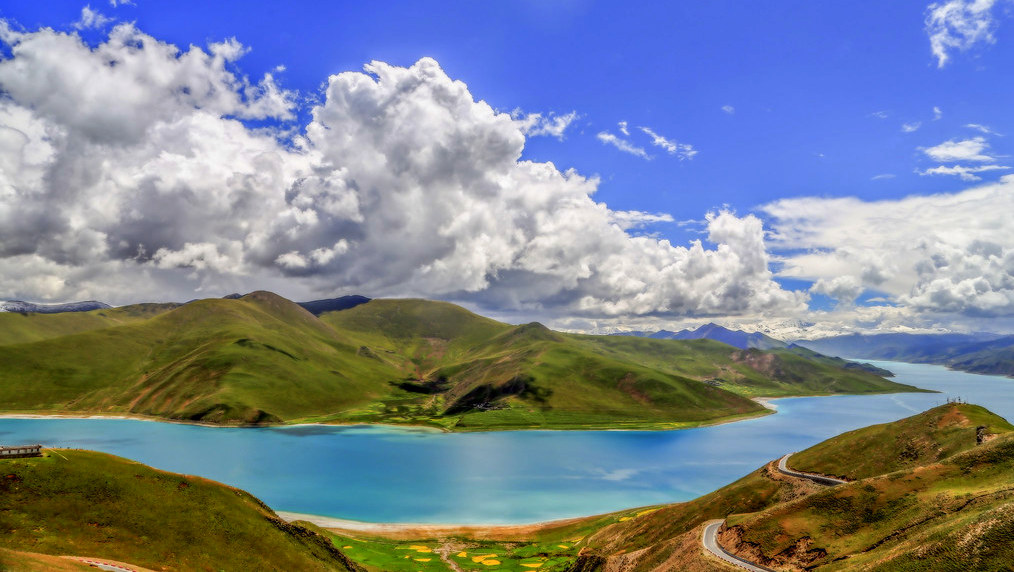
- Yamdrok Lake: One of the three holy lakes in Tibet, Yamdrok Lake is famed for its deep turquoise waters and the spectacular mountain ranges that surround it. The lake is considered sacred, believed to be the transformation of a goddess.
- Yarlung Tsangpo Grand Canyon: Holding the title of the world's deepest canyon, the Yarlung Tsangpo slices through the Himalayas creating extraordinarily rugged and scenic landscapes, unparalleled in their beauty and dramatic wilderness.
- Namtso Lake: Known as the 'Heavenly Lake,' Namtso is the largest saltwater lake in Tibet and one of the highest altitude lakes in the world. Its crystal-blue waters against the backdrop of snow-capped peaks create a serene and mesmerizing scene.
- Tibetan Plateau: The expansive high-altitude plateau is a unique ecosystem and a region of extraordinary geographical importance, featuring vast open steppes and thriving wildlife, including the Tibetan antelope and wild yak.
- Mount Kailash: Sacred to several religions, Mount Kailash is not only spiritually significant but also geographically majestic. Pilgrims and tourists are drawn to its stunning ice-capped summit and the rigorous trek around it, which is said to bring good fortune.
- Shigatse: Home to a mixture of fertile plains and rugged mountainous terrain, Shigatse is an excellent example of the agricultural heartland of Tibet, interspersed with traditional villages and ancient monasteries.
- Lhasa River Valley: Flowing through the capital, the Lhasa River is flanked by lush greenery and cultural landmarks, offering a picturesque contrast to the more arid regions of Tibet.
Exploring the stunning landscapes of Tibet is like stepping into a vast gallery of natural art, where each view is more striking than the last. These landscapes not only provide thrilling adventures and tranquil moments but also deepen the connection between nature and spirituality that is so characteristic of Tibetan culture. Whether you are trekking through remote mountain passes, camping beside serene lakes, or simply soaking in the vistas, Tibet’s landscapes are sure to leave an indelible mark on your heart.
Festivals in Tibet
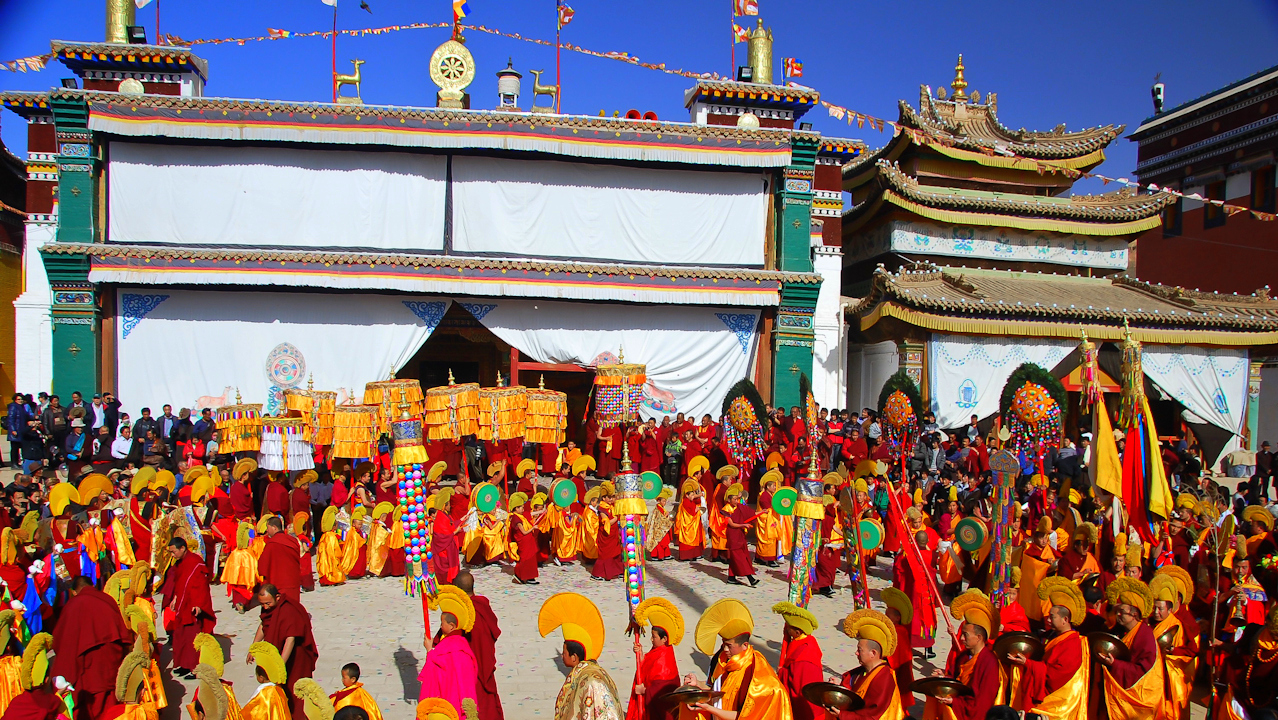
Tibet is a land where festivals are not just occasions for joy and celebration but also profound cultural ceremonies that bind the community and reinforce their spiritual beliefs. Each festival in Tibet is a spectacle of color, music, dance, and rituals, reflecting the rich heritage and religious foundation of this Himalayan region.
- Losar (Tibetan New Year): This is the most important festival in Tibet, marking the beginning of a new year according to the Tibetan lunar calendar. Festivities include ancient rituals, dances, and a display of colorful arts, with the burning of juniper incense to ward off evil spirits.
- Monlam Prayer Festival: Occurring shortly after Losar, Monlam was established by Tsongkhapa, the great 14th-century founder of the Gelug school. The festival features prayers, rituals, and impressive displays of giant thangkas at major monasteries.
- Saga Dawa Festival: Celebrated on the 15th day of the fourth lunar month, Saga Dawa marks the birth, enlightenment, and death of Buddha. It is known for its spiritual activities, including circumambulations of sacred sites in Lhasa, and the hanging of prayer flags.
- Shoton Festival (Yogurt Festival): Originating at Drepung Monastery, Shoton begins with the dramatic unfurling of a huge thangka of Buddha, followed by performances of Tibetan opera and picnicking at Norbulingka, the Dalai Lama’s summer palace.
- Tashilhunpo Thangka Unveiling: This event takes place in the Tashilhunpo Monastery, where enormous thangkas of Buddha are displayed, drawing thousands of pilgrims who come to pray and receive blessings.
- Butter Lamp Festival: Coinciding with the Monlam Prayer Festival, the Butter Lamp Festival features thousands of butter lamps lit in temples and homes, illuminating the night and symbolizing the dispelling of darkness.
- Horse Racing Festivals: Horse racing and archery are popular in the more rural areas of Tibet, especially during the summer months. These festivals, such as the one in Gyantse, combine traditional sports with folk singing and dancing.
- Bathing Festival: Held in the seventh lunar month, the Bathing Festival involves a week of ritual bathing in Tibet’s rivers, believed to have healing properties during this period when the water is considered purest.
Tibetan festivals offer a window into the soul of its people, showcasing not only their devotion and religious practices but also their joy in communal celebration. Each festival is an opportunity for travelers to experience the vibrancy of Tibetan culture, the warmth of its people, and the spiritual depth permeating every aspect of Tibet's life. Whether participating in the sacred or the celebratory, visitors are welcomed into a world where tradition and festivity converge into unforgettable experiences.
Mount Kailash Pilgrimage
The pilgrimage to Mount Kailash, considered one of the most sacred journeys in Asia, attracts thousands of devotees from various faiths each year. Located in the remote western corner of Tibet, Mount Kailash is revered in Hinduism, Buddhism, Jainism, and Bön as a cosmic axis and the abode of deities. For many, the pilgrimage is not just a religious duty but a means to cleanse the soul of sins and impurities.
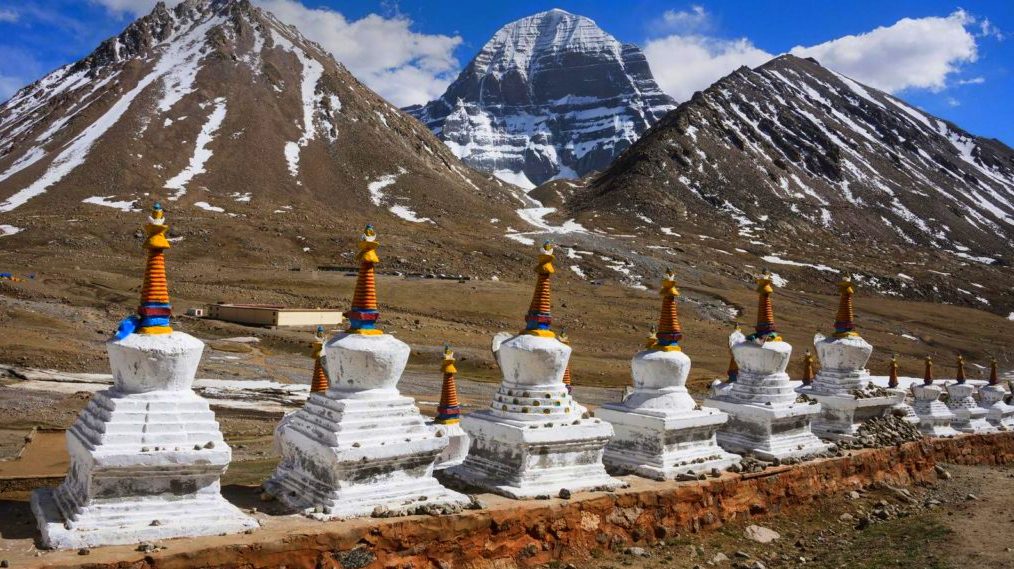
- Spiritual Significance: In Hinduism, Kailash is the abode of Lord Shiva, where he resides in eternal meditation. In Buddhism, the mountain is associated with Demchok, who represents supreme bliss. Jains believe it to be the site where their first prophet was spiritually enlightened, and Bön followers consider it the seat of all spiritual power.
- The Kora (Circumambulation): The Kailash Kora is a 52-km trek that encircles the sacred mountain, typically completed in three days. Pilgrims believe that performing the Kora brings good fortune and wipes away a lifetime of sins.
- Rigorous Route: The journey around Kailash is arduous and climbs to a high altitude, reaching up to 5,630 meters at the Dolma La Pass. The terrain is rugged, with harsh conditions contributing to the spiritual challenge.
- Cultural Immersion: The pilgrimage is a profound cultural immersion, with participants witnessing and partaking in ancient ritual practices, prayer ceremonies, and communal expressions of faith.
- Lake Manasarovar: Close to Mount Kailash, Lake Manasarovar holds its own spiritual significance. Pilgrims often perform ritual baths in its holy waters, believed to purify the mind and body.
- Astapad: For those on a deeper spiritual quest, a visit to Astapad is included. It offers an extraordinary view of Mount Kailash’s southern face and is said to provide a glimpse into enlightenment.
- Saga Dawa Festival: Coinciding with the full moon day of the fourth lunar month, the Saga Dawa festival marks Buddha's birth, enlightenment, and nirvana. Many pilgrims time their visit to coincide with this festival, adding an extra layer of spiritual and cultural richness to their journey.
- Interfaith Harmony: The pilgrimage to Mount Kailash is unique in that it brings together people from different religions, showcasing a rare example of interfaith harmony and shared reverence for a holy site.
The pilgrimage to Mount Kailash is more than a physical journey; it is a passage through the layers of one’s own spirituality, challenging both body and mind. It offers a unique opportunity to experience profound peace and spiritual renewal in one of the world's most awe-inspiring landscapes. For those seeking a meaningful spiritual experience, the Mount Kailash pilgrimage stands as a testament to faith and endurance in the face of nature’s grandeur.
Adventure Activities
Tibet, with its vast and varied landscapes, offers a plethora of thrilling adventure activities for those looking to explore its rugged and breathtaking terrain. From high-altitude treks to exhilarating bike rides, Tibet is a haven for adventurers seeking to combine physical challenges with stunning natural beauty.
- Mountaineering: Tibet is home to some of the world’s highest peaks, including Mount Everest from the north side. The region offers numerous opportunities for mountaineering enthusiasts to tackle challenging climbs in the Himalayas.
- Trekking: Trekking is perhaps the most popular adventure activity in Tibet. Famous routes include the trek to Everest Base Camp, the circuit around Mount Kailash, and the journey through the beautiful landscapes of the Annapurna Circuit. Each trek offers unique sights and challenges.
- Mountain Biking: For those who prefer two wheels, mountain biking across the Tibetan Plateau provides an exhilarating way to see the countryside. Routes can vary from moderate trails to challenging off-road paths, offering something for every skill level.
- River Rafting: The Yarlung Tsangpo River, known as the Brahmaputra in India, offers exciting whitewater rafting experiences. The river's powerful currents and stunning surrounding scenery make for an unforgettable adventure.
- Yak Safari: For a truly unique Tibetan experience, a yak safari offers a slower-paced but equally adventurous activity. These safaris allow visitors to explore remote areas not accessible by vehicle, all while riding on Tibet’s iconic domesticated bovine.
- Paragliding: The high altitudes and stunning landscapes of Tibet offer perfect conditions for paragliding. Flying over the Tibetan Plateau provides a bird’s eye view of its majestic mountains and sprawling plains.
- Ice Climbing: During the winter months, the region’s many frozen waterfalls and rivers turn into ideal spots for ice climbing. This challenging sport attracts climbers from around the world looking to test their skills against the icy elements.
- Cultural Treks: In addition to physical adventures, cultural treks that explore Tibet’s rich heritage and visit remote monasteries offer a more spiritually oriented adventure. These treks combine the physical aspect of hiking with the exploration of Tibetan Buddhism and traditional lifestyles.
Tibet's high-altitude landscape serves as the ultimate playground for adventurers. Whether scaling icy peaks, biking rugged trails, or rafting turbulent rivers, the region offers a host of activities that promise both adrenaline and awe. Each adventure activity in Tibet not only challenges the body but also engages the mind and spirit, making it a holistic experience that is hard to find anywhere else in the world.
Tibetan Cuisine
Tibetan cuisine is a reflection of the rugged environment and the ingenuity of its people who have adapted their diet to the high-altitude terrain of the Himalayas. Characterized by hearty, warming dishes that provide energy and sustenance in the cold climate, Tibetan food is both unique and flavorful, offering a culinary experience deeply entwined with the region's culture and lifestyle.
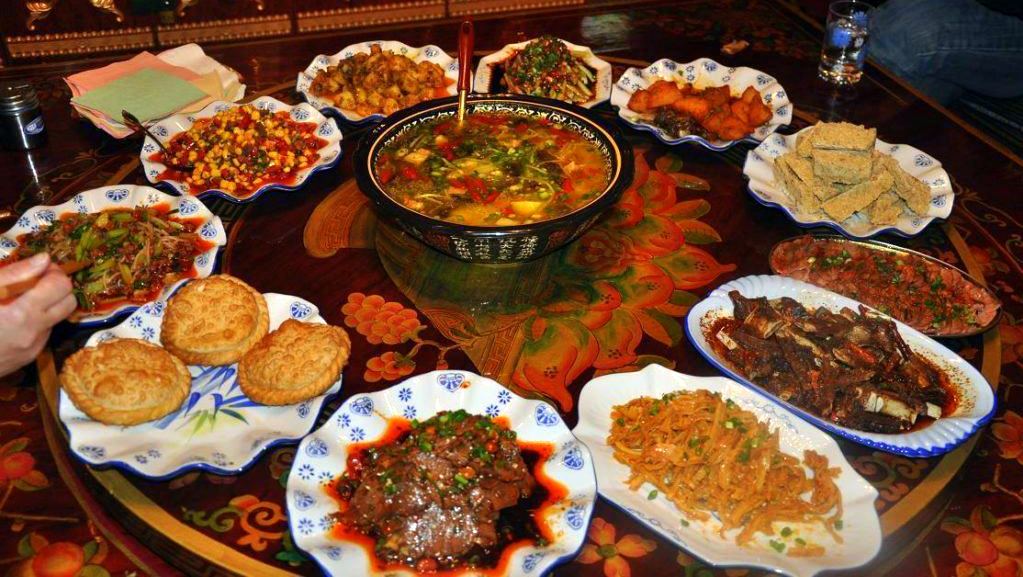
- Tsampa: The staple food of Tibet, tsampa is roasted barley flour that is versatile and nutritious. It is often mixed with Tibetan butter tea to form a doughy paste that is eaten throughout the day.
- Tibetan Butter Tea: A distinctive feature of Tibetan cuisine, butter tea is a blend of black tea, yak butter, and salt. It is an acquired taste for many but is essential in the Tibetan diet for its high caloric content and ability to ward off the cold.
- Momos: These Tibetan dumplings are a favorite among locals and travelers alike. Filled with meat or vegetables, momos are steamed or fried and served with spicy dipping sauces.
- Thukpa: A hearty noodle soup that combines meat or vegetables in a savory broth, thukpa is a staple comfort food that provides warmth and nutrition in the harsh Tibetan climate.
- Yak Meat: As yaks are well-suited to the high altitude, their meat is a common protein source in Tibet. It's used in various dishes, from stews to dried and cured as a snack.
- Chang (Barley Beer): A mild alcoholic beverage made from barley, chang is a traditional drink enjoyed in social settings and during festive occasions.
- Cheese: Tibetan cheese, mostly made from yak milk, is another staple. It’s often used in soups and stews or eaten on its own. Dried cheese, known as chhurpi, is hard and chewy, and can be kept for a long time.
- Laphing: A popular street food, laphing is a cold noodle dish made from mung beans, with a jelly-like consistency, served with chili sauce and vinegar, providing a tangy and spicy flavor that contrasts the typically mild Tibetan dishes.
Tibetan cuisine offers a fascinating insight into the cultural and environmental influences that shape this unique culinary tradition. From the simple yet sustaining tsampa to the complex flavors of a thukpa bowl, Tibetan food provides not just nourishment but also a profound connection to the land and its people. Whether sipping on butter tea or enjoying a plate of steaming momos, visitors will find that Tibetan cuisine is an integral part of the travel experience, offering flavors that are as memorable as the landscape.
Yarlung Tsangpo Grand Canyon
The Yarlung Tsangpo Grand Canyon, often heralded as one of the deepest and most spectacular canyons in the world, offers a breathtaking natural landscape in the eastern part of Tibet. Carved by the Yarlung Tsangpo River, this canyon surpasses even the Grand Canyon in depth and exudes a raw, untouched beauty that is unparalleled.
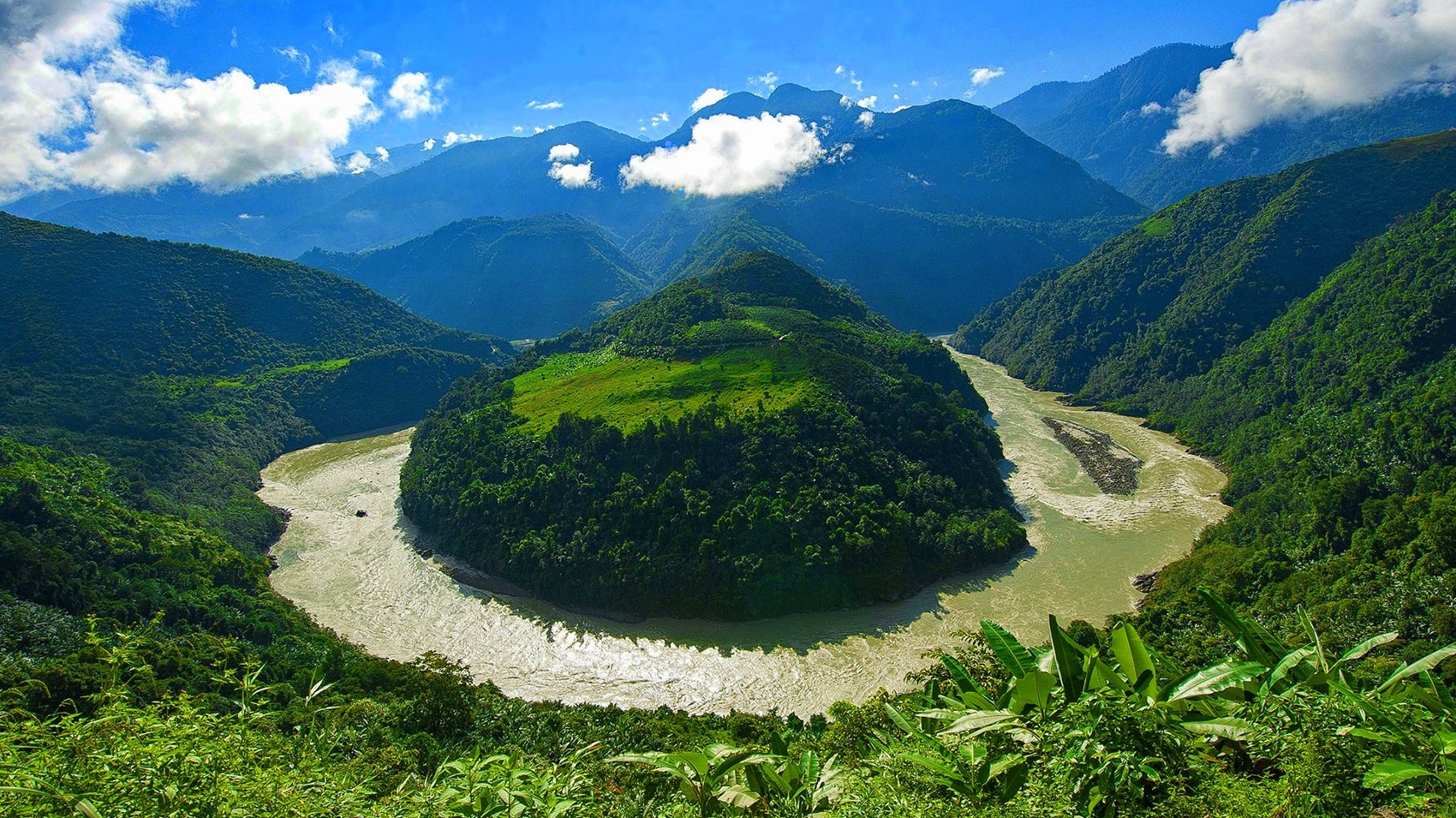
- Immense Depth and Length: The canyon reaches a maximum depth of over 6,000 meters and stretches approximately 500 kilometers, making it one of the largest of its kind on the planet.
- Diverse Ecosystems: The canyon's varying altitudes and climates support a rich diversity of flora and fauna. This range of ecosystems from subtropical to alpine means that the canyon is home to unique wildlife, including several endangered species.
- Stunning Vistas: The views within the Yarlung Tsangpo Grand Canyon are nothing short of majestic. Towering cliffs, lush forests, and the powerful river create dramatic landscapes that are a photographer’s and nature lover's dream.
- Challenging Treks: For adventurers, the canyon offers some of the most challenging and rewarding treks in Tibet. These treks provide not only physical challenges but also spiritual solace as one navigates through the serene natural beauty.
- Rich Cultural Heritage: The area around the Yarlung Tsangpo Grand Canyon is steeped in Tibetan culture and history. Several ancient monasteries and villages along the river’s path offer insights into the lives of the indigenous peoples and their centuries-old traditions.
- Spiritual Significance: The river and its surrounding areas are considered sacred in Tibetan Buddhism. The sheer isolation and the pristine environment contribute to a sense of spirituality and peace that pervades the canyon.
- Remote Beauty: The canyon's remote location means that it remains one of the less traveled paths in Tibet, offering an escape for those looking to experience nature without the crowds found in more accessible tourist spots.
- Adventurous River Rafting: For the ultimate adrenaline rush, the Yarlung Tsangpo offers some of the most challenging white-water rafting in the world. The river’s powerful currents and rapids are ideal for experienced rafters looking for an unforgettable adventure.
Visiting the Yarlung Tsangpo Grand Canyon is like stepping into another world, where the dramatic play of nature’s elements creates a landscape that is both awe-inspiring and humbling. Whether you are an avid trekker, a spiritual seeker, or simply someone who appreciates the magnificence of nature, the Yarlung Tsangpo Grand Canyon offers an experience that is profound and transformative, leaving an indelible impression on all who visit.
Rich Heritage
Tibet, with its vast landscapes and spiritual significance, is also a treasure trove of cultural heritage that spans thousands of years. This rich heritage is manifested in its architecture, religious practices, art, and daily life, making Tibet a unique and deeply historical region that continues to fascinate scholars, travelers, and spiritual seekers from around the world.
- Religious Heritage: Tibet is predominantly Buddhist, and this religion shapes much of its culture. The region is dotted with monasteries like Potala Palace, Jokhang Temple, and Tashilhunpo Monastery, which are not only places of worship but also repositories of religious art and scholarship.
- Architectural Wonders: Tibetan architecture is distinctive, characterized by its use of stone and wood, ornate decorations, and flat roofs to withstand the cold climate. This style is evident in the construction of its monasteries, palaces, and homes, designed to be in harmony with the natural surroundings.
- Artistic Expressions: Thangka painting, a unique form of Tibetan Buddhist art, is renowned for its intricate detail and spiritual symbolism. Similarly, Tibetan music, dance, and opera such as Lhamo, a traditional folk opera, are integral to Tibetan cultural celebrations and religious ceremonies.
- Language and Literature: Tibetan language and literature are deeply entwined with Buddhist teachings. Ancient texts, many of which were translated centuries ago from Sanskrit and other languages, are studied and preserved in monastic libraries.
- Craftsmanship: Tibetans are skilled artisans, known for their craftsmanship in areas like metalworking, carpet weaving, and jewelry making. These crafts often carry religious significance and are used in daily life as well as in spiritual contexts.
- Folk Traditions and Festivals: The cultural life of Tibet is marked by numerous festivals such as Losar (Tibetan New Year), Saga Dawa, and Monlam Prayer Festival, which blend religious practices with social celebrations, featuring music, dance, and dramatic performances.
- Culinary Traditions: Tibetan cuisine reflects the region’s geographical and climatic conditions. Staples like barley, meat (particularly yak), and dairy products dominate the diet, along with the ubiquitous butter tea, which is an essential part of Tibetan hospitality.
- Spiritual Practices: Meditation, yoga, and various ritual practices are integral to Tibetan Buddhism and have been preserved and passed down through generations. These practices are not only religious but also ways of healing and understanding the mind and body.
Tibet’s rich heritage is a vivid tapestry woven from the threads of spirituality, art, and community life. It is a culture that has managed to preserve its traditions despite modern challenges, making a journey to Tibet a profound experience of connecting with a past that continues to live vibrantly in the present. For those who visit, Tibet offers an enduring insight into a society where tradition and spirituality govern life in a landscape as timeless as the culture itself.
The top 10 reasons to visit Tibet encapsulate the region's multifaceted appeal, blending breathtaking landscapes, profound spirituality, rich cultural heritage, and adventurous opportunities. From the serene heights of Mount Everest on the Tibet side and the spiritual depth of the Mount Kailash Pilgrimage to the architectural splendor of the Potala Palace, Tibet invites visitors into a world where ancient and modern coexist harmoniously. Whether seeking adventure on rugged trails, peace in sacred monastic spaces, or cultural immersion during vibrant festivals, Tibet offers transformative experiences that resonate with the resilience and reverence of its people. A visit to Tibet is an unforgettable journey into a living museum, where each element—fr.om paths to peaks and rituals to meals—is infused with deep significance, offering profound insights and a richer understanding of this mystical land.
FAQs for the Top 10 Reasons to Visit Tibet
Q: What is the best time to visit Tibet?
A: The best time to visit Tibet is from April to October when the weather is most favorable. This period offers clear, sunny days ideal for trekking and sightseeing.
Q: Do I need a special permit to visit Tibet?
A: Yes, all foreign travelers need a Tibet Travel Permit in addition to a Chinese visa. These permits are usually arranged by tour operators as part of your travel package.
Q: How can I get to Mount Everest's North Base Camp in Tibet?
A: The North Base Camp in Tibet is accessible by vehicle, making it a more convenient option than the trekking route on the Nepal side. Most tours to the base camp start from Lhasa or Shigatse.
Q: What are some must-see monasteries in Tibet?
A: Essential monasteries to visit include Potala Palace, Sera Monastery, Drepung Monastery, and Tashilhunpo Monastery. Each offers a unique glimpse into Tibetan Buddhism and architecture.
Q: Can I participate in local festivals during my visit?
A: Yes, joining local festivals can enhance your travel experience. Popular festivals include Losar (Tibetan New Year), Saga Dawa, and the Shoton Festival, which features dramatic opera performances and the unveiling of giant thangkas.
Q: What are some traditional foods I should try in Tibet?
A: Be sure to try tsampa (roasted barley flour), Tibetan butter tea, momos (dumplings), and thukpa (noodle soup). These staples are central to Tibetan cuisine and offer a taste of the local culture.
Q: Is trekking in Tibet suitable for beginners?
A: While there are treks suitable for beginners, the high altitude of Tibet can make trekking challenging. It is essential to acclimatize properly and consider easier routes if you are less experienced.
Q: What wildlife might I see in Tibet?
A: Tibet's unique high-altitude environment is home to diverse wildlife, including the Tibetan antelope, snow leopards, and the elusive red panda, especially in more remote areas like the Yarlung Tsangpo Grand Canyon.
Q: Are there opportunities for adventure sports in Tibet?
A: Yes, beyond trekking, Tibet offers opportunities for mountain biking, river rafting, and, in winter, ice climbing. These activities are catered to those looking for an adrenaline rush amidst the natural beauty of the region.
Q: How can I respect local customs and traditions while visiting?
A: Respect local customs by dressing modestly, following photography restrictions, especially in monasteries, and asking for permission before entering sacred spaces. Always follow the lead of your guide to ensure culturally sensitive interactions.
If you need any further information, please contact us by email at [email protected],or phone +977 980-1956245 (WhatsApp)