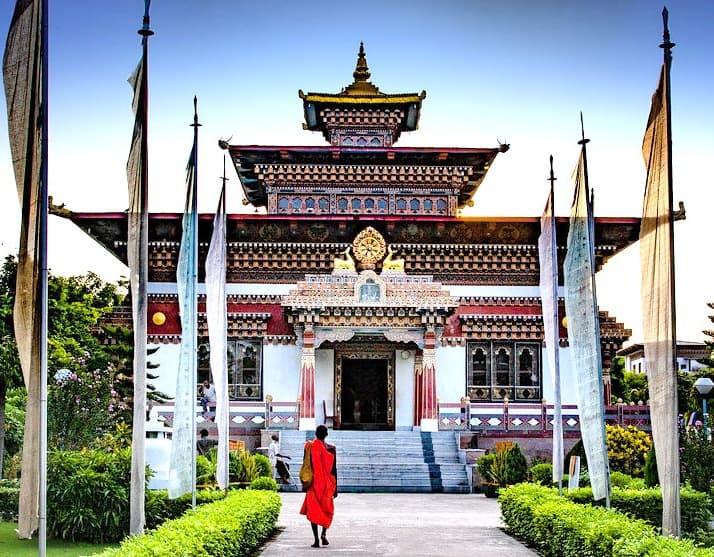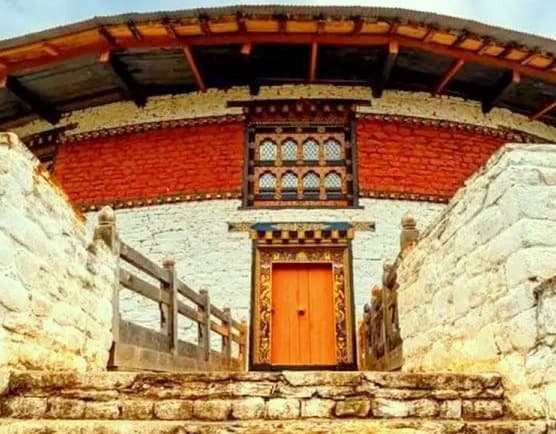
Tibet, with its vast and varied landscapes, offers some of the most extraordinary bird watching sites in the world. The Qinghai-Tibet Plateau, known for its high altitude birds, and the mystical Namtso Lake are prime locations for spotting rare and migratory species. Lhalu Wetland and Yarlung Tsangpo Grand Canyon provide unique habitats for a diverse range of bird species in Tibet, making them essential stops for any wildlife enthusiast. The region's numerous nature reserves and dedicated bird watching tours also offer ample opportunities to observe these magnificent creatures in their natural settings. Whether you're a seasoned birder or a curious traveler, the best birding locations in Tibet promise a rewarding and enriching experience.
At Druk Holidays, we pride ourselves on offering unmatched experiences for bird watchers eager to explore the Top Places for Bird Watching in Tibet. Our expertly guided tours are designed to bring you face-to-face with some of the most elusive and majestic bird species in Tibet. From the expansive Qinghai-Tibet Plateau to the tranquil waters of Namtso Lake, our itineraries are crafted to maximize your opportunities to see high altitude birds and other unique wildlife. With Druk Holidays, you not only visit spectacular birding sites but also enjoy comprehensive support and deep insights that enhance your bird watching adventure. Trust us to make your journey into Tibet's most scenic locales both memorable and exhilarating.
Qinghai-Tibet Plateau
The Qinghai-Tibet Plateau, often referred to as the "Roof of the World," stands as one of the most remarkable natural landscapes on the planet. This vast area, characterized by its high elevation and rugged terrain, is not only a geological wonder but also a thriving habitat for a diverse range of flora and fauna. It offers a unique environment for those interested in ecological, geological, and cultural explorations, making it a prime destination for adventurers and nature enthusiasts alike.
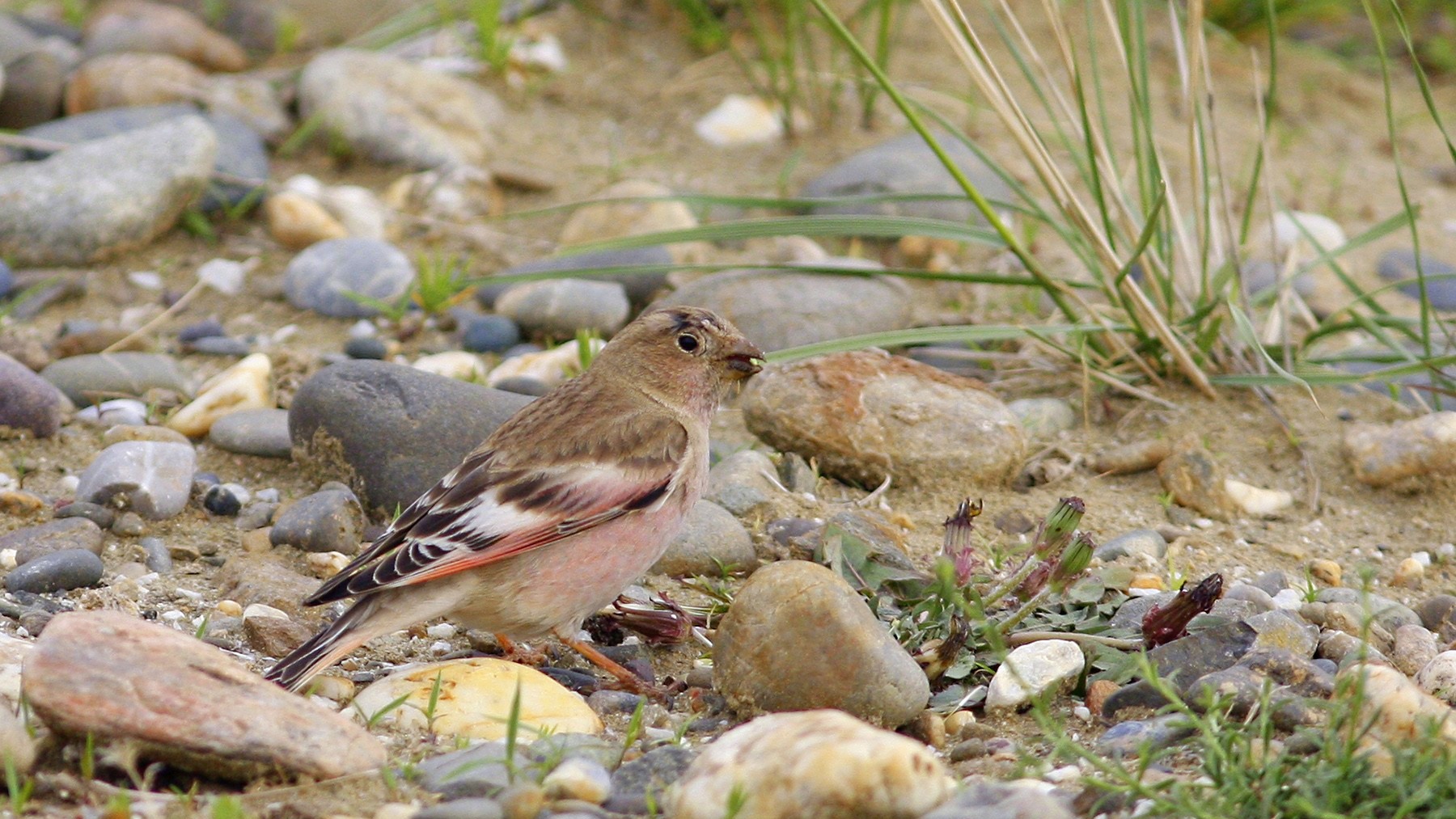
- Vast Biodiversity: Home to unique species adapted to high-altitude life, including the Tibetan antelope, wild yak, and the elusive snow leopard.
- Spectacular Landscapes: Features a stunning array of landscapes from rolling grasslands and serene lakes to dramatic mountain ranges and extensive glaciers.
- Rich Cultural Heritage: Inhabited by several ethnic groups, including Tibetans, each with distinct traditions and customs, offering cultural insights into life on the plateau.
- Important Water Source: Serves as the source for some of Asia’s major rivers, including the Yangtze, Yellow, Mekong, and Indus, providing vital water resources to billions of people downstream.
- Scientific Research Hub: A key area for scientific research, particularly in the fields of environmental and climate science, due to its sensitive ecosystem and impact on global climate patterns.
- Challenging Trekking Routes: Offers some of the most challenging and rewarding trekking routes in the world, attracting trekkers and mountaineers from across the globe.
- Unique Flora: Hosts a range of high-altitude plants and flowers, including the Tibetan blue poppy and rhododendrons, which are a sight to behold during the blooming season.
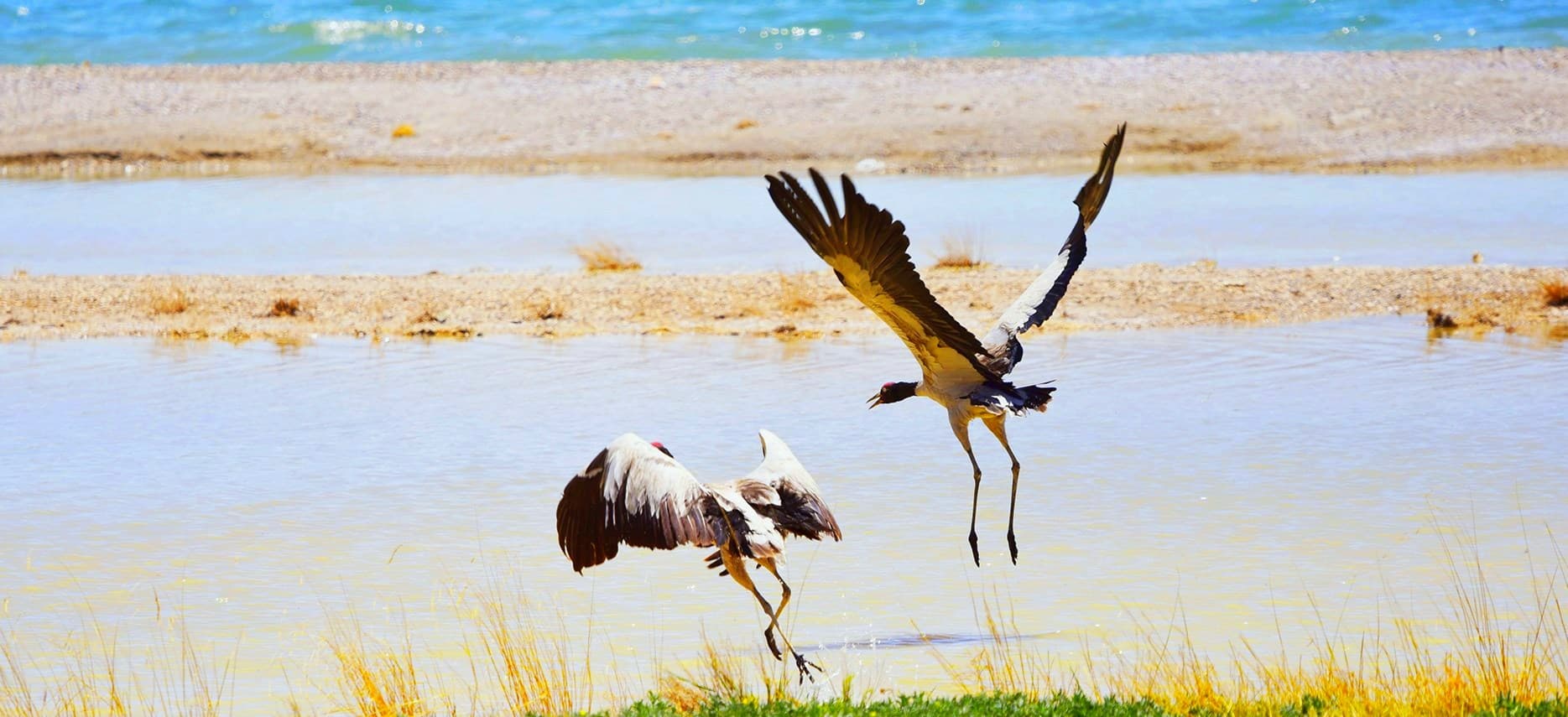
- Birdwatching Paradise: A significant area for birdwatching, where enthusiasts can spot high-altitude birds like the Black-necked Crane and the Tibetan Snowcock.
The Qinghai-Tibet Plateau is more than just a high-altitude desert; it's a place of immense natural beauty, ecological importance, and cultural richness. Its vast expanse invites exploration and offers endless opportunities for discovery and adventure. Whether you are a scientist, adventurer, or simply a curious traveler, the Plateau provides an unparalleled experience that is both enriching and inspiring. Exploring this "Roof of the World" is truly a journey into one of Earth’s most extraordinary environments.
Namtso Lake
Namtso Lake, located in the heart of the Tibetan Plateau, is one of the most enchanting natural wonders of Tibet. Known as the "Heavenly Lake," Namtso is the second-largest saltwater lake in China and one of the highest-altitude lakes in the world. Its crystalline waters reflect the vast blue skies above, making it a breathtaking sight and a spiritual sanctuary for both pilgrims and visitors.
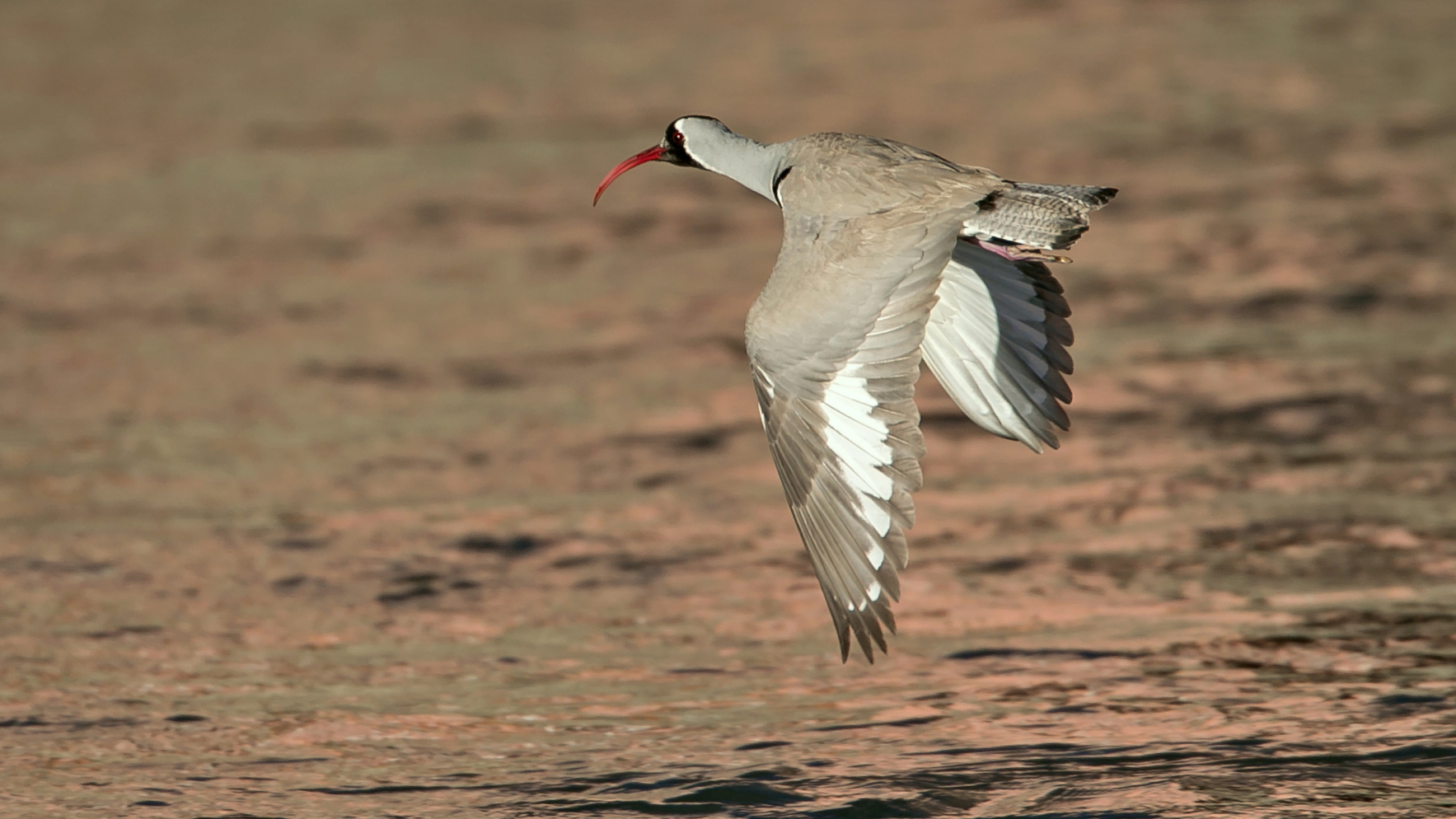
- Stunning Scenery: The lake offers panoramic views of the surrounding Nyenchen Tanglha mountain range, with its snow-capped peaks providing a majestic backdrop to the tranquil blue waters of the lake.
- Spiritual Significance: Namtso is considered a holy site in Tibetan Buddhism. Many pilgrims trek to the lake to perform a kora (a ritual circumambulation) and attend the auspicious events during the Year of the Sheep festival.
- Diverse Wildlife: The area around Namtso is rich in wildlife, including migratory birds such as the Ruddy Shelduck and the Black-necked Crane, as well as other species like the Tibetan antelope and the wild yak.
- Photography Paradise: The clear skies and the vast, open landscape make Namtso a favorite spot for photographers looking to capture the natural beauty and ethereal qualities of the Tibetan landscape.
- Trekking and Adventure: For adventure seekers, the lake is a starting point for numerous trekking routes that explore the rugged terrain and remote areas of northern Tibet.
- Flora and Fauna: The lake's shores are dotted with a variety of alpine flowers and plants, adding bursts of color to the landscape during the blooming season.
- Cultural Encounters: Visitors have opportunities to interact with the nomadic herders who live in the region and maintain their traditional way of life, providing a glimpse into the cultural heritage of Tibet.
- Astounding Night Skies: The high altitude and clear atmosphere allow for some of the most spectacular night sky viewing, with countless stars and the Milky Way clearly visible to the naked eye.
Namtso Lake is more than just a destination; it's an experience that encompasses the beauty, spirituality, and rugged nature of Tibet. It invites travelers to immerse themselves in its serene waters and pristine surroundings, offering a moment of peace and reflection amidst one of the most breathtaking landscapes on Earth. Whether you're seeking spiritual solace, photographic opportunities, or adventurous treks, Namtso Lake is a destination that promises to leave you awe-inspired.
Yarlung Tsangpo Grand Canyon
Yarlung Tsangpo Grand Canyon, also known as the Brahmaputra Canyon, is recognized as one of the deepest and longest canyons in the world. Carved by the Yarlung Tsangpo River, this magnificent canyon is not only a geological wonder but also a hotspot for biodiversity and an enchanting destination for nature lovers and adventurers exploring Tibet.
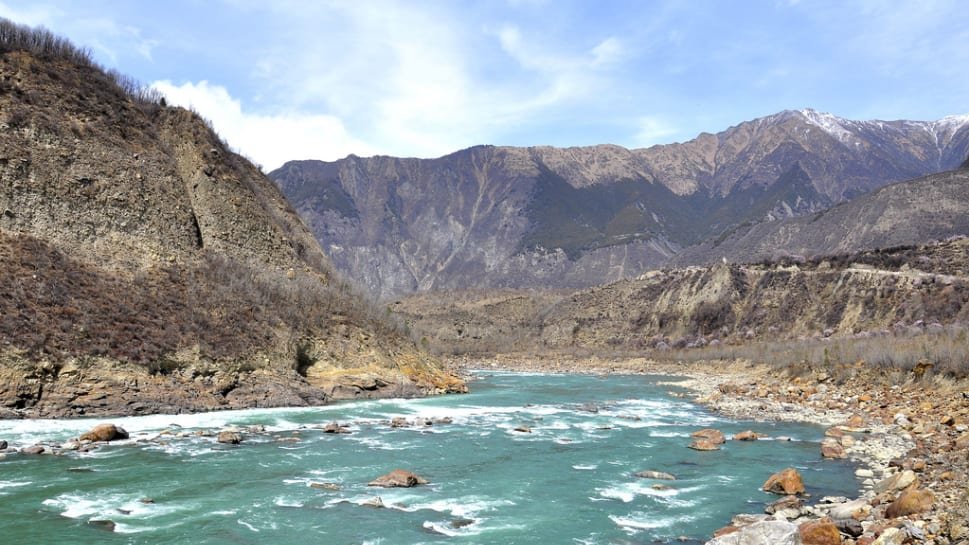
- Incredible Depth and Length: Stretching over 504 kilometers and reaching depths of more than 6,000 meters, the canyon presents some of the most dramatic and spectacular landscapes in Tibet.
- Rich Biodiversity: The canyon's varied climates and isolated terrain foster a diverse array of plant and animal life, making it a vital area for conservation and natural studies.
- Cultural Significance: The Yarlung Tsangpo is believed to be the site of the mythical Shangri-La and holds great spiritual importance to the local communities. Numerous ancient monasteries and sites of worship dot its banks, adding a rich cultural layer to its natural beauty.
- Adventure Tourism: The canyon's challenging terrain and remote location make it ideal for adventure tourism, including hiking, mountaineering, and river sports.
- Unique Flora and Fauna: From lush subtropical forests at lower altitudes to sparse high-altitude meadows, the canyon supports a wide range of ecosystems. Rare species such as the red panda and the snow leopard are among the notable inhabitants.
- Photographic Opportunities: With its breathtaking vistas and ever-changing landscapes, the canyon is a paradise for photographers looking to capture the raw, untouched beauty of Tibet.
- River Rafting and Kayaking: The Yarlung Tsangpo River offers some of the most thrilling white-water rafting and kayaking experiences in Asia, attracting enthusiasts from around the world.
- Accessible Exploration: Despite its vastness and remote location, parts of the canyon are surprisingly accessible, allowing for more in-depth exploration and appreciation of this natural wonder.
The Yarlung Tsangpo Grand Canyon is not just a destination; it's an awe-inspiring journey through some of the most majestic and untamed landscapes on Earth. It offers a profound sense of scale and beauty, challenging the adventurous, delighting the curious, and inspiring all who visit. This canyon is a testament to the natural wonders that still exist in the world, waiting to be explored and preserved.
Lhalu Wetland National Nature Reserve
Lhalu Wetland National Nature Reserve, situated on the northern outskirts of Lhasa, Tibet, is one of the highest-altitude wetlands in the world. This unique nature reserve plays a vital role in the environmental and ecological landscape of the region, serving as a key sanctuary for wildlife and a natural filter for the urban environment of Lhasa.
- Environmental Importance: The wetland acts as a crucial buffer zone that helps in regulating the climate, filtering pollutants, and preventing flooding in the surrounding areas.
- Biodiversity Hub: Lhalu Wetland is home to a diverse range of flora and fauna, including several rare and endangered species. It provides a critical habitat for birds such as the Black-necked Crane and the Ruddy Shelduck, especially during migration periods.
- Cultural Significance: The wetland is deeply intertwined with the local culture and spirituality. It is considered a sacred site by the local Tibetan community, which adds an additional layer of responsibility towards its conservation.
- Educational and Research Opportunities: The reserve serves as a living laboratory for scientific research and education related to high-altitude wetland ecosystems, climate change, and environmental protection.
- Urban Green Space: As an urban wetland, Lhalu provides a much-needed green space for the residents of Lhasa, offering opportunities for recreation, education, and spiritual reflection within the bustling city.
- Ecotourism Development: Efforts have been made to develop ecotourism in a sustainable manner within the reserve, providing visitors with guided tours and educational walks that highlight the importance of wetland conservation.
- Photography and Bird Watching: For nature photographers and bird watchers, the reserve is a paradise, offering stunning landscapes filled with a variety of wildlife and panoramic views of the distant mountains.
- Conservation Efforts: Continuous efforts are being made to protect and restore the wetland to ensure its ecological functions are maintained. These efforts are crucial for the survival of many species and the overall health of the local environment.
Lhalu Wetland National Nature Reserve is a testament to the natural beauty and ecological importance of wetlands, particularly those in high-altitude regions like Tibet. As a sanctuary for wildlife and a natural asset for the city of Lhasa, Lhalu not only supports biodiversity but also enhances the quality of life for the local community. It stands as a symbol of the balance between urban development and natural preservation, emphasizing the need for continued conservation and respectful engagement with our natural environments.
Potala Palace
The Potala Palace, once the winter residence of the Dalai Lamas and a defining symbol of the city of Lhasa, is not only a masterpiece of Tibetan architecture but also a lesser-known haven for urban wildlife. Perched atop Marpo Ri hill, this majestic structure offers more than just historical and spiritual insights; it provides a unique ecosystem that supports various bird species and urban flora.
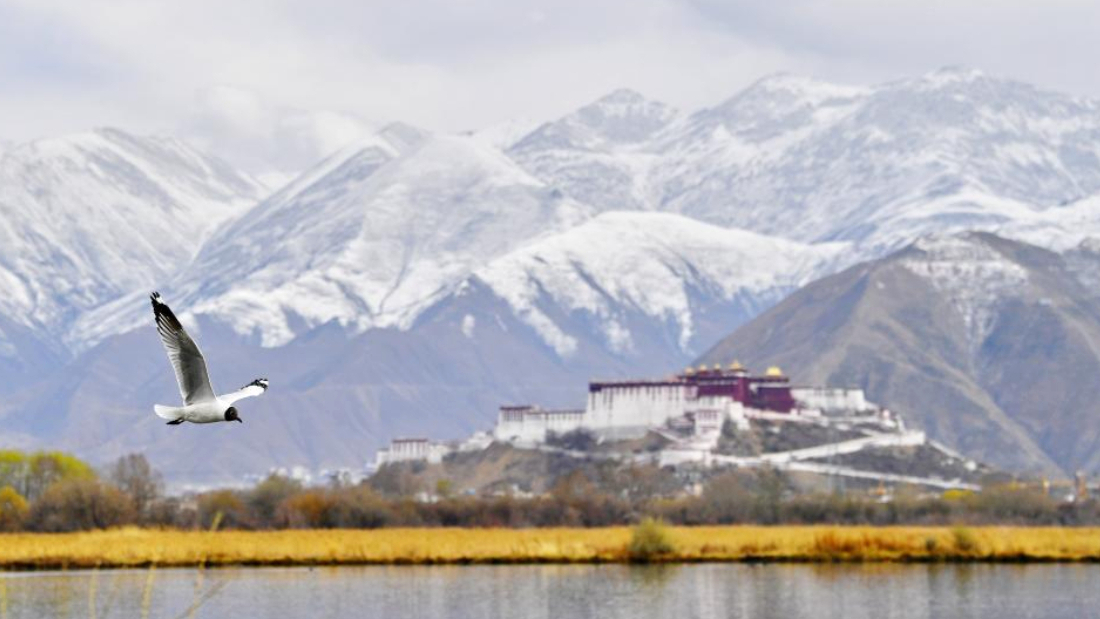
- Architectural Marvel: The palace is an architectural wonder, consisting of the White Palace and the Red Palace, along with its ancillary buildings. The complex is a superb example of Tibetan craftsmanship and has been a UNESCO World Heritage site since 1994.
- Cultural Significance: Serving as the chief residence of the Dalai Lama until the 14th Dalai Lama's exile, the Potala Palace is a central part of Tibet’s religious and cultural history.
- Urban Wildlife Sanctuary: Despite its urban location, the Potala Palace's gardens and the rugged terrain around it attract various bird species like the House Sparrow and the Common Swift, making it an unexpected spot for bird watching.
- Rich History: Each hall and chapel within the palace walls tells a story, filled with art, tapestries, murals, and intricate statues that chronicle Tibet's Buddhist culture and the lineage of the Dalai Lamas.
- Panoramic Views: The palace's elevation provides breathtaking views of Lhasa and the surrounding mountains, offering a scenic backdrop that enhances its mystical allure.
- Spiritual Hub: The site remains a spiritual place for Tibetan Buddhists, featuring numerous temples and stupas that continue to be places of worship and pilgrimage.
- Photography Opportunity: Its grandeur and distinctive red and white walls make the Potala Palace a spectacular photography subject, capturing the essence of Tibetan culture against the Himalayan landscape.
- Educational Visits: Guided tours available at the palace provide insights into Tibet's history, culture, and the architectural significance of the palace, making it a rich educational experience for visitors.
The Potala Palace stands as a beacon of Tibetan culture, history, and spirituality, enriched with a natural environment that fosters urban biodiversity. This iconic structure is not just a palace but a vibrant ecosystem that offers a unique blend of natural and cultural treasures. Visitors leave with a deeper appreciation of Tibet’s heritage, the architectural genius of the Tibetan people, and a surprising connection to nature found within the bustling city of Lhasa.
Shannan Prefecture
Shannan Prefecture, located in the southeastern part of the Tibet Autonomous Region, is often regarded as the cradle of Tibetan civilization. This region is not only significant for its profound historical and cultural heritage but also for its diverse natural landscapes that offer a variety of ecological and wildlife exploration opportunities.
- Birthplace of Tibetan Culture: Shannan is reputed to be the origin of Tibetan culture, housing ancient ruins, monasteries, and relics that date back to the inception of Tibetan history.
- Varied Ecosystems: The prefecture's lower altitude compared to much of Tibet allows for a more diverse range of flora and fauna, providing rich habitats for numerous species.
- Yumbulagang Palace: Considered the first palace in Tibet's history, Yumbulagang is an architectural and historical marvel that offers insight into the early days of the region’s past.
- Samye Monastery: The oldest monastery in Tibet, located in Shannan, represents the introduction of Buddhism to the region and is a pivotal site for Tibetan spirituality.
- Tsetang Town: Known as the gateway to Shannan, Tsetang offers a mix of modern amenities and cultural sites, making it an ideal base for exploring the surrounding areas.
- Breathtaking Landscapes: From the fertile valleys of the Yarlung River to the rugged peaks that outline the horizon, Shannan's landscapes are as varied as they are stunning.
- Bird Watching and Wildlife Tours: The diverse ecosystems support a variety of wildlife, making Shannan a fantastic location for bird watching and nature tours.
- Cultural Festivals: The region is known for its vibrant local festivals, which showcase the rich traditions, music, dance, and costumes of the Tibetan people.
Shannan Prefecture embodies the heart and soul of Tibet’s ancient civilization and presents a unique blend of cultural heritage and natural beauty. This region offers everything from historical explorations at ancient sites to nature walks through lush landscapes and spiritual journeys in age-old monasteries. For anyone looking to delve deeper into the essence of Tibetan culture while enjoying the serene beauty of its natural environment, Shannan Prefecture is a destination that should not be missed.
Best time For Bird Watching in Tibet
The best time for bird watching in Tibet largely depends on the specific regions you plan to visit and the types of birds you hope to observe. However, the general guidelines below can help you plan an optimal bird-watching trip across various locations in Tibet:
Spring (April to June)
- Ideal for Early Migrants: Spring is a vibrant time for bird watching as many species return from their winter migrations. The weather is also warming up, making it more comfortable for travel and outdoor activities.
- Key Locations: Areas like the Yarlung Tsangpo Grand Canyon and Lhalu Wetland National Nature Reserve come to life during spring with an influx of bird species setting up territories and beginning to nest.
Summer (July to August)
- Peak Birding Season: This is when the highest diversity of birds can be observed, especially in wetland areas and lakes where water levels are optimal for breeding birds.
- Key Locations: Namtso Lake and other high-altitude lakes are excellent during this time, as waterbirds are particularly active. The Qinghai-Tibet Plateau also hosts numerous species that are easier to spot in the less snowy landscape.
Autumn (September to November)
- Migration Period: Autumn is another fantastic season for bird watching as many species begin their migration southward. This period offers a chance to see a different set of migratory birds not present during the spring.
- Key Locations: The Potala Palace gardens and the Shannan Prefecture provide strategic points to observe the departing migratory species, including some high-altitude and rare birds.
Winter (December to March)
- For the Hardy Birder: Winter in Tibet is harsh, with many areas experiencing heavy snowfall and freezing temperatures. However, for the dedicated bird watcher, this time can also be rewarding.
- Key Locations: The Qinghai-Tibet Plateau still hosts some resilient species adapted to the cold, such as the Tibetan Partridge and Snowcock. Additionally, the Lhalu Wetland National Nature Reserve might still offer sightings of overwintering birds that are accustomed to the extreme conditions.
By timing your visit according to these seasonal insights and choosing the right locations, you can maximize your bird-watching experience in Tibet, enjoying the rich avian diversity this high-altitude region has to offer.
Essential Tips for Bird Watching in Tibet
Bird watching in Tibet can be a profoundly rewarding experience given the region's unique ecosystems and the rare species they support. However, due to the challenging conditions and remote locations, it's crucial to prepare adequately. Here are some essential tips for bird watching in the top places of Tibet:
- Acclimate to High Altitude: Many of Tibet's prime bird-watching locations are at high altitudes. Take time to acclimate to avoid altitude sickness. Consider spending a few days in Lhasa or another lower-altitude area before venturing into higher regions.
- Hire a Local Guide: A local guide with expertise in both bird watching and the specific regional conditions of Tibet can enhance your experience. They can help you identify species, understand local customs, and navigate remote areas safely.
- Pack Appropriately: Weather in Tibet can be unpredictable. Dress in layers and include waterproof and windproof gear. Don’t forget essential bird watching equipment like binoculars, a field guide, and a high-quality camera with a good zoom lens.
- Respect Wildlife and Local Customs: Always maintain a safe and respectful distance from wildlife. Avoid disturbing birds, especially during nesting season. Also, be mindful of local cultural norms and traditions.
- Plan Your Visit During Optimal Seasons: Timing your visit can make a big difference in what you'll see. Spring and autumn are generally the best times for bird watching in Tibet, as these are the migration periods for many species.
- Check Accessibility and Permits: Some areas in Tibet require special permits for access, especially if they are near border areas or are ecologically sensitive zones. Ensure you have all necessary permissions and passes to avoid any legal issues.
- Use a High-Quality Optics: The expansive landscapes of Tibet mean that birds may often be seen from a distance. Invest in a good pair of binoculars and a spotting scope to enhance your viewing opportunities.
- Stay Hydrated and Protected from the Sun: The high altitude and intense sun exposure can be deceptive. Drink plenty of water, use sunscreen liberally, and wear a hat to protect yourself from UV rays.
- Keep a Journal: Keeping a record of your sightings can be very rewarding and useful for any birder. Note the species seen, the time, location, and any interesting behaviors you observe.
- Be Prepared for the Unexpected: Roads in remote areas can be unpredictable, and weather conditions can change rapidly. Have a flexible itinerary and be prepared with emergency supplies, including a first aid kit, extra food, and water.
Following these tips will help ensure that your bird watching trip to Tibet is not only successful in terms of the species you encounter but also enjoyable and safe.
Tibet offers an exceptional bird watching experience that is as enriching as it is diverse. From the high-altitude plains of the Qinghai-Tibet Plateau to the serene waters of Namtso Lake and the deep gorges of the Yarlung Tsangpo, each location presents a unique opportunity to observe some of the world's most fascinating bird species in their natural habitats. Preparing adequately by acclimatizing to the altitude, respecting local wildlife and customs, and timing your visit to coincide with peak birding seasons are all crucial for making the most of your experience. With the right preparation and mindset, bird watching in Tibet can provide not only a glimpse into the region's rich biodiversity but also a profound connection to its majestic natural landscapes. This journey into the heart of Tibet's wilderness is sure to leave bird enthusiasts and nature lovers with memories that will last a lifetime.
FAQs for the Top Places for Bird Watching in Tibet
Q: What is the best time of year for bird watching in Tibet?
A: The optimal periods are spring (April to June) and autumn (September to November) when migratory birds pass through the area.
Q: Do I need any special permits for bird watching in certain areas of Tibet?
A: Yes, particularly in protected and border areas. Ensure you have the necessary permissions to access these regions.
Q: What are some of the must-visit bird watching spots in Tibet?
A: Key locations include the Qinghai-Tibet Plateau, Namtso Lake, Yarlung Tsangpo Grand Canyon, Lhalu Wetland National Nature Reserve, and the gardens around Potala Palace.
Q: What types of birds can I expect to see in Tibet?
A: Look for species adapted to high altitudes like the Tibetan Sandgrouse, Black-necked Crane, Ruddy Shelduck, and various migratory waterfowl.
Q: Are there guided bird watching tours available in Tibet?
A: Yes, there are several guided tours that can provide expert insights, local knowledge, and logistical support.
Q: What gear should I bring for bird watching in Tibet?
A: Essential items include binoculars, a camera with a zoom lens, weather-appropriate clothing, and sun protection gear.
Q: How can I ensure my safety while bird watching in remote areas of Tibet?
A: Always travel with a knowledgeable guide, stay updated on weather conditions, and carry emergency supplies including a first aid kit.
Q: Can I participate in bird conservation efforts while in Tibet?
A: Engage in conservation by joining educational programs, supporting local initiatives, and practicing responsible wildlife watching.
Q: What cultural considerations should I keep in mind while bird-watching in Tibet?
A: Show respect for local customs, seek permissions for private or sacred areas, and be mindful when photographing people.
Q: Are there any specific health concerns I should be aware of while bird-watching in high altitudes?
A: Be aware of high-altitude risks such as acute mountain sickness. Acclimatize appropriately, hydrate regularly, and consult with a healthcare provider if you have pre-existing health conditions.