- Understanding Bhutan's Unique Tourism Landscape
- Bhutan Tours: Comfort and Cultural Immersion
- Bhutan Trekking: Adventure and Natural Wilderness
- Comparing Costs and Value for Money
- Physical Demands and Accessibility Factors
- Time Investment and Itinerary Flexibility
- Choosing Your Perfect Bhutan Adventure
- Conclusion
Bhutan offers two distinct ways to experience the Last Shangri-La: comfortable cultural tours and challenging mountain treks. This guide is for adventure travelers who are trying to decide between Bhutan tours and trekking options that best match their travel style and fitness level.
Both experiences showcase Bhutan's stunning Himalayan landscapes and rich Buddhist culture, but they differ dramatically in physical demands, costs, and what you'll actually see and do. We'll break down the key differences between cultural tours and wilderness trekking, compare what you get for your money, and help you figure out which adventure fits your abilities and travel goals.
By the end, you'll know exactly which Bhutan experience will give you the trip of a lifetime.
Understanding Bhutan's Unique Tourism Landscape
Gross National Happiness Philosophy and Its Impact on Travel Experiences
Bhutan stands alone among nations by measuring progress through Gross National Happiness rather than traditional economic indicators. This Buddhist-inspired philosophy shapes every aspect of your travel experience, from how locals interact with visitors to the preservation of cultural sites you'll explore.
The four pillars of GNH - environmental conservation, cultural preservation, good governance, and sustainable development - create a travel environment unlike anywhere else. You'll notice pristine forests covering over 70% of the country, traditional architecture maintained by law, and communities that prioritize spiritual well-being over material wealth. This translates to authentic interactions with locals who aren't solely focused on tourism revenue but genuinely interested in sharing their way of life.
Your accommodations, whether luxury hotels or mountain lodges, operate under strict environmental guidelines. Many properties use traditional building methods, solar power, and locally sourced materials. Cultural sites remain active spiritual centers rather than tourist attractions, meaning you'll often share spaces with practicing Buddhists engaged in prayer and meditation.
High Value, Low Impact Tourism Policy Explained
Bhutan deliberately limits visitor numbers through its "High Value, Low Impact" policy, creating an exclusive travel destination that protects both culture and environment. This approach means you won't encounter overcrowded attractions, damaged trails, or commercialized cultural sites that plague many popular destinations.
The policy restricts annual visitor numbers to around 60,000-80,000 tourists, compared to millions in neighboring countries. This limitation ensures that tourism revenue supports local communities without overwhelming them or their traditions. You'll find yourself among small groups of travelers, often receiving personalized attention from guides and experiencing genuine cultural exchanges.
Local communities benefit directly from tourism through employment as guides, drivers, cooks, and lodge operators. The government mandates that tour operators use local services, keeping tourism revenue within communities rather than flowing to international corporations.
Sustainable Daily Fee Structure and What It Includes
Bhutan's Sustainable Development Fee (SDF) of $200 per person per day might seem steep, but it covers significant value while funding the country's conservation efforts. This fee replaces the previous "high value, low impact" minimum daily package rate system, offering more flexibility in trip planning.
The SDF contributes to free healthcare and education for all Bhutanese citizens, environmental conservation projects, and infrastructure development in remote areas. Your fee directly supports carbon-neutral initiatives, forest preservation, and cultural heritage protection programs.
Beyond the SDF, your daily expenses typically include:
- Licensed guide services
- Private transportation
- Accommodation ranging from boutique hotels to luxury lodges
- Three meals daily featuring traditional and international cuisine
- Entry permits to all monuments and national parks
- Government taxes and permits
Tour operators can arrange various accommodation levels, from budget-friendly guesthouses to premium resorts, allowing you to customize your experience while maintaining the sustainable tourism model.
Best Seasons for Visiting Bhutan
Spring (March-May) offers the most spectacular experience for cultural tours and moderate trekking. Rhododendrons bloom across mountain slopes, creating vibrant displays of pink, red, and white flowers. Temperatures are comfortable for sightseeing, ranging from 15-20°C in valleys. This season provides excellent visibility of the Himalayan peaks and coincides with several colorful festivals.
Autumn (September-November) delivers crystal-clear mountain views and perfect trekking conditions. Post-monsoon skies reveal stunning panoramas of snow-capped peaks, including glimpses of Mount Everest on clear days. Temperatures are crisp but comfortable, ideal for both cultural exploration and challenging high-altitude treks. This season sees the most stable weather patterns.
Summer monsoon (June-August) brings lush green landscapes but heavy rainfall that can disrupt travel plans. While cultural tours remain possible, trekking becomes challenging due to muddy trails, leeches, and limited mountain visibility. However, this season offers the lowest tourist numbers and blooming alpine meadows.
Winter (December-February) provides clear mountain views but cold temperatures, especially at higher elevations. Cultural tours work well in valleys, but high-altitude trekking requires serious cold-weather preparation. Snow may block some mountain passes, limiting trekking options to lower-elevation routes.
Bhutan Tours: Comfort and Cultural Immersion
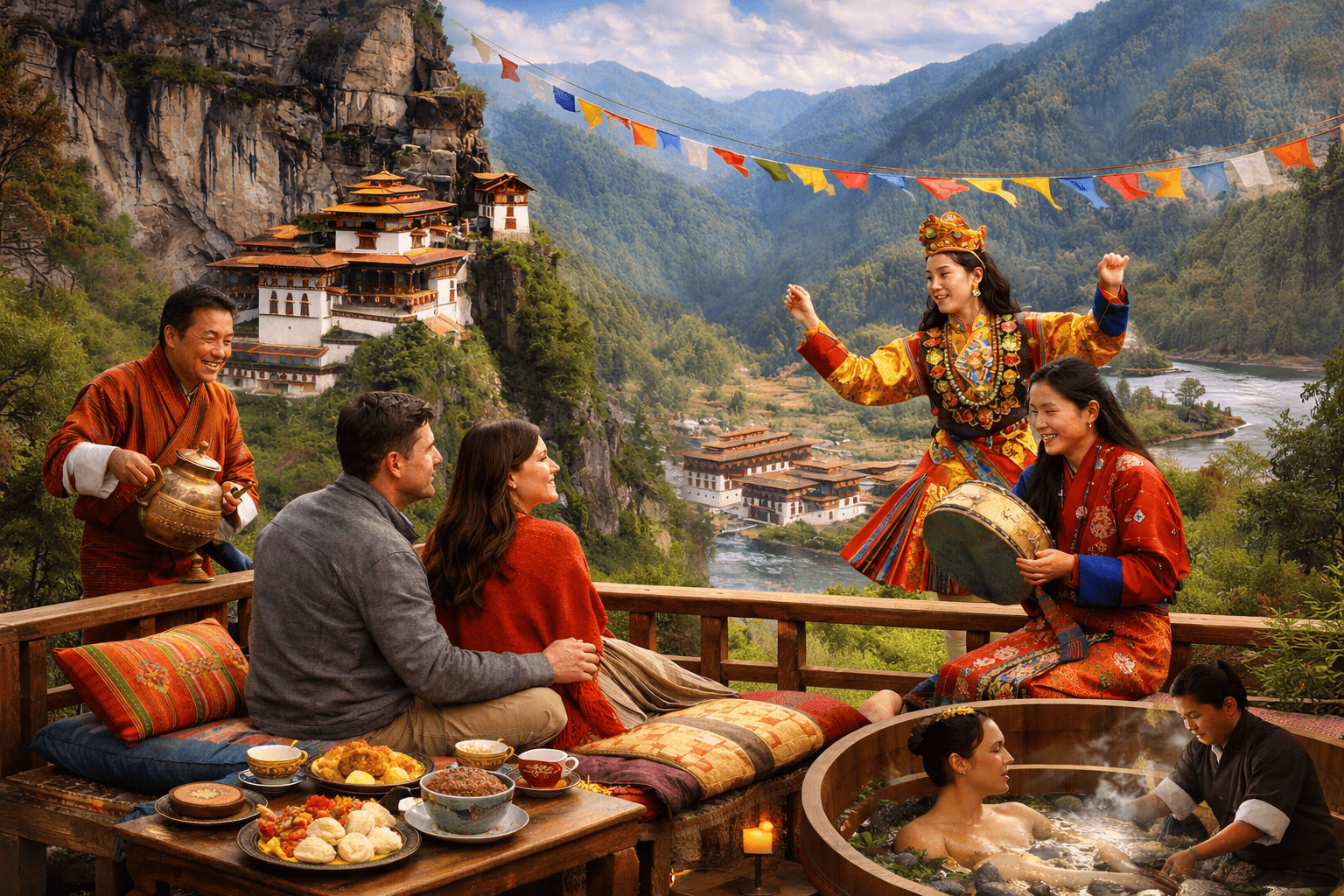
Luxury Accommodations and Premium Amenities Available
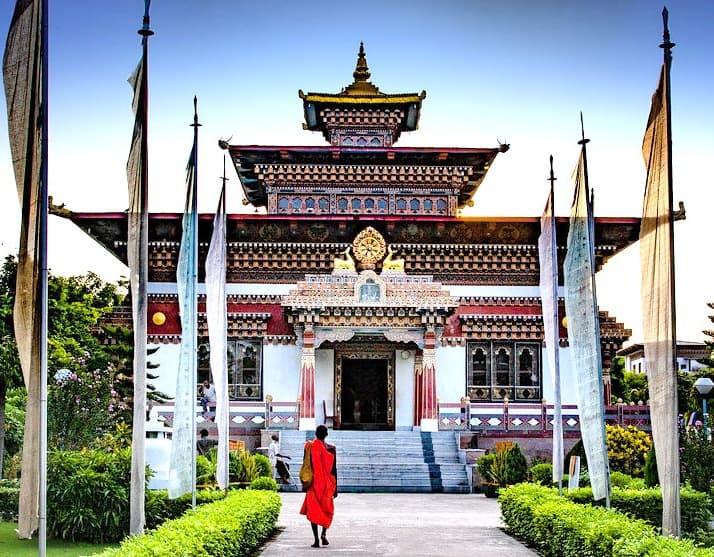
Bhutan's tour operators understand that comfort doesn't have to be sacrificed for authenticity. The kingdom offers an impressive array of luxury hotels and boutique properties that blend traditional Bhutanese architecture with modern conveniences. Many accommodations feature traditional dzong-style buildings with heated floors, spa services, and gourmet restaurants serving both international cuisine and refined Bhutanese dishes.
Premium hotels like Amankora, Six Senses, and COMO Uma Paro provide world-class amenities including private balconies overlooking the Himalayas, traditional hot stone baths, and personalized butler services. Even mid-range properties maintain high standards with comfortable rooms, reliable heating, and knowledgeable staff who can arrange cultural activities and local experiences.
The hospitality extends beyond hotels to include luxury transportation with experienced drivers, private guides fluent in multiple languages, and carefully curated dining experiences that showcase Bhutan's culinary heritage without overwhelming Western palates.
Expert Guided Cultural Experiences and Monastery Visits
Professional guides in Bhutan bring decades of local knowledge and cultural insight that transforms simple sightseeing into meaningful encounters. These certified guides don't just recite historical facts – they share personal stories, explain religious practices, and provide context that helps visitors understand the deeper significance of what they're experiencing.
Monastery visits become particularly enriching with expert guidance. Guides explain the intricate symbolism in religious artwork, the daily routines of monks, and the role these sacred spaces play in Bhutanese society. They can arrange private audiences with senior monks, translate conversations with local practitioners, and help visitors participate respectfully in prayer ceremonies.
Cultural experiences extend to traditional craft workshops where master artisans demonstrate centuries-old techniques for weaving, woodcarving, and metalwork. Guides facilitate meaningful interactions with craftspeople, explaining how these skills are passed down through generations and their importance in preserving Bhutanese identity.
Traditional Festivals and Local Community Interactions
Bhutan's festival calendar offers extraordinary opportunities for cultural immersion that tours can time perfectly. Tshechus (religious festivals) feature elaborate masked dances, colorful costumes, and community celebrations that welcome visitors as honored guests rather than mere spectators.
Tour operators coordinate visits during major festivals like Paro Tshechu or Thimphu Tshechu, securing prime viewing spots and explaining the spiritual significance of each performance. Local families often invite tour groups to share traditional meals during festival times, creating authentic cultural exchanges that go beyond typical tourist experiences.
Community visits in rural villages provide glimpses into daily Bhutanese life. Families welcome visitors into their homes, demonstrate traditional cooking methods, and share stories about their agricultural practices and seasonal customs. These interactions often include participation in daily activities like butter tea preparation, yak herding, or traditional farming techniques.
Photography Opportunities at Iconic Landmarks
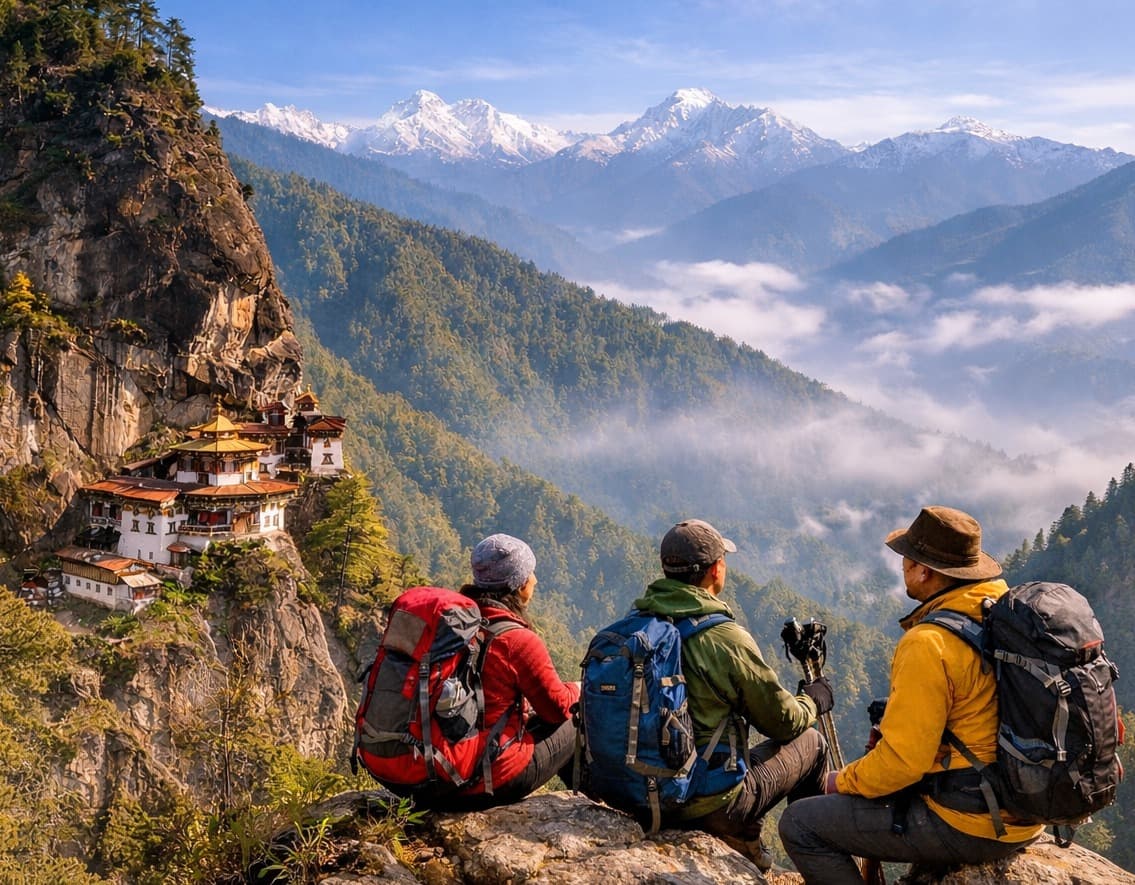
Bhutan's dramatic landscapes and architectural marvels create endless photographic possibilities. Tours provide optimal timing and positioning for capturing iconic shots of Tiger's Nest Monastery clinging to cliffsides, the imposing Punakha Dzong at the confluence of two rivers, and the colorful prayer flags fluttering against mountain backdrops.
Professional tour guides know the best lighting conditions for each landmark and can suggest unique vantage points that avoid crowds. They understand seasonal variations – when rhododendrons bloom, when skies are clearest, and when traditional festivals provide the most vibrant cultural photography opportunities.
Many tours also arrange special access to restricted areas or elevated viewpoints that independent travelers might miss. This includes monastery rooftops, private gardens, and scenic overlooks that require local connections to access. Guides often assist with photography etiquette in religious sites and help arrange portraits with local people who are comfortable being photographed.
Bhutan Trekking: Adventure and Natural Wilderness
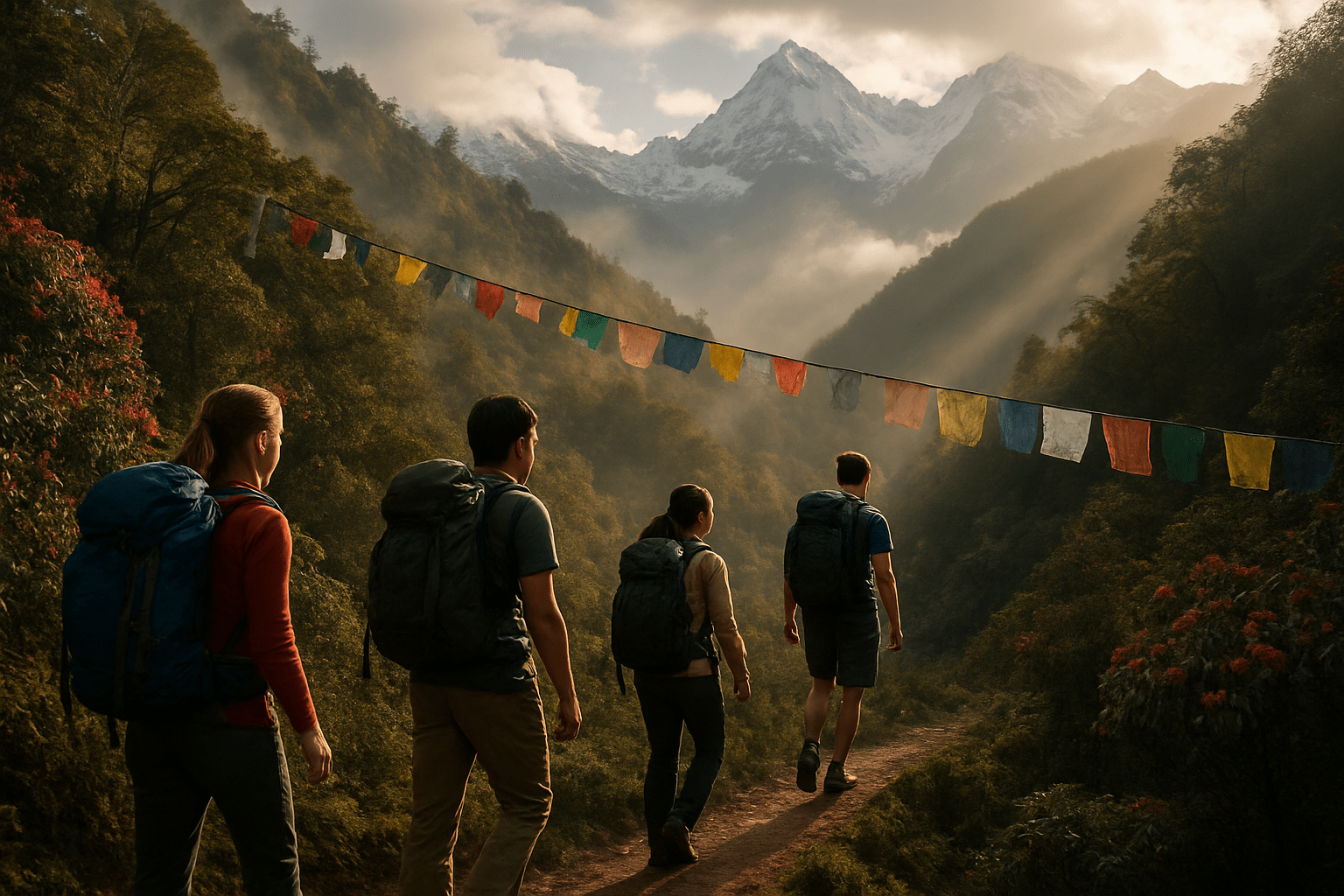
Remote Mountain Trails and Pristine Landscapes
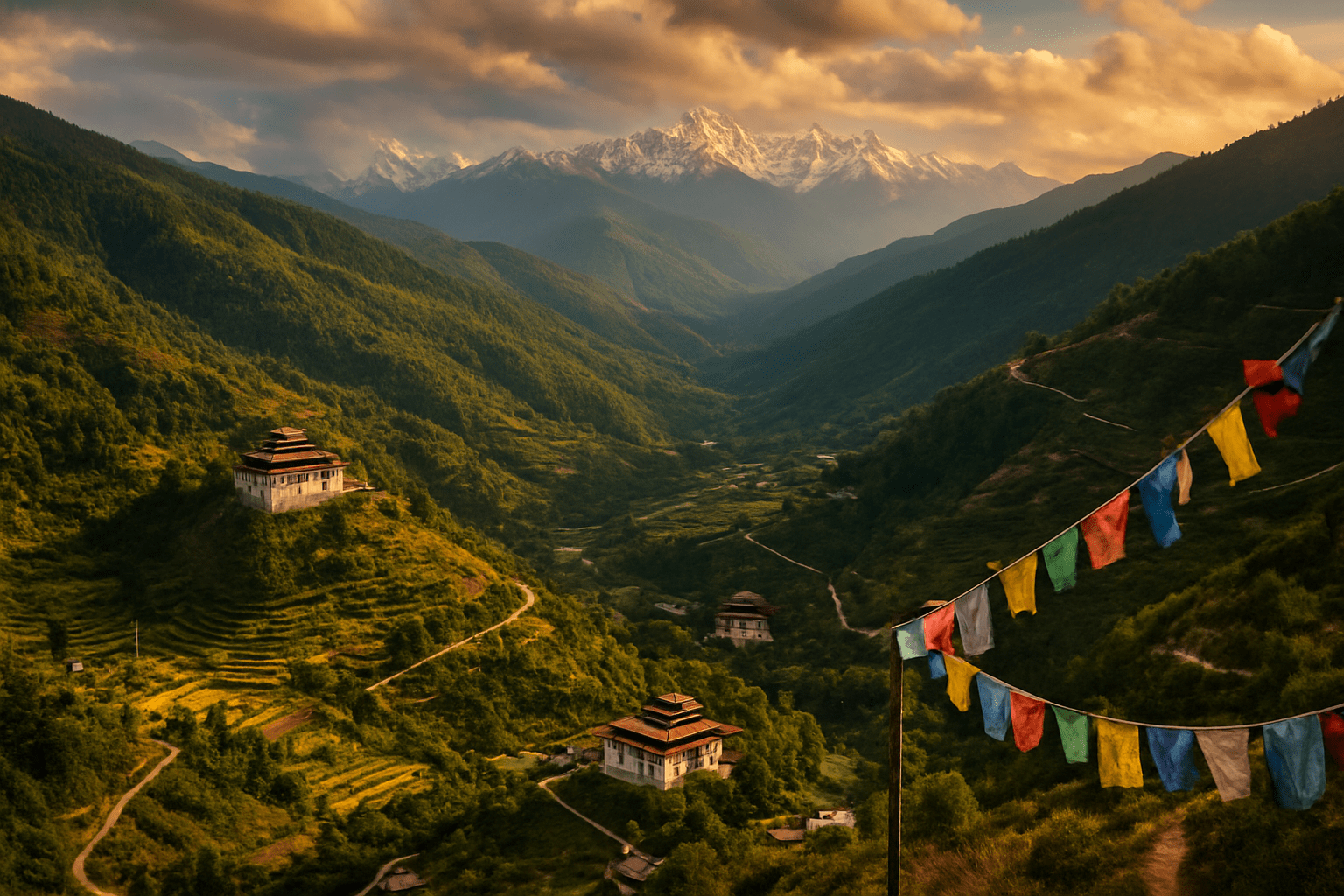
Bhutan's trekking routes wind through some of the world's most untouched mountain wilderness. The trails lead you far from civilization into valleys where prayer flags flutter against snow-capped peaks and ancient forests stretch endlessly. You'll walk paths that have remained unchanged for centuries, crossing high-altitude passes where the air is thin and the views are absolutely breathtaking.
The landscape changes dramatically as you gain elevation. Dense rhododendron forests give way to alpine meadows dotted with blue poppies, Bhutan's national flower. Crystal-clear streams cascade down mountainsides, and glacial lakes reflect the surrounding peaks like mirrors. The silence out here is profound – broken only by the crunch of your boots on rocky trails and the distant call of a Himalayan griffon soaring overhead.
Physical Challenges and Fitness Requirements
Trekking in Bhutan demands serious physical preparation. Most routes involve steep ascents and descents, often gaining thousands of feet in elevation over just a few hours. The altitude hits harder than many expect – even fit hikers find themselves breathing heavily at 12,000 feet and above.
Your cardiovascular fitness needs to be solid before you arrive. Start training at least three months ahead with regular hiking, carrying a weighted backpack. Focus on building endurance rather than speed. Your legs will thank you when you're climbing for six hours straight on loose scree and rocky terrain.
The weather adds another layer of challenge. Mountain conditions change rapidly, and you might face everything from blazing sun to sudden snowstorms in a single day. Your gear needs to handle these extremes while you push through fatigue and altitude effects.
Camping Under Himalayan Skies and Basic Facilities
Forget luxury accommodations – trekking means sleeping in tents pitched on rocky ground or grassy meadows. Your toilet might be a designated spot behind some boulders, and your shower is whatever stream or lake you can find nearby. Hot water comes from a camp stove if you're lucky.
The nights get cold, even in summer. Temperatures can drop below freezing at higher camps, making a quality sleeping bag essential. You'll wake up with frost on your tent and water bottles frozen solid. But watching the sunrise paint the peaks golden while sipping tea from your camp chair makes every discomfort worthwhile.
Meals are simple but hearty – usually rice, dal, and vegetables cooked by your trekking crew over portable stoves. Fresh ingredients become scarce as you get deeper into the wilderness, so expect lots of dried and canned foods.
Wildlife Spotting and Rare Flora Discoveries
Bhutan's mountains hide incredible biodiversity. Blue sheep graze on impossible cliff faces while snow leopards prowl higher ridges (though spotting one requires serious luck). Himalayan black bears forage in the forests, and red pandas play in bamboo groves – if you're quiet and patient enough to see them.
The bird life is spectacular. You might spot blood pheasants scratching through undergrowth or catch a glimpse of the rare white-bellied heron near mountain streams. Golden eagles soar overhead, and tiny mountain finches dart between rocks.
The plant life tells its own story at different elevations. Massive rhododendron trees bloom in spring, creating tunnels of pink and white flowers. Higher up, tiny alpine plants cling to life in rock crevices, their vibrant colors a striking contrast against gray stone. Many medicinal plants grow wild here, some found nowhere else on Earth.
Popular Trekking Routes and Difficulty Levels
The Druk Path Trek ranks as the most popular moderate route, connecting Paro to Thimphu over four to six days. This trail offers stunning lake views and stays mostly above treeline, making it perfect for first-time Bhutan trekkers who want spectacular scenery without extreme difficulty.
For serious hikers, the Snowman Trek presents one of the world's most challenging high-altitude adventures. This 25-day epic crosses multiple passes above 16,000 feet and requires exceptional fitness and experience. Weather can shut down the route without warning, and many attempts end early due to snow or altitude sickness.
The Jomolhari Trek strikes a nice balance – challenging but manageable for fit hikers. You'll camp beneath Bhutan's sacred mountain and cross the high Nyile La pass. The seven-day route showcases diverse landscapes from forests to glacial valleys.
| Trek Name | Duration | Difficulty | Max Altitude | Best Season |
| Druk Path | 4-6 days | Moderate | 14,100 ft | Mar-May, Sep-Nov |
| Jomolhari | 7-9 days | Challenging | 16,400 ft | Apr-Jun, Sep-Oct |
| Snowman | 22-25 days | Extreme | 17,100 ft | Sep-Oct only |
The Laya-Gasa Trek offers cultural immersion alongside mountain adventure, passing through traditional villages where people maintain ancient lifestyles. This route works well for trekkers who want both wilderness and cultural experiences without the extreme altitude of other routes.
Comparing Costs and Value for Money

Tour package pricing versus trekking expedition costs
Bhutan's government-set sustainable development fee creates a baseline cost for all visitors, but the actual expenses differ significantly between tours and trekking adventures. Standard cultural tours typically range from $250-400 per person per day, covering accommodation, meals, transportation, and guide services. These packages often include comfortable hotels, restaurant dining, and private vehicles with drivers.
Trekking expeditions command higher prices, usually starting around $350-500 per person per day. The premium reflects specialized equipment, camping gear, experienced trekking guides, porters, and the logistical complexity of mountain operations. Popular treks like the Snowman Trek or Druk Path can exceed $600 daily due to their remote locations and extended duration.
Budget-conscious travelers might consider that tours offer better value for cultural experiences, visiting multiple dzongs, monasteries, and festivals efficiently. Trekking provides exceptional value for nature enthusiasts seeking pristine wilderness access and physical challenges unavailable elsewhere.
Hidden expenses and budget planning considerations
Beyond the daily sustainable development fee, several additional costs catch travelers off guard. International flights to Paro Airport are expensive due to limited airline options and seasonal demand fluctuations. Expect $800-2,000 for flights from major Asian cities.
Travel insurance becomes crucial for trekking adventures, with specialized high-altitude coverage costing $100-300 extra. Standard policies rarely cover helicopter evacuations from remote mountain locations above 4,000 meters.
Equipment rental or purchase adds substantial costs for trekkers. Quality sleeping bags rated for sub-zero temperatures, waterproof boots, and technical clothing can cost $200-500 if not owned. Some tour operators include basic gear, but serious trekkers prefer personal equipment.
Tips for guides, drivers, and porters represent significant expenses often overlooked in initial budgets. Expect $10-15 daily per guide for tours, while trekking crews may require $20-30 daily total across multiple staff members.
Visa fees ($40 for most nationalities) and airport taxes ($20-30) seem minor but add up for families. Shopping for traditional handicrafts, textiles, and local products can easily consume $200-500, depending on personal interests.
Group versus individual travel options
Group tours offer substantial cost savings through shared expenses and economies of scale. Standard group sizes of 6-12 people can reduce daily costs by 20-40% compared to private arrangements. Shared transportation, guide fees, and accommodation bookings distribute fixed costs efficiently.
Private tours provide complete flexibility and personalized experiences at premium prices. Couples or small families gain intimate cultural interactions and customized itineraries, but pay significantly more. Solo travelers face the highest per-person costs since many expenses remain fixed regardless of group size.
Trekking groups typically range from 4-8 participants, balancing cost efficiency with manageable logistics. Larger groups create challenges on narrow mountain trails and at basic campsites with limited facilities. Private trekking expeditions suit experienced adventurers seeking specific routes or timing but carry substantial cost premiums.
Mixed approaches work well for many visitors - joining cultural tours in towns and cities while arranging private trekking adventures. This strategy optimizes costs while maintaining desired experiences. Some operators offer semi-private options where 2-4 travelers share guides and transportation while maintaining smaller group dynamics.
Budget planning should account for group deposit requirements, typically 25-50% of total costs paid months in advance. Cancellation policies vary significantly between operators, making travel insurance even more valuable for expensive Bhutan adventures.
Physical Demands and Accessibility Factors
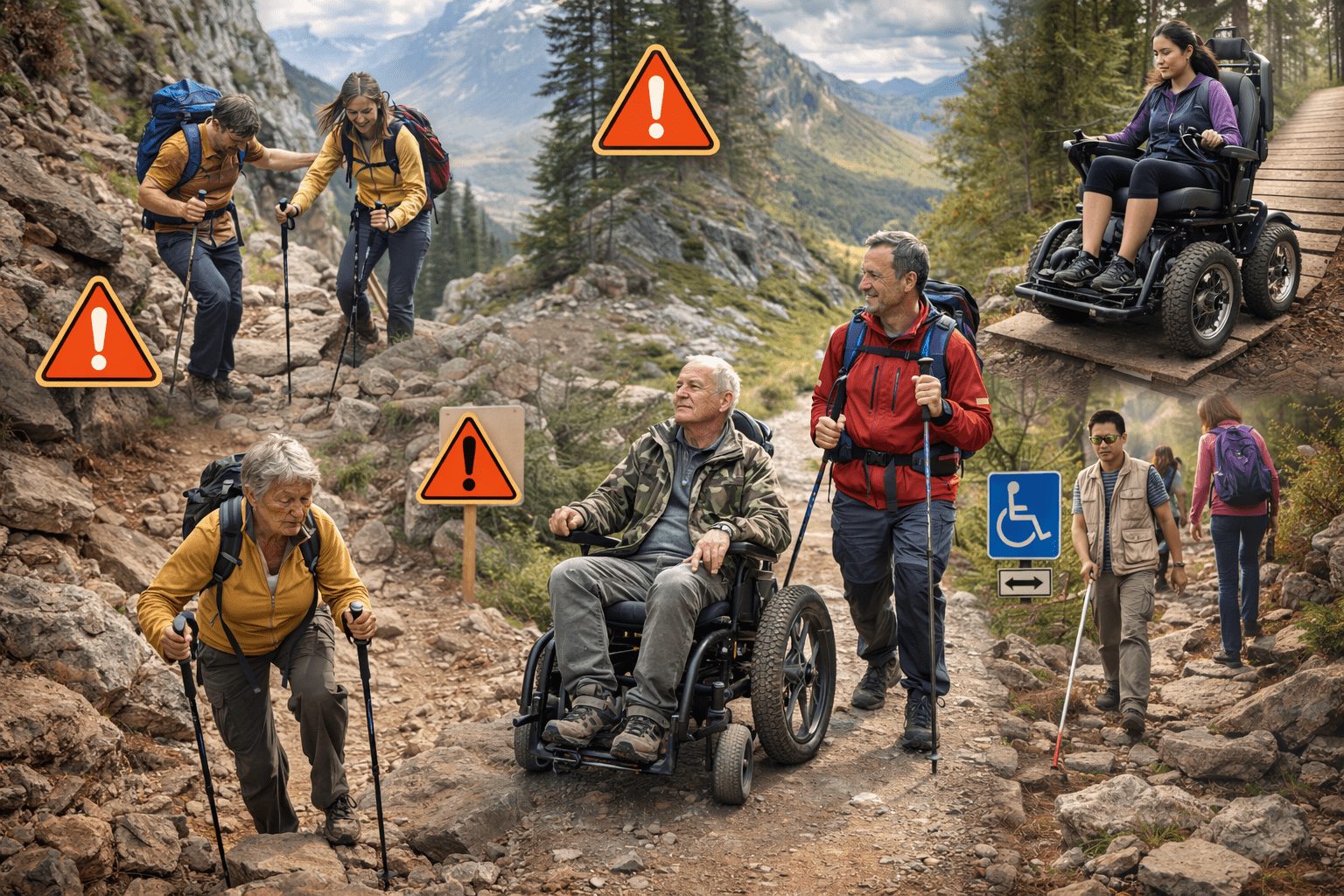
Age and Fitness Requirements for Each Option
Bhutan Tours welcome travelers of virtually all ages and fitness levels. Most cultural tours involve minimal walking - perhaps a few hours per day exploring dzongs, monasteries, and markets. The pace stays leisurely, with comfortable transportation between destinations and plenty of rest stops. Seniors in their 70s and 80s regularly enjoy these tours, as do families with young children. The most physically demanding activity might be climbing stairs to reach certain temples or viewpoints, but alternatives exist for those with mobility limitations.
Bhutan Trekking demands significantly higher physical preparation. Popular routes like the Druk Path Trek require 6-8 hours of daily hiking across uneven terrain, steep ascents, and rocky paths. Trekkers should comfortably walk for extended periods while carrying a daypack. Most trekking companies recommend participants be under 65 and maintain regular exercise routines. The Snowman Trek, Bhutan's most challenging route, requires exceptional fitness levels and previous high-altitude trekking experience.
Altitude Considerations and Acclimatization Needs
Tours typically stay below 3,000 meters in elevation, with most destinations ranging from 1,200 to 2,500 meters. Thimphu sits at 2,320 meters, and Paro at 2,280 meters - altitudes that rarely cause serious altitude sickness. Most visitors experience only mild symptoms like slight headaches or fatigue during their first day or two.
Trekking adventures venture much higher, with many routes crossing passes above 4,000 meters. The Druk Path reaches 4,210 meters at its highest point, while the Snowman Trek soars to 5,320 meters at Rinchen Zoe La Pass. Proper acclimatization becomes critical - most treks include rest days and gradual altitude gains. Trekkers must recognize altitude sickness symptoms and carry appropriate medications.
Equipment and Gear Necessities
Tours require minimal specialized equipment:
- Comfortable walking shoes (not hiking boots)
- Layered clothing for temperature variations
- Sun protection and basic rain gear
- Camera and personal items
- Any prescription medications
Trekking demands comprehensive gear lists:
- Quality hiking boots (broken in beforehand)
- Four-season sleeping bag rated for sub-zero temperatures
- Waterproof jacket and pants
- Insulation layers and thermal underwear
- Trekking poles for stability
- Headlamp and backup batteries
- Water purification tablets or a UV sterilizer
- First aid kit including altitude sickness medication
- High-SPF sunscreen and glacier glasses
Most trekking companies provide tents, cooking equipment, and pack animals, but personal gear remains each trekker's responsibility.
Time Investment and Itinerary Flexibility
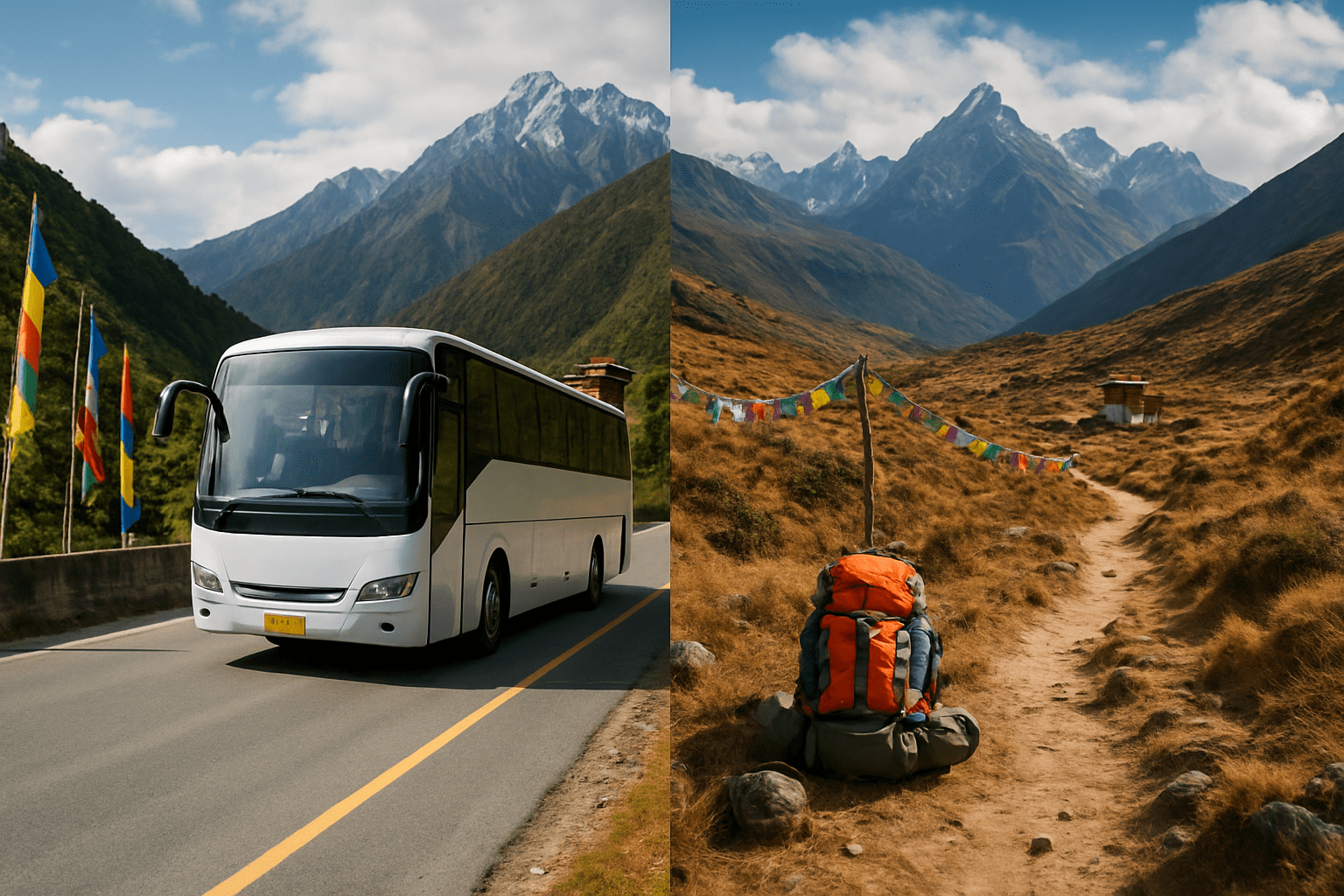
Minimum duration requirements for meaningful experiences
Cultural tours in Bhutan work well with shorter timeframes, typically requiring 5-7 days to cover major highlights like Thimphu, Paro, and Punakha. You can experience essential cultural sites, interact with locals, and witness traditional festivals within this window. Most tour operators recommend at least 6 days to avoid feeling rushed while moving between valleys.
Trekking adventures demand significantly more time commitment. Popular routes like the Jomolhari Base Camp Trek require 8-9 days, while the famous Snowman Trek extends to 23-25 days. Even shorter treks like the Druk Path need 5-6 days. These durations include acclimatization time, rest days, and buffer periods for weather delays.
The "sweet spot" for first-time visitors combines both experiences: 10-12 days, allowing 5-6 days of cultural touring followed by a moderate trek, or vice versa. This approach provides comprehensive exposure to Bhutan's diverse offerings without overwhelming your schedule or budget.
Customization possibilities for tours versus treks
Cultural tours offer exceptional flexibility for customization. Tour operators can easily adjust itineraries based on your interests, adding monastery visits, handicraft workshops, or festival participation. Daily schedules adapt to your pace, with options for luxury accommodations or homestays. Route changes happen seamlessly, allowing spontaneous detours to hidden temples or local markets.
Trekking itineraries present more constraints due to fixed camping locations, predetermined routes, and logistical requirements. While you can choose difficulty levels and select from established trek circuits, the core route structure remains largely unchanged. Some operators offer "luxury trekking" with enhanced camping equipment and additional support staff, but the fundamental trail experience stays consistent.
Hybrid experiences provide the best customization balance. You might combine a cultural tour with day hikes, or add cultural extensions before or after major treks. This approach lets you tailor the adventure-to-comfort ratio according to your preferences.
Seasonal availability and weather dependencies
Peak tourist seasons (March-May and September-November) offer optimal conditions for both tours and treks. Tours operate year-round with indoor alternatives during monsoons, while trekking seasons are more restrictive.
Seasonal Trekking Windows:
- Spring (March-May): Clear mountain views, rhododendron blooms, mild temperatures
- Autumn (September-November): Stable weather, excellent visibility, comfortable trekking conditions
- Winter (December-February): High-altitude routes are often impassable due to snow
- Monsoon (June-August): Limited trekking due to rainfall, leeches, and trail conditions
Cultural tours adapt better to weather variations. Monsoon season actually enhances certain experiences - lush green landscapes, fewer crowds, and lower accommodation rates. Indoor activities like museum visits, cooking classes, and monastery ceremonies continue regardless of the weather.
Permit processing times and planning needs
Tourist visa processing requires 72 hours minimum through licensed tour operators, but practical planning suggests booking 2-3 months ahead for peak seasons. Cultural tours can accommodate shorter notice bookings more easily than treks.
Trekking permits demand additional documentation and longer processing times. Popular routes like the Snowman Trek often fill up 6-12 months in advance due to limited camping permits and porter availability. Remote treks require special permits, taking 2-4 weeks to process.
Essential planning elements include:
- Tour bookings: 4-8 weeks for standard tours, 2-3 months for peak season
- Trekking reservations: 3-6 months for moderate treks, 6-12 months for premium routes
- Festival tours: Book 6+ months ahead as accommodations fill quickly
- International flights: Bhutan's limited airport capacity requires early booking
Tour operators handle permit processing, but early communication about specific requirements, dietary restrictions, or medical needs ensures smoother arrangements. Last-minute bookings are possible, but limit accommodation choices and increase costs significantly.
Choosing Your Perfect Bhutan Adventure
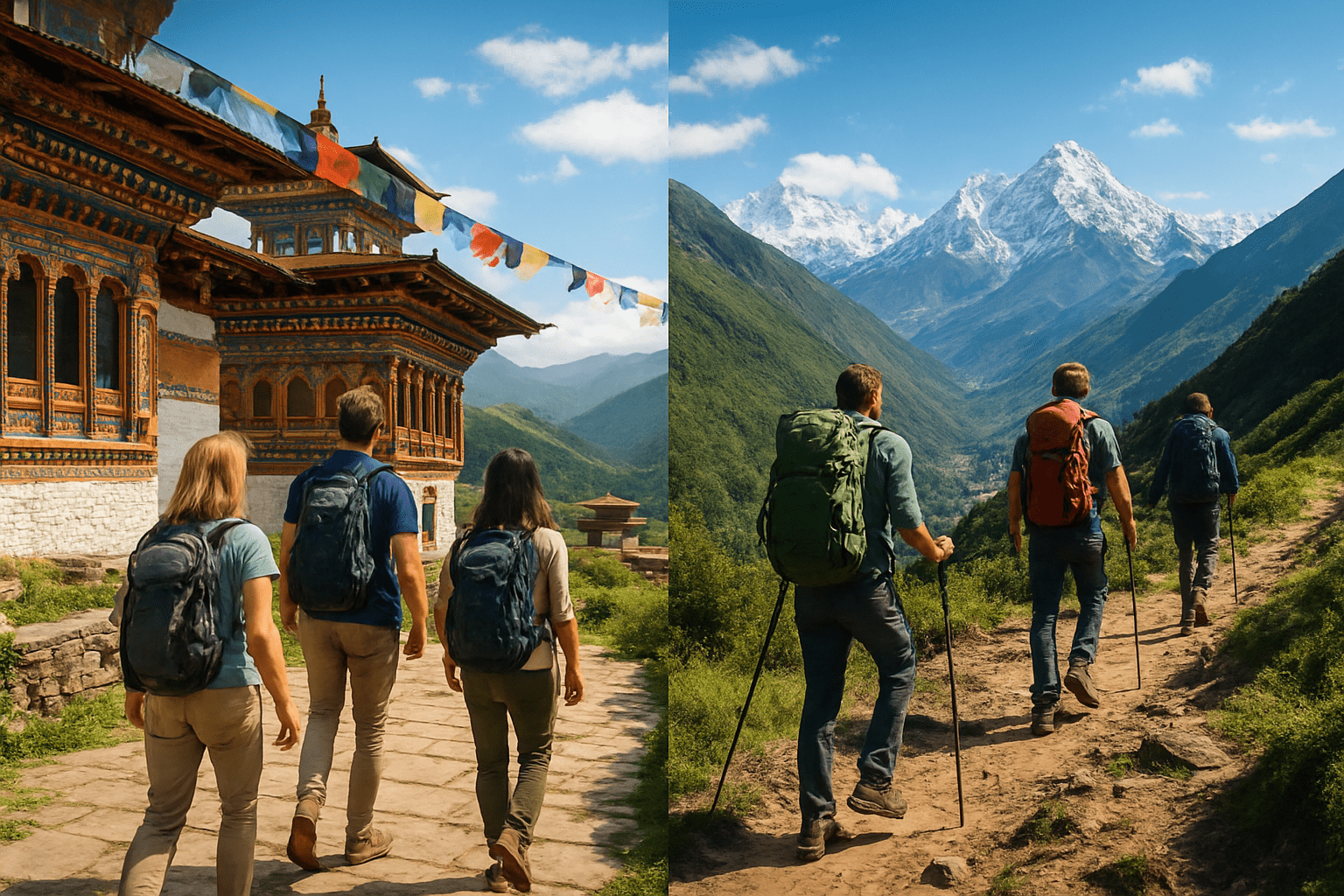
Matching travel style preferences with activity types
Your travel personality plays a huge role in deciding between tours and trekking in Bhutan. Cultural enthusiasts who love learning about traditions, visiting monasteries, and engaging with local communities will find tours incredibly rewarding. You'll spend time exploring dzongs (fortresses), attending festivals, and discovering Bhutan's rich Buddhist heritage with expert guides who share fascinating stories and historical context.
Adventure seekers and nature lovers gravitate toward trekking experiences. If you're someone who feels energized by physical challenges, breathtaking mountain views, and camping under starlit skies, the trekking routes through pristine wilderness areas offer unmatched satisfaction. The raw beauty of untouched landscapes and the sense of accomplishment from conquering high-altitude passes create memories that last a lifetime.
Photography enthusiasts need to consider their preferred subjects. Tours provide excellent opportunities for architectural photography, cultural portraits, and festival documentation, while trekking opens doors to dramatic landscape shots, wildlife photography, and stunning sunrise/sunset captures from remote mountain viewpoints.
Comfort preferences matter significantly, too. Tours offer cozy hotels, warm showers, and restaurant meals, while trekking involves basic teahouses or camping with limited amenities. Your tolerance for rustic conditions directly impacts which option delivers the most enjoyable experience.
Experience level requirements and skill assessments
Bhutan tours welcome travelers of all experience levels, making them perfect for first-time visitors to the Himalayas. No special skills or physical conditioning are required beyond basic walking ability for temple visits and short cultural site explorations. Most tour activities happen at comfortable altitudes with minimal physical demands.
Trekking demands vary dramatically based on route selection. Popular treks like Druk Path require moderate fitness levels and some hiking experience, while challenging routes such as Snowman Trek demand advanced mountaineering skills and excellent physical conditioning. Altitude plays a major factor - many treks reach elevations above 4,000 meters, where altitude sickness becomes a real concern.
Previous hiking experience helps tremendously for multi-day treks. Understanding how to pace yourself, manage gear, and recognize early signs of altitude-related issues prevents serious problems in remote areas. Basic camping skills, though not mandatory, enhance your comfort during overnight stays in wilderness settings.
Mental preparation matters just as much as physical readiness. Trekking involves long days, unpredictable weather, and situations where turning back isn't always possible. Tours offer more flexibility to adjust plans based on comfort levels and energy.
Personal goals and desired outcomes evaluation
Define what you want to achieve from your Bhutan adventure before making your choice. Cultural immersion goals align perfectly with tour experiences - you'll gain deep insights into Bhutanese Buddhism, traditional architecture, and daily life through guided interactions and curated experiences.
Spiritual seekers often find tours more fulfilling since they provide access to active monasteries, meditation sessions with monks, and participation in religious ceremonies. The structured nature of tours allows for meaningful spiritual exchanges that might be missed during self-guided trekking adventures.
Personal challenge goals point toward trekking experiences. Conquering high mountain passes, developing self-reliance in wilderness settings, and pushing physical limits create profound personal growth opportunities. The solitude and natural beauty encountered during treks often trigger powerful self-reflection and perspective shifts.
Photography portfolio development requires matching your goals with appropriate experiences. Tours excel for cultural and architectural photography, while trekking delivers unbeatable landscape and wildlife opportunities. Consider seasonal factors too - monsoon affects trekking conditions but creates lush green backdrops for cultural photography.
Budget considerations influence goal achievement significantly. Tours maximize cultural learning per dollar spent, while trekking provides better value for adventure and natural beauty experiences. Time constraints also impact realistic goal setting - cultural immersion happens quickly through tours, while meaningful trekking experiences require longer commitments.
Conclusion
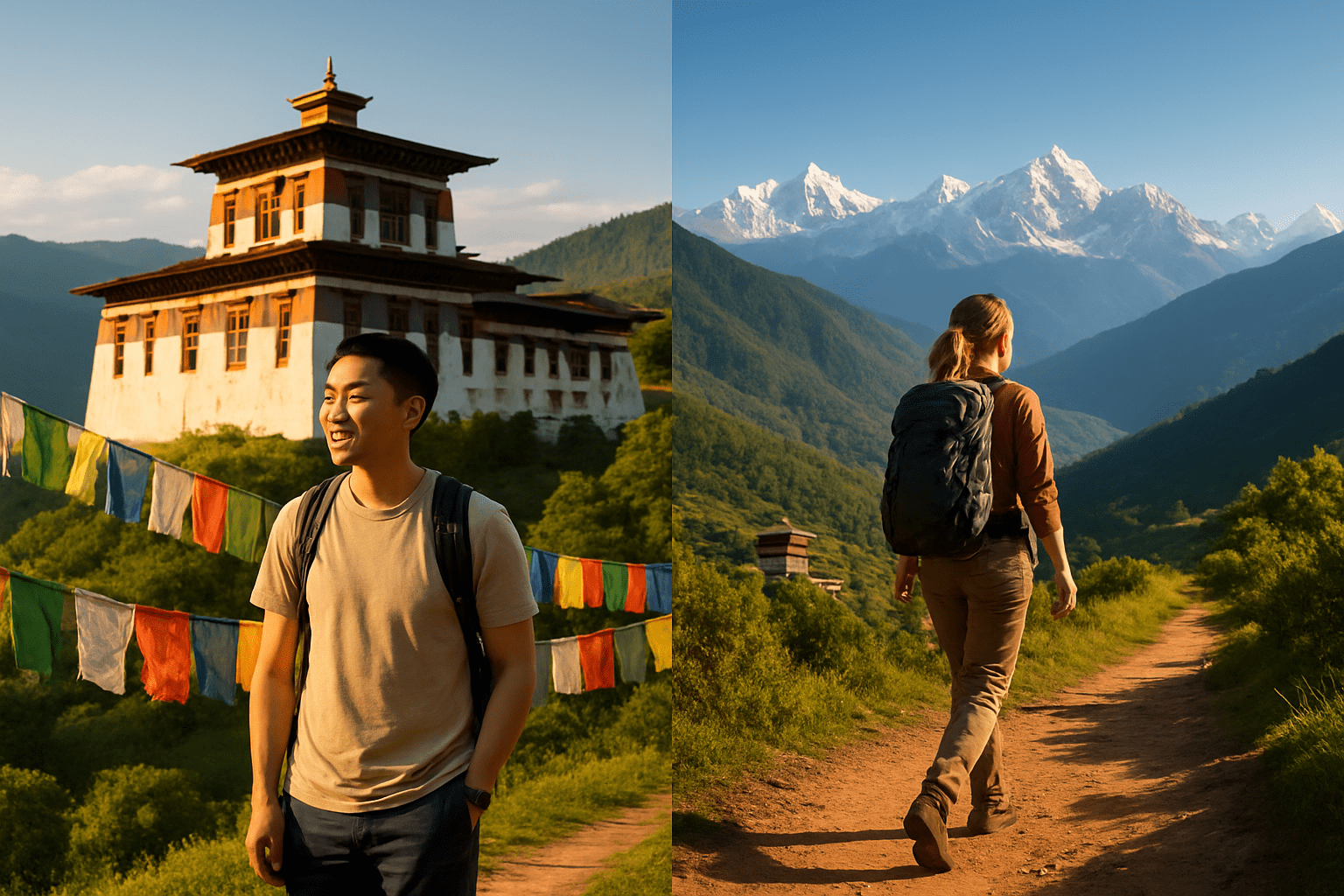
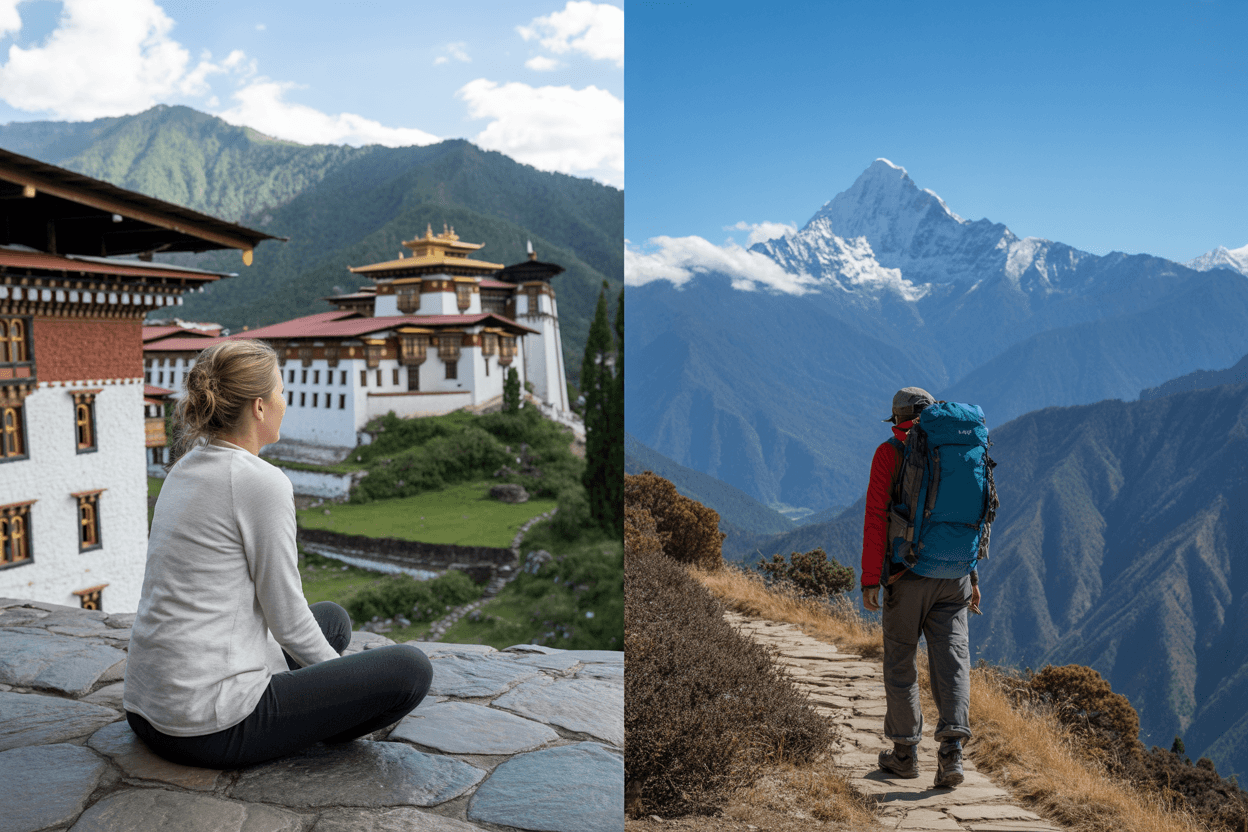
Choosing between Bhutan tours and trekking really comes down to what kind of traveler you are and what you want to get out of your Himalayan adventure. Tours give you cultural depth and comfort, while trekking offers raw natural beauty and physical challenge. Both options provide incredible value, but your budget, fitness level, and available time will help point you in the right direction.
The best part? There's no wrong choice here. Whether you're sipping tea with locals in ancient monasteries or camping under pristine mountain stars, Bhutan will leave you with memories that last a lifetime. Take an honest look at your travel style, physical abilities, and what excites you most about visiting the Last Shangri-La. Your perfect Bhutan adventure is waiting – you just need to decide if you want to experience it from a comfortable lodge or a mountain tent.