
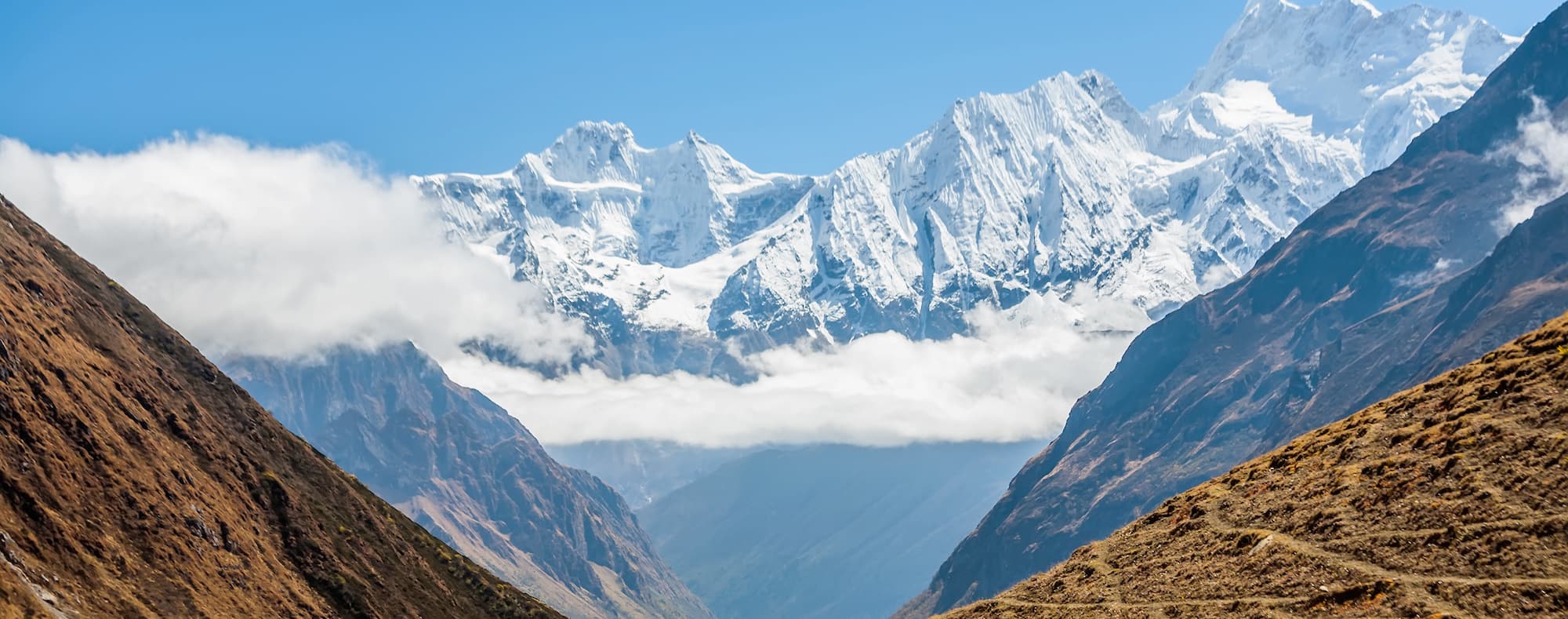
Manaslu Circuit Trek- 15 Days
5/5 from 5 reviews
Trip Fact
- DestinationNepal
- Durations15 days
- Group Size15+
Overview
The Manaslu Circuit Trek is a thrilling journey through one of Nepal’s most remote and breathtaking trekking routes. This 15-day adventure takes you around Mount Manaslu (8,163m), the eighth-highest peak in the world, offering an unforgettable blend of natural beauty, cultural heritage, and high-altitude challenges. The trail follows the Budhi Gandaki River, passing through lush forests, terraced fields, and traditional villages before reaching the dramatic landscapes of the high Himalayas. Along the way, trekkers experience the rich Buddhist culture of the Tibetan-influenced villages, visit ancient monasteries, and cross the spectacular Larkya La Pass (5,160m)—one of the most dramatic mountain passes in Nepal.
This trek is perfect for those looking for a less crowded alternative to the Everest Base Camp or Annapurna Circuit while still experiencing Nepal’s stunning mountain scenery. The diverse landscapes range from subtropical forests to high-altitude glaciers, creating a trek that is both visually and physically rewarding. As the route passes through the Manaslu Conservation Area, trekkers can spot rare wildlife, including Himalayan blue sheep and snow leopards. With well-paced acclimatization days and comfortable teahouse accommodations, the Manaslu Circuit Trek is a once-in-a-lifetime journey that combines adventure, culture, and breathtaking Himalayan views.
Spectacular Views of Mount Manaslu (8,163m)
The Manaslu Circuit Trek offers some of the most breathtaking mountain views in Nepal, with Mount Manaslu (8,163m) dominating the skyline. As the world’s eighth-highest peak, Manaslu is a true Himalayan giant, surrounded by a stunning range of snow-covered summits. Trekkers witness its beauty from multiple vantage points, each offering a unique perspective on this majestic mountain.
- Ever-Changing Perspectives: The trek provides stunning views of Manaslu from different angles, starting from the lower valleys and getting closer as you ascend.
- Lho Village Panoramas: A perfect spot to admire Manaslu’s massive south face, especially at sunrise and sunset when the peaks glow in golden hues.
- Best Views from Sama Gaun: The village of Sama Gaun (3,530m) offers one of the closest and most dramatic views of Manaslu, surrounded by glaciers and rugged peaks.
- Side Trip to Manaslu Base Camp (4,800m): A challenging but rewarding hike that brings trekkers face-to-face with glaciers, icefalls, and towering ridges of Mount Manaslu.
- Larkya La Pass Viewpoint (5,160m): The highest point of the trek provides a 360-degree Himalayan panorama, with Manaslu standing tall among neighboring peaks.
- Clear Reflections in Birendra Lake: A turquoise glacial lake near Sama Gaun that reflects the grandeur of Manaslu on clear days, creating a picture-perfect view.
- Majestic Manaslu Glacier: This massive glacier descends from the mountain, dramatically displaying ice formations and deep crevasses.
- Snow-Capped Ridges and Sunrise Glow: Witness the first light of the sun touching the snow-covered peaks, turning them golden against the deep blue sky.
Every step of the Manaslu Circuit Trek offers incredible views of this Himalayan giant, making it an unforgettable journey for mountain lovers. The combination of rugged landscapes, pristine glaciers, and ever-changing perspectives of Mount Manaslu ensures that trekkers are constantly in awe of its beauty.
Crossing the Larkya La Pass (5,160m)
Larkya La Pass (5,160m) is the highest and most thrilling point of the Manaslu Circuit Trek, offering one of the most rewarding trekking experiences in Nepal. This high-altitude pass connects the Budhi Gandaki Valley with the Marsyangdi Valley, providing breathtaking Himalayan views and a sense of great achievement. The challenging ascent, combined with stunning landscapes and dramatic mountain scenery, makes crossing Larkya La Pass an unforgettable highlight of the trek.
- Challenging Yet Rewarding Ascent: The steep and rocky climb to the pass is demanding, but the panoramic views make every step worth it.
- Incredible Himalayan Panorama: The pass offers a 360-degree view of Himlung Himal, Cheo Himal, Kang Guru, and Annapurna II, along with the towering presence of Mount Manaslu (8,163m).
- Diverse and Dramatic Landscapes: Trek through glacial moraines, barren rocky slopes, and icy trails, showcasing the raw beauty of the high Himalayas.
- Early Morning Crossing for the Best Views: Most trekkers start before dawn to avoid strong winds and witness a breathtaking sunrise over the snow-covered peaks.
- Colorful Prayer Flags at the Summit: The pass is decorated with Buddhist prayer flags, symbolizing good fortune and marking the spiritual significance of the crossing.
- Exciting Descent to Bimthang: After reaching the top, a long but scenic descent leads to the lush valley of Bimthang (3,720m), offering a dramatic change in landscapes.
- Sense of Achievement: Completing the Larkya La Pass crossing is a moment of triumph, making it one of the most memorable parts of the Manaslu Circuit Trek.
Crossing Larkya La Pass (5,160m) is both a physical and mental challenge, but it is also the most rewarding section of the trek. The breathtaking scenery, high-altitude adventure, and stunning views of the surrounding peaks make this an experience that stays with trekkers long after the journey ends.
Remote and Less Crowded Trails
The Manaslu Circuit Trek is one of Nepal’s most rewarding trekking experiences, offering a peaceful and unspoiled route through the Himalayas. Unlike the more commercialized trails of Everest Base Camp and Annapurna Circuit, this trek takes adventurers through remote valleys, traditional villages, and rugged landscapes with fewer trekkers on the path. The sense of solitude and immersion in pristine nature makes this journey truly special for those seeking an off-the-beaten-path experience.
- Fewer Trekkers, More Tranquility: Enjoy the beauty of the Himalayas without the crowds, making for a more peaceful and immersive experience.
- Authentic Cultural Encounters: Walk through isolated Tibetan-influenced villages, where locals maintain traditional lifestyles and warm hospitality.
- Undisturbed Natural Beauty: The trail passes through untouched forests, alpine meadows, and glacial valleys, offering breathtaking scenery at every turn.
- Less Commercialized and More Authentic: Unlike the busier trails, the Manaslu Circuit retains its raw and authentic charm, with family-run teahouses instead of large tourist lodges.
- Manaslu Conservation Area’s Pristine Environment: The trek passes through protected areas home to rare wildlife like snow leopards, Himalayan blue sheep, and red pandas.
- Fewer Tourists at Viewpoints: Unlike other treks where viewpoints can be crowded, here you can take your time soaking in the stunning vistas of Mount Manaslu and surrounding peaks.
- A True Sense of Adventure: The remoteness and challenging terrain create a thrilling experience, ideal for those looking for a real trekking adventure.
- A Unique Alternative to Popular Treks: While the Everest and Annapurna regions are famous, the Manaslu Circuit remains a hidden gem, providing an equally spectacular but more peaceful journey.
For trekkers looking to experience the Himalayas in their purest form, the Manaslu Circuit Trek offers a perfect blend of solitude, natural beauty, and cultural authenticity. The remote trails, breathtaking landscapes, and fewer crowds make this trek an unforgettable Himalayan adventure.
Rich Tibetan-Influenced Culture
The Manaslu Circuit Trek is not just about breathtaking landscapes—it’s also a journey through a land deeply influenced by Tibetan Buddhism. The region shares a strong cultural connection with Tibet, evident in its ancient monasteries, prayer flags, mani walls, and traditional stone-built villages. As trekkers pass through remote settlements, they get a glimpse into the spiritual traditions and way of life of the Tibetan-descended communities that have lived in these high-altitude areas for centuries.
- Ancient Buddhist Monasteries: Visit sacred sites like Ribung Gompa in Lho and Pungyen Gompa near Sama Gaun, where monks practice meditation and daily rituals.
- Mani Walls and Prayer Wheels: Walk past beautifully carved mani walls (stone slabs with Buddhist prayers) and spin prayer wheels for good fortune along the trail.
- Traditional Tibetan-Style Villages: Experience the unique architecture and customs in villages like Lho, Sama Gaun, and Samdo, where homes are built from stone and adorned with prayer flags.
- Strong Spiritual Atmosphere: Trek through an environment deeply rooted in Buddhist beliefs, where locals greet visitors with "Tashi Delek" (a Tibetan blessing).
- Monk and Lama Encounters: Engage with Buddhist monks in monasteries and learn about their practices, teachings, and way of life in the Himalayas.
- Influence of Tibetan Language and Traditions: Many locals speak a dialect of Tibetan, wear traditional robes, and celebrate Tibetan Buddhist festivals.
- Yak Herding and Traditional Farming: Observe Tibetan-influenced pastoral life, with locals herding yaks and cultivating barley in the high-altitude fields.
- Tibetan Buddhism’s Influence on Daily Life: From prayer flags fluttering in the wind to villagers chanting ancient Buddhist mantras, spirituality is woven into every aspect of life in this region.
The Manaslu Circuit Trek provides a rare opportunity to experience the rich Tibetan-influenced culture of the Himalayas. Every monastery, village, and sacred site tells a story of deep-rooted traditions, making the journey not only a physical adventure but also a culturally enriching experience.
Diverse Landscapes and Ecosystems
The Manaslu Circuit Trek offers a remarkable diversity of landscapes and ecosystems, making it one of the most varied treks in Nepal. As trekkers journey through the region, they experience a range of environments, from subtropical forests to alpine meadows, barren rocky slopes, and glacial valleys. This diversity not only enhances the trekking experience but also showcases the richness of Nepal’s natural heritage, with each step revealing a new facet of the Himalayan ecosystem.
- Subtropical Forests: The lower sections of the trek are lush with dense forests of rhododendron, oak, and pine, where trekkers can hear the sounds of birds and see wildlife like monkeys and deer.
- Terraced Farmlands and Villages: The trek starts with views of traditional terraced fields, where locals cultivate barley, rice, and millet, blending agricultural life with stunning mountain scenery.
- Dramatic Alpine Meadows: As you ascend, the landscape transitions to open meadows, dotted with grazing yaks and bordered by jagged peaks, offering peaceful surroundings and spectacular views.
- Glacial Valleys and Glaciers: Crossing into higher altitudes, trekkers are immersed in the awe-inspiring glacial valleys, particularly near Sama Gaun, where ice formations and frozen rivers reflect the grandeur of the mountains.
- Rocky and Rugged Terrain: High-altitude passes like Larkya La present rugged, barren landscapes with rocky ridges, glacial moraines, and stunning panoramas of snow-capped peaks.
- Sacred Lakes and Rivers: Along the way, trekkers encounter turquoise glacial lakes like Birendra Lake, reflecting the surrounding peaks, and the Budi Gandaki River, which meanders through deep valleys, creating dramatic river gorges.
- Alpine Flora and Fauna: The trek also crosses through protected zones like the Manaslu Conservation Area, home to rare wildlife such as the snow leopard, Himalayan tahr, and red panda, as well as unique alpine plants.
- Lush Bamboo Forests: In lower regions, trek through bamboo groves filled with vibrant plant life, offering the perfect backdrop for observing the incredible biodiversity of the region.
The Manaslu Circuit Trek is a true paradise for nature lovers and photographers, offering breathtaking landscapes that change dramatically as you gain altitude. From the subtropical forests to the rugged highlands and pristine glaciers, the trek showcases the full spectrum of Himalayan ecosystems, creating a diverse and dynamic experience at every turn.
Exploring the Manaslu Conservation Area
The Manaslu Conservation Area (MCA) is a protected region that spans 1,663 square kilometers and is rich in biodiversity, cultural heritage, and natural beauty. This area, located along the Manaslu Circuit Trek, is dedicated to preserving the region’s unique ecosystems, wildlife, and traditional cultures. It provides trekkers with an exceptional opportunity to experience a remote and unspoiled environment, where the Himalayas meet the sacred lands of local communities. The conservation area is not only home to rare species of flora and fauna but also offers an immersive experience into the culture and spirituality of the people living in this high-altitude region.
- Rich Biodiversity: The MCA is a biodiversity hotspot, home to rare species like the snow leopard, red panda, Himalayan tahr, and various species of pheasants and other birds.
- Flora and Fauna: The area boasts a diverse range of plant life, from subtropical forests of rhododendron and oak in the lower regions to alpine flora at higher altitudes, including blue poppies and high-altitude herbs.
- Sacred and Spiritual Sites: The region is dotted with ancient Buddhist monasteries and sacred sites such as Sama Gaun’s Pungyen Gompa, offering trekkers the chance to explore the spiritual heritage of the area.
- Traditional Villages: As you trek through the MCA, visit Tibetan-influenced villages like Lho, Samdo, and Sama Gaun, where life remains unchanged for centuries, and the culture is deeply rooted in Tibetan Buddhism.
- Breathtaking Scenery: The area offers spectacular views of Mount Manaslu (8,163m), the Himal Chuli, Ngadi Chuli, and Ganesh Himal, creating a dramatic backdrop for your adventure.
- Trekking in Peaceful Surroundings: The MCA is less crowded than other trekking areas in Nepal, allowing trekkers to explore its stunning landscapes in tranquility, far from the hustle and bustle of more touristy regions.
- Environmental Conservation Efforts: The conservation area plays an essential role in preserving the region’s wildlife, forest ecosystems, and cultural heritage, making it an essential area for nature lovers and sustainability advocates.
- Cultural and Ecological Significance: The MCA is not only a natural reserve but also a cultural haven, with local communities relying on sustainable practices such as agriculture, yak herding, and eco-tourism to preserve their way of life.
Exploring the Manaslu Conservation Area offers a truly unique trekking experience, where nature and culture blend seamlessly. With its breathtaking landscapes, rare wildlife, and authentic Tibetan-influenced villages, the MCA is a treasure trove for those seeking an off-the-beaten-path adventure while contributing to the preservation of one of Nepal’s most beautiful and untouched regions.
Authentic Teahouse Experience
One of the highlights of the Manaslu Circuit Trek is the opportunity to enjoy an authentic teahouse experience that immerses trekkers in the simple, yet welcoming hospitality of the local communities. As you journey through remote villages, the small, family-run teahouses offer not only a chance to rest and recharge but also a glimpse into the traditional lifestyle of the people living in the Manaslu region. These teahouses are more than just places to eat and sleep—they serve as hubs for cultural exchange, where trekkers can interact with locals, learn about their way of life, and share stories over a cup of butter tea or local herbal drinks.
- Warm Hospitality: The locals' genuine kindness and hospitality make each teahouse stop a memorable part of the trek. The warmth and generosity of the families hosting trekkers offer an authentic insight into Nepalese culture.
- Traditional Tibetan Cuisine: Enjoy hearty, Tibetan-influenced meals like momo (dumplings), thukpa (noodle soup), tsampa (roasted barley flour), and butter tea, all of which reflect the region’s culture and traditional diet.
- Cozy Atmosphere: The teahouses are simple, rustic, and cozy, with wooden floors, stone walls, and glowing stoves, creating a warm retreat from the cold mountain air.
- Cultural Exchange: Teahouses offer a place for trekkers and locals to interact, whether it's over dinner or by sharing stories about their experiences and customs.
- Stunning Mountain Views: Many teahouses are set in breathtaking locations with panoramic views of Manaslu, Himal Chuli, and other surrounding peaks, making it an unforgettable dining and resting experience.
- Opportunity for Learning: In some teahouses, trekkers have the chance to engage with local guides and villagers who can share knowledge about the area’s history, wildlife, culture, and spirituality.
- Community Support: By staying in teahouses, trekkers help support the local economy and contribute to sustainable tourism in the region, promoting the development of small-scale, eco-friendly businesses.
- Rest and Relaxation: After a long day of trekking, the teahouses offer a much-needed space to relax, recharge, and connect with fellow trekkers, creating a sense of camaraderie in the mountains.
The authentic teahouse experience on the Manaslu Circuit Trek adds a wonderful cultural layer to the adventure. It’s not just about the journey through the Himalayas, but also about connecting with the heart and soul of the region, experiencing its warmth, simplicity, and hospitality in a truly unique way.
Acclimatization Day at Sama Gaun
An Acclimatization Day in Sama Gaun is an essential part of the Manaslu Circuit Trek, providing trekkers with the necessary rest to adjust to the higher altitudes before continuing their ascent. Located at 3,530 meters (11,581 feet), Sama Gaun is a serene village that sits at the base of the towering Manaslu Mountain. The day is designed to help trekkers acclimatize to the thinning air and avoid altitude sickness, ensuring a safer and more enjoyable trek. While you rest, you also have the chance to explore the surrounding area, making this day both a necessary and enriching part of the journey.
- Rest and Relaxation: The day is primarily for rest, allowing your body to adjust to the higher altitude, preventing altitude sickness and preparing you for the challenging days ahead.
- Stunning Views of Manaslu: The village offers panoramic views of Mount Manaslu (8,163m), one of the highest peaks in the world, making it an ideal spot for relaxation while soaking in the majestic landscape.
- Exploring Pungyen Gompa: On this rest day, many trekkers choose to take a short day trip to Pungyen Gompa, a Buddhist monastery that offers spiritual reflection and impressive views of the surrounding mountains and glaciers.
- Manaslu Base Camp Trek: For more active acclimatization, trekkers may choose to take a day hike to Manaslu Base Camp (4,480m), where they can further experience the grandeur of the mountain and its surrounding glaciers.
- Local Tibetan Culture: Take time to explore Sama Gaun’s Tibetan-influenced culture, including visiting traditional monasteries, interacting with local villagers, and learning about their way of life.
- Cultural and Spiritual Experience: Sama Gaun’s monasteries and the surrounding environment offer a deep spiritual experience, with opportunities for peaceful meditation and contemplation in a tranquil setting.
- Enjoying Local Cuisine: Acclimatization days also give trekkers the chance to savor local Tibetan food, such as momos (dumplings), thukpa (noodle soup), and butter tea, prepared with traditional techniques by the local community.
- Photography Opportunities: The landscape around Sama Gaun provides ample opportunities for capturing stunning photographs, from the majestic Manaslu Mountain to the surrounding valleys, forests, and monasteries.
An Acclimatization Day at Sama Gaun not only ensures that trekkers adjust to the high altitude but also offers a peaceful, reflective experience in one of the most stunning and culturally rich regions of Nepal. Whether you choose to rest or explore, this day enriches your trekking experience, helping you to fully embrace the beauty and serenity of the Manaslu region.
Scenic Drive from Kathmandu to Maccha Khola
The drive from Kathmandu to Maccha Khola marks the exciting beginning of the Manaslu Circuit Trek. This journey takes trekkers through a combination of scenic landscapes, bustling towns, and serene countryside, offering a perfect introduction to the varied beauty of Nepal. The drive covers approximately 160 kilometers and takes about 6-8 hours, depending on road conditions, providing plenty of opportunities to witness the natural beauty of the Nepalese Himalayas. As the bus winds its way out of the chaotic capital, the scenery transforms, taking you through lush forests, river valleys, and traditional villages, all while enjoying distant views of the snow-capped mountains.
- View of the Trishuli River: As you depart Kathmandu, the Trishuli River becomes a prominent feature, with its whitewater rapids and the gorge-like valleys creating an exciting landscape to admire.
- Breathtaking Mountain Views: Along the drive, you’ll be treated to glimpses of the Langtang Range and distant views of Manaslu, which will build anticipation for the trek ahead.
- Charming Rural Villages: The journey takes you through small Nepalese villages, where traditional wooden houses, terraced farmlands, and local life offer a glimpse into the heart of Nepal’s rural culture.
- Crossing Suspension Bridges: The drive includes several thrilling crossings of suspension bridges over deep ravines and fast-flowing rivers, which are iconic features of Nepal’s road infrastructure.
- Diverse Landscapes: From the lush green hillsides and terraced rice fields in the lower altitudes to the more arid, rugged landscapes as you approach the foothills of the Himalayas, the drive offers a diverse range of landscapes.
- Scenic Stops for Photos: The drive provides various scenic spots where you can stop and capture breathtaking photographs of the surrounding mountains, rivers, and villages.
- Tibetan Culture Influence: As you approach Maccha Khola, you’ll begin to see increasing signs of Tibetan culture, from traditional chorten (stupas) to prayer flags, which marks the approach to the Manaslu region.
- Approaching Maccha Khola: The final stretch of the drive takes you into the small settlement of Maccha Khola, where you’ll experience a more remote atmosphere, setting the stage for the trek’s start the following day.
The scenic drive from Kathmandu to Maccha Khola is more than just a means of transportation—it’s a chance to soak in the natural beauty and cultural richness of Nepal, while preparing for the incredible adventure that lies ahead on the Manaslu Circuit Trek. The journey introduces you to the diverse landscapes and unique lifestyle that will define the trek, making it an unforgettable part of your overall experience.
A Sense of Adventure and Achievement
The Manaslu Circuit Trek is not just about the scenic views, cultural encounters, or the physical challenge—it’s also about the immense sense of adventure and achievement that comes with each step. From the very beginning, the trek immerses you in the excitement of exploring remote regions, venturing into places few have set foot. The combination of trekking through rugged terrains, crossing high-altitude passes like Larkya La, and witnessing the towering Manaslu Mountain creates a journey that fuels the spirit of adventure, pushing trekkers to their limits, both physically and mentally. Every day offers new challenges, and each milestone reached brings with it a deep sense of satisfaction and personal growth.
- Trekking Through Remote Landscapes: The untouched, off-the-beaten-path beauty of the Manaslu region evokes a sense of true adventure, as you explore areas rarely seen by outsiders.
- Overcoming Physical Challenges: The trek’s rugged terrain and high-altitude conditions push you to your limits, resulting in a profound sense of accomplishment after each challenging section.
- Crossing the Larkya La Pass: Conquering the Larkya La Pass (5,160 meters) is a major highlight of the trek, offering not only incredible views but also the exhilarating feeling of triumph as you reach its summit.
- Exploring Traditional Village: The trek takes you through remote villages where the lifestyle remains largely unchanged for centuries, giving you the sense of stepping back in time and experiencing the adventure of cultural discovery.
- Surreal Mountain Views: Reaching the high points of the trek offers spectacular views of Manaslu and other nearby peaks, leaving trekkers with the overwhelming achievement of standing in the shadow of some of the world’s highest mountains.
- Altitude and Acclimatization: Each day, you rise in altitude, adapting to thinner air, which adds an element of personal achievement as your body adjusts and you continue to push forward.
- Reaching the Final Destination: Completing the Manaslu Circuit Trek offers an immense sense of accomplishment, as you’ve not only navigated diverse landscapes and high-altitude passes but have also crossed a major personal milestone.
- A Journey of Self-Discovery: The trek is more than just a physical adventure; it’s a journey of self-discovery and personal growth, where you will challenge yourself, push through moments of doubt, and emerge with a renewed sense of strength and resilience.
The sense of adventure and achievement that defines the Manaslu Circuit Trek makes it one of the most rewarding and unforgettable treks in the world. With every difficult step and every breathtaking view, you’ll gain a deeper connection to the mountains, the culture, and yourself, creating lasting memories that will continue to inspire long after the trek is over.
Useful information for the Manaslu Circuit Trek
The Manaslu Circuit Trek is a challenging yet immensely rewarding journey that offers trekkers the chance to experience remote landscapes, rich cultural heritage, and some of the most spectacular mountain views in the world. Here is a comprehensive guide to help you prepare for the trek, covering important information about permits, best time to go, and essential tips for a safe and successful journey.
Permits Required
To trek the Manaslu Circuit, you will need a few permits:
- Manaslu Conservation Area Permit (MCAP): This permit is required to enter the conservation area, which is home to unique wildlife and flora.
- Annapurna Conservation Area Permit (ACAP): Since part of the trek falls under the Annapurna region, you need this permit as well.
- Restricted Area Permit (RAP): The Manaslu region is a restricted area, so trekkers must obtain this permit through a registered trekking agency. This permit can only be obtained through a licensed agency in Nepal, and trekkers are required to travel with a guide.
Physical Preparation
The Manaslu Circuit Trek is a physically demanding trek with varying terrain, including steep ascents, descents, and high-altitude challenges. Preparing for this trek involves:
- Cardiovascular Training: Improve your stamina with activities like running, cycling, or swimming.
- Strength Training: Focus on leg and core strength to help you with uphill and downhill trekking.
- Altitude Training: If possible, train at higher altitudes to get used to the thinner air, especially since the trek reaches over 5,000 meters.
- Hiking: Practice hiking with a weighted backpack, as carrying a pack will be essential during the trek.
What to Pack
- Trekking Gear: Sturdy trekking boots, a lightweight sleeping bag, a trekking pole, and a headlamp are essential for comfort and safety.
- Clothing: Layering is crucial, with moisture-wicking base layers, an insulating jacket, and a waterproof outer layer. Bring plenty of socks, gloves, and a hat.
- Water and Snacks: Hydration is key—carry a refillable water bottle and purification tablets or a filter. Energy bars, nuts, and dry fruits are excellent for keeping energy levels up during long days.
- First Aid Kit: Include items such as bandages, pain relievers, altitude sickness medication, and antiseptic cream.
- Documents: Keep copies of your permits, passport, and travel insurance handy.
Altitude Sickness
As the trek ascends to high altitudes, trekkers are at risk of altitude sickness. Symptoms may include headaches, dizziness, and nausea. To prevent altitude sickness:
- Take it slow: Gradual acclimatization is essential. Plan for rest days, particularly at Sama Gaun for acclimatization.
- Drink plenty of water: Stay hydrated to help your body adjust.
- Listen to your body: If you feel any symptoms of altitude sickness, descend immediately and rest.
Accommodation and Meals
- Teahouses: The trek is primarily supported by teahouses, which provide a basic level of accommodation, with a bed and shared bathroom facilities. While the comfort level varies, they offer a place to rest after a long day of trekking.
- Meals: Teahouses generally serve local food, including dal bhat (lentil soup with rice), momos (dumplings), noodle soups, and Tibetan bread. Vegetarians and non-meat eaters will find suitable options at most teahouses.
Travel Insurance
- Ensure you have comprehensive travel insurance that covers high-altitude trekking, medical evacuation, and trip cancellation. It’s important to have coverage for potential emergencies, especially since medical facilities in the region are limited. Trekking with a Guide
While it is possible to trek the Manaslu Circuit independently, having a local guide is highly recommended, as it not only ensures compliance with Nepal's trekking regulations but also enhances your experience. A guide provides local knowledge, navigates the trail, and helps with communication in remote villages where English may not be widely spoken.
Safety and Communication
- Stay Connected: While mobile coverage is limited on the trek, you can find satellite phones at higher points along the route for emergency use.
- Weather Considerations: Be aware of the weather conditions during the trek. The Manaslu region can be affected by sudden storms, so make sure to check weather reports before heading out.
Environmental Responsibility
- The Manaslu Circuit is located in a conservation area, and trekkers are encouraged to practice responsible tourism. Always dispose of waste properly, avoid littering, and respect local customs and traditions.
With proper preparation and a sense of adventure, the Manaslu Circuit Trek offers one of the most unforgettable trekking experiences in Nepal. By respecting the environment, staying safe, and embracing the challenge, trekkers are rewarded with stunning landscapes, cultural insights, and a profound sense of achievement.
Best Time to Do the Manaslu Circuit Trek
The Manaslu Circuit Trek is a year-round destination, but the experience varies significantly depending on the season. The best time to embark on this remarkable journey depends on the weather, trail conditions, and your personal preferences. Here is a breakdown of each season and what to expect during your trek.
- Spring (March to May): Spring is one of the best times to trek the Manaslu Circuit, offering mild temperatures and moderate weather conditions. As the snow from winter begins to melt, the trail becomes more accessible, and the flora starts to bloom. Rhododendron forests along the way are particularly beautiful during this time, creating vibrant landscapes. The clear skies and warmer daytime temperatures provide optimal trekking conditions, making it the perfect time to enjoy both the natural beauty and cultural experiences without the heavy crowds of peak season. However, it is still wise to carry warm clothing for the evenings and higher altitudes.
- Summer/Monsoon (June to August): The summer months coincide with the monsoon season in Nepal, which typically brings heavy rainfall and humid conditions. While the Manaslu Circuit Trek remains open year-round, the monsoon period can be challenging. Trails become slippery and are at a higher risk of landslides, making trekking more difficult and less safe. The lush greenery during this season is stunning, but you will miss out on the sweeping mountain views due to clouds and rain. This is the least recommended time to do the trek unless you're prepared for wet conditions and potential delays.
- Autumn (September to November): Autumn is by far the most popular and ideal time for trekking in Nepal, and the Manaslu Circuit Trek is no exception. Clear skies, cooler temperatures, and stunning mountain views make this the peak trekking season. The trails are dry, and the comfortable weather allows trekkers to enjoy the natural beauty and culture of the region. The air is crisp and fresh, and you can expect excellent visibility of Mount Manaslu and surrounding peaks. This is the most crowded period, with many trekkers heading to the region, so if you prefer a more peaceful trek, consider the early part of the season.
- Winter (December to February): Winter brings cold temperatures to the Manaslu Circuit Trek, especially at higher elevations. While the trail is accessible, trekking in winter can be harsh due to freezing temperatures, snowstorms, and icy conditions. The higher parts of the trek, such as the Larkya La Pass, can be particularly challenging during this time. However, if you're well-prepared with adequate clothing and gear, you’ll be rewarded with fewer crowds and peaceful, snow-covered landscapes. Winter treks are suitable for experienced trekkers seeking solitude and the beauty of the mountains in their pristine, snow-capped glory.
Each season on the Manaslu Circuit Trek offers a unique experience. Spring and autumn are the best times to visit, with clear skies, moderate weather, and breathtaking views of the mountains. Summer brings challenges due to monsoon rains, and winter presents harsh conditions at higher altitudes. Ultimately, the best time to do the trek depends on your preferences for weather, crowds, and the overall trekking experience. With the right preparation, any season can offer an unforgettable journey through one of Nepal’s most beautiful and remote trekking routes.
Detail Itinerary
Expand all +
Day 01
Arrival at Tribhuvan International Airport, Kathmandu
Upon arrival at Tribhuvan International Airport, you will be welcomed by our team and transferred to your hotel in Kathmandu. After check-in, you can explore the vibrant streets of Thamel, rest, or prepare for your adventure. In the evening, there will be a trek briefing with your guide.
Day 02
Drive from Kathmandu to Maccha Khola (900m) [8-9 hours]
An early morning scenic drive takes you from Kathmandu to Maccha Khola, passing through green hills, terraced fields, and traditional villages. The road follows the Trishuli and Budhi Gandaki rivers, offering breathtaking landscapes before reaching the starting point of the trek.
Day 03
Trek from Maccha Khola to Jagat (1,340m) [6-7 hours]
The trek begins with a gradual ascent along the Budhi Gandaki River. You will cross several suspension bridges and pass through Gurung villages like Khorlabesi and Tatopani (hot springs). After climbing stone steps and walking through lush forests, you’ll arrive at Jagat, a beautiful village with stone-paved paths.
Day 04
Trek from Jagat to Pewa (1,800m) [6-7 hours]
Today's trek takes you through lush jungles, terraced farmlands, and scenic ridges. You’ll pass the entry checkpoint for the Manaslu Conservation Area and continue along the Budhi Gandaki River. Crossing several suspension bridges, you’ll reach Pewa, a quiet spot surrounded by forests.
Day 05
Trek from Pewa to Namrung (2,630m) [6-7 hours]
The trail gradually ascends through dense forests and small settlements. You will cross bamboo forests and pass through Deng, a Tibetan-influenced village. As you gain altitude, the scenery changes to alpine landscapes. The trek ends at Namrung, known for its spectacular mountain views.
Day 06
Trek from Namrung to Lho (3,180m) [5-6 hours]
The trail climbs through picturesque villages like Lihi and Sho, offering stunning views of Manaslu and other snow-capped peaks. You’ll notice an increasing Tibetan influence, with mani walls, chortens, and prayer flags decorating the path. The trek ends in Lho, home to the famous Ribung Monastery.
Day 07
Trek from Lho to Sama Gaun (3,520m) [4-5 hours]
A relatively short trek takes you through pine forests and open valleys. The views of Manaslu become even more striking as you approach Sama Gaun, the largest village in the region. Here, you’ll find ancient monasteries, traditional stone houses, and breathtaking landscapes.
Day 08
Acclimatization Day (Day Trip to Manaslu Base Camp or Pungyen Gompa)
To adjust to the high altitude, you’ll take a rest day in Sama Gaun. You can explore Manaslu Base Camp (4,800m) for panoramic views of glaciers or hike to Pungyen Gompa, a peaceful monastery with stunning mountain scenery.
Day 09
Trek from Sama Gaun to Samdo (3,875m) [4-5 hours]
Today’s trek is short and scenic, gradually ascending towards Samdo, a traditional Tibetan refugee village. You will pass yak pastures, barren landscapes, and mani walls while enjoying stunning views of Manaslu and its neighboring peaks.
Day 10
Acclimatization Day (Day Trip to Tibet Border)
Another acclimatization day allows you to explore the Tibet border on a scenic hike. This challenging but rewarding trek offers incredible views of the Himalayas and insight into the historical trade routes between Nepal and Tibet.
Day 11
Trek from Samdo to Dharmasala (4,460m) [4-5 hours]
You will ascend through rugged landscapes, crossing glacial streams and rocky terrain. The trail gradually climbs to Dharmasala (Larkya Phedi), the final stop before crossing Larkya La Pass. Accommodation here is basic, as it serves as a high-altitude overnight stop.
Day 12
Trek from Dharmasala to Bimthang (3,720m) via Larkya La Pass (5,160m) [8-9 hours]
This is the most challenging and rewarding day of the trek. You will begin an early morning ascent to Larkya La Pass (5,160m), where you’ll be rewarded with breathtaking views of Himlung, Annapurna II, Kang Guru, and Manaslu. After crossing the pass, you’ll descend to Bimthang, a beautiful valley with spectacular mountain scenery.
Day 13
Trek from Bimthang to Dharapani (1,860m) [6-7 hours]
The descent continues through alpine meadows and lush forests, passing through charming villages like Gowa and Tilije. The trail eventually joins the Annapurna Circuit route at Dharapani, where you will enjoy your last night in the mountains.
Day 14
Drive from Dharapani to Kathmandu [8-9 hours]
After breakfast, you’ll take a scenic drive back to Kathmandu via Besisahar. You can relax, enjoy the city’s vibrant culture, or explore the markets for souvenirs.
Day 15
Departure – Transfer to Tribhuvan International Airport
Your Manaslu Circuit Trek comes to an end. We will transfer you to Tribhuvan International Airport for your departure, carrying unforgettable memories of the Himalayan adventure.
If the provided schedule isn't suitable for you, we are able to create personalized travel arrangements according to your preferences and requirements.
Cost Details
Cost Includes
- Guide and Porter: Most trekkers opt for hiring a guide and porter to help with navigation and carrying gear.
- Permits:
o Manaslu Conservation Area Permit (MCAP)
o Annapurna Conservation Area Permit (ACAP)
o Special Trekking Permit for the Manaslu region - Meals: Local food options like dal bhat, noodles, and soups in teahouses.
- Transportation: Bus rides to and from the trailhead (Soti Khola or Arughat).
- Altitude Medication: Diamox or other medications to help with altitude sickness.
- Insurance: Travel insurance that covers high-altitude trekking, evacuation, and medical emergencies.
- Safety Gear: First aid kit, water purification tablets, and trekking poles.
- Cultural and Scenic Attractions: Visit to Buddhist monasteries, cultural villages like Sama Gaon, and views of Mount Manaslu.
- Trekking Gear: Essential clothing, hiking boots, gloves, and weather-appropriate layers.
Cost Excludes
- Luxury Accommodations: The trek is not for those looking for luxury; accommodation is typically basic and at teahouses.
- Gourmet Meals: Expect simple, local Nepali meals rather than international or luxury dining options.
- Wi-Fi or Mobile Signal: Internet and mobile reception can be very limited along the route.
- Heavy Luggage: Limit your pack weight to necessary items as porters carry limited weight.
- Unnecessary Gadgets: Avoid bringing excess electronics or gear not needed for the trek.
- Short Trekking Duration: The trek is usually 14-18 days, depending on the pace and weather, so it's not for those looking for a quick hike.
- Crowds: Manaslu is less crowded than other popular treks like Everest or Annapurna but still requires permits and permits a controlled flow of trekkers.
- Alcohol: While some teahouses might offer alcohol, excessive consumption is discouraged, especially at high altitudes.
Good to Know
Visa for the Manaslu Circuit Trek
For the Manaslu Circuit Trek, trekkers must obtain a tourist visa for Nepal, as the trek is located within the country’s borders. Here’s a breakdown of the visa requirements and the process for getting one:
Tourist Visa for Nepal: A tourist visa is required for all international travelers visiting Nepal, including those trekking the Manaslu Circuit. The visa can be obtained upon arrival at Tribhuvan International Airport in Kathmandu, or it can be arranged in advance at a Nepalese consulate or embassy in your home country. The most common visa types for trekkers are the 30-day, 60-day, or 90-day tourist visas.
Visa on Arrival: For most nationalities, a visa on arrival is available at Tribhuvan International Airport. The application process involves filling out a form and providing the required documents, including:
- A valid passport with at least six months of validity.
- Visa fee (paid in cash, either in US dollars or Nepalese Rupees).
- A passport-size photo.
Visa Extension: If you plan to extend your stay, tourist visas can be extended at the Department of Immigration in Kathmandu. Extensions are available in increments of 15 days, but keep in mind that visa extensions may incur additional fees.
Special Trekking Permit: In addition to the tourist visa, trekkers undertaking the Manaslu Circuit Trek must obtain a Special Trekking Permit for the Manaslu region, as it is a restricted area. This permit can only be obtained through a registered trekking agency. The permit allows for travel in the region and is required for all trekkers, both solo and group.
Manaslu Conservation Area Permit (MCAP) and Annapurna Conservation Area Permit (ACAP): Along with the Special Trekking Permit, trekkers must also obtain two additional permits:
- Manaslu Conservation Area Permit (MCAP): This is required for entry into the Manaslu Conservation Area.
- Annapurna Conservation Area Permit (ACAP): Since the trek crosses into the Annapurna region, this permit is also required. These permits can be obtained through your trekking agency in Kathmandu.
Obtaining the necessary visas and permits is a crucial step in planning for the Manaslu Circuit Trek. It is essential to make sure all paperwork is in order before arriving in Nepal, as trekking in restricted areas without the proper documentation is not allowed. Working with a registered trekking agency can simplify this process, ensuring you have all required permits and are prepared for your adventure.
Accommodation During the Manaslu Circuit Trek
The Manaslu Circuit Trek offers a unique and authentic experience with accommodation primarily provided in teahouses along the route. These teahouses, also known as lodges, are basic but comfortable, offering trekkers a place to rest and recover after a day of hiking. Here’s what to expect:
- Basic Facilities: Accommodations along the trek are simple and usually consist of shared rooms with basic bedding, such as mattresses, blankets, and pillows. The rooms can vary in size, and some may accommodate up to four people. Most of the teahouses have shared bathrooms and showers, though hot water may not always be available, especially at higher altitudes.
- Teahouses and Meals: The teahouses are run by local families and offer a cozy environment. Besides providing a place to sleep, they serve a variety of local meals such as dal bhat, noodles, momos, and soups. The teahouses offer a chance to interact with fellow trekkers, share stories, and experience the local culture.
- Higher Altitudes: As you ascend to higher altitudes, the availability and quality of accommodations may decrease. In the more remote areas, such as Sama Gaon and Dharmasala, the teahouses are very basic, and you should expect fewer amenities. However, the warmth of the hospitality and the beauty of the surroundings more than make up for the simplicity.
- Booking: In the case of busy trekking seasons (especially in autumn and spring), it’s advisable to plan ahead and make reservations for accommodations. During off-peak times, it may be easier to find available rooms.
- Comfort and Warmth: While the rooms are basic, the real charm lies in the warmth of the local people and the atmosphere of the teahouses. They are a great place to relax after a long day of trekking, enjoy a hot meal, and converse with fellow trekkers or locals. As temperatures drop at night, teahouses provide a safe haven, with the warmth of stoves or fireplaces to keep you cozy.
Accommodation during the Manaslu Circuit Trek reflects the authenticity of the trek itself, combining simplicity with comfort in a way that allows you to fully immerse yourself in the remote beauty of the region. Expect a modest, yet memorable experience that brings you closer to the natural world and the local culture.
Transportation during the Manaslu Circuit Trek
Transportation to and from the Manaslu Circuit Trek involves a combination of road travel and trekking. Since the trek begins and ends in remote regions of Nepal, the journey to the trailhead and back requires some planning. Here’s an overview of what to expect for transportation during the trek:
- Kathmandu to the Trailhead: The trek starts with a drive from Kathmandu, the capital city of Nepal, to the trailhead in Soti Khola or Arughat. This can be done by local bus, jeep, or private vehicle. The drive typically takes around 6 to 8 hours (depending on road conditions and weather), passing through scenic villages and rural landscapes. The road can be rough, especially during the monsoon season, so it’s important to be prepared for bumpy rides.
- Private Vehicles and Jeeps: While local buses are a more affordable option, many trekkers opt for private jeeps or vehicles arranged by their trekking agency for added comfort and flexibility. Jeeps can navigate the rugged roads more easily and provide a faster, more convenient route to the starting point.
- Local Transportation During the Trek: Once you begin your trek, transportation is on foot. The Manaslu Circuit Trek is a challenging high-altitude trek with no road access beyond the starting point. All movement is done on foot, with the assistance of porters and guides to carry your gear and help with navigation.
- Return Journey: After completing the trek, you’ll reverse the process. The trek ends in Dharapani or Bimthang, where you can take a bus or jeep back to Kathmandu. The return drive can also take 6 to 8 hours depending on the road conditions.
- Air Travel (Optional): For those looking for a quicker return, it’s possible to fly back to Kathmandu from Pokhara or Besisahar (depending on road and weather conditions), but this is not a standard option for all trekkers.
Transportation during the Manaslu Circuit Trek involves a mix of rugged road travel and trekking, providing a unique and immersive journey through remote Nepal. While the trek itself is done on foot, getting to and from the trek involves some adventure on Nepal’s scenic and sometimes challenging roads, setting the tone for the adventure that lies ahead.
Currencies accepted during the Manaslu Circuit Trek
When trekking the Manaslu Circuit, it’s important to understand the local currency system and what forms of payment are commonly accepted along the route. Here’s what you need to know:
Nepalese Rupee (NPR): The official and primary currency in Nepal is the Nepalese Rupee (NPR). It is the currency used for most transactions, including accommodation, food, and other services in teahouses, villages, and towns along the Manaslu Circuit. You should carry a sufficient amount of NPR in cash, as many of the teahouses and lodges in remote areas may not accept foreign currencies or have the ability to provide change for large bills.
US Dollars (USD): US Dollars (USD) are widely accepted by trekking agencies, especially in Kathmandu or Pokhara, for booking services like permits, guides, and porters. However, it is generally not accepted in remote trekking areas along the Manaslu Circuit. It is advisable to carry Nepalese Rupees for purchases along the trekking route.
Credit and Debit Cards: Credit and debit cards are generally not accepted in the remote areas of the Manaslu Circuit. In larger towns such as Arughat and Soti Khola, you may find a few places where cards are accepted, but cash is still the preferred method of payment. It’s essential to withdraw enough cash in Kathmandu or Pokhara before heading to the trek.
- ATMs: There are very few ATMs along the route, and those that do exist may have limited functionality, especially at higher altitudes. The best time to withdraw cash is while you're still in Kathmandu or Pokhara, where ATMs are abundant. Be sure to carry enough cash to cover your expenses for the entire trek, as withdrawing money on the trail may not be an option.
- Exchange Facilities: Currency exchange services are available in Kathmandu and Pokhara, where you can exchange your home currency for Nepalese Rupees. There are no currency exchange facilities along the Manaslu Circuit, so make sure to exchange enough money before you start your trek.
While the Nepalese Rupee (NPR) is the primary currency for transactions during the Manaslu Circuit Trek, US Dollars are commonly used in Kathmandu for booking services. It's important to carry enough NPR in cash for the trek, as credit cards are typically not accepted in remote areas. Always plan ahead and withdraw or exchange your money before reaching the trailhead.
Internet and SIM cards for the Manaslu Circuit Trek
During the Manaslu Circuit Trek, staying connected can be challenging, especially as you venture into more remote areas. However, with some planning, you can manage internet access and communication throughout the trek. Here’s what you need to know:
Internet Availability:
- In the lower elevations and larger towns like Soti Khola, Arughat, and Dharapani, you may find basic internet cafes offering Wi-Fi or satellite internet. However, as you ascend to higher altitudes, internet access becomes increasingly limited.
- Wi-Fi availability is generally restricted to teahouses along the trail. These internet services are typically slow, expensive, and may be unreliable, especially as you get further into the Manaslu Conservation Area and beyond.
- Most trekkers can access the internet during their stops at major settlements like Sama Gaun and Samdo, but it is not guaranteed, and the speed is often very slow.
Mobile Networks:
- Nepal Telecom (NTC) and Ncell are the two major mobile service providers in Nepal, and both offer coverage in parts of the Manaslu Circuit. However, network coverage is quite spotty and is primarily available in lower altitudes.
- Ncell generally has better coverage along the trail, especially around Arughat, Soti Khola, and Dharapani. But by the time you reach higher altitudes (such as Sama Gaun, Samdo, and Larkya Pass), mobile coverage becomes weak or non-existent.
- In some areas, particularly around Sama Gaun and Samdo, you might be able to make emergency calls using satellite phones that some teahouses or guides provide.
SIM Cards:
- You can buy an Ncell or Nepal Telecom (NTC) SIM card in Kathmandu or Pokhara before starting the trek. SIM cards are affordable and come with various data packages.
- Ncell is more recommended for trekking in the Manaslu Circuit because of its relatively better coverage in remote areas.
- Make sure to check the data plan and ensure you have enough balance for making calls or accessing the internet, as recharging in remote areas is limited.
Alternatives for Communication:
- If staying connected is critical for you during the trek, consider renting a satellite phone or a portable Wi-Fi device in Kathmandu. These devices can be hired from trekking agencies or specialized rental shops.
- Some agencies also provide satellite communication devices like Garmin InReach or Spot, which allow you to send messages or alerts in emergencies, but they are not designed for general internet use.
Staying Offline for a Better Experience:
- Many trekkers choose to disconnect during the trek to fully immerse themselves in the natural beauty of the Manaslu Circuit. The trek is an opportunity to unplug and enjoy the serene environment, culture, and surroundings.
- Plan your digital needs ahead of time, ensuring you have everything set before heading into areas with limited connectivity. You can always share your photos and experiences once you return to Kathmandu.
While internet and mobile coverage are available in some parts of the Manaslu Circuit Trek, they are not guaranteed, especially in the more remote sections. For communication and staying connected, you can rely on Ncell or NTC for basic coverage, or opt for satellite phones or Wi-Fi rental for more reliable options. However, many trekkers use this time to disconnect and enjoy the peaceful surroundings of the Manaslu Conservation Area.
Health issues during the Manaslu Circuit Trek
The Manaslu Circuit Trek is a remarkable adventure, offering stunning views and an authentic cultural experience. However, as with any high-altitude trek, it comes with specific health risks. Being aware of potential health issues and taking the necessary precautions is essential for a safe and enjoyable trek. Here are some common health issues trekkers might face during the Manaslu Circuit Trek:
- Altitude Sickness: One of the most significant health risks on this trek is altitude sickness. As you gain elevation, the oxygen levels drop, and your body needs time to acclimatize. Symptoms can include headaches, dizziness, nausea, and shortness of breath. To minimize the risk, it's crucial to take acclimatization days and ascend gradually.
- Dehydration: High altitudes increase the risk of dehydration. Symptoms can include fatigue, dizziness, and headaches. It’s important to drink plenty of water throughout the trek and avoid alcohol and caffeinated drinks, which can dehydrate the body.
- Hypothermia: The Manaslu Circuit reaches altitudes where temperatures can drop significantly, especially at night. Cold and wet conditions can lead to hypothermia if you are not dressed appropriately. Make sure to wear proper thermal clothing, gloves, and a waterproof jacket to stay warm.
- Diarrhea: Gastrointestinal issues, such as diarrhea, are common due to changes in diet and water quality. Always drink purified water and wash your hands regularly. Carry anti-diarrheal medication and follow hygiene practices to reduce the risk.
- Exhaustion and Fatigue: The physical demands of the trek, combined with high altitudes, can lead to exhaustion. It's essential to pace yourself, get enough rest, and stay well-nourished to avoid overexertion. Trek at a comfortable pace and take regular breaks.
- Infections: Trekking through remote areas means limited access to medical facilities, which increases the risk of infections from cuts, blisters, or other injuries. Always carry a basic first-aid kit, and clean any wounds promptly to prevent infection.
- Sunburn: Sunburn is a common issue at high altitudes, where the UV rays are stronger. Even on cloudy days, you are at risk. Protect your skin with sunscreen, wear sunglasses, and use a wide-brimmed hat to shield your face.
- Respiratory Issues: At high altitudes, the air is thinner, which can cause respiratory difficulties, especially if you have pre-existing conditions like asthma. Carry an inhaler or necessary medications, and take it easy on the strenuous sections of the trek.
- Blisters and Foot Problems: Trekking for long hours in rugged terrain can lead to blisters and other foot problems. To avoid this, make sure to wear well-fitting hiking boots, and consider moleskin or blister pads to prevent irritation.
Being aware of potential health issues during the Manaslu Circuit Trek is crucial for your well-being. By taking the necessary precautions—such as proper acclimatization, staying hydrated, and packing appropriate gear—you can greatly reduce the risk of health problems. Always listen to your body, seek help if necessary, and ensure that you are prepared for the physical demands of the trek. With the right precautions, you can enjoy the adventure safely while experiencing the beauty and culture of the Manaslu region.
Insurance for the Manaslu Circuit Trek
The Manaslu Circuit Trek, having appropriate travel insurance is essential for your safety and peace of mind. Due to the high-altitude nature of the trek, the potential for emergencies, and the remote location of some sections of the trail, specialized insurance is recommended. Here's what you need to consider when arranging your insurance:
- Coverage for Trekking at High Altitudes: Since the Manaslu Circuit Trek reaches altitudes of up to 5,160 meters (Larkya La Pass), it’s crucial that your insurance policy covers trekking at high altitudes. Ensure that the policy specifically includes coverage for activities above 3,500 meters, as many standard travel insurance plans may not cover treks at higher elevations.
- Emergency Evacuation: In case of an emergency, such as altitude sickness, injury, or severe illness, being able to evacuate quickly is vital. Your insurance should include coverage for emergency evacuation, whether by helicopter or ground transport, to a medical facility. Evacuation costs can be significant, so this coverage is critical for any trek in Nepal.
- Medical Expenses: Medical emergencies, especially at high altitudes, can arise unexpectedly. Ensure that your insurance covers medical expenses incurred during your trek, including hospital treatment, emergency care, or surgery. Additionally, it should cover medical repatriation if necessary.
- Trip Cancellation and Curtailment: Sometimes, unforeseen circumstances may require you to cancel or cut short your trip. Whether it’s due to illness, family emergencies, or natural events, your insurance should provide coverage for trip cancellation and trip interruption. This will help you recover some of your pre-paid expenses in case your plans change unexpectedly.
- Lost or Stolen Gear: Trekking in remote areas often means carrying expensive gear. If your gear is lost, stolen, or damaged, your insurance should cover personal belongings and trekking equipment. This could include things like your hiking boots, sleeping bag, or camera gear. Make sure to check for adequate coverage for your valuable items.
- Search and Rescue: While search and rescue services are available in Nepal, they can be expensive, especially if you need to be airlifted. Your insurance should include coverage for search and rescue operations, ensuring that you are not financially burdened by the costs associated with these services.
- 24/7 Assistance: It’s important to have access to 24/7 emergency assistance during your trek. Many insurance companies offer a helpline that provides support for emergencies such as medical issues or logistical problems. Be sure to have the contact details of your insurance provider easily accessible during the trek.
- Adventure Activities: Ensure your policy covers other adventure-related activities you might engage in during the trek, such as river crossings, rock climbing, or even trekking over glaciers. Some insurance policies may not cover certain activities, so clarify the details in advance.
Proper travel insurance for the Manaslu Circuit Trek is not just a precaution; it’s a necessity. With the rugged terrain, high altitudes, and the possibility of emergencies, having comprehensive insurance coverage is crucial for ensuring your safety and well-being throughout the trek. Make sure to select a policy that covers high-altitude trekking, emergency evacuation, medical expenses, and other specific needs related to adventure travel. Preparing for the unexpected will help you focus on enjoying your trek while knowing you’re protected in case something goes wrong.
Important Checklist for the Manaslu Circuit Trek
When preparing for the Manaslu Circuit Trek, packing wisely is crucial for your comfort and safety. With high altitudes, rugged terrain, and remote areas, it’s essential to bring the right gear. Here's a comprehensive checklist to help you ensure you’re fully prepared for this unforgettable adventure:
Trekking Gear
- Backpack (40-50 liters): Comfortable and suitable for carrying your essentials.
- Daypack: For shorter treks on acclimatization days.
- Trekking Poles: Help with balance, especially on steep terrain.
- Sleeping Bag: Rated for -10°C to -15°C for the cold mountain nights.
- Sleeping Pad: For added comfort during stays at teahouses or camping.
- Headlamp: With extra batteries for early mornings and evenings.
- Water Bottles or Hydration Bladder: To stay hydrated, especially at higher altitudes.
- Water Purification Tablets: Or a water filter for clean drinking water.
Clothing
- Base Layer (thermal tops and bottoms): Moisture-wicking to keep you dry and warm.
- Insulating Layer (fleece or down jacket): Provides warmth during cold evenings.
- Outer Layer (waterproof and windproof jacket): Essential for rain or snow conditions.
- Trekking Pants and Shorts: Comfortable and breathable for walking.
- Hiking Boots: Waterproof, broken-in, and durable.
- Camp Shoes: Lightweight sandals or sneakers for use in teahouses.
- Thermal Socks: Wool or synthetic socks for warmth and comfort.
- Hat and Gloves: Warm hat and gloves for cold temperatures at higher elevations.
- Sun Hat: To protect from the strong sun at lower altitudes.
- Buff or Scarf: Protect your neck and face from sun, wind, or dust.
Personal Essentials
- Passport and Visa: Ensure your passport is valid for at least 6 months beyond your travel dates.
- Permits: Manaslu Conservation Area Permit (MCAP), Annapurna Conservation Area Permit (ACAP), and Special Trekking Permit.
- Travel Insurance: That covers high-altitude trekking, evacuation, and medical emergencies.
- Money: Local currency (Nepali Rupees) for daily expenses, and a credit/debit card.
- First Aid Kit: Include basics like bandages, antiseptic, blister pads, and medications for headaches, nausea, and colds.
- Personal Hygiene Products: Toothbrush, toothpaste, soap, hand sanitizer, wet wipes, and toilet paper.
- Sunscreen and Lip Balm: High SPF to protect from sunburn at higher altitudes.
- Tissues or Toilet Paper: Public restrooms may not always have these.
- Camera/Smartphone: For capturing breathtaking moments.
- Travel Adapter: Nepal uses the Type C and Type D power sockets (220V, 50Hz).
Health and Safety
- Altitude Sickness Medication (Diamox or equivalent): To help prevent altitude sickness.
- Anti-Diarrhea Medication: For gastrointestinal issues, which are common during the trek.
- Personal Medications: If you have any pre-existing conditions, don’t forget to carry your prescribed medications.
- Anti-Mosquito Repellent: Especially useful at lower altitudes.
- Earplugs: Useful for a good night’s sleep in teahouses.
Food and Snacks
- Energy Bars or Snacks: High-energy snacks like granola bars, nuts, and dried fruit to keep your energy up.
- Electrolyte Tablets or Powder: Helps to replenish minerals lost through sweating.
Miscellaneous
- Notebook and Pen: To document your experiences or take notes.
- Plastic Bags: For keeping dirty or wet clothes separate from clean items.
- Dry Bags or Zip-Lock Bags: To protect your electronics, documents, and valuables from water damage.
- Multi-tool or Knife: For general use or minor repairs.
- Duct Tape: A handy item for quick fixes on trekking gear or boots.
Being well-prepared is key to having a safe and enjoyable experience on the Manaslu Circuit Trek. The above checklist includes the essentials for trekking at high altitudes, maintaining your health, and ensuring comfort throughout the journey. With proper gear, permits, and a solid understanding of what to bring, you can focus on immersing yourself in the stunning scenery and rich culture of the Manaslu region. Make sure to adjust the checklist according to your personal preferences and needs, and you’ll be ready for the adventure of a lifetime.
Trip Extensions for the Manaslu Circuit Trek
The Manaslu Circuit Trek is a remarkable journey through stunning landscapes, ancient villages, and the majestic Manaslu range. For those looking to enhance their trekking experience or explore more of Nepal's natural beauty, several trip extensions are available. These extensions offer a unique opportunity to experience other regions of Nepal, adding more adventure, culture, and breathtaking views to your journey.
Tsum Valley Extension
- Duration: 5-7 Days
- Highlights: The Tsum Valley is a sacred, isolated valley located to the north of the Manaslu region. This hidden gem is rich in Tibetan culture, with unique monasteries and stunning landscapes. The trek allows you to visit the famous Rachen Gompa and Mu Gompa, where you’ll experience the peaceful Buddhist culture. The valley is known for its unique, untouched beauty, offering stunning views of the Ganesh Himal and other surrounding peaks.
Annapurna Circuit Trek Extension
- Duration: 7-10 Days
- Highlights: If you’re seeking to extend your trekking adventure and explore one of Nepal’s most famous routes, the Annapurna Circuit Trek is an excellent option. The trek takes you through a diverse range of landscapes, from subtropical forests to alpine meadows, and eventually reaches the Thorong La Pass (5,416m), one of the highest trekking passes in the world. The Annapurna Circuit also offers the chance to explore the cultural heart of the region, with stops in Manang, Pokhara, and Besisahar.
Everest Base Camp Trek Extension
- Duration: 12-14 Days
- Highlights: For those looking to combine the thrill of the Manaslu Circuit Trek with the iconic Everest Base Camp, this extension offers an exciting adventure. Trekking to Everest Base Camp (5,364m) provides stunning views of Mount Everest, Lhotse, and Nuptse. This extension allows trekkers to experience Sherpa culture, visit Tengboche Monastery, and explore the historic Khumbu Region. The trek is a great way to add an iconic Himalayan experience to your journey.
Langtang Valley Trek Extension
- Duration: 7-9 Days
- Highlights: For those looking to explore more of the central Himalayas, the Langtang Valley offers a peaceful yet equally captivating trekking experience. This region is known for its beautiful valley, snow-capped peaks, and friendly Tamang villages. A visit to Kyanjin Gompa and the surrounding glaciers makes this trek a perfect blend of culture and nature. From Tsergo Ri, trekkers can enjoy panoramic views of the Langtang range and Mount Everest.
Gosaikunda Lake Trek Extension
- Duration: 5-7 Days
- Highlights: Located in the Langtang National Park, Gosaikunda Lake is a sacred site for Hindus and Buddhists. The trek to the lake offers beautiful views of the Langtang range and the surrounding high-altitude landscape. The pristine, clear waters of Gosaikunda are a stunning sight and a peaceful place for reflection. This trek is a great option for trekkers interested in spiritual experiences and nature's tranquility.
Lhasa (Tibet) Extension
- Duration: 6-8 Days
- Highlights: For an international adventure, a trip extension to Lhasa, the capital of Tibet, offers an incredible cultural journey. Explore the breathtaking Potala Palace, Jokhang Temple, and Barkhor Street, where Tibetan Buddhist culture thrives. Lhasa also offers stunning views of the Tibetan plateau and surrounding peaks, making it an unforgettable experience after your trek in Nepal. Note that this extension requires a special travel permit and is subject to border regulations.
Kathmandu Valley Cultural Tour
- Duration: 3-4 Days
- Highlights: After your trek, you can explore the cultural and historical heart of Nepal with a Kathmandu Valley tour. Visit UNESCO World Heritage Sites such as the Swayambhunath Stupa (Monkey Temple), Pashupatinath Temple, Boudhanath Stupa, and Durbar Squares. The valley is also home to a rich cultural heritage, where you can explore ancient palaces, temples, and traditional architecture, providing a deep dive into Nepal's history and spirituality.
Adding a trip extension to your Manaslu Circuit Trek can significantly enrich your Himalayan adventure, providing new landscapes, cultures, and experiences to cherish. Whether you're looking to explore a hidden valley like Tsum, venture to the heights of Everest, or discover the serene beauty of Langtang, these extensions allow you to dive deeper into the diverse and awe-inspiring regions of Nepal and beyond. Choose the extension that best suits your interests, and create memories that will last a lifetime.
Tipping for the Manaslu Circuit Trek
Tipping is an essential part of trekking in Nepal, and it is an important way to show appreciation for the hard work and dedication of your trekking crew. The Manaslu Circuit Trek involves interactions with a variety of local staff, including guides, porters, and teahouse owners. Although tipping is not mandatory, it is a widely practiced and culturally appreciated gesture, especially for those who provide excellent service during the trek.
- Tipping for Guides: Your guide plays a crucial role in ensuring your safety, managing logistics, and enhancing your trekking experience. It’s customary to tip your guide based on the level of service provided and the duration of the trek. For the Manaslu Circuit Trek, which usually lasts 14 to 18 days, a typical tip for a guide is between USD 100 to 150 per person. Of course, if your guide goes above and beyond to make your trip memorable, you may consider tipping more.
- Tipping for Porters: Porters carry your heavy bags and gear, allowing you to enjoy the trek with less burden. They work incredibly hard, often carrying heavy loads for long hours in challenging conditions. For a trek like the Manaslu Circuit, the recommended tip for a porter is usually around USD 60 to 100 per person, depending on the trek's length and the level of service provided. Remember, porters often work in difficult conditions, so tipping generously is always appreciated.
- Teahouse and Lodge Staff: During the trek, you will be staying at teahouses, where local families provide accommodation and meals. It is customary to leave a small tip for the teahouse staff, especially if they provide excellent service. A tip of about NPR 100 to 300 per day is appropriate for the staff who prepare meals, clean rooms, and offer other services. While it’s not mandatory, a small gesture of thanks for good service can go a long way in showing appreciation.
- Group Tip vs Individual Tips: nIn some cases, trekkers choose to pool together for a group tip that is then distributed among the entire crew (guide, porters, and teahouse staff). This method can be more convenient, especially if you’re trekking with a group. It’s always a good idea to clarify this arrangement with your guide before the trek, as some prefer individual tips, while others are happy with a shared pool. If you’re trekking solo, individual tips are recommended.
- When to Tip: The best time to give tips is at the end of your trek, just before you leave. This allows you to assess the level of service provided and ensures that your tips are distributed appropriately. You can hand the tips to your guide, who will typically distribute them to the porters and teahouse staff on your behalf, if you prefer.
Tipping during the Manaslu Circuit Trek is a wonderful way to express gratitude for the hard work of your trekking crew. While the amounts are not fixed and vary depending on the trek's length and the quality of service, it’s important to be thoughtful and generous, as it makes a significant difference to those who work hard to ensure your trekking experience is safe and enjoyable. A fair tip goes a long way in building positive relationships with the local community, and it shows your appreciation for their hospitality.
The Manaslu Circuit Trek is a once-in-a-lifetime adventure that combines breathtaking landscapes, rich cultural heritage, and the thrill of reaching high-altitude trekking goals. With its remote trails, stunning mountain views, and a unique opportunity to explore the cultural treasures of the region, it offers an unforgettable experience. At Druk Holidays, we are committed to providing you with the best trekking experience, offering expert guides, quality service, and a safe and enjoyable journey. Whether you're a seasoned trekker or a first-time adventurer, the Manaslu Circuit Trek is an incredible journey you won't want to miss. Let us take you on this remarkable journey of discovery and achievement.
Travellers‘ reviews
- O
Oliver Martin
4th Feb 2025Perfect for Trekking Enthusiasts
If you love trekking and want to experience some of the most beautiful, remote regions of Nepal, the Manaslu Circuit is the...
- R
Ryan Mitchell
17th Jan 2025"Perfect for Photographers and Nature Lovers
Every day on this trek offered a new photographic opportunity. From the turquoise rivers to the towering peaks, it was hard to put my...
- H
Hannah Clark
6th Jan 2025A Beautiful Trek with Incredible Views
I couldn’t have asked for a more beautiful and rewarding trek than the Manaslu Circuit. The views were breathtaking, and every day brought something...
- A
Anna Lee
1st Jan 2025The Best Trek for Nature Lovers
I’ve done many treks, but the Manaslu Circuit stands out as one of the best. The trek took me through diverse ecosystems, each more...
- Y
Yuki Takahashi
31st Dec 2024A Remote and Authentic Trekking Experience
This trek felt like stepping into a different world. The landscapes were untouched, the villages were authentic, and the peaceful atmosphere was...
FAQS
Q1. Manaslu Circuit Trek- 15 Days
Q: How difficult is the Manaslu Circuit Trek?
A: The Manaslu Circuit Trek is considered moderate to challenging. The trail features a variety of terrain, including steep ascents and descents, and the high altitude can be taxing for some trekkers. It’s essential to be in good physical condition and to take the time for proper acclimatization to prevent altitude sickness.
Q: What is the best time to do the Manaslu Circuit Trek?
A: The best time to trek the Manaslu Circuit is during the spring (March to May) and autumn (September to November). These seasons offer stable weather conditions, clear skies, and moderate temperatures, which create ideal trekking conditions.
Q: Do I need a guide and porter for the Manaslu Circuit Trek?
A: Yes, hiring a licensed guide and porter is mandatory in the Manaslu region. A guide will help you navigate the trails, ensure safety, and provide cultural insight, while a porter will carry your gear, allowing you to trek more comfortably.
Q: What permits are required for the Manaslu Circuit Trek?
A: To trek the Manaslu Circuit, you will need three primary permits: the Manaslu Conservation Area Permit (MCAP), the Annapurna Conservation Area Permit (ACAP), and a Special Trekking Permit for the Manaslu region. Your guide typically assists with obtaining these permits.
Q: How long does the Manaslu Circuit Trek take?
A: The trek typically takes around 14 to 18 days, depending on the pace of the trek, acclimatization, and weather conditions. This includes extra days for rest and acclimatization at higher altitudes.
Q: What is the highest point on the Manaslu Circuit Trek?
A: The highest point of the Manaslu Circuit Trek is the Larkya La Pass, which sits at an elevation of 5,160 meters (16,930 feet). It is a challenging part of the trek that requires proper acclimatization and physical preparation.
Q: What type of accommodation is available on the trek?
A: Accommodation along the Manaslu Circuit is typically in teahouses. These are simple, family-run guesthouses that offer basic facilities such as shared rooms and communal dining areas. There are no luxury hotels, so trekkers should be prepared for simple comforts.
Q: Is Wi-Fi available on the Manaslu Circuit Trek?
A: Wi-Fi is available in some teahouses along the route, but the internet connection may be slow and unreliable, especially at higher altitudes. It is a good idea to have a local SIM card with data as a backup to stay connected.
Q: Can I trek the Manaslu Circuit independently?
A: No, independent trekking is not allowed in the Manaslu region. You must trek with a licensed guide and porter. This is a regulation in place to preserve the area and ensure the safety of trekkers.
Q: What should I pack for the Manaslu Circuit Trek?
A: For the Manaslu Circuit Trek, you should pack layered clothing for varying temperatures, a good pair of trekking boots, warm gear for high altitudes, and essential items like trekking poles, a first aid kit, a headlamp, and water purification tablets. A good sleeping bag is recommended for the higher altitudes.
Q: How do I prepare for the Manaslu Circuit Trek?
A: To prepare for the Manaslu Circuit Trek, it’s important to engage in cardiovascular and strength training exercises. Regular hikes with a weighted pack and altitude training can also help your body adjust to higher elevations. Proper acclimatization on the trek itself is key to avoiding altitude sickness.
Q: Is it safe to trek the Manaslu Circuit?
A: The Manaslu Circuit is generally safe for experienced trekkers, as long as you follow safety guidelines and properly acclimatize. It's important to trek with a licensed guide who can manage any potential challenges. Ensure you have travel insurance that covers high-altitude trekking and emergency evacuations.
Q: What food can I expect during the trek?
A: The food along the trek consists mostly of local Nepali dishes like dal bhat (lentil soup with rice), momos (dumplings), and noodles. At higher altitudes, the menu may be more limited, but basic meals are available at most teahouses.
Q: Can I extend my trek after completing the Manaslu Circuit?
A: Yes, after completing the Manaslu Circuit, you can extend your trek by visiting nearby regions such as the Annapurna Circuit or the Tsum Valley. These areas offer additional trekking experiences and cultural exploration opportunities.
Q: Is altitude sickness a concern during the Manaslu Circuit Trek?
A: Altitude sickness is a potential concern, especially above 3,500 meters. It's essential to take your time, stay hydrated, and include acclimatization days in your trek. If symptoms worsen, it’s crucial to descend to a lower elevation immediately.
✕
MAKE AN INQUIRY
You may also Like
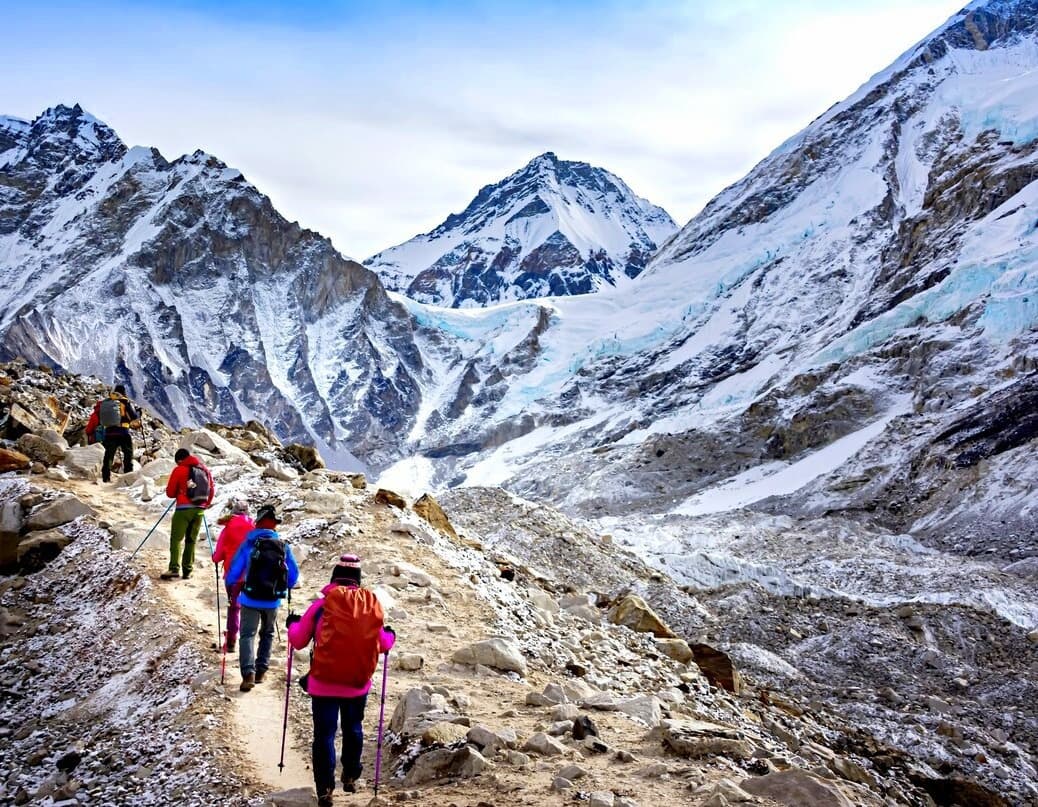
Everest Base Camp Trek
- 13 Nights 14 Days
- 10 reviews
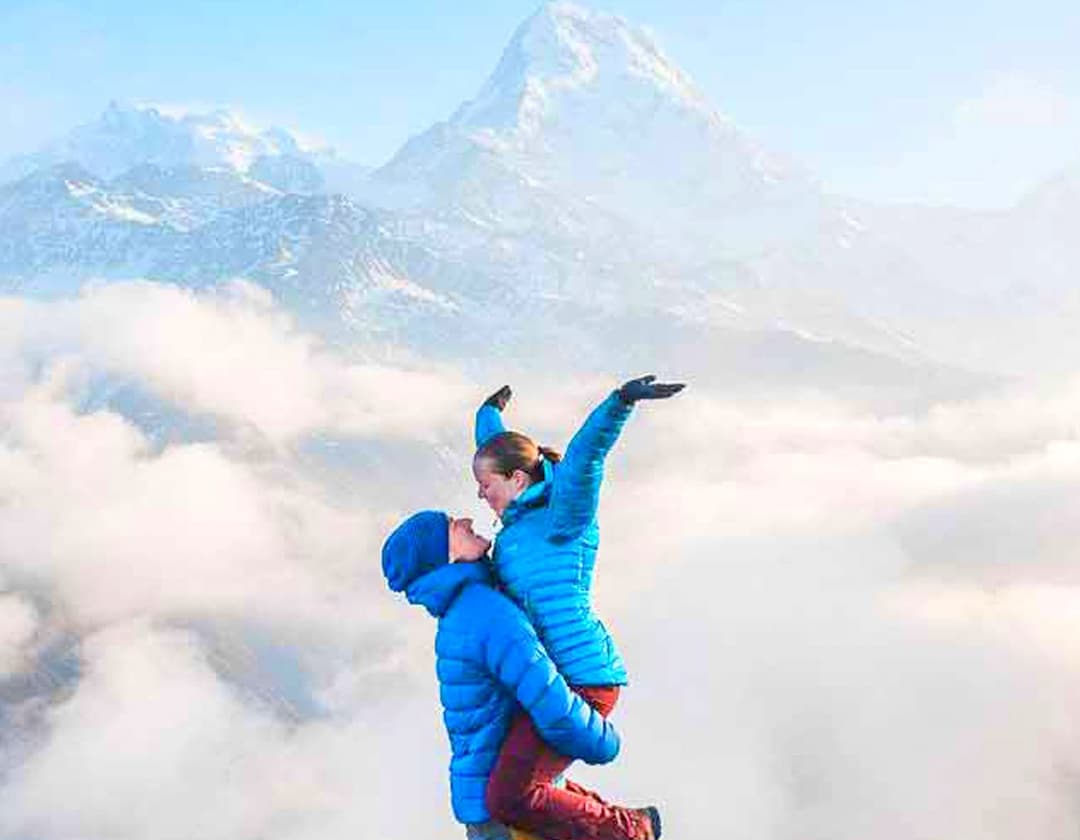
Honeymoon in Nepal
- 8 Nights 9 Days
- 10 reviews
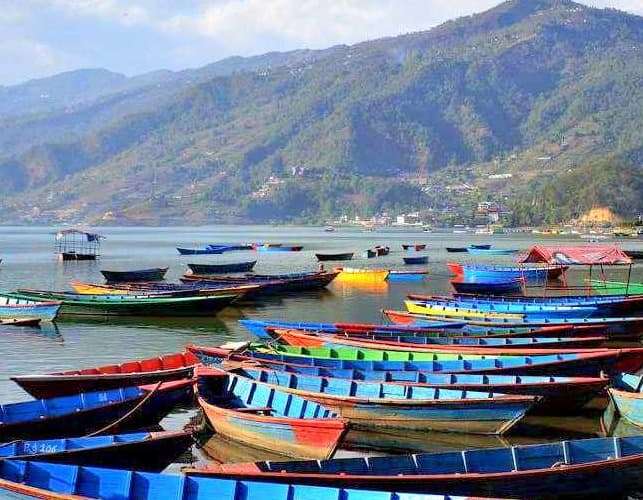
4 Days Nepal Tour with Pokhara - 4 days
- 3 Nights 4 Days
- 10 reviews