Pikey Peak Trek
5/5 from 3 reviews
Trip Fact
- DestinationNepal
- Durations5 days
- Group Size15+
Overview
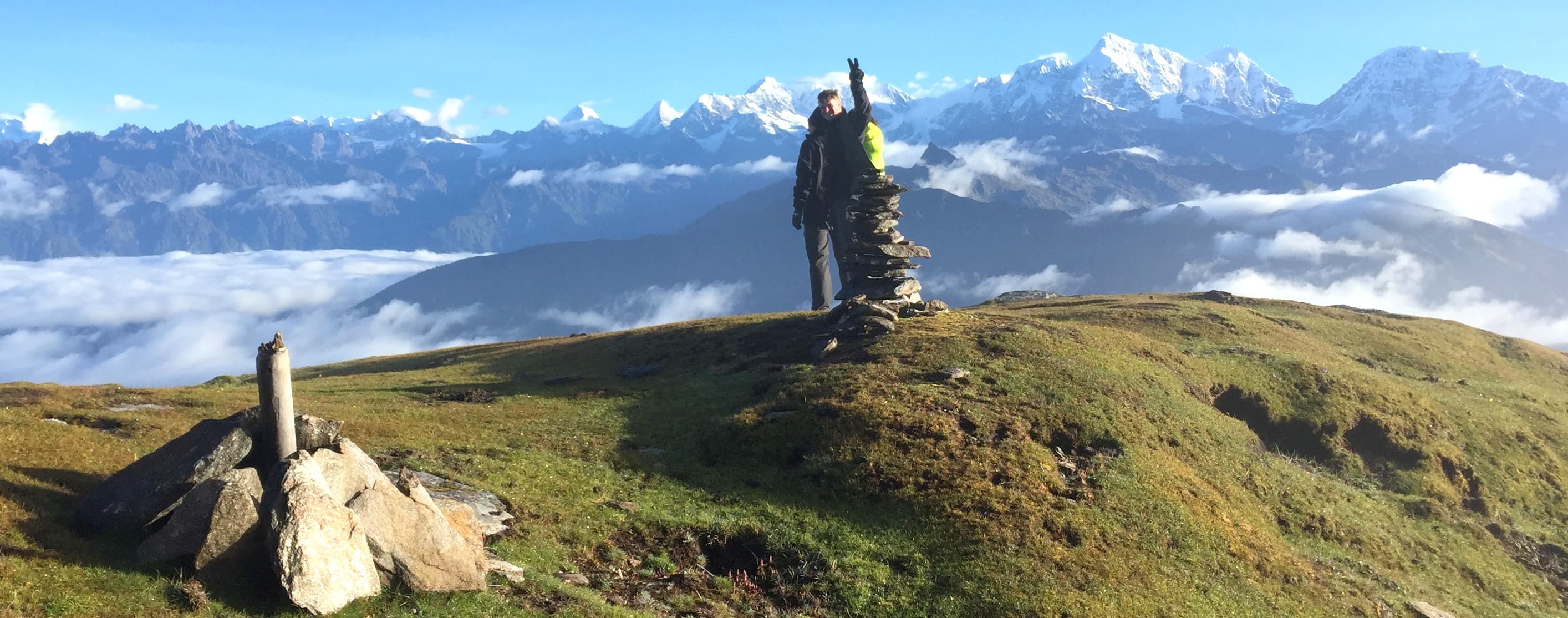
The Pikey Peak Trek is an incredible short trek that offers breathtaking views of Mount Everest, Kanchenjunga, Lhotse, Makalu, and many other Himalayan peaks. This trek is ideal for those seeking to experience the beauty of the Everest region without the crowds typically found on traditional trails. The journey begins with a scenic flight from Kathmandu to Phaplu, which reduces travel time and makes the trek more comfortable. As you walk through lush forests, traditional Sherpa villages, and wide open ridges, every step brings a new perspective of the Himalayas. The sunrise view from Pikey Peak (4,065m) is one of the most stunning in Nepal, with golden light touching the world’s highest mountains.
This trek is not just about the landscapes; it also offers a deep cultural experience. Along the way, you will visit ancient monasteries, prayer wheels, and mani walls, giving insight into the spiritual life of the local Sherpa people. The peaceful trails pass through Jhapre, Pikey Peak Base Camp, and Junbesi, where traditional hospitality and local cuisine add to the journey. With a mix of moderate hiking and rewarding views, this 5-day Pikey Peak trek is perfect for adventurers seeking a short, scenic, and culturally enriching Himalayan experience.
Stunning Himalayan Views
The Pikey Peak Trek offers some of the most remarkable mountain views in Nepal, making it a must for any trekking enthusiast. As you ascend through the trail, you’ll be treated to panoramic vistas of the towering Himalayan peaks, each more awe-inspiring than the last. From Pikey Peak, the view of Mount Everest, Kanchenjunga, Lhotse, and Makalu is simply spectacular, and the sunrise over these giants is an unforgettable experience.
- Mount Everest at Its Best: The trek provides unparalleled views of Mount Everest, the highest peak in the world.
- Kanchenjunga’s Majestic Presence: The trek also offers a clear view of Kanchenjunga, the third-highest mountain on Earth.
- Lhotse and Makalu: Capture stunning close-up views of Lhotse and Makalu, two of the tallest mountains in the Himalayas.
- Panoramic Sunrise Views: Witness one of the best sunrises in the Himalayas, with golden light illuminating the snow-capped peaks.
- Clear Views of the Rolwaling Range: The trek also offers a breathtaking view of the Rolwaling Range, a hidden gem of the Himalayas.
- Breathtaking Views of Numbur Himal: Numbur Himal, known for its unique shape, adds another fascinating perspective to your trekking experience.
- Gosaikunda Range: On clear days, you’ll be able to spot the Gosaikunda Range in the distance, a sacred area for both trekkers and pilgrims.
- Scenic Valleys Below: Enjoy a wide array of views not only of the peaks but also of the lush valleys and terraced fields below.
- Cultural Landmarks Against Majestic Backdrops: The traditional Sherpa villages and ancient monasteries are set against the backdrop of towering Himalayan giants, providing the perfect photo opportunities.
The combination of towering peaks, remote valleys, and peaceful monasteries makes this trek a truly unmatched Himalayan experience. From sunrise to sunset, every view is nothing short of spectacular, leaving trekkers with lasting memories of the Himalayas’ grandeur.
Scenic Flight to Phaplu
One of the highlights of the Pikey Peak Trek is the scenic flight from Kathmandu to Phaplu. This short yet breathtaking flight offers an aerial view of the lush green hills, the picturesque villages, and the dramatic mountain landscapes below. Unlike the long and arduous journey by road, the flight to Phaplu is a smooth and efficient way to reach the starting point of the trek, saving you time and energy for the adventure ahead.
- Aerial Views of the Kathmandu Valley: As you take off from Kathmandu, enjoy sweeping views of the Kathmandu Valley, surrounded by mountains.
- Majestic Mountain Views: During the flight, you’ll catch glimpses of the Everest Range, including Mount Everest, Lhotse, and Makalu, far off in the distance.
- The Rolling Hills of Nepal: Fly over the rolling hills and terraced fields, giving you a glimpse of rural Nepal from above.
- View of the Solu-Khumbu Region: The flight provides a bird’s-eye view of the Solu-Khumbu Region, the gateway to the Everest region.
- Phaplu and Its Surroundings: As you approach Phaplu, you’ll see the village and the surrounding landscapes, setting the stage for your trek ahead.
- Quick Access to the Trailhead: The flight dramatically cuts down the time it would take by road, allowing you to begin your trek fresher and more energized.
- Rural Villages and Sacred River: Look down to spot the sacred rivers and small rural villages nestled within the valleys of the region.
- Peaceful, Scenic Landing: Landing in Phaplu, the quietness and serenity of the area offer a peaceful entry to your trek, away from the hustle and bustle of the city.
This scenic flight not only saves valuable time but also provides a stunning introduction to the beautiful landscapes you’ll be exploring on foot during the Pikey Peak Trek. From the moment you take off, you’ll be immersed in the beauty of the Himalayas, setting the perfect tone for your trekking adventure.
Less-Crowded Trails
The Pikey Peak Trek offers an ideal escape from the more popular trekking routes in Nepal, such as the Everest Base Camp and Annapurna Circuit. Unlike those bustling trails, the Pikey Peak route remains relatively undiscovered, allowing trekkers to enjoy a peaceful and intimate experience with nature. As you hike through this less-trodden path, you’ll be surrounded by stunning landscapes without the noise or crowds, offering a more personal and serene Himalayan adventure.
- Tranquil Trekking Experience: Enjoy quiet trails through lush forests and pristine meadows, where the only sounds are the rustling leaves and the calls of birds.
- Fewer Tourists: The Pikey Peak route sees far fewer trekkers, providing an exclusive experience compared to the busy Everest Base Camp or Annapurna trails.
- Authentic Sherpa Villages: Trek through traditional Sherpa villages that remain largely untouched by mass tourism, offering a more authentic cultural experience.
- Unspoiled Nature: With fewer trekkers, the natural environment remains undisturbed, making it ideal for those looking to reconnect with nature.
- Peaceful Monasteries: Visit remote monasteries like the Thupten Chöling Monastery in Junbesi, where you can experience spiritual moments without the crowds.
- Solitude on the Trail: Spend much of your time trekking without encountering other groups, giving you the space to enjoy the beauty of the Himalayas in peace.
- Unique Wildlife Encounters: The quietude of the trail offers better opportunities to spot wildlife such as Himalayan tahr, danphe (Himalayan pheasant), and various species of birds.
- Less Commercialized: The trek has fewer commercialized teahouses and lodges, which means you’ll enjoy a more genuine experience of local hospitality.
- Incredible Views with Peace: Take in stunning vistas of Everest, Makalu, and Kanchenjunga, all while relishing the peace and solitude of the area.
By choosing the Pikey Peak Trek, you’ll have the chance to immerse yourself in the authentic beauty of the Himalayas, where the trails remain as pristine as the mountains themselves. This trek offers a refreshing break from the crowds, making it the perfect choice for those seeking peace, solitude, and an unspoiled trekking experience.
Incredible Sunrise from Pikey Peak
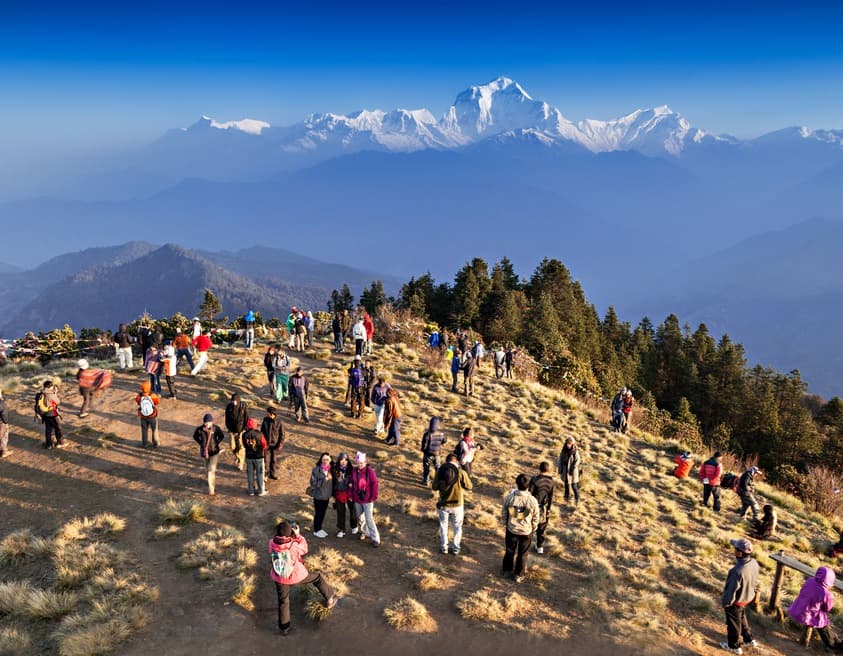
One of the most memorable highlights of the Pikey Peak Trek is the breathtaking sunrise from the summit of Pikey Peak (4,065m). This early-morning experience offers an unforgettable opportunity to witness the first light of the day illuminate the towering Himalayan peaks. As the sun rises, it casts a golden hue over the snow-capped mountains, creating a stunning contrast against the deep blue sky. The tranquil atmosphere and dramatic landscape make this sunrise a truly magical moment.
- First Light on Everest: Watch as the golden rays touch the peak of Mount Everest, casting a spectacular glow on the world’s highest mountain.
- Panoramic Views: The summit offers a 360-degree panoramic view of the surrounding mountain range, including Makalu, Lhotse, and Kanchenjunga.
- Himalayan Peaks in Golden Light: The rising sun bathes the snow-capped peaks of the Everest region and the Rolwaling Range in soft, warm light, creating a photographer’s paradise.
- Serenity of the Morning: The quietness of the early morning, combined with the majestic sunrise, provides a peaceful and reflective experience that is hard to replicate elsewhere.
- Witnessing the Transformation: As the sun rises, you can see the dramatic transformation of the landscape from the cool morning shadows to the vibrant daylight.
- Clear Views of Distant Peaks: On clear days, the sunrise reveals distant peaks like Gosaikunda, further adding to the vastness of the Himalayan panorama.
- The Calm Before the Trek Begins: The sunrise not only offers breathtaking views but also sets a peaceful tone for the rest of the trek.
- Perfect for Photography: Capture the stunning interplay of light and shadows as the first rays of the sun shine on the Himalayan peaks and the surrounding landscapes.
- Sense of Accomplishment: Reaching the summit for the sunrise feels like a personal achievement, with the tranquil beauty of the mountains rewarding your effort.
Watching the sunrise from Pikey Peak is undoubtedly one of the most awe-inspiring moments of the trek, offering a serene and unforgettable start to your day in the Himalayas. The Pikey Peak sunrise will stay with you long after the trek ends, as it captures the untouched beauty of the Everest region in all its glory.
Authentic Sherpa Culture
The Pikey Peak Trek offers trekkers a unique opportunity to experience the vibrant Sherpa culture in its most authentic form. As you trek through the Solu-Khumbu region, you’ll pass through traditional Sherpa villages where age-old customs and ways of life are still preserved. The Sherpas, renowned for their resilience in the mountains, have a deep connection to the land and their Buddhist faith, and their warmth and hospitality make you feel like part of their community.
- Traditional Sherpa Villages: Trek through villages like Jhapre, Junbesi, and Bhandar, where you can witness everyday life in rural Sherpa communities, far from the tourist-heavy areas.
- Sherpa Architecture: Explore the distinctive Sherpa architecture in local houses, monasteries, and chortens, built to withstand the harsh mountain environment.
- Buddhist Monasteries: Visit ancient Buddhist monasteries such as the Thupten Chöling Monastery, where you can observe spiritual rituals and learn about the Sherpa's Buddhist traditions.
- Cultural Traditions: Interact with Sherpa families, learn about their festivals, and gain insight into their agricultural and farming practices, which have been passed down through generations.
- Sherpa Hospitality: Experience the legendary Sherpa hospitality, where you’ll be warmly welcomed into homes and teahouses, often treated to traditional meals like dal bhat (lentil soup with rice).
- Traditional Clothing: See the Sherpas dressed in traditional clothing, including woolen chubas, that protect them from the cold high-altitude environment.
- Festivals and Celebrations: If your trek coincides with a local festival, you may be lucky enough to witness vibrant Sherpa celebrations, complete with music, dance, and prayer ceremonies.
- Handicrafts and Art: Visit local markets where Sherpas sell handcrafted items, such as wooden carvings, woven baskets, and traditional garments, reflecting the culture and lifestyle of the region.
- Sacred Sites and Pilgrimages: Learn about the sacred importance of certain sites like Junbesi, where Sherpas make pilgrimages to Buddhist shrines and holy lakes, connecting with their spirituality.
The Pikey Peak Trek offers a chance to deeply engage with the Sherpa culture, experiencing not only the beautiful landscapes but also the timeless traditions that have sustained these mountain people for centuries. Through personal interactions, cultural sites, and daily encounters, you’ll come to appreciate the Sherpa way of life, their close connection to the mountains, and the peaceful rhythm of life in this stunning region.
Buddhist Monasteries and Spiritual Sites
The Pikey Peak Trek is not just a journey through scenic landscapes but also a deep dive into the spiritual heart of Nepal. As you trek through the Solu-Khumbu region, you’ll encounter ancient Buddhist monasteries, chortens, and sacred sites that have been central to the Sherpa people’s spiritual life for centuries. These spiritual landmarks offer insight into the profound connection between the Sherpas and their Buddhist beliefs, providing trekkers with moments of reflection and peace.
- Thupten Chöling Monastery: One of the most notable monasteries on the trail, this spiritual site in Junbesi is home to monks and offers a serene setting to experience Buddhist prayers and rituals.
- Buddhist Stupas and Chortens: Along the trek, you’ll pass many Buddhist stupas and chortens, which are sacred structures believed to contain relics and represent the spiritual essence of the Buddha.
- Junbesi Monastery: Visit this revered monastery, where monks engage in daily prayers, and explore the peaceful surrounding sacred groves.
- Sacred Junbesi Valley: The Junbesi Valley is rich in Buddhist significance, with prayer flags fluttering in the breeze and sacred sites scattered across the landscape.
- Buddhist Pilgrimages: The trek brings you closer to the Buddhist pilgrimage routes, with places like Solu considered sacred by the Sherpas.
- Sacred Lakes and Natural Sites: Discover the sacred lakes in the region, where local Buddhist pilgrims visit to pray and seek blessings, further deepening the spiritual atmosphere.
- Buddhist Monastic Life: Along the trek, you’ll witness the monastic lifestyle, as monks live in remote monasteries far from the hustle of city life, immersing themselves in meditation and spiritual practice.
- Prayer Wheels and Mantras: Spin the prayer wheels along the trail, which contain sacred mantras and are used by the locals in their religious practices to invoke blessings and peace.
- Cultural and Religious Harmony: The Buddhist culture of the Sherpas is deeply intertwined with their daily lives, creating an enriching experience that reflects the peace and spirituality of the mountains.
The Buddhist monasteries and spiritual sites along the Pikey Peak Trek are a significant part of the trek’s charm, offering trekkers a chance to connect with the spiritual traditions of the Sherpa people. These sacred landmarks are not just places to visit, but opportunities to immerse oneself in the peaceful rhythms of Buddhist life and find moments of reflection amidst the grandeur of the Himalayas.
Diverse Landscapes
The Pikey Peak Trek offers an incredible variety of landscapes, showcasing the rich natural diversity of the Solu-Khumbu region. From lush forests to alpine meadows and traditional Sherpa villages to rugged mountain ridgelines, the trek takes you through some of the most stunning and varied terrains in the Himalayas. These changing landscapes not only offer a visual feast but also present unique challenges and experiences for trekkers as they move higher into the mountains.
- Lush Forests and Verdant Valleys: The lower sections of the trek are marked by lush forests of pine, rhododendron, and oak, where the air is fresh and the sound of birds fills the atmosphere.
- Rolling Hills and Meadows: As you ascend, the trail opens up to rolling hills and expansive meadows, dotted with wildflowers and offering breathtaking views of the surrounding peaks.
- Alpine Scrub and Rocky Terrain: Higher up, the landscape transforms into rocky outcrops and sparse alpine scrub, as you approach the breathtaking views of Pikey Peak.
- Himalayan Ridges and Valleys: The trek’s upper reaches provide panoramic views of snow-capped Himalayan peaks, including Everest, Makalu, and Kanchenjunga, while descending into valleys offers glimpses of rivers and traditional Sherpa villages.
- Mountain Passes and High Altitudes: The trek crosses several mountain passes, offering dramatic landscapes of jagged ridges and snow-covered summits at higher altitudes, with vast, untouched views in every direction.
- Sacred Lakes and Streams: Along the route, trekkers are treated to serene sacred lakes and fast-flowing streams, adding a sense of tranquility to the landscape.
- Snowy Peaks and Glacial Valleys: Depending on the time of year, you may pass through snow-covered paths that offer majestic views of the Himalayan mountain ranges, contrasting with the deep, green valleys below.
- Sherpa Villages and Terraced Fields: The trek passes through traditional Sherpa villages like Junbesi, where you can see terraced fields cultivated by the locals, providing a glimpse into their agricultural lifestyle.
- Pristine Meadows and Remote Corners: As you near Pikey Peak, the landscape shifts to wild, open meadows with clear skies, offering a sense of freedom and solitude.
The Pikey Peak Trek takes you through a rich tapestry of diverse landscapes that continuously evolve with the altitude, offering trekkers a unique opportunity to experience the natural beauty of Nepal in its many forms. Whether you are walking through lush forests or across rocky ridgelines, the constantly changing scenery adds to the trek’s allure, making it an unforgettable adventure.
Traditional Himalayan Hospitality
One of the most heartwarming aspects of the Pikey Peak Trek is the experience of traditional Himalayan hospitality. As you journey through the remote villages of the Solu-Khumbu region, you’ll encounter the warmth and kindness of the local Sherpa people, whose hospitality is an integral part of their culture. The Sherpas are known for their generosity, offering trekkers a sense of welcome and comfort even in the most remote parts of the Himalayas.
- Warm Tea House Stays: During the trek, you’ll stay in cozy teahouses run by local families, where you’ll be treated like a guest in their own home. The hosts will often serve you a hot cup of butter tea or local bread, ensuring your comfort after a long day of trekking.
- Sherpa Greetings: The Sherpas are known for their friendly nature, always ready to greet trekkers with a smile, offering words of encouragement and asking about your journey.
- Home-Cooked Meals: Expect to enjoy traditional meals, such as dal bhat (lentil soup with rice) and momo (dumplings), prepared with locally sourced ingredients, ensuring you feel nourished and cared for.
- Cultural Exchange: Many Sherpa families are eager to share their stories, traditions, and knowledge of the local culture, providing you with valuable insights into their way of life.
- Comfort in Remote Locations: Even in the most remote villages, the hospitality of the locals ensures a sense of warmth and comfort, making it easier for trekkers to connect with the environment around them.
- Celebrations and Festivals: If your trek coincides with a local festival, you may be invited to partake in the celebrations, experiencing firsthand the joy, music, and dance of the Sherpa culture.
- Personalized Attention: The hosts in the teahouses are dedicated to making your stay as comfortable as possible, offering personalized services, whether it's ensuring extra blankets for warmth or providing directions to the next destination.
- Generosity in Sharing: It is not uncommon for Sherpas to share their knowledge, resources, and even food with trekkers, embodying the spirit of selfless hospitality that is central to their culture.
- Fellow Trekker Bonds: Along with the local hospitality, you’ll also experience the camaraderie of fellow trekkers, often sharing meals and stories at the teahouses, making the trek feel like a shared journey of adventure and connection.
The traditional Himalayan hospitality you’ll encounter on the Pikey Peak Trek enriches the overall experience, creating a sense of community that extends beyond the stunning landscapes. The kindness and generosity of the Sherpa people will leave a lasting impression, making this trek not just a physical journey, but an emotional and cultural adventure as well.
Moderate Trekking Difficulty
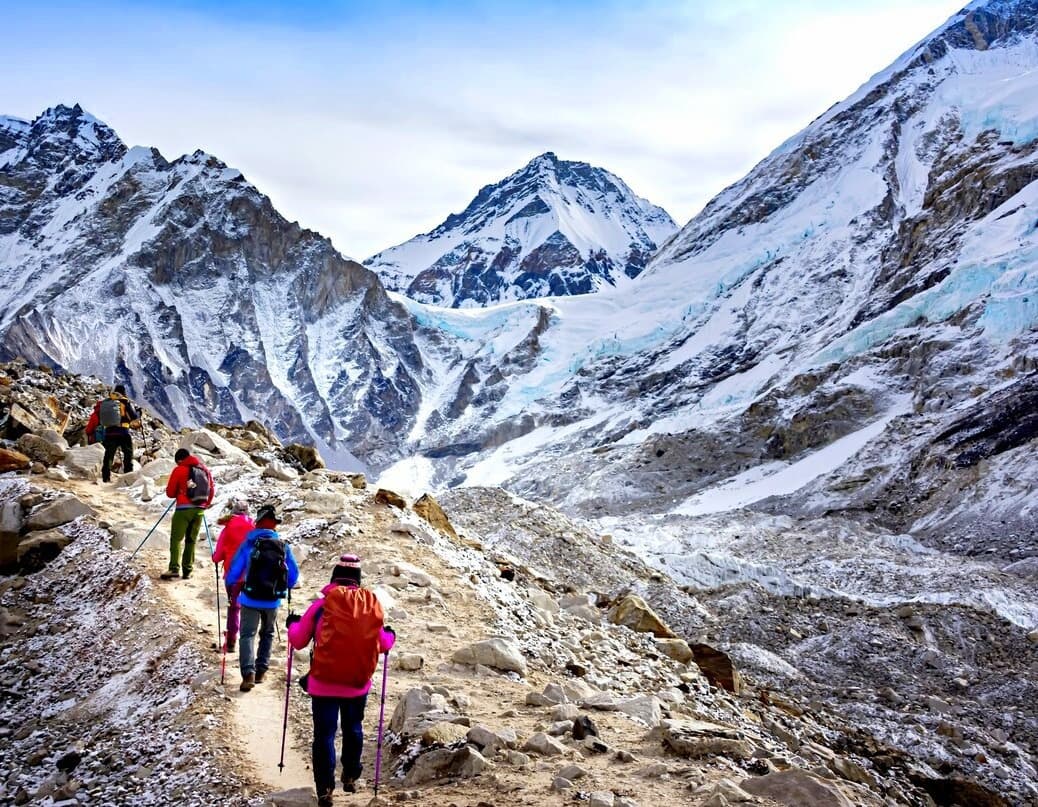
The Pikey Peak Trek offers a moderate difficulty level, making it an ideal adventure for trekkers with some previous experience in the mountains, yet still accessible for those looking for a challenge without being overly strenuous. While it involves a fair amount of uphill climbs, particularly as you ascend towards Pikey Peak itself, the trail is manageable and does not require technical mountaineering skills, making it a great option for anyone in good physical condition looking to explore the Himalayas.
- Gradual Ascent: The trail’s gradual ascent ensures that trekkers can acclimatize steadily as they move through the lower to higher elevations, reducing the risks of altitude sickness.
- Varied Terrain: The path features a mix of well-trodden trails, rocky paths, and forested areas, providing a diverse experience, but with nothing too challenging for an experienced hiker.
- Moderate Altitudes: While you’ll reach an altitude of approximately 4,065 meters (13,298 feet) at Pikey Peak, the moderate altitude allows for easier acclimatization, with most trekkers not needing to worry about extreme altitude sickness.
- Comfortable Pace: The trek is generally completed over 5-7 days, allowing trekkers to maintain a comfortable pace while taking time to enjoy the scenery, explore villages, and visit monasteries along the way.
- Trek Duration: With 5 days on the trail, it’s long enough to provide an immersive trekking experience, but not too long that it becomes overwhelming for those with a moderate fitness level.
- Clear Signposts and Trails: The well-marked trails and well-established routes make navigation straightforward, and there are local guides available for assistance if needed.
- Lightweight Packing: Given the moderate nature of the trek, trekkers can carry a light backpack with essential items, as there are regular teahouse stays along the way where you can rest and replenish.
- Scenic Rest Stops: Frequent rest stops in traditional Sherpa villages and teahouses allow for regular breaks, where trekkers can recharge and enjoy local hospitality, easing the physical demands of the trek.
- Acclimatization Days: The itinerary is designed with built-in acclimatization days, especially around Junbesi, to ensure you adjust to the altitude before heading higher up.
Overall, the moderate difficulty of the Pikey Peak Trek makes it an excellent choice for trekkers seeking a fulfilling Himalayan adventure without extreme challenges. Whether you’re a seasoned hiker or someone with basic trekking experience, this trek provides a rewarding experience with achievable goals, stunning views, and a cultural immersion into the heart of Nepal’s Sherpa region.
Perfect for a Short Trek
The Pikey Peak Trek is an ideal option for those seeking a short yet rewarding trekking experience in the Himalayas. With a duration of just 5 days, it’s the perfect choice for travelers who are short on time but still want to immerse themselves in the natural beauty, culture, and spirituality of the Solu-Khumbu region. The trek’s manageable length, combined with the stunning landscapes and local Sherpa hospitality, makes it a great way to experience the best of the Himalayas without committing to longer and more strenuous treks.
- Short Trek Duration: With only 5 days on the trail, the Pikey Peak Trek fits easily into a tight travel schedule, offering a taste of the Himalayas without the need for weeks of preparation or time off.
- Accessible Starting Point: The trek begins with a scenic flight to Phaplu, which is easily accessible from Kathmandu, minimizing the time spent on transportation and maximizing your trekking time in the mountains.
- Rewarding Summit: Despite its shorter duration, the trek offers a stunning summit at Pikey Peak, where you’ll be rewarded with panoramic views of major peaks, including Everest, Makalu, and Kanchenjunga, making it a satisfying journey.
- Cultural Experience: The trek introduces you to Sherpa culture through visits to traditional villages and monasteries, giving you a deep cultural immersion within a short time frame.
- Scenic Variety: Over just a few days, you’ll experience diverse landscapes, from lush forests to alpine meadows and rugged mountain ridges, offering a varied trekking experience without the fatigue of a longer trek.
- Easy Acclimatization: The trek is designed with gradual ascents and ample time for acclimatization, ensuring you can enjoy the journey without the risk of altitude sickness, even within a short timeframe.
- Teahouse Comfort: Staying in comfortable teahouses along the route offers a warm and welcoming environment for trekkers, making it easy to enjoy the trek without the need for camping equipment or lengthy stays in remote areas.
- Compact Adventure: For those with limited time but a desire for adventure, this trek offers a perfect balance of stunning Himalayan views, cultural exploration, and personal challenge, all packed into a short timeframe.
- Ideal for Beginners: The moderate difficulty level and short duration make the Pikey Peak Trek accessible to beginners or those looking to dip their toes into the world of Himalayan trekking without committing to a lengthy or physically demanding journey.
The Pikey Peak Trek offers a perfect balance of adventure, culture, and natural beauty in just a short time frame. Whether you have limited time or simply prefer a shorter trek, this route provides a memorable experience in the heart of the Himalayas, without the extensive commitment required for longer treks like the Everest Base Camp Trek or Annapurna Circuit.
Best time to do Pikey Peak Trek
The Pikey Peak Trek can be undertaken year-round, but the best times to embark on this beautiful Himalayan adventure are during the spring and autumn seasons. These months provide optimal weather conditions for trekking, ensuring clear skies, moderate temperatures, and stunning views of the surrounding peaks.
- Autumn (September to November): Autumn is considered the peak trekking season in Nepal, and for good reason. The weather is generally stable, with clear skies and crisp air, offering the best panoramic views of the Himalayas. The trails are dry, and the temperatures are pleasant, making it an ideal time for trekkers to explore the mountains. This is also when you’ll witness some of the most vibrant festival celebrations in Sherpa villages, adding a cultural touch to your journey.
- Spring (March to May): The spring season offers mild weather, with temperatures warming up after the cold winter months. The landscape comes alive with rhododendron blooms and wildflowers, enhancing the beauty of the trek. The clear skies during spring allow for excellent views of the towering peaks of the Everest region. The temperatures are comfortable, making it a great time for trekking, especially for those who want to avoid the summer heat.
- Winter (December to February): While winter brings fewer trekkers, the Pikey Peak Trek is still doable during this season for those who enjoy the peacefulness and solitude of the mountains. However, temperatures can drop significantly, especially at higher altitudes, and snow is possible. It’s important to be prepared for colder weather and be cautious about slippery trails. Winter also means fewer crowds, allowing for a more intimate experience in the mountains.
- Summer (June to August): The summer months are the least favorable due to the monsoon season in Nepal. Heavy rainfall can make the trails slippery and muddy, while the risk of landslides increases, especially in the lower regions. It’s generally best to avoid trekking during this time unless you are prepared for wet conditions and can handle the higher risks involved.
The best time to do the Pikey Peak Trek is during autumn (September to November) and spring (March to May). These seasons offer the most favorable weather, excellent visibility, and comfortable trekking conditions, ensuring a safe and enjoyable Himalayan adventure.
Important Notes on the Pikey Peak Trek
While the Pikey Peak Trek offers an incredible adventure through the majestic Himalayas, it’s essential to keep certain factors in mind to ensure a safe and enjoyable experience. Here are some important notes to consider before embarking on this trek:
- Physical Preparation: Though the Pikey Peak Trek is considered moderate, it involves several days of hiking through varying terrain and altitudes. It’s recommended that trekkers be in good physical condition and engage in light-to-moderate training (such as hiking, cardio, or walking) prior to the trek to prepare for the daily uphill climbs and descents.
- Altitude Awareness: The highest point of the trek is Pikey Peak at an altitude of 4,065 meters (13,298 feet). Though the trek is not as high as some of the more challenging treks in Nepal, it’s still important to be aware of altitude-related issues. Make sure to stay hydrated, take your time on ascents, and watch for signs of altitude sickness, such as dizziness, headaches, or nausea.
- Weather Conditions: The weather in the Himalayas can change rapidly, even during the best trekking seasons (spring and autumn). It’s crucial to bring appropriate clothing for both cold mornings and warm afternoons. Layering your clothes will help you adjust to changing temperatures. Always pack a waterproof jacket, hat, gloves, and warm layers.
- Packing Essentials: Packing light is key, but make sure to bring the essentials such as a first-aid kit, water bottle, trekking poles, sunscreen, personal hygiene items, and snacks. A good pair of trekking shoes and warm clothing is also essential for comfort. Keep in mind that teahouse facilities along the route may not always provide amenities like toiletries, so bring your own.
- Trekking Permits: Trekking in the Solu-Khumbu region requires permits, such as the TIMS (Trekkers' Information Management System) card and Sagarmatha National Park Permit, which your guide or tour operator will arrange for you. These permits help maintain the safety and conservation of the region.
- Teahouse Stays: The trek involves staying in local teahouses or lodges along the way. While most teahouses provide basic comfort, be prepared for simple accommodations. Rooms are often shared, and amenities such as electricity or hot showers may be limited at higher altitudes.
- Altitude Sickness Prevention: To reduce the risk of altitude sickness, it’s advisable to follow a slow and steady pace, avoid rushing, and allow time for acclimatization at key points during the trek. Resting and staying hydrated also help prevent altitude-related illnesses.
- Cultural Sensitivity: The Pikey Peak Trek passes through Sherpa villages where Buddhist culture is prevalent. It’s important to respect local customs, especially when visiting monasteries or spiritual sites. Always ask before taking photos of religious or sacred places and dress modestly when entering temples or monasteries.
- Local Guide and Porter: While the trail is generally well-marked, hiring a local guide and porter can enhance your trekking experience by providing valuable insights into the region’s culture, history, and nature. Guides can also ensure safety and help navigate any tricky sections of the route.
- Environmental Responsibility: Leave no trace while trekking in the mountains. Respect the environment by disposing of waste properly and minimizing your impact on the natural surroundings. Nepal’s mountains are pristine, and it’s our responsibility to keep them that way for future generations.
By keeping these important notes in mind, you'll be well-prepared for your Pikey Peak Trek and able to enjoy the incredible beauty and cultural richness of the region while ensuring your safety and comfort along the way.
Detail Itinerary
Expand all +
If the provided schedule isn't suitable for you, we are able to create personalized travel arrangements according to your preferences and requirements.
Cost Details
Cost Includes
- Arrival and Departure: Airport transfers are provided at the beginning and end of the trek, ensuring a smooth transition between the airport and your starting point in Kathmandu.
- Hotel Accommodation: Comfortable stays are arranged in hotels or guesthouses throughout the trek, offering a restful environment after each day’s hike.
- Permits: All necessary trekking permits, including the TIMS (Trekkers' Information Management System) card and Sagarmatha National Park Permit, are included, ensuring your trek complies with local regulations.
- Insurance: Comprehensive travel insurance covering medical emergencies, trekking accidents, and evacuation is provided, ensuring you are fully covered during your trek.
- Transportation: All transport throughout the trek is included, whether by private vehicles or local transport, ensuring seamless transfers to and from the trekking route.
- Luggage: Luggage transportation support is available, with porters or mules carrying your personal items, making your trek more comfortable and manageable.
- Foods & Lodging: All meals (breakfast, lunch, and dinner) and accommodation during the trek are provided, ensuring a full experience without the worry of arranging food or lodging.
- Guide: A professional, experienced trekking guide is included to lead the group, providing insightful knowledge about the region and ensuring your safety throughout the journey.
- Porters: Porters will assist with carrying your gear and supplies, ensuring that you can focus on enjoying the trek while traveling lighter.
- Valley Sightseeing: Tours of the surrounding valleys and cultural attractions en route are included, offering you a deeper understanding of the local culture and landscapes.
- Medical Kit: A first aid medical kit is accessible during the trek for any emergencies, ensuring you have immediate care if needed.
- Farewell Dinner: A celebratory farewell dinner marks the conclusion of your trekking journey, offering a memorable and celebratory end to your adventure.
- Government Tax: All applicable government taxes are included in the trek cost, ensuring there are no hidden fees or surprises.
Cost Excludes
- International Airfare: Flights to and from Nepal are not included in the trek package. You will need to book your international flights separately.
- Nepal Entry Visa Fee: The cost for obtaining a Nepal visa is not covered. This can be obtained upon arrival at Tribhuvan International Airport or in advance.
- Lunch and Dinner: Meals outside the provided breakfast, lunch, and dinner on the trekking days are not included. Any meals during your time in Kathmandu or at stops along the way are your responsibility.
- Hotel Upgrade and Add-ons: Any requests for upgrades to accommodation or additional services (such as spa treatments or luxury stays) are extra and not covered in the standard package.
- Extra Night in Kathmandu: Additional nights in Kathmandu beyond the itinerary are not included. You will need to make separate arrangements for extra accommodation if required.
- Insurance Policy: Personal insurance, including trip cancellation, theft, or other specific coverage, is not provided in the package. You are advised to arrange your own travel insurance before the trek.
- Personal Expenses: Any personal spending, such as shopping, extra snacks, or drinks not included in the provided meals, are your own responsibility.
- Personal Equipment: Trekking gear, such as trekking boots, jackets, and other personal equipment, is not provided. You will need to bring or rent your own gear for the trek.
- Toiletries: Personal toiletries like shampoo, soap, and other hygiene products are not included and should be brought along by you.
- Filming: Fees for filming or photography in restricted areas or certain cultural sites are not covered by the trek package.
- Sightseeing Fees in Kathmandu: Entrance fees for sightseeing spots in Kathmandu (such as temples or monuments) are not included in the package price.
- Internet Service: Charges for internet access during the trek are not covered. You may need to pay separately for Wi-Fi or mobile data where available.
- Private and Customized Tips: Any special tips or customized services, such as private guided tours, are not included in the standard trek price.
- Group and Family Discounts: While group and family discounts are available at Druk Holidays, these are not included in the base trek package price and must be arranged separately.
- Tips: Tips for guides, porters, and drivers are not included. Tipping is appreciated but is at your discretion.
- Extra Costs: Any additional costs not specifically mentioned as included in the trek package, such as optional activities, special meals, or personal services, are not covered.
Travellers‘ reviews
FAQS
✕